How Do You Know When to Change Sewing Machine Needle: Essential Tips
Your sewing machine needle is a small part, but it plays a huge role in how smoothly your projects come together. If your stitches start looking uneven, or your fabric gets damaged, it might be time for a change.
But how do you really know when to switch out your needle? Using a dull or bent needle can ruin your work and waste your time. You’ll discover simple signs to watch for and easy tips to keep your sewing running perfectly.
Keep reading to make sure your next project turns out just the way you want.

Credit: love-sew.com
Signs Needle Needs Changing
Knowing when to change your sewing machine needle is key for smooth sewing. A worn-out needle can cause many problems. These issues affect your fabric, thread, and machine. Watch for clear signs that the needle needs changing. Acting early saves time and keeps your work neat.
Skipped Stitches
One sign is skipped stitches while sewing. The needle may be bent or dull. This stops the needle from catching the thread properly. Your sewing line looks uneven or incomplete. Changing the needle usually fixes this issue fast.
Fabric Damage
Needles that are old or damaged can harm fabric. You may see holes or runs in the cloth. The fabric might pull or tear easily. A fresh needle glides through fabric smoothly without damage. Check your needle if your fabric looks torn.
Thread Breakage
Thread keeps breaking during stitching? A blunt or rough needle can cut the thread. This causes frustration and slows your work. Replace the needle to stop thread from snapping. A sharp needle keeps thread intact and sewing steady.
Unusual Noise
Listen to your machine while sewing. Strange noises can mean a damaged needle. Clicking or grinding sounds are warning signs. These sounds happen when the needle hits the machine parts incorrectly. Changing the needle restores quiet and smooth operation.

Credit: quiltingthread.com
Types Of Sewing Machine Needles
Sewing machine needles come in different types. Each type fits certain fabrics and sewing tasks. Choosing the right needle helps you sew smoothly and avoid fabric damage. Knowing these needle types guides you on when to change them for best results.
Universal Needles
Universal needles work well with many fabrics. They have a slightly rounded tip. These needles sew woven and knit fabrics easily. Ideal for everyday sewing projects. Change them often for clean stitches and less thread breakage.
Ballpoint Needles
Ballpoint needles have a rounded tip. They push fabric fibers apart instead of cutting them. Best for knit and stretch fabrics. Using them prevents runs and snags. Swap them out if stitches skip or fabric pucker.
Sharps And Quilting Needles
Sharps needles are thin and sharp. Perfect for woven fabrics and detailed sewing. Quilting needles are similar but stronger. They pierce multiple layers of fabric. Both need changing when they bend or dull.
Specialty Needles
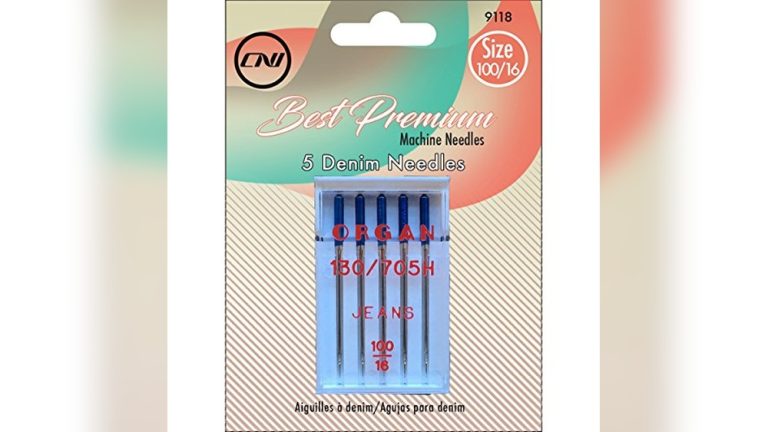
Specialty needles serve unique purposes. Examples include denim, leather, and embroidery needles. Each has a special tip or shape. Use the correct needle to avoid damage. Replace often to keep sewing quality high.
When To Replace Needles
Knowing when to replace your sewing machine needle is key. A fresh needle keeps stitches even and fabric safe. Using old needles can cause skipped stitches or damage fabric. Regularly changing needles helps your sewing stay smooth and neat.
After Set Number Of Hours
Needles wear out after many hours of use. Most experts suggest changing needles every 8 hours of sewing. This timing helps avoid dull needles that break thread or fabric. Keep track of your sewing time to know when to swap needles.
After Specific Projects
Change needles after finishing a big project. Heavy fabrics or long projects can dull needles quickly. Switching needles between projects keeps your machine running well. It also prevents damage to delicate fabrics in the next project.
With Fabric Changes
Use a new needle when sewing different fabrics. Thick materials need stronger needles than thin ones. Changing needles helps avoid fabric snags and thread breaks. Match the needle type to the fabric for best results.
How To Change The Needle
Changing your sewing machine needle is simple and important. A fresh needle helps your machine sew smoothly and avoids fabric damage. Knowing how to change the needle keeps your projects neat and your machine safe.
Tools Required
Gather a small screwdriver and the correct replacement needle. Some machines need a special screwdriver, but most use a standard one. Have good lighting to see the needle area clearly.
Step-by-step Process
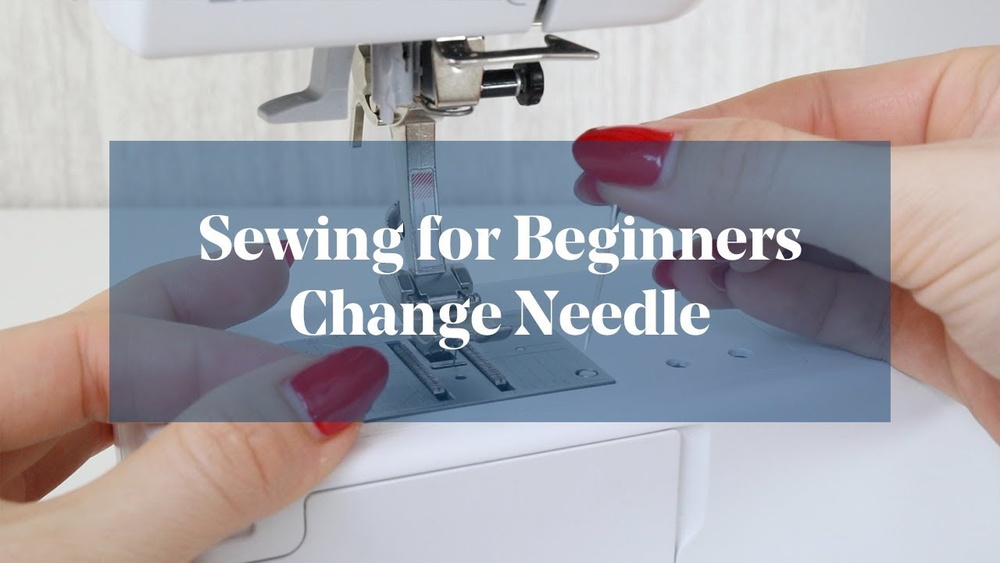
First, unplug the sewing machine for safety. Next, raise the needle to its highest position using the handwheel. Loosen the needle clamp screw with the screwdriver. Carefully pull out the old needle straight down.
Take the new needle and check the flat side. Insert it with the flat side facing the back of the machine. Push the needle up as far as it will go. Tighten the needle clamp screw firmly to hold it in place.
Safety Tips
Always unplug the machine before changing the needle. Avoid touching the needle tip to prevent injury. Use the correct needle size for your fabric and machine. Check the needle regularly and replace it after heavy use.
Maintaining Needle Performance
Maintaining sewing machine needle performance is key for smooth stitching. A well-kept needle lasts longer and works better. It saves time and avoids thread breaks or fabric damage. Simple care steps keep needles sharp and strong. Follow these tips to keep your needle in top shape.
Proper Storage
Store needles in a dry, clean place. Keep them in a closed box or case. Avoid damp areas that cause rust. Separate needles by size and type for easy use. Proper storage prevents bending and dullness.
Regular Cleaning
Clean needles often to remove lint and dirt. Use a soft cloth or brush. Dirt can slow stitching and cause skipped stitches. Wipe needles after each sewing session. Clean needles last longer and sew smoothly.
Choosing Quality Needles
Buy needles from trusted brands or stores. Quality needles have strong shafts and sharp points. Cheap needles may break or dull fast. Using good needles improves stitch quality and machine health. Match needle type and size to your fabric for best results.
Credit: www.youtube.com
Common Needle Problems
Sewing machine needles face many problems during use. These issues affect sewing quality and machine performance. Knowing common needle problems helps you decide when to change the needle. It saves time and prevents fabric damage.
Bent Needles
Bent needles cause uneven stitches and skipped stitches. The needle may hit the machine parts or fabric incorrectly. Bent needles can break suddenly, risking injury or machine damage. Always check the needle before sewing. Replace it if it looks bent or crooked.
Dull Needles
Dull needles make sewing hard. They pull or snag fabric, causing thread breaks. The needle may create holes or damage delicate materials. Sewing with a dull needle wastes thread and fabric. Change the needle regularly for smooth sewing and clean stitches.
Incorrect Needle Size
Using the wrong needle size causes many sewing problems. A needle too big can leave large holes in the fabric. A needle too small may bend or break easily. Match the needle size to your fabric type and thickness. This ensures good stitch quality and needle durability.
Frequently Asked Questions
How Often Should You Change A Sewing Machine Needle?
You should change your sewing machine needle after 8 hours of sewing or after completing a project. Frequent use dulls the needle, causing skipped stitches and fabric damage. Regular replacement ensures smooth stitching and prevents machine issues.
What Are Signs That A Needle Needs Replacement?
Signs include skipped stitches, thread breaking, fabric snagging, or needle bending. If your stitches look uneven or the machine jams, it’s time to change the needle. These issues indicate the needle is dull or damaged.
Can Using A Dull Needle Damage Fabric?
Yes, a dull needle can cause fabric snags, runs, or holes. It can also leave uneven stitches. Replacing the needle regularly protects your fabric and maintains stitch quality.
Does Needle Type Affect When To Change It?
Yes, needles for heavy fabrics dull faster than those for light fabrics. Using the correct needle type extends its life and improves sewing results. Always match the needle to your fabric for optimal performance.
Conclusion
Changing your sewing machine needle keeps your projects smooth and neat. Dull or bent needles cause skipped stitches and fabric damage. Watch for signs like thread breaks or uneven stitches. Regular needle changes save time and reduce frustration. Keep extra needles handy for quick swaps.
This simple step helps your machine run well. Sewing becomes easier and more enjoyable. Don’t wait until problems start. Change your needle often for better results.