How to Start Sewing With a Machine: Easy Steps for Beginners
Have you ever wanted to create your own clothes, fix a favorite shirt, or make a special gift with your own hands? Sewing with a machine can make all that possible—and it’s easier than you think.
If you’re new to sewing, the thought of using a machine might feel overwhelming. But don’t worry. This guide will walk you through every step, helping you gain confidence and enjoy the process. By the end, you’ll be ready to start your very first project and see how fun and rewarding sewing can be.
Ready to get started? Let’s dive in!

Credit: www.wikihow.com
Choosing Your Sewing Machine
Choosing the right sewing machine is the first step to start sewing. The machine you pick affects your sewing experience a lot. Some machines are great for beginners. Others suit more advanced users. Understanding the types, features, and costs helps make a smart choice. This guide breaks down what to consider.
Types Of Sewing Machines
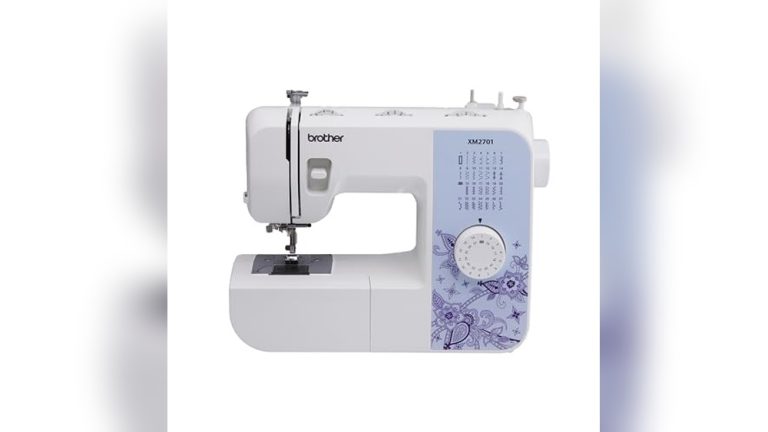
There are three main types of sewing machines. Mechanical machines have simple controls and knobs. They are easy to use and fix. Electronic machines use buttons and screens. They offer more stitch options and speed control. Computerized machines have many built-in stitches and features. They help with complex designs but cost more.
Features To Look For
Look for a machine with basic stitches like straight and zigzag. A built-in needle threader saves time and effort. Adjustable stitch length and width add flexibility. A free arm makes sewing sleeves and cuffs easier. A strong motor handles thick fabrics better. Extra accessories like different presser feet improve your work.
Budget Considerations
Set a clear budget before buying a machine. Basic mechanical machines cost less and work well for beginners. Electronic machines are mid-priced with more features. Computerized machines are the most expensive but offer many options. Consider repair and maintenance costs too. Choose a machine that fits your needs and budget.
Essential Sewing Tools
Sewing with a machine needs the right tools to make the work easy and fun. These tools help you create neat and strong stitches. Having the right items saves time and keeps your sewing safe. The list below covers the most important tools for beginners.
Basic Accessories
Start with a good pair of sharp scissors. Fabric scissors cut cloth cleanly. Pins hold fabric pieces together while sewing. A pin cushion keeps pins safe and handy. A measuring tape helps you check sizes accurately. A seam ripper fixes mistakes quickly. Marking tools like tailor’s chalk show sewing lines clearly.
Fabric And Thread Selection
Choose fabric that matches your project and skill level. Cotton is easy to sew and good for beginners. Pick thread that matches your fabric color. Use polyester thread for strong seams on many fabrics. Keep extra thread spools ready for different projects. Avoid cheap thread that can break or tangle often.
Safety Gear
Sewing needs care to avoid accidents. Use a thimble to protect your finger from needle pricks. Keep a small first aid kit nearby for cuts. Make sure your work area has good light to see clearly. Keep long hair tied back to avoid catching in the machine. Always unplug the machine when not in use.
Setting Up Your Machine
Setting up your sewing machine is the first step to start sewing. It helps the machine work smoothly. Taking time to set it up right saves frustration later. Follow simple steps to get your machine ready.
Each machine may look different, but most have similar parts. Knowing how to set up will give you confidence to sew well.
Unboxing And Assembly
Open the box carefully and take out all parts. Check if you have the machine, foot pedal, power cord, and accessories. Place the machine on a flat, stable table.
Attach any parts that need fixing, like the spool pin or presser foot. Read the manual to see if your model needs special assembly. Make sure the machine is plugged in but turned off before starting.
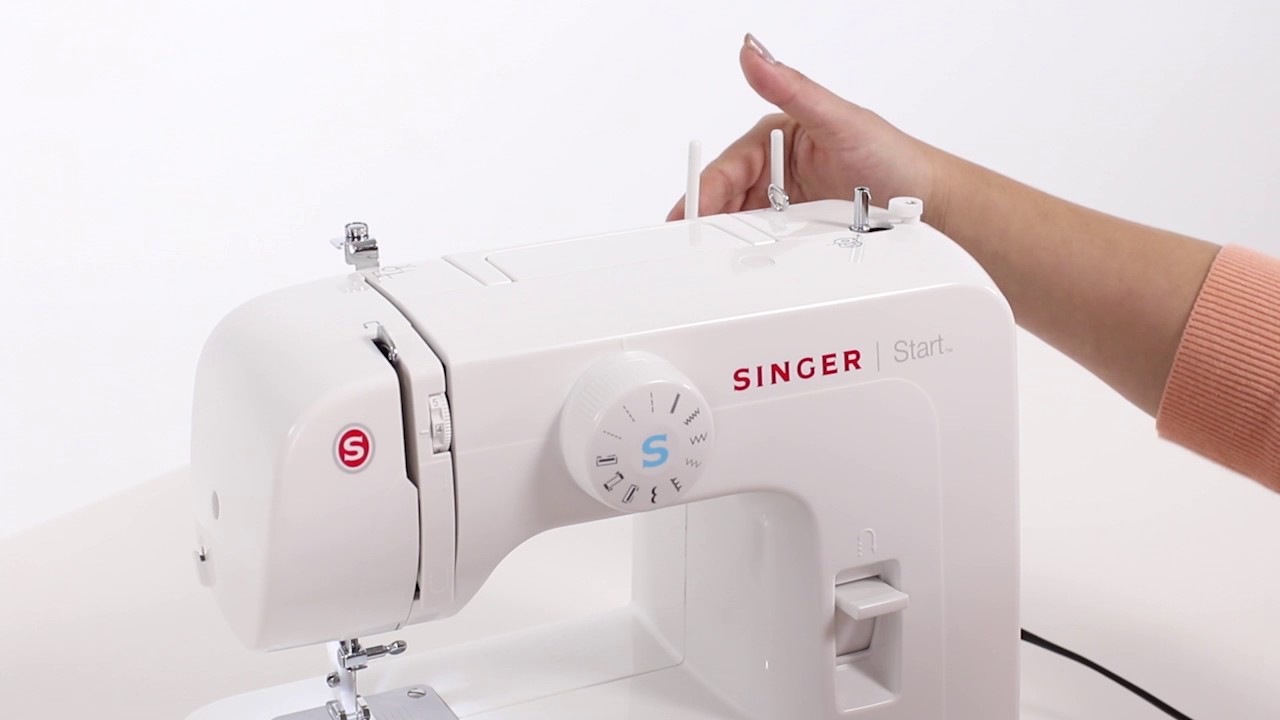
Threading The Machine
Threading is putting the thread through the machine so it sews. Start by placing the thread spool on the spool pin. Pull the thread through the guides and tension discs as shown in the manual.
Thread the needle from front to back. This keeps the thread tight and even. Take your time to avoid tangles or breaks. Proper threading helps stitches look neat.
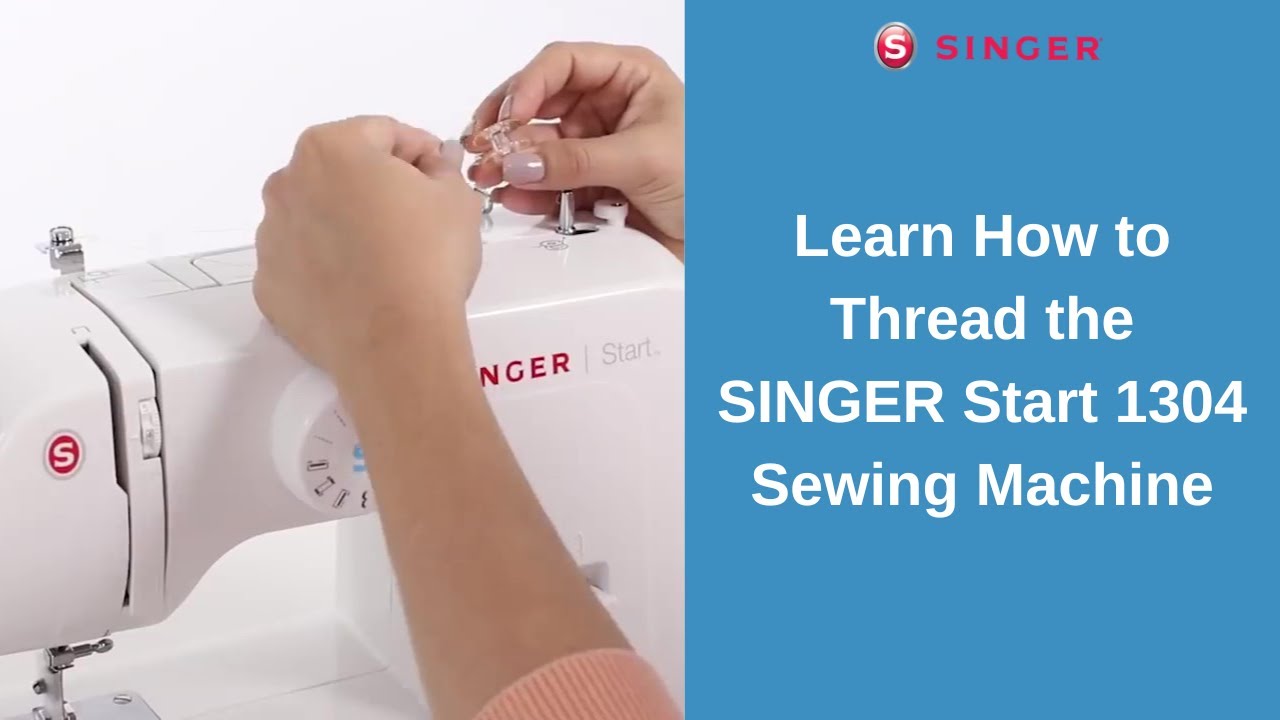
Winding And Inserting The Bobbin
The bobbin holds the lower thread under the fabric. First, wind thread onto the bobbin using the bobbin winder. Place the bobbin on the winder spindle and start the machine.
Once full, remove the bobbin and insert it into the bobbin case. Make sure the thread pulls in the correct direction. Slide the bobbin case into the machine until it clicks.
Check the bobbin tension to avoid loose stitches. Now your machine is ready to sew both top and bottom threads.
Credit: www.youtube.com
Basic Sewing Techniques
Starting to sew with a machine means learning some basic techniques first. These skills help you sew clean and strong seams. They build your confidence and make sewing easier. Practice each technique slowly to get comfortable.
Straight Stitching
Straight stitching is the simplest and most common stitch. It joins two pieces of fabric with a straight line of thread. Keep the fabric edges aligned and guide it gently under the needle. Use the machine’s guides to keep your stitching straight. Sew slowly to maintain control and accuracy.
Backstitching And Securing Seams
Backstitching stops seams from coming apart. At the start and end of each seam, sew a few stitches backward. This locks the thread in place. Without backstitching, your seam might unravel over time. Always remember to secure your seams for durability.
Adjusting Stitch Length And Tension
Stitch length controls how close or far stitches are. Short stitches hold fabric tightly but can pucker. Longer stitches work well for stretchy fabrics. Tension controls thread tightness. Too tight tension causes puckering. Too loose tension makes loops on fabric. Adjust both settings for smooth, even stitches.
Practice Projects For Beginners
Starting to sew with a machine can feel tricky at first. Small projects help build your skills. These projects use simple shapes and easy stitches. You get practice handling fabric and controlling the machine. The results are useful and boost your confidence.
Simple Fabric Squares
Cut fabric into small squares, about 6 inches each. Sew two squares together with a straight stitch. Try different stitch lengths and speeds. Press the seams flat with an iron. These squares teach you machine control and seam allowance. Use them later for quilts or pot holders.
Basic Pillowcase
A pillowcase uses straight seams and simple shapes. Choose soft cotton fabric for comfort. Cut one large rectangle and one smaller strip for the border. Sew the pieces right sides together. Finish edges with a zigzag stitch to stop fraying. This project improves your measuring and sewing accuracy.
Tote Bag
A tote bag is a practical project with simple steps. Cut two large rectangles for the bag body. Sew right sides together, leaving the top open. Add handles by sewing fabric strips to the top edges. Turn the bag inside out for neat seams. This project helps you practice sewing curves and reinforcing stitches.
Troubleshooting Common Issues
Troubleshooting common sewing machine issues helps keep your project on track. Small problems can stop your work and cause frustration. Understanding simple fixes saves time and effort. Below are frequent issues and ways to solve them quickly.
Thread Breakage
Thread breaks often due to wrong threading or tension. Check if the machine is threaded correctly. Make sure the thread is not old or weak. Adjust the tension dial to a lower setting. Use the right needle and thread for your fabric. Clean the machine’s thread path to remove lint or dirt.
Skipped Stitches
Skipped stitches happen when the needle is dull or bent. Replace the needle with a new one. Verify the needle matches your fabric type. Re-thread the machine to ensure proper thread flow. Lower the sewing speed for delicate fabrics. Check that the bobbin is inserted correctly and wound evenly.
Machine Jamming
Jamming occurs from tangled thread or dirt buildup. Remove the fabric and turn off the machine. Open the bobbin area and clean out lint and thread pieces. Re-thread both the upper thread and bobbin thread. Make sure the bobbin is wound tightly and placed right. Use good quality thread to prevent knots and jams.
Maintaining Your Sewing Machine
Maintaining your sewing machine keeps it running smoothly. It helps avoid problems and extends the machine’s life. Simple care tasks prevent damage and save money on repairs.
Regular maintenance ensures your projects go well. Stitches stay even, and the machine works quietly. Learn easy steps to keep your machine in top shape.
Cleaning And Oiling
Clean your sewing machine after every few uses. Remove lint and dust from the bobbin area and feed dogs. Use a small brush or soft cloth.
Oil the machine according to the manual. Use only sewing machine oil. Put drops on moving parts to reduce friction. Wipe off extra oil to avoid stains on fabric.
Regular Inspections
Check your machine often for loose screws or broken parts. Test the needle to ensure it is not bent or dull. Replace needles after every few projects for better sewing.
Look at the power cord and foot pedal for any damage. Listen for strange noises during use. Early checks prevent bigger problems later.
When To Seek Professional Help
Take your machine to a professional if it jams often or stops working. Seek help if stitches skip or thread breaks a lot. Repair experts can fix complex issues safely.
Do not try to fix internal parts yourself. Professionals have the right tools and knowledge. Regular service by a technician keeps your machine in perfect condition.
Credit: www.youtube.com
Frequently Asked Questions
What Basic Sewing Machine Do Beginners Need?
Beginners should choose a simple, reliable machine with essential stitches. Look for models with easy threading and adjustable speed. Avoid complex features to focus on learning fundamental skills. Brands like Brother and Singer offer beginner-friendly machines at affordable prices.
How Do I Thread A Sewing Machine Correctly?
Start by placing the thread spool on the holder. Follow the machine’s threading path and guide the thread through tension discs. Pull the thread through the needle eye from front to back. Refer to your manual for specific threading steps.
What Fabric Is Best For Beginner Sewing Projects?
Cotton fabric is ideal for beginners. It is easy to handle, sew, and press. Avoid slippery or stretchy fabrics like silk or jersey until you gain more experience. Cotton provides consistent results and helps build confidence.
How Can I Practice Sewing With A Machine Effectively?
Start with simple straight stitches on scrap fabric. Practice controlling the speed and guiding the fabric evenly. Gradually try basic patterns like squares or circles. Consistent practice improves precision and builds sewing muscle memory.
Conclusion
Starting to sew with a machine is easier than you think. Choose a basic machine that fits your needs. Practice simple stitches to build your confidence. Take your time and enjoy each step. Mistakes help you learn and improve. Soon, you will create useful and fun projects.
Sewing brings joy and creativity to your life. Keep trying, and your skills will grow steadily. Happy sewing!