How Many Sewing Machines Do You Need: Ultimate Guide to Choosing Right
Have you ever found yourself wondering how many sewing machines you really need? Maybe you have one that does the basics, but what if there’s a machine that could make your projects easier or faster?
Or perhaps you’re thinking about expanding your skills and aren’t sure if investing in another machine is worth it. The truth is, the right number of sewing machines depends on your goals, space, and the kind of sewing you want to do.
Keep reading, and you’ll discover exactly what you need to make smart choices—and avoid clutter or missed opportunities in your sewing space.

Credit: www.reddit.com
Factors Affecting Sewing Machine Needs
Choosing the right number of sewing machines depends on many factors. Each person’s needs differ based on their projects, habits, and space. Understanding these factors helps pick the best sewing machine setup. Consider these key points before deciding.
Types Of Sewing Projects
Sewing projects vary a lot. Some need simple stitching, while others require heavy-duty work. Quilting, embroidery, and garment making may need different machines. A basic machine works well for light sewing tasks. Specialized machines help with complex or detailed projects. Knowing your project types guides how many machines you need.
Frequency Of Use
How often you sew affects your machine count. Frequent sewers may want multiple machines for different tasks. Casual sewers might manage with one versatile machine. Having extra machines can save time switching settings. For occasional use, a single reliable machine is enough. Your sewing schedule helps decide the number of machines.
Space And Storage
Space limits how many machines you can keep. Small rooms need compact or fewer machines. Larger spaces allow for multiple machines and accessories. Storage solutions help protect machines when not in use. Consider your workspace size before buying extra machines. Proper storage keeps machines safe and ready.
Different Types Of Sewing Machines
Sewing machines come in many types. Each type serves different needs. Knowing these types helps decide how many machines you need. Here is a simple guide to the main types of sewing machines.
Mechanical Machines
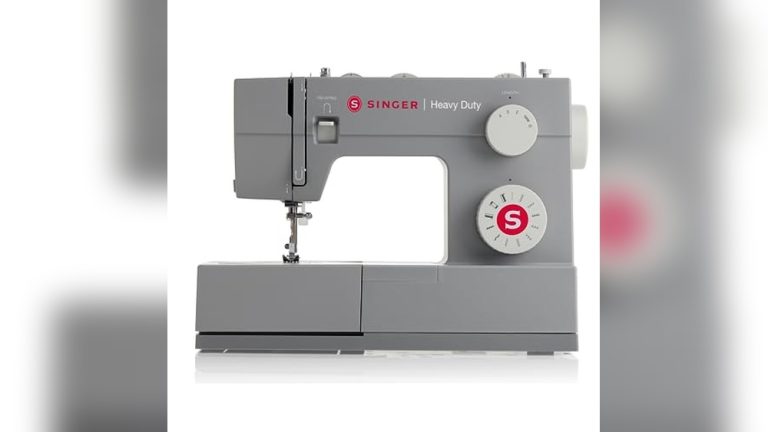
Mechanical sewing machines use manual controls. You turn knobs and dials to change settings. They are strong and last long. Perfect for basic sewing tasks and beginners. These machines are easy to fix and affordable.
Electronic Machines
Electronic machines have buttons and screens. They sew faster and offer many stitch options. These machines are good for more detailed work. They help save time and make sewing easier. Great for people who sew often.
Embroidery Machines
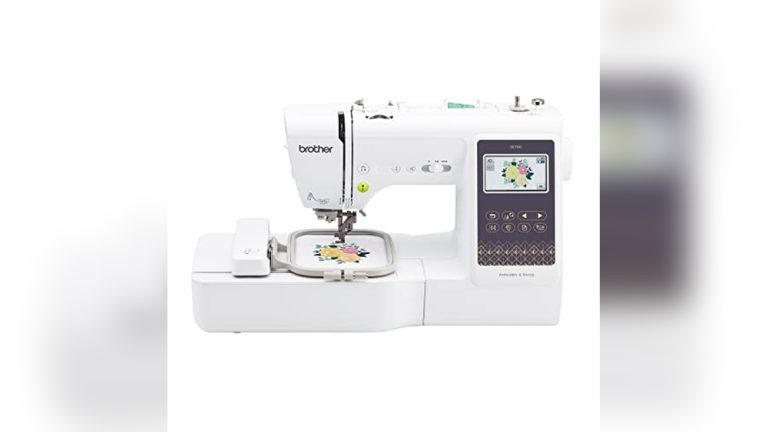
Embroidery machines create patterns and designs on fabric. They are perfect for decoration and personalization. These machines can be complex but produce beautiful results. Ideal for creative projects and crafts. They need space and careful handling.
Serger Machines
Serger machines cut fabric edges and sew seams. They make clothes look clean and professional. Sergers use multiple threads for strong stitching. Best for sewing stretchy or delicate fabrics. They speed up the finishing process.
Single Vs Multiple Machines
Choosing between a single sewing machine or multiple machines depends on your needs and space. Each option has its own strengths. Understanding these can help you decide what fits your sewing projects best.
Advantages Of One Machine
One sewing machine is simple and easy to manage. It saves space and keeps your workspace neat. You only need to learn one machine’s functions. This reduces confusion and speeds up your sewing. Maintenance is easier with just one machine. Costs stay low because you buy fewer supplies. Ideal for beginners or casual sewers who work on small projects.
Benefits Of Multiple Machines
Multiple machines allow you to do different tasks quickly. Use one for straight stitches, another for embroidery or quilting. Switch between machines without changing settings. Saves time and keeps your workflow steady. Good for advanced sewers or those with many projects. Helps avoid wear and tear on one machine. Offers more flexibility and creative freedom in your work.

Credit: www.seamwork.com
Budget Considerations
Budget is a key factor when choosing how many sewing machines to own. Costs add up fast with more machines. Planning your budget helps avoid surprises and stress. Think about all expenses, not just the price of the machine. Consider ongoing costs too.
Initial Investment
The price of each sewing machine varies widely. Basic models cost less but have fewer features. Advanced machines cost more but offer more options. Buying multiple machines means a bigger upfront cost. Decide how many machines fit your budget before buying.
Maintenance Costs
Sewing machines need regular care to work well. Cleaning, oiling, and occasional repairs cost money. More machines mean higher maintenance expenses. Keep machines in good shape to avoid big repair bills. Factor maintenance into your overall sewing budget.
Accessories And Attachments
Accessories add to the total cost of sewing. Needles, presser feet, and bobbins are common extras. Some machines require special parts or attachments. Buying extra tools for each machine increases spending. Plan accessory purchases to stay within budget.
Space And Storage Solutions
Space can limit how many sewing machines you keep at home. Finding good storage helps keep your machines safe and your workspace tidy. Small rooms or apartments need smart ideas to fit all your sewing tools. Using space well saves time and effort. It also helps protect your machines from dust and damage.
Good storage solutions make sewing more fun and less stressful. You spend less time searching and more time creating. Organizing machines by type or use keeps your work smooth and steady. Careful planning of space supports your sewing projects better.
Compact Machines For Small Spaces
Compact sewing machines are great for tiny rooms. They take less space on your table or shelf. Many models fold or come with cases for easy storage. Small machines still do many tasks like basic stitching and repairs. Choose one that fits your most common sewing needs.
Lightweight machines are easy to move and store. Keep them in cabinets, under beds, or on wall shelves. A small machine can be your main or backup sewing tool. It helps keep your sewing area neat and organized.
Organizing Multiple Machines
Use shelves or racks to keep several machines neat. Label each machine’s spot to find it fast. Use clear bins for accessories like needles and threads. Store machines in dust covers or cases to protect them. Group machines by use, such as quilting or embroidery.
Stack machines carefully to avoid damage. Keep heavier machines at the bottom. Use furniture with wheels for easy moving. This way, you can change your sewing space as needed. Good organization saves space and keeps machines ready for use.

Credit: embroideryhoopstore.com
Tips For Choosing The Right Number
Choosing how many sewing machines you need depends on several factors. It is not just about having many machines but having the right number. This helps save space, money, and time. The following tips guide you to decide the best number for your needs.
Assessing Your Sewing Goals
Think about what you want to sew most. Simple repairs need one machine. Complex projects may need more. Consider your skill level. Beginners usually need fewer machines. Experts might want machines for different tasks. Knowing your goals helps you pick the right count.
Evaluating Machine Features
Look at what each machine offers. Some machines do only straight stitching. Others include embroidery or quilting functions. Machines with many features can reduce the number you need. But they may cost more. Choose machines that fit your usual projects well.
Planning For Future Needs
Think about how your sewing might grow. You may want to try new styles or techniques. Buying a machine now for future use can save money later. Still, avoid buying too many machines at once. Start with what you need and add more over time.
Frequently Asked Questions
How Many Sewing Machines Does A Beginner Need?
Beginners usually need just one versatile sewing machine. A basic machine can handle most beginner projects. It’s best to invest in a quality machine with essential features to learn and grow your skills effectively.
When Should You Buy Multiple Sewing Machines?
Buy multiple machines if you work on diverse projects. Different machines specialize in tasks like embroidery, quilting, or heavy fabrics. Having separate machines saves time and improves efficiency for advanced or professional sewers.
Can One Sewing Machine Handle All Sewing Tasks?
Most modern machines handle basic sewing tasks well. However, specialized tasks like embroidery or heavy-duty sewing may require specific machines. One machine is enough for casual sewing, but enthusiasts benefit from multiple machines.
What Types Of Sewing Machines Complement Each Other?
A combination of a basic machine, an embroidery machine, and a serger works well. This mix covers general sewing, decorative stitches, and fabric finishing. It suits hobbyists who want versatility and professional results.
Conclusion
Choosing how many sewing machines to have depends on your needs. One machine can handle many tasks well. Some people like a second machine for different fabrics or projects. Think about your space, budget, and how often you sew. Quality matters more than quantity.
A good machine that fits your work style is best. Start small, then add if needed. Sewing stays fun when your tools match your goals. Keep it simple and enjoy creating.