How to Stop Sewing Machine from Bunching: Easy Fixes That Work
Are you tired of your sewing machine ruining your projects with those annoying bunches of thread? It’s frustrating when your carefully chosen fabric ends up looking messy and uneven.
But don’t worry—fixing thread bunching is easier than you think. In this post, you’ll discover simple, practical steps to stop your sewing machine from bunching thread, so your stitches come out smooth and professional every time. Keep reading, and you’ll be back to sewing with confidence in no time!

Credit: sewguide.com
Common Causes Of Bunching
Bunching is a common problem with sewing machines. It makes stitches look messy and fabric gather in unwanted ways. Understanding the main causes helps fix this issue quickly. Below are the top reasons your sewing machine may be bunching thread.
Thread Tension Issues
Thread tension controls how tight or loose the thread pulls. Too tight tension pulls thread and causes bunching. Too loose tension lets thread loop and tangle. Adjust tension slowly until stitches look even and flat. Check both upper thread and bobbin tension for balance.
Incorrect Bobbin Placement
The bobbin holds the lower thread. If placed wrong, the thread can snag or bunch. Make sure the bobbin spins in the right direction. It should sit smoothly without catching or slipping. Clean the bobbin case regularly to avoid buildup that causes thread jams.
Using The Wrong Needle
Needle size and type must match your fabric and thread. A needle too thick can damage fabric and cause bunching. A needle too thin can break or skip stitches. Change needles often and choose the right one for each project. Sharp needles give cleaner stitches.
Poor Quality Thread
Cheap thread breaks easily and creates lint inside the machine. This leads to uneven stitches and bunching. Use good quality thread designed for your fabric type. Smooth thread flows better and keeps tension steady. Store thread in a dry place to avoid damage.
Machine Timing Problems
Timing controls how the needle and bobbin hook work together. If timing is off, thread loops and bunches appear. Signs include skipped stitches and thread jams. Timing problems need professional repair. Regular machine maintenance prevents timing issues and keeps sewing smooth.
Adjusting Thread Tension
Adjusting thread tension is key to stop your sewing machine from bunching. Proper tension makes stitches even and smooth. Too tight or too loose tension causes thread loops or puckers. Learning to adjust tension helps you sew better and avoid frustration.
Locating The Tension Dial
The tension dial controls the tightness of the upper thread. Find it on the front or top of your machine. It usually has numbers from 0 to 9. Lower numbers mean looser tension, higher numbers mean tighter tension. Start with the middle number as a base.
Testing Tension Settings
Test your tension on a fabric scrap before sewing your project. Sew a few stitches and look closely at the thread. If the upper thread loops under the fabric, the tension is too loose. If the fabric puckers or the thread breaks, the tension is too tight. Adjust the dial little by little until the stitch looks balanced.
Balancing Upper And Lower Threads
Your machine’s bobbin thread also affects stitch quality. The upper and lower threads must balance each other. Check the bobbin thread is wound evenly and placed correctly. Pull both threads gently; they should feel the same tightness. Adjust the upper tension dial if needed to get perfect balance. Balanced threads create neat, strong stitches without bunching.
Correct Bobbin Setup
Correct bobbin setup is key to stop sewing machine bunching. The bobbin holds the lower thread that works with the top thread to form stitches. If the bobbin is not wound, inserted, or cleaned properly, threads can tangle and bunch up. Taking time to set the bobbin right helps sewing run smooth and neat.
Proper Bobbin Winding
Start by winding the bobbin evenly. Place the thread on the spool pin. Guide the thread through the bobbin winder tension disc. Press the foot pedal or start button to wind the bobbin. Stop when the bobbin is full but not tight. Uneven or loose winding causes thread jams and bunching.
Inserting The Bobbin Correctly
Open the bobbin case carefully. Drop the bobbin in with the thread running in the right direction. Pull the thread through the slot and under the tension spring. Close the bobbin case properly. Wrong insertion makes the thread pull too tight or loose, causing bunching.
Cleaning The Bobbin Case
Remove lint and dust from the bobbin case often. Use a small brush or soft cloth. Check for thread bits stuck inside. Dirt buildup affects tension and smooth thread flow. Clean bobbin cases keep stitching even and prevent thread bunching.
Choosing The Right Needle And Thread
Choosing the right needle and thread is key to stop your sewing machine from bunching. The needle and thread must match the fabric. This helps the machine sew smoothly without tangles or jams. Using the wrong needle or thread causes loops and knots under the fabric. This wastes time and thread. It also ruins your project.
Matching Needle Size To Fabric
Needles come in different sizes for different fabrics. Thin fabrics need small needles. Thick fabrics need larger needles. A small needle in thick fabric bends or breaks. A large needle in thin fabric makes big holes. Check the fabric label or test on a scrap piece. Choose a needle size that slides easily through the fabric.
Selecting Thread Type And Quality
Thread type changes how the machine sews. Cotton thread works well on cotton fabric. Polyester thread is strong and stretches with fabric. Use good quality thread to avoid lint build-up and breakage. Cheap thread is rough and uneven. It causes tension problems and bunching. Always pick thread that matches your fabric and sewing project.
Maintaining Your Sewing Machine
Maintaining your sewing machine keeps it working smoothly. It helps prevent common problems like thread bunching. Regular care saves time and money. It also improves the quality of your stitches.
Regular Cleaning And Oil
Dust and lint build up inside your machine. Clean the bobbin area and feed dogs often. Use a small brush or vacuum for this. Apply sewing machine oil to moving parts. Follow your machine’s manual for the right oil spots. This reduces friction and stops thread from bunching.
Checking Machine Timing
Timing controls how the needle and bobbin work together. Wrong timing causes thread loops and bunches. You can check timing by watching the needle and hook. They must move in sync. Adjusting timing needs skill. If unsure, avoid forcing parts.
When To Seek Professional Help
Some problems need expert care. If cleaning and oiling don’t stop bunching, call a technician. Serious issues like timing or tension need special tools. Professionals fix these safely. Regular check-ups keep your machine in top shape.

Credit: www.thesprucecrafts.com
Quick Fixes For Immediate Results
Dealing with bunching in your sewing machine can be frustrating. Quick fixes help you get back to sewing fast. These simple steps often solve the problem without extra tools or parts. Try these tips to stop thread bunching right away.
Re-threading The Machine
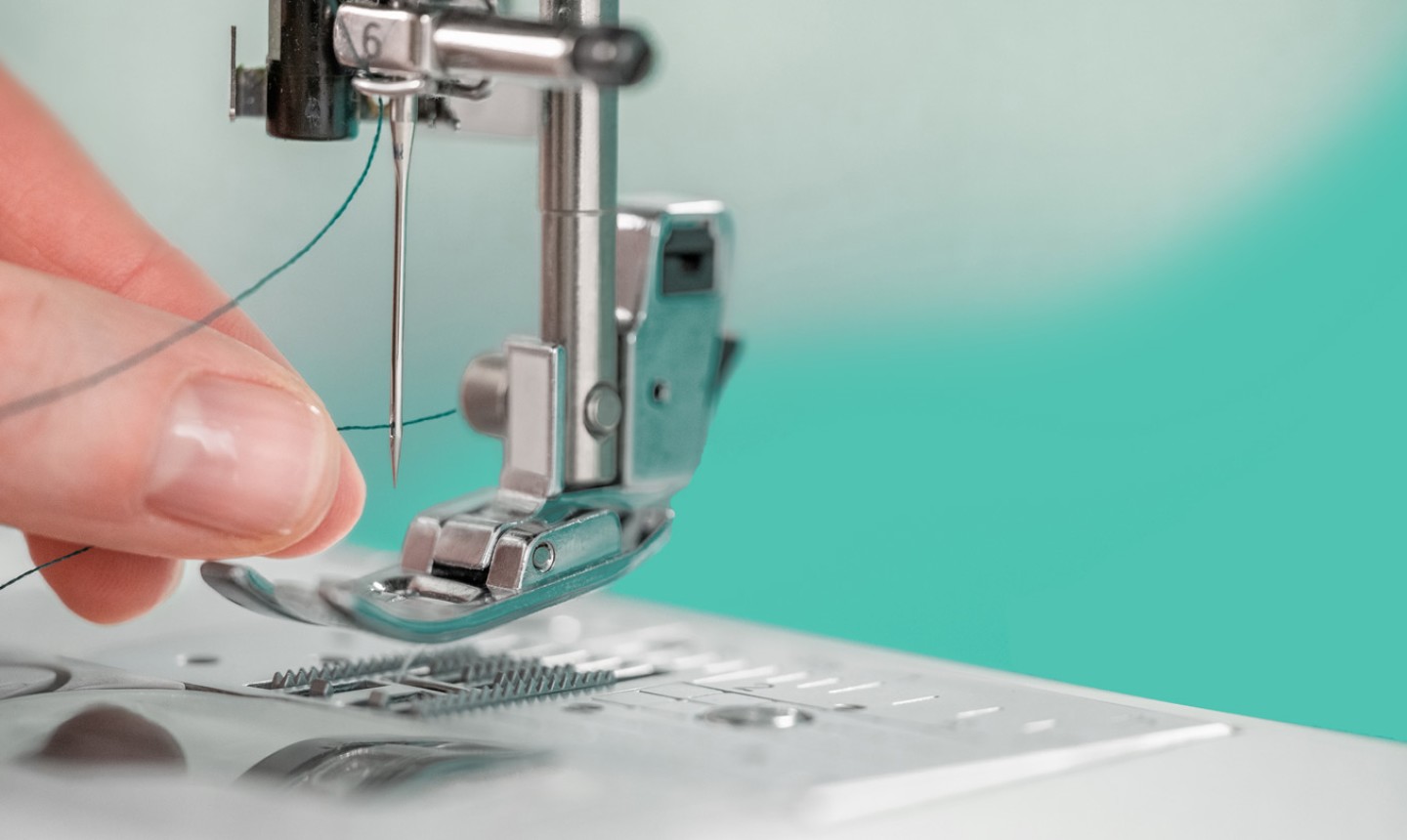
Incorrect threading often causes thread bunching. Take out the thread completely. Follow the threading path carefully from spool to needle. Make sure the thread passes through all guides and tension discs. Pull the thread gently to check it moves smoothly. A fresh thread can also help if your old one is tangled.
Adjusting Stitch Length
Stitch length affects thread tension and fabric feeding. Short stitches sometimes cause bunching, especially on thick fabrics. Increase the stitch length slightly to allow better fabric movement. Test on a scrap piece before sewing your project. Adjust until stitches look even and smooth.
Using Stabilizers For Delicate Fabrics
Thin and delicate fabrics can bunch easily during sewing. Use a stabilizer underneath to give extra support. Tear-away or wash-away stabilizers work well for light fabrics. This extra layer keeps fabric flat and stops thread from pulling. Remove the stabilizer after sewing for a clean finish.
Credit: www.craftsy.com
Frequently Asked Questions
Why Does My Sewing Machine Thread Keep Bunching?
Thread bunching often occurs due to incorrect threading or tension issues. Check the upper thread path and bobbin placement. Adjust the tension settings gradually until the stitches become even and smooth. Clean the machine regularly to avoid lint buildup that causes thread tangling.
How Can I Fix Bobbin Thread Bunching Problems?
Ensure the bobbin is wound evenly and inserted correctly. Use the right bobbin type for your machine. Clean the bobbin case to remove lint or debris. Adjust the bobbin tension if necessary, but do it carefully to avoid overly tight or loose stitches.
What Tension Setting Prevents Sewing Machine Bunching?
Use a balanced tension setting where the top and bobbin threads lock in the fabric’s middle. Start with the manufacturer’s recommended tension and make small adjustments. Test on scrap fabric before sewing your project to avoid thread loops or bunching.
Can Using Wrong Thread Cause Bunching On Machine?
Yes, using thread that is too thick, thin, or low quality can cause bunching. Always use thread compatible with your fabric and machine. Poor-quality thread may break or fray, leading to tangles and uneven stitching.
Conclusion
Fixing bunching in your sewing machine takes patience and care. Check your thread tension and use the right needle. Make sure fabric feeds smoothly under the presser foot. Clean your machine often to keep it running well. Practice with scrap fabric before starting your project.
Small adjustments can stop the thread from bunching up. Keep these tips in mind for better sewing results. Sewing can be fun and smooth with the right steps. Don’t give up—each fix brings you closer to perfect stitches.