How Much is Industrial Sewing Machine Cost: Ultimate Price Guide 2026
Are you thinking about buying an industrial sewing machine but unsure how much it will cost? Knowing the price upfront can save you time and help you make the right choice for your budget.
Whether you’re starting a small business or upgrading your equipment, understanding the factors that affect the cost is key. You’ll discover the real price range of industrial sewing machines and what influences those numbers. By the end, you’ll feel confident about investing in a machine that fits both your needs and your wallet.
Keep reading to find out exactly what to expect!
Price Range Of Industrial Sewing Machines
Industrial sewing machines come in many price ranges. Each range fits different needs and budgets. Knowing the cost helps choose the best machine for your work. Prices depend on features, brand, and machine type.
Some machines suit beginners. Others meet the demands of busy factories. High-end models offer advanced functions for heavy use. This section explains the price ranges of industrial sewing machines.
Entry-level Models
Entry-level industrial sewing machines cost between $300 and $800. These machines are good for small projects and light materials. They have basic features and simple controls. Ideal for beginners or occasional use.
They run well but may not handle thick fabrics well. Maintenance is usually easy and parts are affordable. These models are a good start for small workshops.
Mid-range Options
Mid-range machines cost from $800 to $2,500. These machines work faster and last longer. They offer more features like automatic threading and stitch adjustment. Suitable for medium-sized businesses or regular use.
They handle thicker fabrics and more sewing types. These machines balance price and performance well. Many professionals prefer mid-range options for daily work.
High-end Machines
High-end industrial sewing machines can cost $2,500 and up. These models include advanced technology and heavy-duty parts. They sew very fast and support complex stitching patterns.
Designed for large factories or continuous use. They reduce downtime and increase productivity. These machines often come with warranties and expert support.
Factors Influencing Cost
The cost of an industrial sewing machine varies widely. Several key factors affect the price. Knowing these helps buyers choose the right machine for their needs and budget.
Brand And Manufacturer
Trusted brands often charge more. They offer reliable machines with good support. Lesser-known brands may sell cheaper machines. But they might lack durability and service options. Brand reputation plays a big role in pricing.
Machine Features And Capabilities
Basic models cost less. Machines with extra features like multiple stitch types or heavy-duty sewing cost more. Features that improve speed, precision, or ease of use raise the price. Buyers pay for what they need.
Build Quality And Durability
Strong, well-built machines last longer. They use high-quality parts and materials. Such machines often come at a higher price. Cheaper machines may break down faster. Durability matters for heavy industrial use.
Technology And Automation
Modern machines include automated functions. Features like automatic thread trimming or programmable stitches add cost. Automation saves time and reduces errors. More technology means a higher price tag.
Types Of Industrial Sewing Machines
Industrial sewing machines come in many types. Each type fits different needs and tasks. Knowing these types helps you pick the right machine for your work.
These machines are built to handle tough fabrics and long hours. They offer power and speed that regular machines do not. Different machines serve different sewing styles and projects.
Single Needle Machines
Single needle machines are the most common type. They use one needle to create straight stitches. These machines work well for simple sewing tasks.
They handle thick and thin fabrics with ease. Most factories use them for stitching clothes and bags. Their cost varies depending on features and brand.
Multi-needle Machines
Multi-needle machines have two or more needles. They create multiple lines of stitching at once. This saves time and improves sewing speed.
They are ideal for decorative stitching and embroidery. These machines work well in textile factories and upholstery shops. Prices usually increase with more needles and functions.
Overlock And Coverstitch Machines
Overlock machines cut fabric edges while sewing. They prevent fraying and give neat finishes. Coverstitch machines create strong, flexible seams.
Both types are common in garment production. Overlock machines work well for stretchy fabrics. Coverstitch machines help finish hems and collars. Their cost depends on brand and stitch capabilities.
Specialty Machines
Specialty machines serve specific sewing needs. Examples include buttonhole, embroidery, and leather machines. They often have unique features for precise tasks.
These machines are more expensive due to their special functions. Businesses choose them for high-quality or complex sewing work. They improve productivity in niche markets.
Additional Costs To Consider
Buying an industrial sewing machine involves more than just the price tag. There are extra costs you must plan for. These costs can affect your budget over time. Knowing them helps you avoid surprises and keep your machine running well.
Maintenance And Repairs
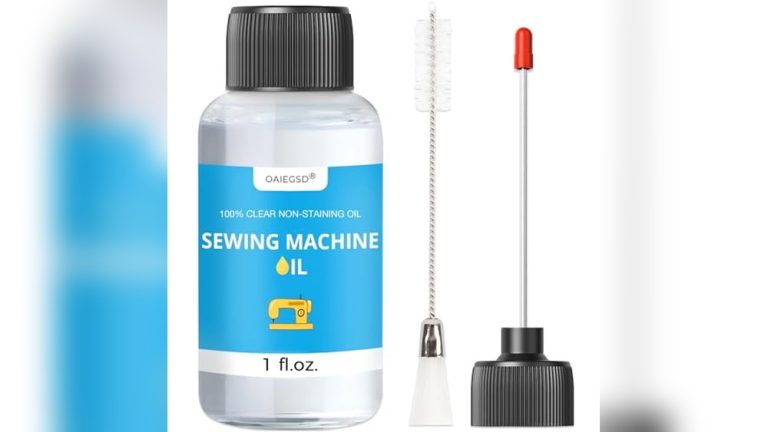
Industrial sewing machines need regular care. Oil, cleaning, and part checks keep them working smoothly. Sometimes parts wear out and need replacing. Repair costs vary but can add up. Setting aside money for maintenance saves trouble later.
Accessories And Attachments
Machines often need extra tools to work best. Feet, bobbins, needles, and guides are common accessories. Some jobs need special attachments for different fabrics or stitches. These extras improve machine use but cost extra. Buying the right accessories helps improve your work quality.
Training And Support
Learning to use an industrial sewing machine takes time. Training courses or manuals can help you start fast. Some sellers offer support or tutorials for new users. Investing in training reduces mistakes and increases efficiency. Support services might cost extra but are worth it.
Where To Buy Industrial Sewing Machines
Finding the right place to buy an industrial sewing machine matters. It affects price, service, and machine quality. Choose carefully to get the best value for your money.
Several options exist for buying these machines. Each has pros and cons depending on needs and budget.
Authorized Dealers
Authorized dealers sell new machines directly from the brand. They offer warranty and official support. You get expert advice and training. Prices may be higher but the service is reliable. Dealers often have the latest models in stock.
Online Marketplaces
Online marketplaces have many industrial sewing machines. They offer competitive prices and fast delivery. Buyer reviews help choose trusted sellers. Check return policies before buying. Machines may be new or used. Look for detailed product descriptions and photos.
Used And Refurbished Machines
Used machines cost less than new ones. Refurbished machines are repaired and tested. This option suits tight budgets or small projects. Inspect machines carefully or ask for a demo. Warranty may be limited or unavailable. Buying local helps check condition in person.
Tips For Getting The Best Value
Finding the right industrial sewing machine means balancing cost and quality. Smart buying saves money and ensures long-term use. Use these tips to get the best value for your investment.
Comparing Models And Prices
Check different brands and models before deciding. Prices vary based on features and power. Choose a machine that fits your specific needs. Avoid paying for extra features you won’t use. Compare prices from several stores or websites. This helps spot the best deals and avoid overpaying.
Negotiating With Sellers
Don’t hesitate to ask for a lower price. Sellers may offer discounts, especially on floor models or older stock. Be polite and clear about your budget. Sometimes, bundling accessories can lower overall cost. Negotiation can save you a good amount. It never hurts to try and ask.
Warranty And Service Plans
Check warranty length and what it covers. A good warranty protects your investment from defects. Service plans can cover repairs and maintenance. These plans reduce repair costs later. Look for machines with easy access to spare parts. This keeps your machine running longer without extra costs.
Frequently Asked Questions
What Factors Affect The Cost Of Industrial Sewing Machines?
The cost depends on brand, machine type, features, and build quality. More advanced models with automation cost higher. Basic models are affordable but have fewer functions. Additional attachments and warranty also impact pricing. Location and supplier influence final costs as well.
How Much Does A Basic Industrial Sewing Machine Cost?
Basic industrial sewing machines typically range from $500 to $1,500. These machines handle standard fabrics and simple stitching tasks. They are suitable for small businesses or beginners needing reliable performance without advanced features.
Are Computerized Industrial Sewing Machines More Expensive?
Yes, computerized models usually cost $2,000 to $10,000 or more. They offer automation, precision, and multiple stitch options. These machines improve efficiency and reduce manual errors, justifying their higher price for professional use.
Can Used Industrial Sewing Machines Save Money?
Used machines can cost 30% to 50% less than new ones. However, their condition varies, so inspect carefully before buying. Used machines may lack warranty but offer good value if maintained properly.
Conclusion
Industrial sewing machine costs vary by brand and features. Basic models cost less but offer fewer functions. Advanced machines have higher prices but improve work speed. Consider your budget and sewing needs before buying. Investing in a reliable machine saves money over time.
Check prices from different sellers to find the best deal. Remember, quality and durability matter most for long-term use. Choose a machine that fits your project requirements well. This helps you work efficiently and comfortably every day.