How Much Is a 70 Year Old Singer Sewing Machine Worth?
A 70-year-old Singer sewing machine is typically worth $40 to $250 in average used condition, with rare models and pristine examples reaching $400 to $1,200 or more. Most machines from the mid-1950s fall into the lower half of that range. The exact number depends on the model, the condition, and whether you have the original cabinet, manual, and attachments.
Key Takeaways
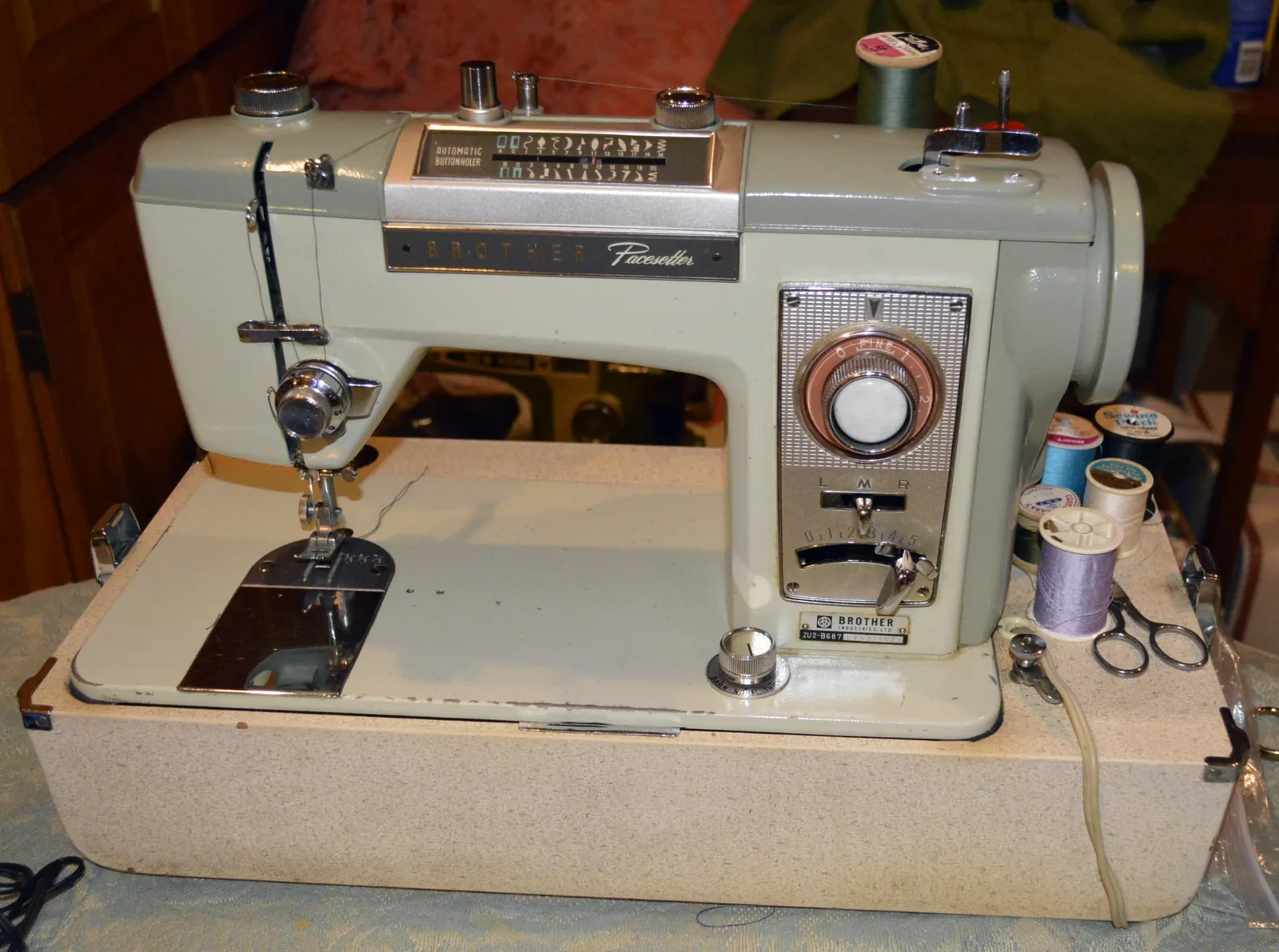
- Featherweights command the most. Singer 221 and 222 models routinely sell for $250–$700, and mint examples with cases top $1,000.
- Most other 1950s Singers sell for $40–$150. Common 15-class, 66-class, and 99-class machines are sturdy but not rare.
- Condition beats age every time. Rust, missing parts, and a seized motor can cut value by 50–80%.
- Original accessories add real money. A complete attachment set, manual, and cabinet can add $50–$200.
- Test before you price. A machine that stitches smoothly is worth two to three times one that doesn’t.
- Where you sell matters. eBay and Etsy reach collectors; local marketplaces and estate sales usually bring less.
What Determines a Vintage Singer’s Value
Five factors drive nearly every appraisal: model number, condition, completeness, rarity, and demand. Age alone means almost nothing — Singer made millions of machines, and a 70-year-old common model isn’t automatically valuable.
The model number is stamped on a small plate on the machine’s base, usually near the right side. Cross-reference it with the serial number to confirm the year of manufacture. Singer’s own records let you date a machine to the month.
Condition covers three separate systems: the motor and wiring, the mechanical movement (gears, bobbin winder, tension assembly), and the cosmetics (paint, decals, chrome). A machine can look beautiful and still be mechanically dead, or look scuffed and sew perfectly. Buyers weigh mechanics more heavily than appearance.
The Singer Models That Actually Sell High
Not all vintage Singers are equal. Here’s where the money sits.
| Model | Nickname / Type | Typical Value (Average Condition) | Top Value (Excellent, Complete) |
|---|---|---|---|
| Singer 221 | Featherweight | $250–$450 | $700–$1,200 |
| Singer 222 | Featherweight (free arm) | $400–$700 | $1,000–$1,800 |
| Singer 301 | Slant-needle portable | $150–$300 | $400–$600 |
| Singer 201 | Gear-driven, “best stitch” | $100–$250 | $350–$500 |
| Singer 15-91 | Classic treadle-era workhorse | $60–$150 | $200–$300 |
| Singer 66 / 99 | Common domestic models | $40–$120 | $150–$250 |
| Singer 401 / 500 | Slant-o-Matic | $80–$200 | $300–$450 |
If your machine is a 15-class, 66-class, or 99-class in average shape, expect the lower end. These were built in enormous numbers and remain easy to find.
Pro Tip: The Featherweight’s value comes from portability and a devoted quilting market, not from age. A 1953 Featherweight is worth more than a 1920s treadle in most sales.
How Condition Changes the Price
Condition is where most owners overestimate. Use this as a rough multiplier on the base value.
| Condition | Description | Value vs. Base |
|---|---|---|
| Excellent | Sews smoothly, original finish intact, complete accessories | 100–150% |
| Good | Sews with minor adjustment, light wear, most accessories | 70–100% |
| Fair | Needs servicing, some rust or missing parts | 40–70% |
| Poor | Seized, heavy rust, motor dead, missing major parts | 10–40% |
| Parts only | Not repairable economically | 5–15% |
A seized machine isn’t worthless — Featherweight parts sell steadily — but a common model in poor shape may only bring $15–$40.
Warning: Never plug in a machine that has been stored in a damp garage or attic without having the wiring inspected. Old cloth-insulated cords crack and short, and that’s a fire risk, not just a repair bill.
Does the Cabinet or Case Add Value?
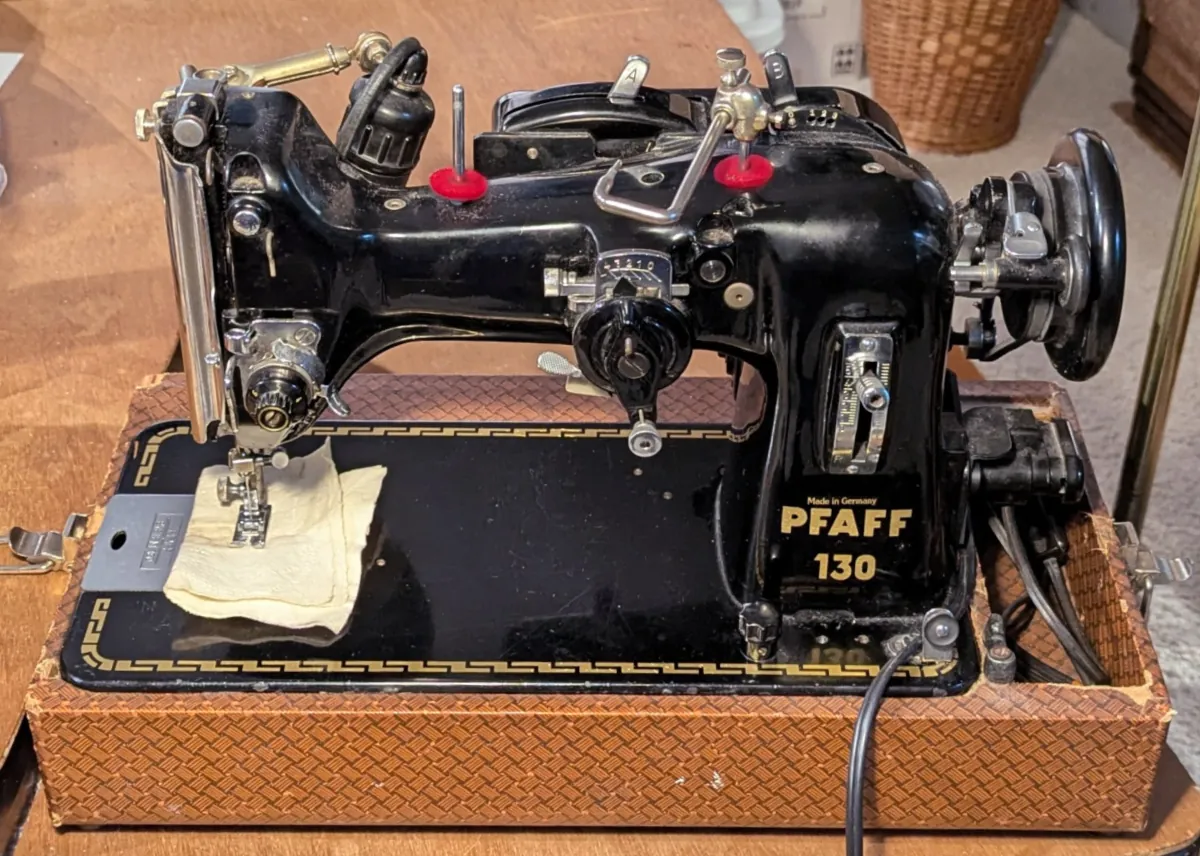
Yes, often $50–$200, but only if it matches the machine and is in solid shape.
- Bentwood or treadle cabinets in good finish: $75–$250 on their own
- Original Featherweight hard cases with intact latches: $80–$200
- Cardboard or damaged cases: little to no added value
- Sewing tables with the machine built in (Singer 600-series style): $100–$300 complete
A cabinet with water damage, missing drawers, or a broken treadle mechanism can actually reduce appeal, because buyers factor in restoration cost.
Attachments, Manuals, and Original Boxes
Paper and small metal parts punch above their weight.
- Complete attachment sets in the original tin: $40–$120
- Original instruction manual: $10–$35
- Original box or packaging: adds 10–20% for collector models
- Singer buttonholer attachment: $25–$60
- Rare specialty feet (hemstitching, ruffler, binder): $15–$50 each
Collectors pay for completeness. A Featherweight with its manual, attachment tin, and original case can sell for 30% more than the same machine bare.
How to Test and Price a 70-Year-Old Singer Sewing Machine
Follow these steps before you list or appraise anything.
- Find the model and serial number. Check the plate on the base and the stamped number near the handwheel.
- Date it. Singer’s serial number records are published and searchable.
- Inspect the wiring. Look for cracked insulation, exposed wire, or a brittle plug.
- Turn the handwheel by hand. It should rotate smoothly with no grinding or locking.
- Check the bobbin winder and tension dial. These are the most common failure points.
- Photograph everything. Model plate, decals, motor, case, accessories, and any flaws.
- Search sold listings, not asking prices. Filter for “sold” on eBay and check the last 90 days.
Asking prices are fantasy; sold prices are evidence. This single habit prevents the most common pricing mistake.
Where to Sell for the Best Price
| Venue | Best For | Typical Result |
|---|---|---|
| eBay (sold listings as guide) | Featherweights, rare models, parts | Highest reach, fees apply |
| Etsy | Restored, photogenic machines | Strong for Featherweights |
| Facebook Marketplace | Local pickup, cabinets, treadles | Fast, lower prices |
| Estate sales / auction | Bulk liquidation | 40–60% of retail |
| Sewing machine dealers | Convenience, no shipping | 30–50% of retail |
| Quilting guilds and forums | Featherweights specifically | Fair prices, informed buyers |
Shipping a full-size machine with a cabinet is expensive and risky. Local pickup often nets more than a low online bid after packing and freight.
Pro Tip: If your machine is a Featherweight, list it in quilting-specific communities before anywhere else. That audience knows the value and pays accordingly.
When to Restore and When to Sell As-Is

Professional servicing typically runs $75–$150. That math only works if the machine’s restored value exceeds its as-is value plus the service cost.
- Restore if it’s a Featherweight, 301, or 201 with good cosmetics and a complete accessory set.
- Sell as-is if it’s a common 15, 66, or 99 with mechanical problems.
- Part it out only if the machine is genuinely beyond repair and the model has demand for components.
Cleaning with mild soap and a soft cloth is fine. Avoid abrasive polishes on decals — they strip the finish and cut value.
Frequently Asked Questions
How much is a 70-year-old Singer sewing machine worth?
Most 1950s Singers in average condition sell for $40–$250. Featherweights (models 221 and 222) run $250–$1,200 depending on condition and completeness. Common 15-class, 66-class, and 99-class machines sit at the low end because so many survive.
Are old Singer sewing machines collectible?
Yes, but selectively. The Featherweight has a large, active collector and quilter market. Slant-needle models like the 301 and 401 also hold interest. Mass-produced domestic models are usable and sturdy but rarely appreciate.
How do I find my Singer’s model and age?
Look for the model number on a plate on the machine’s base, and the serial number stamped near the handwheel or on a separate plate. Singer’s published serial number records let you date the machine to the year, sometimes the month.
Is a treadle machine worth more than an electric one?
Usually not. Treadle machines are heavy, hard to ship, and appeal to a narrower buyer pool. A complete treadle in good working order might bring $100–$300, while an equivalent electric Featherweight can bring several times that.
Should I repair my vintage Singer before selling?
Only if the repair cost is less than the value it adds. Servicing runs $75–$150. On a Featherweight or 301, that’s usually worth it. On a common 66 in fair shape, you’ll likely lose money.
Do old sewing machines sell on eBay or locally?
Both work, but for different machines. Rare and portable models do best on eBay or Etsy, where national collectors bid. Cabinets, treadles, and heavy machines sell better locally through Facebook Marketplace or estate sales, avoiding freight costs.
What to Do Next
Photograph your machine’s model plate, serial number, and overall condition, then search eBay’s sold listings for that exact model over the past 90 days. Write down the middle of that range, adjust for your machine’s condition and accessories, and you’ll have a defensible price within an hour. If the number surprises you — high or low — get a second opinion from a local sewing machine dealer before you sell.