Singer or a Brother Sewing Machine: Which One to Pick
If you sew heavy fabrics or want a machine that lasts decades, pick Singer; if you need quiet stitching, easy threading and modern features out of the box, pick Brother. The choice between a singer or a brother sewing machine comes down to what you’ll actually put under the needle. Heavy denim and leather need a metal frame and raw power. Light cottons and quick crafts run better on a quieter, computerized setup.
Why Singer and Brother machines feel different
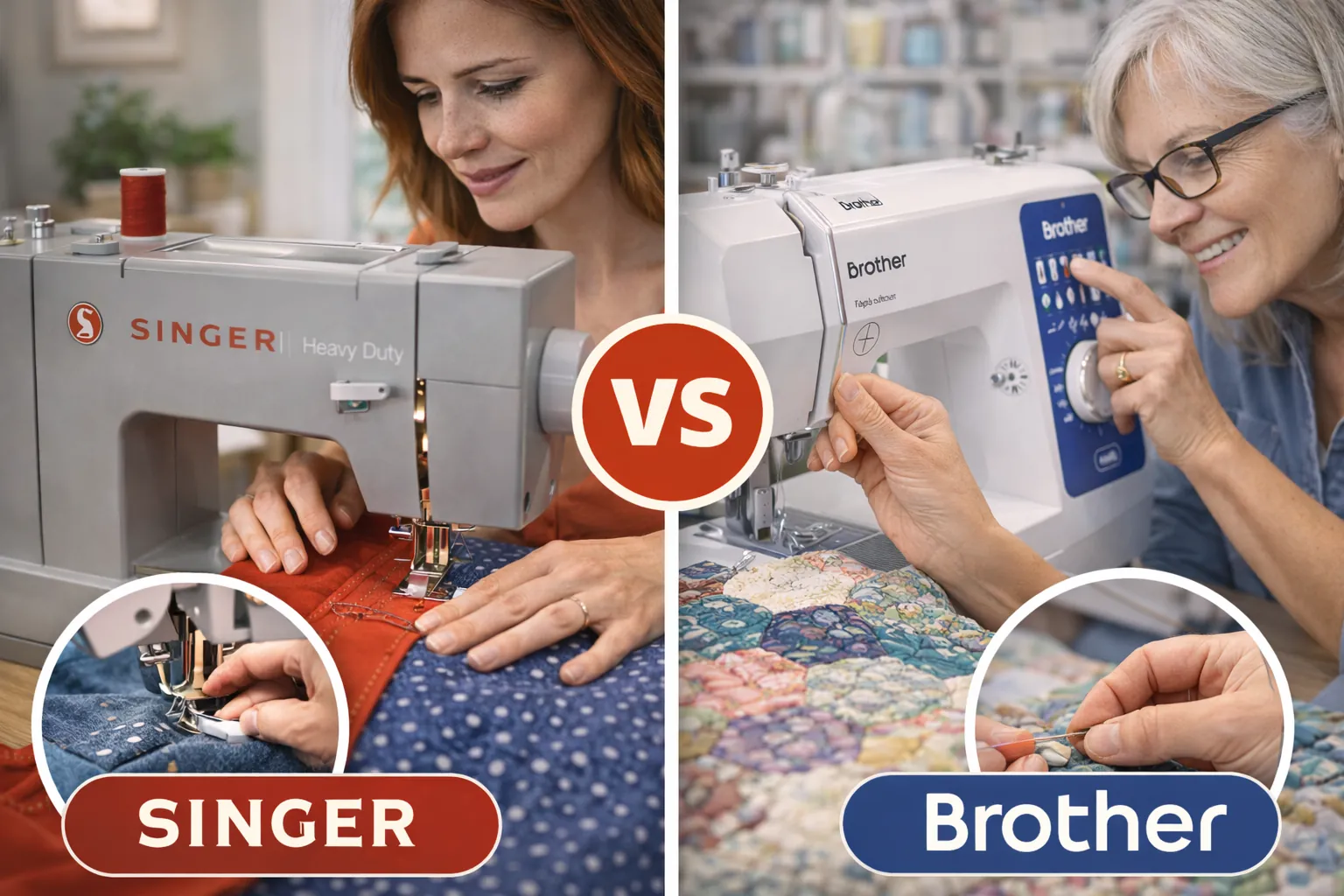
Singer builds its name on mechanical strength and long history. Their heavy-duty line uses metal frames that handle thick layers without stalling. You’ll feel the weight when you lift one, and that mass keeps the machine steady during fast sewing.
Brother focuses on convenience and technology. Their computerized models give you automatic needle threaders, speed sliders and hundreds of built-in stitches right away. They’re lighter, which matters if you carry yours to classes or sewing groups.
| Feature | Singer focus | Brother focus |
|---|---|---|
| Frame build | Metal, heavier | Plastic or mixed, lighter |
| Best fabric type | Denim, canvas, leather | Cotton, knits, light blends |
| Stitch selection | Fewer, mechanical dials | Hundreds, digital screens |
| Threading system | Manual path | Automatic needle threader |
| Noise level | Louder motor | Quieter operation |
| Repair access | Widely available parts | More sealed electronics |
The trade-off is simple: durability costs you convenience, and lightness costs you raw piercing power. Pick the side your projects lean toward.
Metal frames handle thick fabric better
Singer’s Heavy Duty series, like the 4423, uses an internal metal skeleton that doesn’t flex when you push denim through it. That rigidity stops skipped stitches because the needle bar stays perfectly aligned under pressure. A plastic housing bends just enough to throw off timing on thick seams.
To check this yourself, try pushing four layers of denim under the presser foot while turning the handwheel slowly. If the wheel resists hard or the needle deflects sideways, the frame lacks the stiffness for heavy work. Singer’s heavy-duty models push through that stack smoothly at their rated top speed of 1,100 stitches per minute.
Don’t guess the motor’s strength from the outside shell alone.
Fixing a timing issue caused by forcing thick fabric through a weak frame takes hours of technician labor. It costs as much as a basic new machine. Give yourself ten minutes with scrap denim at the store to confirm the frame handles your thickest material. If you only sew quilting cotton or mend shirts, this extra weight just tires out your arms for no benefit.
Computerized controls make daily sewing easier
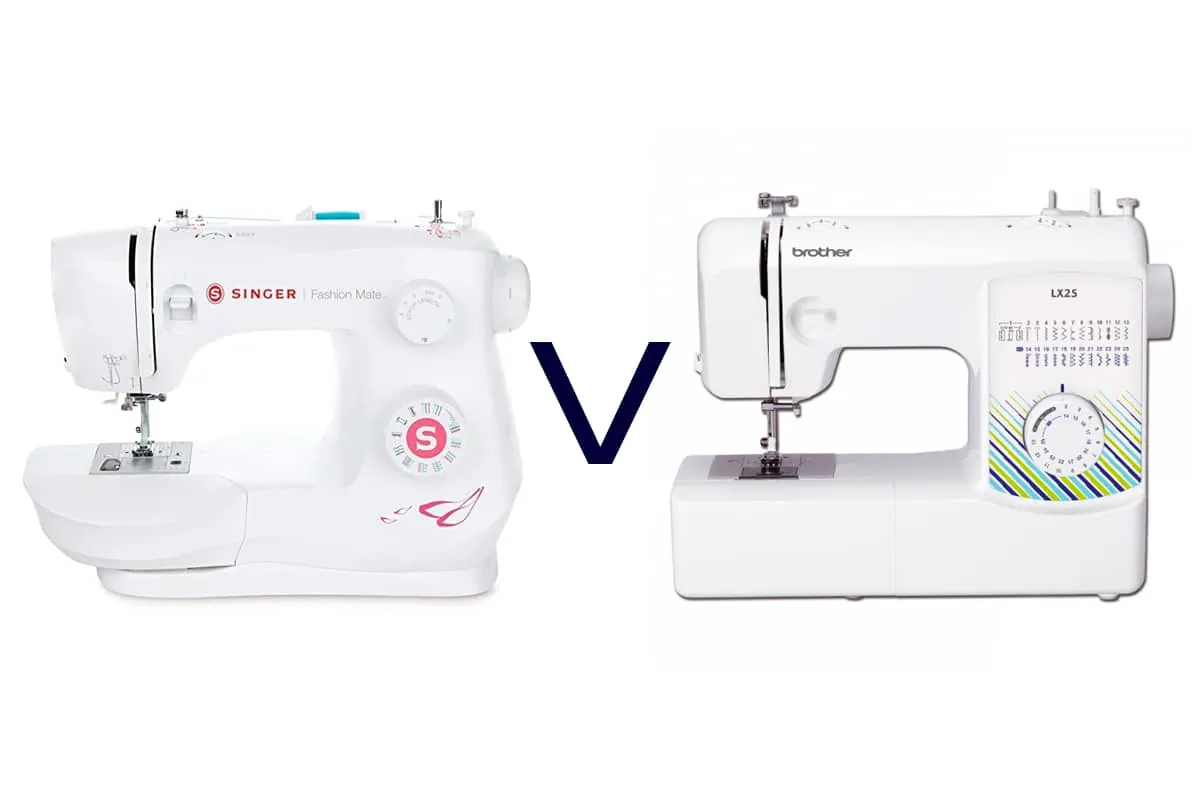
Brother machines, such as the CS7000X, use electronic boards to control stitch length, width and tension automatically. This removes the guesswork of turning manual dials until the seam looks right. You tell the difference immediately: Brother gives you a screen and buttons, while Singer usually gives you painted numbers on a wheel.
Test it by selecting a zigzag stitch and changing the width three times in a row. On a computerized Brother, you tap a button and the change happens instantly. On a mechanical dial, you turn, sew a test line, measure it, and turn again. That repeated testing eats up twenty minutes every time you switch projects.
The limit here is repair complexity. When a mechanical dial breaks, you replace a small plastic gear. When a circuit board fails, you replace the whole electronic module, which costs nearly as much as the machine itself. If your nearest authorized service center is far away, a computerized model becomes a riskier purchase. Brother lists their authorized service centers on their support site, so check your zip code first.
This path isn’t for someone who sews once a month to hem pants. Buying a computerized machine for occasional straight stitching means paying for features that sit idle while the electronics age.
Bobbin systems change how fast you thread
Brother almost always uses a drop-in top bobbin. You just drop the wound spool into a clear case and pull the thread through a slit. Singer’s traditional models often use a front-loading bobbin hidden inside a metal case beneath the needle plate.
To see which you prefer, time yourself rethreading both styles. A drop-in bobbin takes about five seconds. A front-loading case requires removing the accessory tray, pulling out the metal holder, inserting the spool, replacing the holder, and closing the tray. That sequence takes closer to thirty seconds.
Rushing the front-loading step causes the most common threading failure. People drop the bobbin in backward because they can’t see the arrow inside the dark case. The machine then jams on the very first stitch, leaving a tangled bird’s nest underneath that takes fifteen minutes to cut free. Always watch the thread direction arrow printed on the plastic before snapping the cover shut.
Drop-in bobbins also let you see how much thread remains through the clear cover. Front loaders hide the spool entirely, so you run out mid-seam unless you remember to check. If you sew large projects like curtains where running out ruins a long seam, the visible drop-in style saves you from guessing.
Other reasons a sewing machine might disappoint
- Wrong needle size: Using a universal 80/12 needle on lightweight silk causes puckering; match the needle number to your fabric weight.
- Dust in the feed dogs: Lint packed between the metal teeth stops fabric from moving forward evenly; brush it out after every project.
- Tension disk wear: Thread shredding before it reaches the needle means the metal disks have grooved; a technician must polish or replace them.
- Motor capacitor failure: If the machine hums but won’t spin, the capacitor may be dead; don’t open the motor housing yourself, so take it to a certified repair shop.
- Software glitches: Computerized screens freezing require a hard reset by unplugging for sixty seconds; if it repeats, the mainboard needs professional replacement.
What fixing these machines actually takes

Mechanical repairs on Singer models usually mean swapping belts, gears or needles. You need a small screwdriver set and about thirty minutes for basic fixes. The cost sits lower than a yearly tune-up at a local shop.
Electronic issues on Brother machines demand more caution. Replacing a screen or sensor involves ribbon cables you can easily tear. You’ll spend less time, maybe fifteen minutes, but the replacement part costs as much as several spools of quality thread multiplied together.
Getting a real quote means calling a repair shop with the exact model number printed on the machine’s back sticker, stating the model and symptom clearly rather than describing it vaguely, and asking if they stock the part; labor rates change by city, so a phone call is the only way to know what you’ll actually pay before hauling the machine across town.
Frequently asked questions
Can I sew leather on a Brother machine?
No, not thick leather. Brother’s standard home models lack the piercing force for heavy garment leather. You’ll bend needles and stall the motor. Singer’s Heavy Duty line handles it better, but true upholstery leather still needs an industrial walking-foot machine. Check your machine’s manual for maximum fabric thickness limits.
Why does my Singer skip stitches?
Skipped stitches happen when the needle misses the bobbin thread loop. A bent needle causes this most often. Replace it with the exact size meant for your fabric. If a fresh needle doesn’t fix it, the machine’s timing has slipped, which requires a technician’s tools to reset properly.
How long do Brother sewing machines last?
A sewing machine used weekly can last a long time if you keep lint out of the bobbin area. Electronic components age faster than mechanical ones. Machines stored in humid rooms fail sooner due to circuit corrosion. Your actual lifespan depends entirely on how often you sew and whether you oil the moving parts as the manual directs.
Is it safe to buy a used sewing machine?
Yes, if you test it before handing over money. Plug it in, run it without thread to hear the motor, then sew a scrap of cotton. Listen for grinding noises or erratic speeds. Skip machines missing their foot pedals or power cords, since matching old voltage requirements to new parts is difficult and sometimes unsafe.
What happens if I use the wrong bobbin?
The thread will jam immediately. Singer and Brother use different bobbin diameters and heights. A slightly too tall bobbin rubs against the needle plate, while a short one rattles and tangles. Only use the class number stamped inside your machine’s bobbin area or listed in your owner’s manual.
Does stitch count matter for beginners?
Not really. You’ll use a straight stitch, a zigzag, and a buttonhole stitch for your first year. Paying extra for 200 decorative stitches wastes money if you only sew clothes. Focus on a machine with smooth tension control instead. You can always upgrade later when your projects demand embroidery patterns.
How often should I oil my sewing machine?
Every 8 to 10 hours of active sewing time, or once a month if you sew weekly. Apply one drop of sewing machine oil to the hook race where the bobbin spins. Wipe away any excess so it doesn’t stain your fabric. Never use household oils, as they thicken and gum up the gears.
Conclusion
Picking the right machine means looking at your fabric pile, not the feature list. Thick materials and long-term repairs point toward Singer’s mechanical strength. Quiet operation, fast threading and digital precision belong to Brother. Match the tool to the cloth you cut most often, and you won’t regret the purchase.
{“@context”:”https://schema.org”,”@type”:”FAQPage”,”mainEntity”:[{“@type”:”Question”,”name”:”Can I sew leather on a Brother machine?”,”acceptedAnswer”:{“@type”:”Answer”,”text”:”No, not thick leather . Brother’s standard home models lack the piercing force for heavy garment leather. You’ll bend needles and stall the motor. Singer’s Heavy Duty line handles it better, but true upholstery leather still needs an industrial walking-foot machine. Check your machine’s manual for maximum fabric thickness limits.”}},{“@type”:”Question”,”name”:”Why does my Singer skip stitches?”,”acceptedAnswer”:{“@type”:”Answer”,”text”:”Skipped stitches happen when the needle misses the bobbin thread loop. A bent needle causes this most often. Replace it with the exact size meant for your fabric. If a fresh needle doesn’t fix it, the machine’s timing has slipped, which requires a technician’s tools to reset properly.”}},{“@type”:”Question”,”name”:”How long do Brother sewing machines last?”,”acceptedAnswer”:{“@type”:”Answer”,”text”:”A sewing machine used weekly can last a long time if you keep lint out of the bobbin area. Electronic components age faster than mechanical ones. Machines stored in humid rooms fail sooner due to circuit corrosion. Your actual lifespan depends entirely on how often you sew and whether you oil the moving parts as the manual directs.”}},{“@type”:”Question”,”name”:”Is it safe to buy a used sewing machine?”,”acceptedAnswer”:{“@type”:”Answer”,”text”:”Yes, if you test it before handing over money. Plug it in, run it without thread to hear the motor, then sew a scrap of cotton. Listen for grinding noises or erratic speeds. Skip machines missing their foot pedals or power cords, since matching old voltage requirements to new parts is difficult and sometimes unsafe.”}},{“@type”:”Question”,”name”:”What happens if I use the wrong bobbin?”,”acceptedAnswer”:{“@type”:”Answer”,”text”:”The thread will jam immediately. Singer and Brother use different bobbin diameters and heights. A slightly too tall bobbin rubs against the needle plate, while a short one rattles and tangles. Only use the class number stamped inside your machine’s bobbin area or listed in your owner’s manual.”}},{“@type”:”Question”,”name”:”Does stitch count matter for beginners?”,”acceptedAnswer”:{“@type”:”Answer”,”text”:”Not really. You’ll use a straight stitch, a zigzag, and a buttonhole stitch for your first year. Paying extra for 200 decorative stitches wastes money if you only sew clothes. Focus on a machine with smooth tension control instead. You can always upgrade later when your projects demand embroidery patterns.”}},{“@type”:”Question”,”name”:”How often should I oil my sewing machine?”,”acceptedAnswer”:{“@type”:”Answer”,”text”:”Every 8 to 10 hours of active sewing time, or once a month if you sew weekly. Apply one drop of sewing machine oil to the hook race where the bobbin spins. Wipe away any excess so it doesn’t stain your fabric. Never use household oils, as they thicken and gum up the gears.”}}]}