Janome Sewing Machine for Denim: The Best Heavy Duty Pick
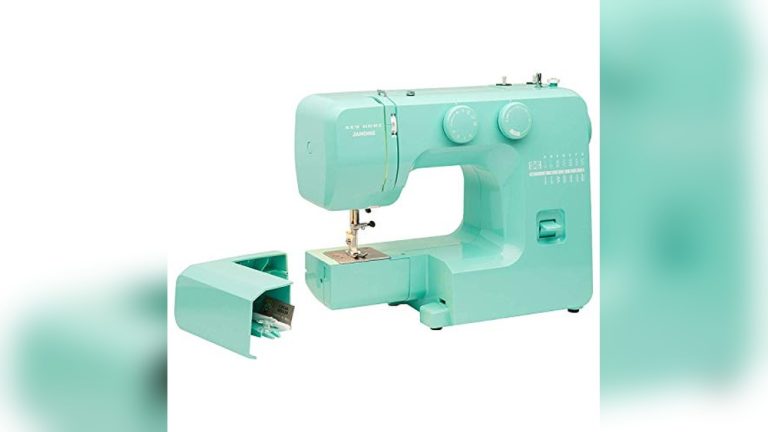
The Janome HD3000 is the most reliable janome sewing machine for denim because it features a heavy-duty metal frame and a high presser foot lift designed for thick fabric layers. While other models work for light repairs, you should choose a machine with a dedicated heavy-duty motor if you plan to hem multiple pairs of jeans regularly. If you only sew denim occasionally, a basic mechanical machine with a denim needle will suffice, but it will struggle with thick felled seams.
The options compared
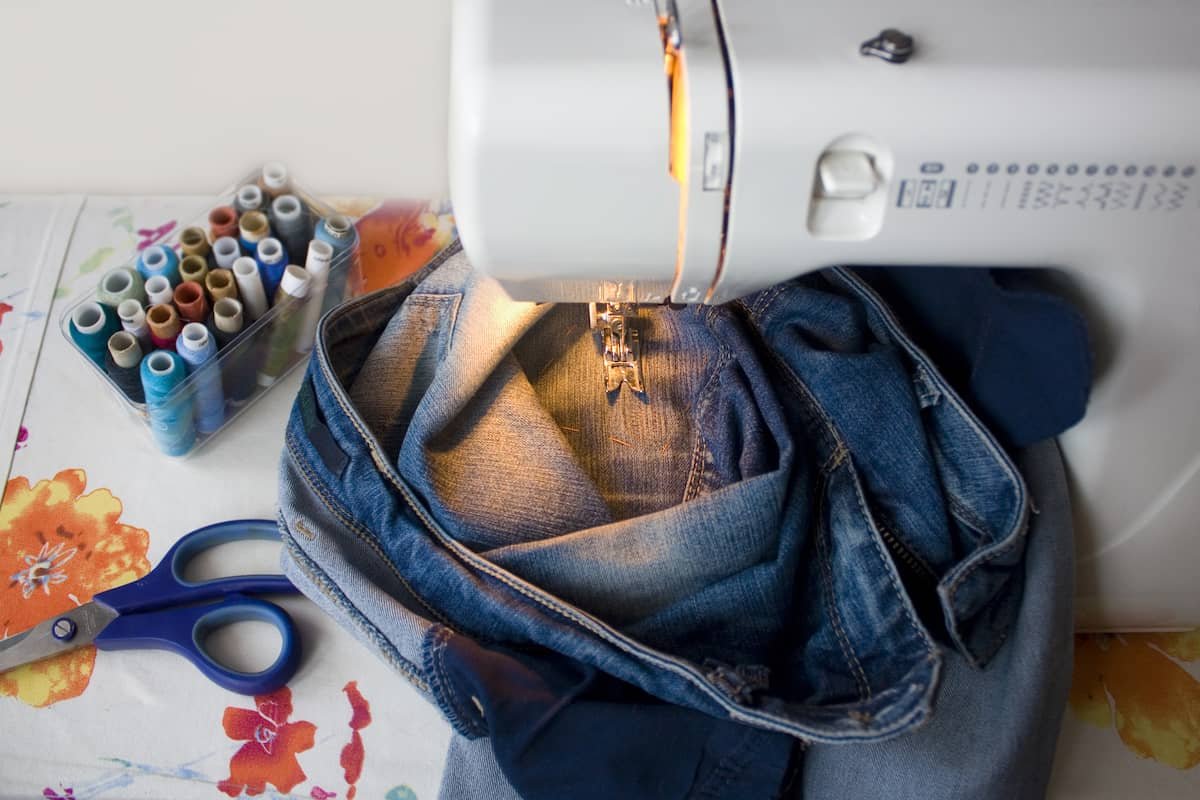
Choosing the right equipment depends on your specific sewing volume and the thickness of the material.
| Method | How long | Effort | Cost | Best for |
|---|---|---|---|---|
| Heavy-Duty Mechanical | 15 minutes | Low | Medium | Frequent denim sewing |
| Standard Mechanical | 30 minutes | High | Low | Occasional repairs |
| Computerized Model | 20 minutes | Medium | High | Decorative stitching |
If you’re a beginner, the standard mechanical machine is easier to manage, but it lacks the piercing power for dense seams. If you’re an expert, you might prefer the computerized model for its precise stitch control.
The best Janome sewing machine for denim
- Install a size 100/16 or 110/18 denim needle to ensure the point penetrates the fabric without breaking.
- Set the stitch length to 3.0mm or 3.5mm; shorter stitches can weaken the seam in thick fabric.
- Use a high-quality polyester thread, as cotton thread often snaps under the tension required for denim work.
- Lower the presser foot slowly when approaching thick intersections to avoid needle deflection.
This method provides the most stability for flat-felled seams. You get consistent stitch quality even when sewing over bulky areas like jean waistbands. The main weakness is that these machines are heavier to move and store than standard home models. Always consult the Janome instruction manuals to confirm the specific needle and thread combinations recommended for your machine’s motor capacity.
Standard mechanical machines
- Select a straight stitch with a length of 3.0mm to prevent the fabric from bunching.
- Use a hump jumper or a folded piece of cardboard under the back of the presser foot to keep it level.
- Turn the handwheel manually when crossing thick cross-seams to prevent the motor from stalling.
- Reduce the top thread tension slightly if you notice the bobbin thread pulling to the top.
This setup is ideal for simple hemming tasks where you don’t need to sew through four or more layers of denim. The downside is that the motor may overheat if you sew through too many layers at once. This isn’t for long-term production work, as the internal components aren’t designed for the constant stress of heavy-duty textiles.
Computerized sewing machines

- Select the “heavy fabric” setting if your machine has an automated tension adjustment feature.
- Use the “needle up/down” button to ensure the needle stays in the fabric during pivots.
- Set the sewing speed to medium; high speeds can cause the needle to skip stitches on thick seams.
- Use a walking foot attachment to help feed the multiple layers of denim through the machine evenly.
These machines offer great precision for decorative topstitching on denim jackets or bags. They take the guesswork out of tension settings, which helps if you’re new to working with tough fabrics. However, the sensitive electronic sensors can trigger error codes if you push the machine beyond its limit. If you aren’t careful, clearing these errors can be difficult without an authorized service technician.
Which one should you use?
If you’re in a hurry, use a heavy-duty mechanical machine because its high-torque motor handles thick seams without needing constant manual adjustments. If you’re doing this for the first time, a standard mechanical machine is better because it has fewer settings to confuse you and is more forgiving of minor mistakes. If you want the best possible result whatever it takes, use a computerized machine with a walking foot attachment to ensure the layers stay perfectly aligned during the stitching process.
The trade-off is clear: you pay for the power to handle thick seams with a higher initial cost, or you accept more manual effort and slower speeds with a cheaper, standard machine. If you choose a machine that’s too light for the job, you’ll spend more money on needles and potential repairs than you would have spent on a machine built for heavy fabrics.
The rules that apply whichever way you choose
Regardless of the machine you use, you must follow basic safety and maintenance standards. Always keep your fingers at least one inch away from the needle path to prevent injury. Before you begin, test your stitch settings on a scrap piece of denim folded to the same thickness as your final project. Check your needle for dullness every two to three hours of sewing, as denim blunts points quickly.
At the end of your project, clean the bobbin area with a soft brush to remove the lint that denim produces. If your machine makes a loud clunking noise or the motor smells like burning rubber, stop immediately. This indicates a mechanical failure or an electrical overload. Never attempt to open the casing to fix internal gears or capacitors, as these parts can hold a dangerous electrical charge even when unplugged; contact a qualified service center for repairs.
Frequently asked questions

Can any sewing machine handle denim?
No, not every machine can handle denim. Most standard home machines are designed for light to medium-weight fabrics and lack the motor strength to sew through multiple layers of heavy denim without stalling or breaking the needle.
How long does it take to hem jeans?
This assumes you’re working with a basic machine and need to perform a simple fold-and-stitch hem on the legs.
Is it safe to sew over metal rivets?
No, you should never sew over metal rivets. Doing so will almost certainly break your needle and can damage the machine’s hook system or needle plate. Always stop before the rivet and use a hand needle to finish the small section.
What happens if I use the wrong needle?
If you use a standard needle instead of a denim-specific needle, the point will likely bend or break when it hits the dense weave of the fabric. This can cause skipped stitches and damage the fabric surface.
Why is my thread snapping?
Your thread is likely snapping because the needle is too small for the fabric or the tension is set too high for the heavy thread being used. Switch to a thicker denim needle and adjust the tension dial to a lower number.
Final Thoughts
Finding the right tool makes your creative projects much more enjoyable. Once you’ve picked the perfect model, don’t forget to grab a pack of heavy-duty needles to ensure your stitches stay clean and strong. You’ll be ready to tackle those custom alterations and repairs with total confidence in no time.
{“@context”:”https://schema.org”,”@type”:”FAQPage”,”mainEntity”:[{“@type”:”Question”,”name”:”Can any sewing machine handle denim?”,”acceptedAnswer”:{“@type”:”Answer”,”text”:”No, not every machine can handle denim. Most standard home machines are designed for light to medium-weight fabrics and lack the motor strength to sew through multiple layers of heavy denim without stalling or breaking the needle.”}},{“@type”:”Question”,”name”:”How long does it take to hem jeans?”,”acceptedAnswer”:{“@type”:”Answer”,”text”:”This assumes you’re working with a basic machine and need to perform a simple fold-and-stitch hem on the legs.”}},{“@type”:”Question”,”name”:”Is it safe to sew over metal rivets?”,”acceptedAnswer”:{“@type”:”Answer”,”text”:”No, you should never sew over metal rivets. Doing so will almost certainly break your needle and can damage the machine’s hook system or needle plate. Always stop before the rivet and use a hand needle to finish the small section.”}},{“@type”:”Question”,”name”:”What happens if I use the wrong needle?”,”acceptedAnswer”:{“@type”:”Answer”,”text”:”If you use a standard needle instead of a denim-specific needle, the point will likely bend or break when it hits the dense weave of the fabric. This can cause skipped stitches and damage the fabric surface.”}},{“@type”:”Question”,”name”:”Why is my thread snapping?”,”acceptedAnswer”:{“@type”:”Answer”,”text”:”Your thread is likely snapping because the needle is too small for the fabric or the tension is set too high for the heavy thread being used. Switch to a thicker denim needle and adjust the tension dial to a lower number.”}}]}