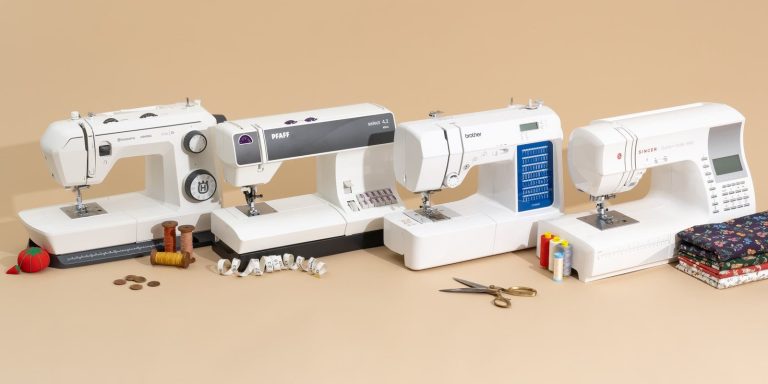
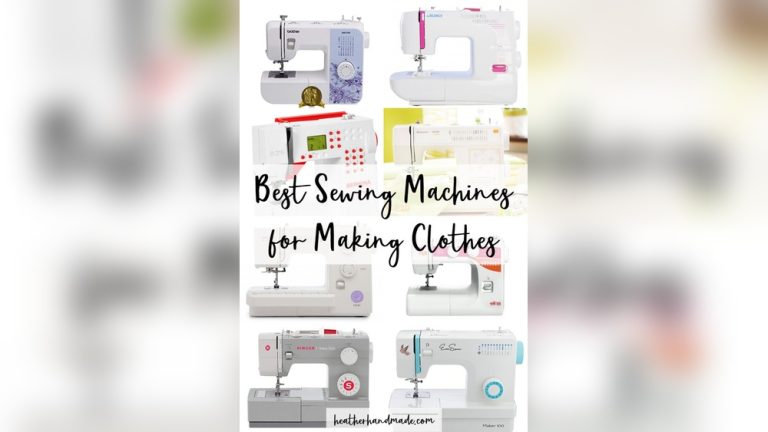
Pant Hemming Machine Guide: Choosing the Right Tool for You
A dedicated pant hemming machine is the most efficient choice for high-volume tailoring, while a standard sewing machine is better for occasional home repairs. If you only need to shorten one or two pairs of trousers, a basic portable stitcher is sufficient; however, if you’re running a business or have many garments to finish, a specialized blind stitch machine is necessary. This equipment varies by model—check the label for specific voltage requirements to ensure it’s compatible with your local power supply.
Comparing pant hemming machines

The right tool for your project depends on your volume and the desired finish quality for your pants.
| Method | How long | Effort | Cost | Best for |
|---|---|---|---|---|
| Standard Sewing Machine | 20 minutes | Medium | Low | Home repairs |
| Blind Stitch Machine | 5 minutes | Low | High | Professional use |
| Iron-on Hem Tape | 10 minutes | Low | Very Low | Quick fixes |
The cost is relative to the machine’s complexity and internal motor power. For heavy denim or wool, you must use a machine with a higher needle force, as lighter machines will skip stitches or break needles. If you choose the professional route, ensure you have the space, as these machines are typically heavy and require a dedicated table.
Using a standard sewing machine
A standard home sewing machine is the most versatile tool for most people. It uses a lockstitch which is very strong, though it may show on the outside of the fabric unless you use a blind hem foot.
- Measure your desired inseam and fold the fabric inward to create the new edge.
- Press the fold firmly with an iron to set the crease.
- Use a blind hem foot attachment and set the machine to a blind stitch pattern.
- Align the folded edge with the guide on the foot to catch only a tiny bit of the fabric.
- Sew slowly around the circumference of the pant leg, keeping the edge straight.
This method is excellent for beginners because you likely already own the equipment. However, it isn’t ideal for very fine or delicate fabrics where the stitch might show through.
Using a professional blind stitch machine
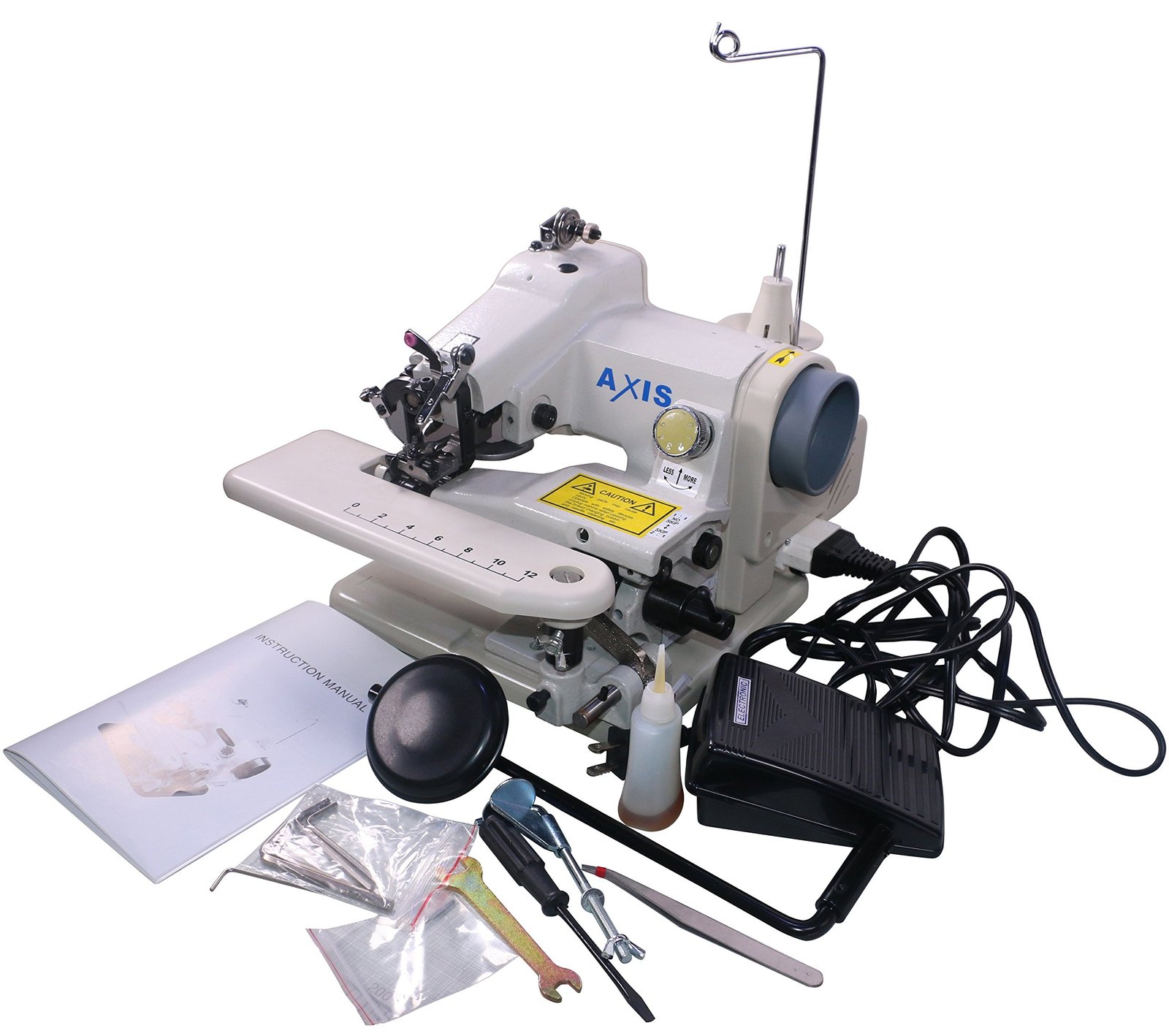
A professional blind stitch machine uses a curved needle that pierces only the inside layer of the fabric. This creates a completely invisible hem on the outside of the garment.
- Adjust the penetration depth dial to match the thickness of your specific pant fabric.
- Place the folded edge of the hem under the presser foot against the guide plate.
- Start the motor and guide the pants steadily through the machine as it catches the fabric.
- Stop the machine when you reach the starting point and pull the fabric away to cut the threads.
These machines offer a clean, high-end finish that looks like store-bought clothing. They’re very fast and reduce physical strain during long sessions. The main weakness is the high learning curve; if you don’t position the fabric perfectly, the needle can pierce through to the front of the pant leg, ruining the finish.
Using iron-on hem tape

This method is the fastest way to shorten pants without using a needle or thread. It uses a heat-activated adhesive strip to bond the fabric together.
- Turn the pants inside out and fold the hem to your required length.
- Place the adhesive tape strip inside the fold, between the two layers of fabric.
- Set your iron to the heat level recommended for your fabric type.
- Press the iron down firmly on the hem for 10 to 15 seconds per section.
- Let the fabric cool completely for at least 5 minutes before trying the pants on.
This is perfect for people who don’t own a sewing machine or are in a hurry. The result is clean and invisible from the outside. The trade-off is that it isn’t permanent; the adhesive can wear off after repeated washing, especially in hot water.
Which one should you use?
If you’re in a hurry, use iron-on hem tape. It requires no setup time and provides an instant, clean result that works for most casual trousers.
If you’re doing this for the first time, use a standard sewing machine. You likely already have one, and it’s much easier to unpick a mistake if you miscalculate the length. You don’t need expensive specialized equipment to learn the basics of garment construction.
If you want the best possible result whatever it takes, use a professional blind stitch machine. It provides the most durable, invisible finish that matches the standards of high-end tailoring. The trade-off is the initial investment and the time required to master the machine’s tension settings. If you choose this path, be aware that these machines are heavy; if you have limited space, you’ll need a stable, dedicated workstation to prevent the machine from vibrating off the surface during use.
The rules that apply whichever way you choose
Regardless of the method, you must always measure twice before cutting any fabric. Once you cut the excess material, you can’t add it back. Always test your stitch on a scrap piece of the same fabric to ensure the tension is correct. For professional machines, ensure you follow the manufacturer’s maintenance schedule for oiling, as these machines have metal parts that can seize up if ignored.
If you’re working with heavy materials like denim, use a heavy-duty needle to avoid snapping. If you’re using a professional machine, the motor is powerful enough to cause injury; keep fingers away from the needle area at all times. If you feel the machine isn’t performing as expected, don’t attempt to open the housing to adjust internal components like the motor or capacitors, as these can hold a dangerous electrical charge even when unplugged. Instead, contact a certified sewing machine technician for repairs or adjustments. Always finish your work by pressing the final hem with a steam iron to ensure it looks crisp and professional.
Frequently asked questions
Can I hem pants without a machine?
Yes, you can use a needle and thread to perform a hand-stitched blind hem. This is slow but provides the most control over the stitch placement. You must use a small, hidden stitch that picks up only one or two threads of the outer fabric to keep the hem invisible.
How long does it take to hem pants?
It takes between 5 and 20 minutes depending on the method and your skill level. Iron-on tape is the fastest, while hand-stitching can take over 30 minutes for a single pair of pants.
Is it safe to use a sewing machine at home?
Yes, it’s safe if you keep your fingers away from the needle and ensure the power cord isn’t frayed. Always unplug the machine before changing needles or cleaning the bobbin area to avoid accidental activation.
What happens if I make the hem too short?
If you make the hem too short, you’ll have to let it down, which often leaves a permanent crease line in the fabric. You can sometimes hide this by pressing the fabric with steam or using a damp cloth to relax the fibers.
Why is my machine skipping stitches?
Skipped stitches usually happen because you’re using the wrong needle size or because the needle is dull. Check that your needle is fully inserted into the clamp and that it matches the weight of your fabric.
Final Thoughts
Once you’ve chosen the right tool for your needs, practice on a scrap piece of fabric to get a feel for the tension. You’ll find that consistent results come with a little patience. Don’t hesitate to reach out to a local technician if you’re unsure about your machine’s initial setup.
{“@context”:”https://schema.org”,”@type”:”FAQPage”,”mainEntity”:[{“@type”:”Question”,”name”:”Can I hem pants without a machine?”,”acceptedAnswer”:{“@type”:”Answer”,”text”:”Yes, you can use a needle and thread to perform a hand-stitched blind hem. This is slow but provides the most control over the stitch placement. You must use a small, hidden stitch that picks up only one or two threads of the outer fabric to keep the hem invisible.”}},{“@type”:”Question”,”name”:”How long does it take to hem pants?”,”acceptedAnswer”:{“@type”:”Answer”,”text”:”It takes between 5 and 20 minutes depending on the method and your skill level. Iron-on tape is the fastest, while hand-stitching can take over 30 minutes for a single pair of pants.”}},{“@type”:”Question”,”name”:”Is it safe to use a sewing machine at home?”,”acceptedAnswer”:{“@type”:”Answer”,”text”:”Yes, it’s safe if you keep your fingers away from the needle and ensure the power cord isn’t frayed. Always unplug the machine before changing needles or cleaning the bobbin area to avoid accidental activation.”}},{“@type”:”Question”,”name”:”What happens if I make the hem too short?”,”acceptedAnswer”:{“@type”:”Answer”,”text”:”If you make the hem too short, you’ll have to let it down, which often leaves a permanent crease line in the fabric. You can sometimes hide this by pressing the fabric with steam or using a damp cloth to relax the fibers.”}},{“@type”:”Question”,”name”:”Why is my machine skipping stitches?”,”acceptedAnswer”:{“@type”:”Answer”,”text”:”Skipped stitches usually happen because you’re using the wrong needle size or because the needle is dull. Check that your needle is fully inserted into the clamp and that it matches the weight of your fabric.”}}]}