Pants Hemming Sewing Machine Guide for Professional Results
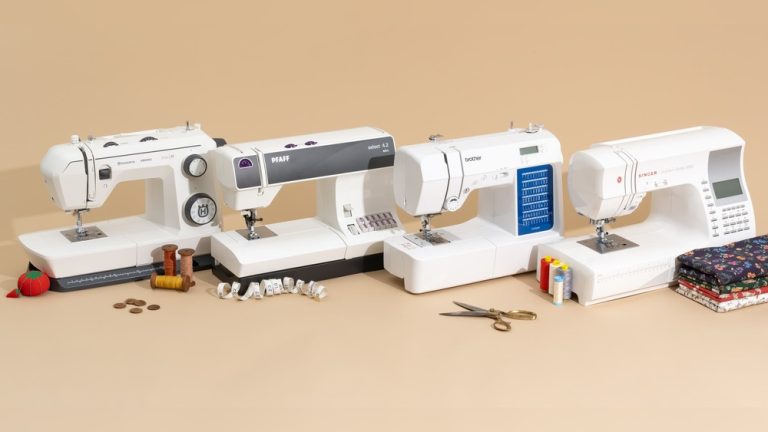
You can achieve a professional finish on most trousers by using a pants hemming sewing machine to create a durable, clean-looking stitch. While basic models work well for lightweight cottons, you’ll need a machine with a free arm and an adjustable stitch length to handle thicker fabrics like denim or wool. If you’re working with heavy-duty materials, a machine with high presser foot clearance is essential to ensure the fabric feeds through smoothly without bunching or breaking needles.
The Best Pants Hemming Sewing Machine
The best approach depends on your fabric weight and the desired look of the hem.
Using the blind hem setting
The blind hem stitch creates a nearly invisible finish by catching only a tiny bit of the fabric on the inside of the pant leg.
- Fold the pants to your desired length and press the crease firmly with a steam iron.
- Fold the raw edge back by about half an inch and press again to create a clean finish.
- Set your machine to the blind hem stitch pattern and attach the corresponding foot.
- Align the folded edge of the fabric against the guide on the foot so the needle swings over the edge to catch the fabric once every few stitches.
- Sew slowly to ensure the needle only pierces the very surface of the outer fabric.
This method is perfect for formal wear where you want a clean, professional look. However, it requires careful practice; if the needle catches too much fabric, the stitch becomes visible from the outside. Always test your settings on a scrap piece of the same fabric before starting on your actual pants.
Straight stitching for casual wear
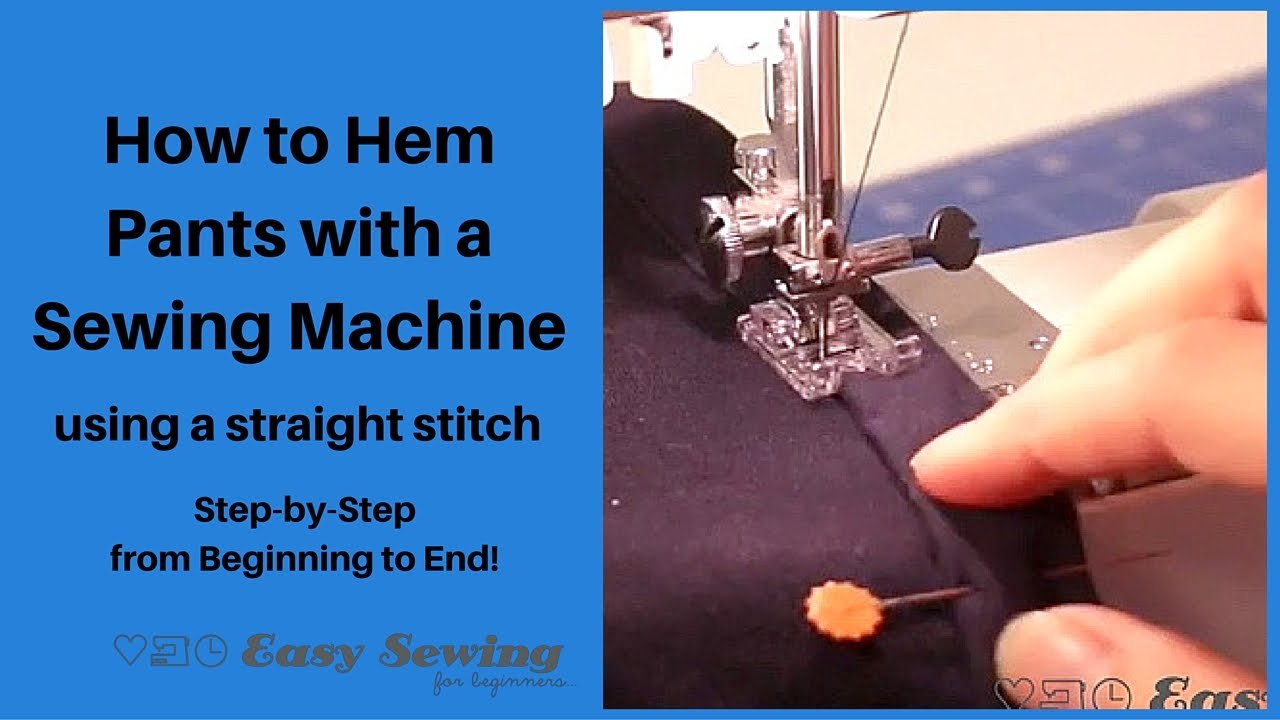
A simple straight stitch is the fastest way to hem casual pants like jeans or chinos.
- Mark the desired length with tailor’s chalk and cut off any excess fabric, leaving at least one inch for the fold.
- Fold the raw edge under once, then fold it again to hide the raw edge inside the hem.
- Use a heavy-duty needle, such as a size 100/16, if you’re working with thick denim.
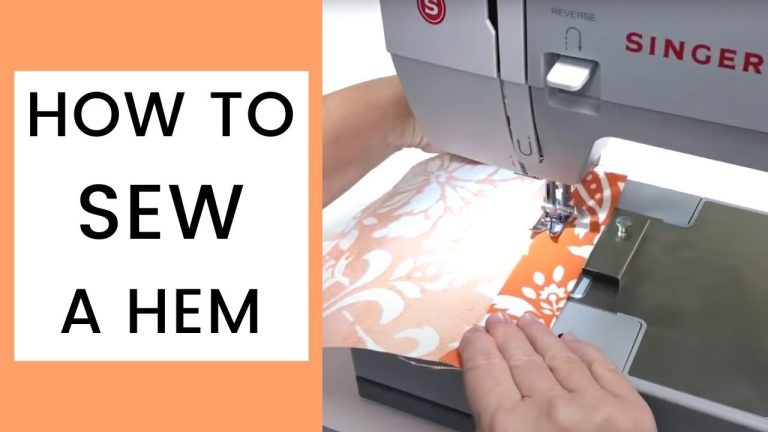
- Stitch along the inner edge of the fold, maintaining a consistent distance from the bottom of the pant leg.
- Backstitch at the beginning and end of the seam to lock the threads in place.
This method is highly durable and handles daily wear exceptionally well. The trade-off is that the stitching line will be clearly visible on the outside of the garment. If your machine struggles to feed over thick side seams, use a hump jumper tool to keep the presser foot level.
Hand finishing for delicate fabrics

Hand stitching is the safest way to hem luxury fabrics like silk or wool that might be damaged by machine needles.
- Determine the length and press the hem fold in place using a low-heat setting.
- Use a needle and a thread that matches the color of your fabric exactly.
- Use a slip stitch or catch stitch to secure the hem, taking very small, loose stitches to avoid puckering the fabric.
- Keep your tension light so the thread doesn’t pull the outer fabric.
- Knot the thread securely at the end of the hem to prevent unraveling.
This technique provides the most elegant result for high-end clothing. It isn’t suitable for heavy-duty trousers as the thread may break under tension.
Which one should you use?
If you’re in a hurry, use a straight stitch. It’s the fastest method and requires only a single pass around the leg, making it ideal for everyday jeans.
If you’re doing this for the first time, start with the straight stitch as well. It’s the most forgiving method, and you can easily remove the thread with a seam ripper if you make a mistake.
If you want the best possible result, choose the blind hem stitch. This method mimics the look of high-quality tailoring. The trade-off is that it requires more precision and time to set up correctly; if you’re off by a millimeter, the hem may look uneven.
The rules that apply whichever way you choose
Regardless of the method, always wash and dry your pants before hemming. Fabric often shrinks during the first wash, and hemming before this happens can lead to pants that are too short after the first laundry cycle. Always check the machine’s manual for its maximum fabric thickness capacity. If you use a machine that isn’t rated for heavy denim, you risk damaging the internal timing mechanism. Such mechanical repairs are technician-only work; opening the casing can expose you to electrical hazards or void your warranty. If the machine begins to make a grinding noise or the needle hits the plate, stop immediately and contact the manufacturer’s authorized service center.
Frequently asked questions

Can I hem pants without a sewing machine?
Yes, you can use a needle and thread or iron-on adhesive tape. Hand stitching is best for delicate fabrics, while adhesive tape is a quick, temporary fix for casual pants. Always test the adhesive on a small, hidden part of the fabric to ensure it doesn’t melt the material or leave a permanent residue.
Why is my sewing machine skipping stitches?
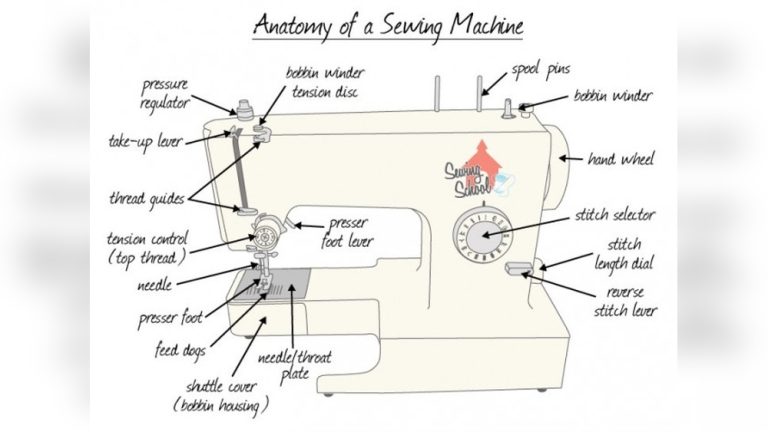
Skipping stitches usually happens because the needle is blunt or the wrong size for your fabric. Replace your needle with a new one designed for your specific fabric weight, such as a denim needle for thick jeans. If the problem continues, ensure the thread is threaded correctly through the tension disks.
How long does it take to hem a pair of pants?
It usually takes between 10 to 45 minutes depending on your experience and the chosen method. A simple straight stitch takes about 10 minutes, while hand stitching requires more patience and precision. Always allow extra time for measuring and pressing, as these steps ensure the final result is straight and professional.
Is it safe to hem heavy denim on a home machine?
Yes, it’s safe if your machine is rated for heavy-duty use and you use the correct needle size. Always use a size 100/16 or 110/18 needle for thick denim to prevent needle breakage. Never force the fabric through if the machine is struggling, as this can damage the motor or internal components.
What happens if I make the hem too short?
If you cut the fabric too short, there’s no way to lengthen the pants unless there’s extra fabric hidden in the seam allowance. Always measure twice and keep at least one inch of extra fabric inside the fold. If you’re unsure about the length, start with a longer hem and adjust it after trying the pants on.
Final Thoughts
Once you’ve practiced on a few scrap pieces, you’ll feel much more confident tackling your favorite pair of jeans. Don’t be afraid to experiment with different thread colors or hem styles to personalize your wardrobe. You’ll find that having these skills makes it so much easier to keep your clothes fitting perfectly.
{“@context”:”https://schema.org”,”@type”:”FAQPage”,”mainEntity”:[{“@type”:”Question”,”name”:”Can I hem pants without a sewing machine?”,”acceptedAnswer”:{“@type”:”Answer”,”text”:”Yes, you can use a needle and thread or iron-on adhesive tape. Hand stitching is best for delicate fabrics, while adhesive tape is a quick, temporary fix for casual pants. Always test the adhesive on a small, hidden part of the fabric to ensure it doesn’t melt the material or leave a permanent residue.”}},{“@type”:”Question”,”name”:”Why is my sewing machine skipping stitches?”,”acceptedAnswer”:{“@type”:”Answer”,”text”:”Skipping stitches usually happens because the needle is blunt or the wrong size for your fabric. Replace your needle with a new one designed for your specific fabric weight, such as a denim needle for thick jeans. If the problem continues, ensure the thread is threaded correctly through the tension disks.”}},{“@type”:”Question”,”name”:”How long does it take to hem a pair of pants?”,”acceptedAnswer”:{“@type”:”Answer”,”text”:”It usually takes between 10 to 45 minutes depending on your experience and the chosen method. A simple straight stitch takes about 10 minutes, while hand stitching requires more patience and precision. Always allow extra time for measuring and pressing, as these steps ensure the final result is straight and professional.”}},{“@type”:”Question”,”name”:”Is it safe to hem heavy denim on a home machine?”,”acceptedAnswer”:{“@type”:”Answer”,”text”:”Yes, it’s safe if your machine is rated for heavy-duty use and you use the correct needle size. Always use a size 100/16 or 110/18 needle for thick denim to prevent needle breakage. Never force the fabric through if the machine is struggling, as this can damage the motor or internal components.”}},{“@type”:”Question”,”name”:”What happens if I make the hem too short?”,”acceptedAnswer”:{“@type”:”Answer”,”text”:”If you cut the fabric too short, there’s no way to lengthen the pants unless there’s extra fabric hidden in the seam allowance. Always measure twice and keep at least one inch of extra fabric inside the fold. If you’re unsure about the length, start with a longer hem and adjust it after trying the pants on.”}}]}