Sewing Machine Tips for Beginners
Are you ready to start sewing but don’t know where to begin? Learning how to use a sewing machine can feel overwhelming at first.
You might worry about threading the needle, choosing the right stitch, or fixing mistakes. But what if you had simple, clear tips that make everything easier? This guide is made just for you. It will help you build confidence, avoid common errors, and enjoy every step of your sewing projects.
Keep reading, and soon you’ll be creating beautiful things with your sewing machine like a pro.
Choosing The Right Machine
Choosing the right sewing machine sets the foundation for your sewing journey. The right machine makes sewing easier and more fun. Understanding your options helps you pick a machine that fits your needs and skills. This guide explains types of sewing machines, essential beginner features, and budget tips. It helps you make a smart choice.
Types Of Sewing Machines
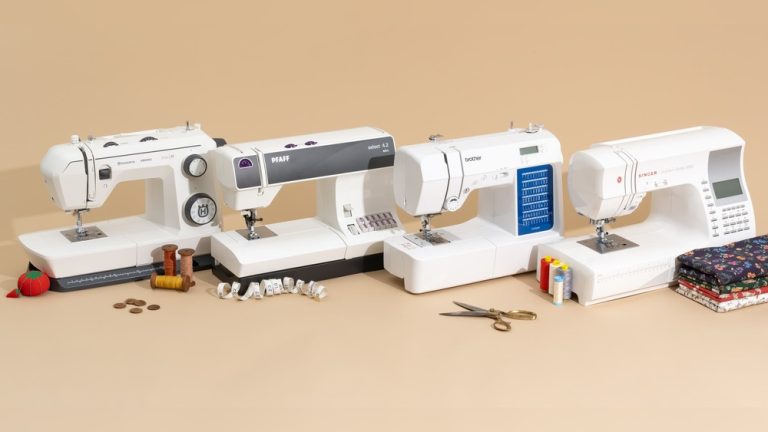
Sewing machines come in three main types: mechanical, electronic, and computerized. Mechanical machines have simple controls and basic stitches. They are easy to use and good for beginners. Electronic machines offer more stitch options and some automatic functions. Computerized machines have many features, like stitch patterns and speed control. They are more advanced and cost more. Choose a type that matches your comfort and project needs.
Essential Features For Beginners
Look for machines with basic stitches like straight and zigzag. A clear instruction manual helps you learn quickly. Automatic needle threading saves time and effort. A sturdy frame keeps the machine stable during use. Adjustable speed control lets you sew at your own pace. A free arm feature helps sew cuffs and sleeves easily. These features simplify sewing and reduce frustration.
Budget Considerations
Set a budget before buying a machine. Beginner machines usually cost less than advanced models. Spend on features you will use often. Avoid expensive machines with too many functions you might not need. Consider buying from brands known for durability and support. Sometimes used machines offer good value. Focus on quality and ease of use rather than price alone.

Credit: www.threadsmagazine.com
Setting Up Your Machine
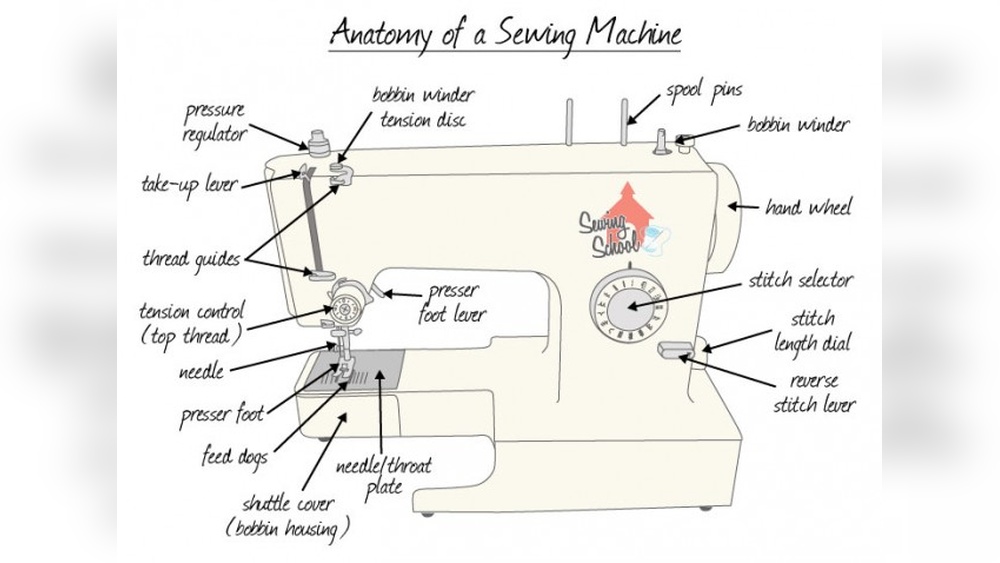
Setting up your sewing machine is the first step to successful sewing. A well-prepared machine helps you sew smoothly and avoid mistakes. Spend time understanding each part before you start. This saves frustration and makes sewing fun.
Threading The Machine
Threading is placing the thread through the machine’s path. Follow the guides on your machine carefully. Start by placing the spool on the spool pin. Pull the thread through tension discs and thread guides. Finally, thread the needle from front to back. Check the manual for your model’s threading steps.
Winding The Bobbin
The bobbin holds the lower thread. Place an empty bobbin on the bobbin winder spindle. Guide the thread from the spool to the bobbin. Press the foot pedal or button to start winding. Stop when the bobbin is full. Insert the bobbin in the bobbin case correctly.
Adjusting Tension Settings
Tension controls how tight or loose the thread is. Too tight or too loose tension causes stitching problems. Test on a scrap fabric first. Adjust the upper thread tension dial slowly. Aim for balanced stitches with no loops or puckers. Check both top and bobbin threads for even tension.
Basic Sewing Techniques
Basic sewing techniques build the foundation for every sewing project. Understanding these skills helps you sew with confidence. These simple methods improve your control and make your work neat. Start with easy steps and practice often. Each technique plays a key role in crafting strong, clean seams.
Straight Stitching
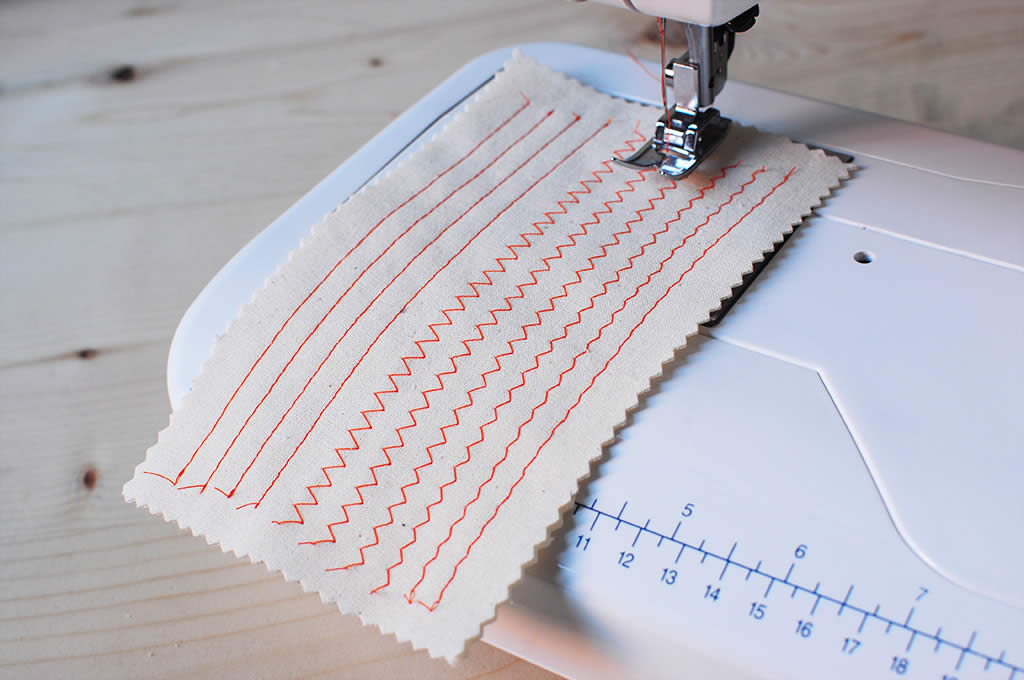
Straight stitching is the most common stitch in sewing. It creates a simple line of stitches. Use it to join fabric pieces together. Keep your fabric steady and sew slowly for even stitches. Adjust the stitch length for different fabrics. Short stitches hold seams stronger. Long stitches are good for basting or gathering.
Backstitching
Backstitching locks your stitches in place. It stops seams from coming undone. Sew a few stitches forward, then sew backward over them. This creates a secure start and end. Use backstitching at the beginning and end of every seam. It keeps your sewing neat and durable.
Seam Finishing
Seam finishing prevents fabric edges from fraying. It gives your project a clean look. Use pinking shears to cut edges with a zigzag pattern. Another option is sewing a zigzag stitch along the edge. You can also fold and sew the edge for a clean finish. Proper seam finishing extends the life of your sewing.
Credit: www.ladulsatina.com
Fabric Selection Tips
Choosing the right fabric makes sewing easier and more fun for beginners. Fabrics differ in texture, weight, and stretch. Picking suitable fabric helps avoid frustration and improves sewing results.
Beginner-friendly Fabrics
Start with cotton fabrics. They are easy to cut and sew. Cotton holds stitches well and does not slip much. Muslin, quilting cotton, and broadcloth are good examples. These fabrics help you practice without difficulty. Avoid slippery or very stretchy fabrics at first.
Handling Different Textures
Some fabrics feel smooth, rough, or stretchy. Smooth fabrics like silk need gentle handling and sharp needles. Rough fabrics like denim are thick and require stronger needles. Stretchy fabrics like jersey need a ballpoint needle and special stitch settings. Know your fabric type before sewing to avoid mistakes.
Prepping Fabric For Sewing
Always wash fabric before cutting. Washing removes chemicals and shrinks fabric. Iron fabric flat to remove wrinkles. Use fabric weights or pins to hold fabric steady. Cutting on a flat surface helps keep pieces accurate. Proper prep saves time and makes sewing easier.
Troubleshooting Common Issues
Troubleshooting sewing machine problems can feel frustrating for beginners. Small issues often stop your project. Knowing how to fix common problems saves time and stress.
Many problems come from thread, needle, or stitch settings. Simple checks can solve most issues fast. Keep your machine clean and well oiled. This helps avoid many troubles.
Fixing Thread Breaks
Thread breaks are common and easy to fix. Check the thread path first. Make sure the thread is not tangled or caught. Use the right thread for your fabric type.
Thread tension might be too tight. Loosen it slightly and try sewing again. Also, check the needle for burrs or damage. Replace the needle if needed to avoid cutting the thread.
Dealing With Needle Problems
Needle issues cause skipped stitches or fabric damage. Use the correct needle size for your fabric. A needle too small or dull can cause problems.
Insert the needle fully and in the correct direction. A bent needle can break or skip stitches. Change needles regularly, especially after heavy use.
Uneven Stitches
Uneven stitches make your work look messy. Check the thread tension first. Adjust tension slowly until stitches look balanced.
Make sure the fabric feeds smoothly under the foot. Use the right presser foot pressure for your fabric. Clean the feed dogs if they are dirty or clogged. Proper maintenance keeps stitches even and neat.
Maintenance And Care
Taking care of your sewing machine helps it work better and last longer. Regular maintenance keeps your machine smooth and avoids problems. Simple steps like cleaning, changing needles, and servicing make a big difference. These habits save time and money in the long run.
Cleaning Your Machine
Dust and lint collect inside the machine. This can slow it down or cause jams. Use a small brush or soft cloth to clean around the needle and bobbin area. Remove the bobbin case to clean out any trapped threads. Avoid using water. Clean your machine after every few sewing sessions.
Replacing Needles
Needles wear out with use. A dull or bent needle can damage fabric and cause broken threads. Change your needle after every project or after about 8 hours of sewing. Choose the right needle type and size for your fabric. Always insert the needle correctly to avoid machine damage.
Regular Servicing Tips
Even with cleaning, machines need professional care. Take your machine to a repair shop once a year. A technician will oil, adjust, and check for worn parts. This keeps your machine running smoothly and prevents big problems. Follow your machine’s manual for specific care advice.
Project Ideas For Starters
Starting sewing can feel tricky. Choosing easy projects helps build your skills fast. Simple projects keep you motivated and excited. These ideas fit beginners well. They use few materials and basic stitches. Try these projects to practice and enjoy sewing.
Simple Home Decor
Making home decor is a fun way to learn sewing. Try sewing pillow covers with bright fabrics. Use straight stitches for clean edges. Curtains are another simple project. Choose light fabric for easy handling. You can also create table runners or placemats. These projects help you practice measuring and cutting.
Basic Clothing Alterations
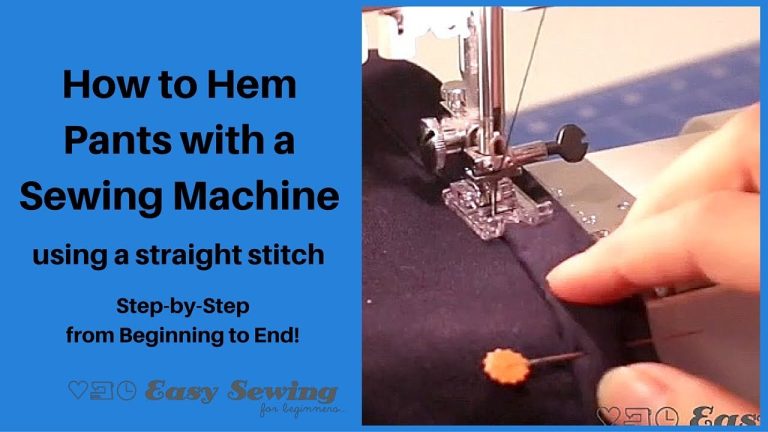
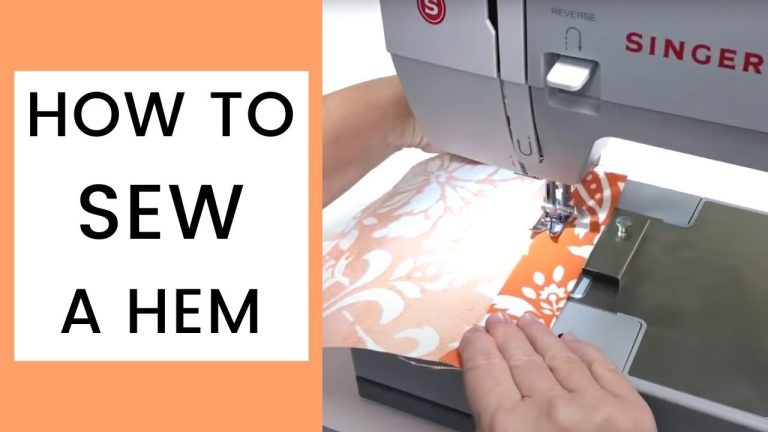
Fixing clothes is useful and saves money. Start by hemming pants or skirts. Use a straight stitch and pins to hold fabric. Try taking in or letting out seams for a better fit. These small changes improve clothes and boost confidence. Practice on old clothes before working on favorites.
Easy Accessories
Accessories are quick and rewarding to make. Sew simple tote bags using cotton fabric. Make drawstring pouches for storing small items. Headbands and fabric belts are good choices too. These projects teach sewing curves and attaching fasteners. Accessories let you try new skills with little risk.
Credit: www.youtube.com
Frequently Asked Questions
How Do I Choose The Right Sewing Machine For Beginners?
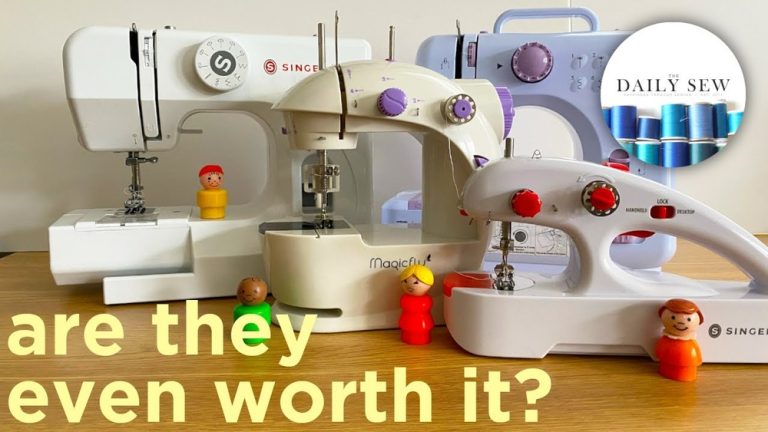
Choose a machine with simple features and easy controls. Look for basic stitch options and user-friendly threading. Consider budget and brand reliability. A lightweight machine helps beginners practice easily. Reading reviews and watching demos can guide your choice effectively.
What Basic Sewing Tools Do Beginners Need?
Beginners need needles, thread, scissors, pins, and a measuring tape. A seam ripper and fabric chalk are also helpful. These tools assist in accurate cutting, sewing, and fixing mistakes. Starting with quality tools improves sewing results and learning experience.
How Can I Thread My Sewing Machine Correctly?
Refer to your machine’s manual for threading steps. Usually, you place the spool, guide the thread through tension discs, and thread the needle. Practice threading slowly to avoid mistakes. Proper threading prevents thread breaks and uneven stitches.
What Fabric Types Are Best For Beginner Sewing?
Cotton and linen are ideal for beginners due to their easy handling. These fabrics are stable, making cutting and sewing straightforward. Avoid slippery or stretchy fabrics initially as they require advanced skills to manage.
Conclusion
Sewing takes practice, patience, and simple steps. Start slow and learn each part well. Keep your machine clean and thread it right. Use good fabric and sharp scissors. Don’t rush; small projects help build skill. Mistakes happen, so stay calm and try again.
Enjoy the process and watch your confidence grow. Soon, sewing will feel easy and fun. Keep these tips in mind for better results. Happy sewing!