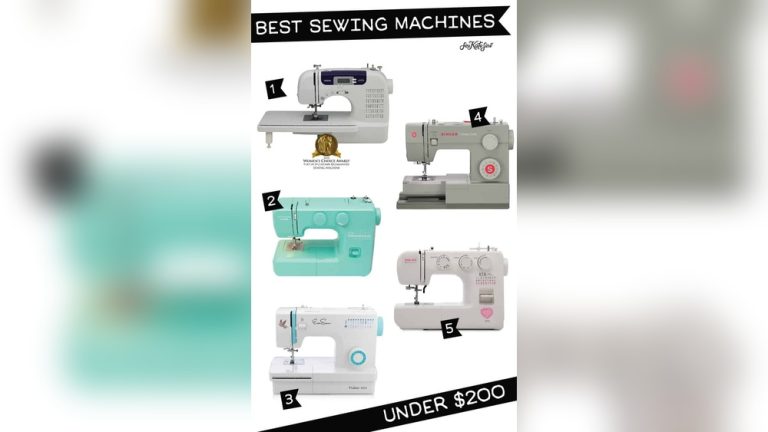
Sewing Machines for Quilting: How to Choose the Right Size
Standard long-arm machines are the best sewing machines for quilting because they provide the necessary throat space to maneuver large fabric layers easily. If you’re working on small wall hangings or table runners, a high-quality domestic machine with a walking foot is sufficient. It’s important to know that professional long-arm setups require a dedicated frame, while domestic models sit on a standard desk. This varies by model — check the label for the specific throat depth, as some portable units offer more room than others.
Best Sewing Machines for Quilting

Choosing the right equipment depends on the scale of your projects and the amount of physical space you have in your home studio.
| Method | How long | Effort | Cost | Best for |
|---|---|---|---|---|
| Domestic Sewing Machine | Short setup | Medium | Low | Small quilts |
| Sit-down Long-arm | Medium setup | High | Medium | Custom quilting |
| Frame-mounted Long-arm | Long setup | Low | High | Large bed quilts |
If you have limited room, a domestic machine is your best choice, but you’ll need to roll the quilt tightly to fit it under the arm. If you have the budget and space, a frame-mounted system makes the actual stitching much faster and more accurate for large designs.
Using a domestic machine with a walking foot
This method relies on your existing machine to feed multiple layers of fabric through the needle at the same rate.
- Install a walking foot attachment to ensure the top and bottom layers move together.
- Use a straight stitch with a length of three millimeters for general quilting, adjusting for your fabric thickness.
- Roll the sides of the quilt tightly to create a compact bundle that fits within the machine’s throat space.
- Move the entire roll slowly, keeping your hands flat on the quilt to guide the fabric without pulling it.
This is ideal for beginners because it uses tools you likely already own. The main weakness is the limited throat space, which makes quilting the center of a large bed quilt physically difficult.
Operating a sit-down long-arm machine
These machines are designed for quilting without a frame, offering a larger workspace than standard machines.
- Place the machine on a sturdy table that can hold its weight and prevent vibration during high-speed sewing.
- Set the stitch regulator to the desired length, usually between two and four millimeters, to keep stitches consistent.
- Use specialized quilting gloves to grip the fabric, which helps you move the quilt smoothly under the needle.
- Keep your movements fluid, focusing on curves or straight lines while the machine handles the tension automatically.
This is great for free-motion quilting because the throat space is much larger than a standard machine. The trade-off is the lack of a frame, which means you must support the weight of the quilt yourself. This isn’t for someone with limited physical strength or back issues, as it requires constant leaning and reaching over the machine.
Quilting with a frame-mounted system
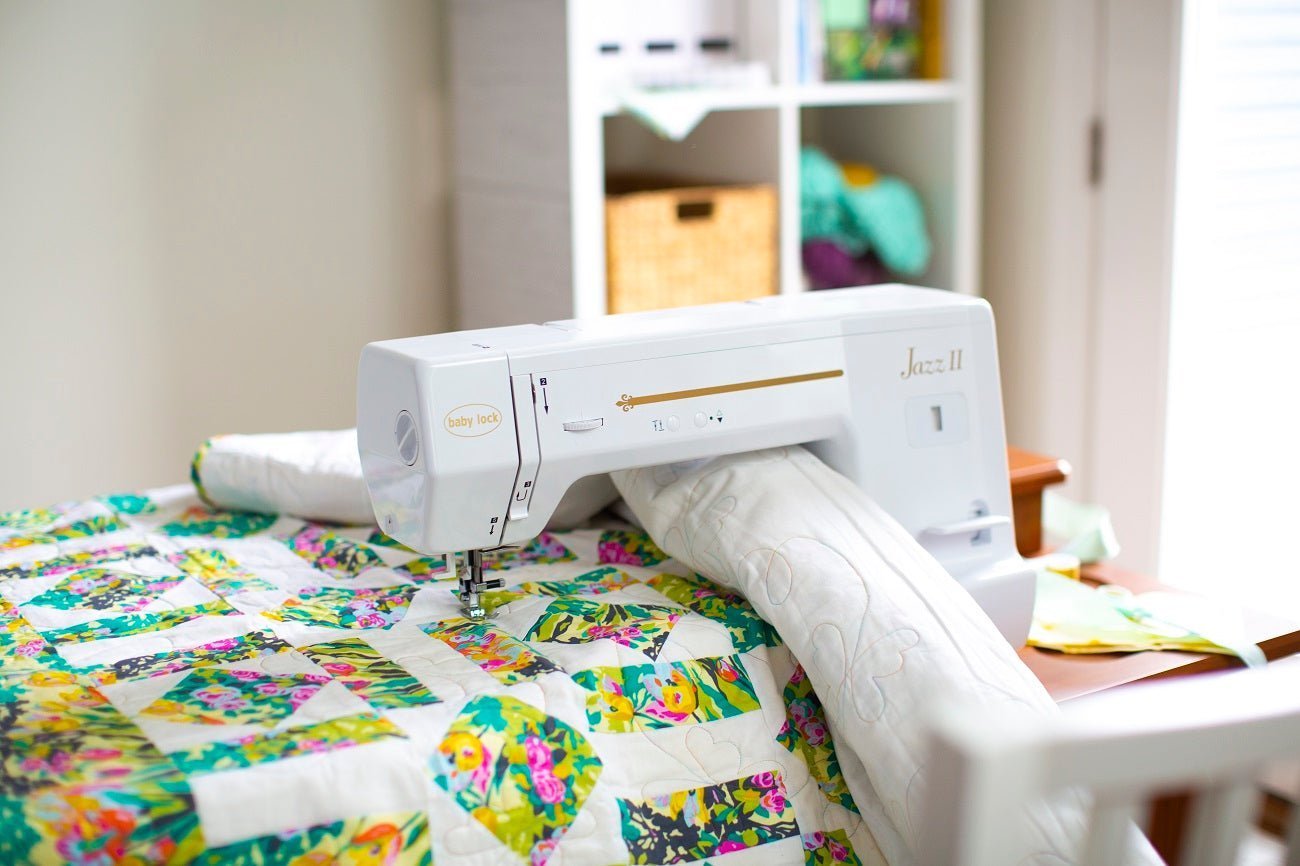
A frame-mounted system holds the quilt layers flat and tight, allowing the machine to glide over the fabric surface.
- Load the backing, batting, and top onto the three separate rollers of the frame system.
- Tension each layer individually to remove wrinkles and ensure the quilt is perfectly flat.
- Adjust the machine head to the desired speed and stitch width settings, typically using a foot pedal or handle controls.
- Move the machine head across the rails to stitch your pattern, letting the frame carry the weight of the quilt.
This method provides the most professional finish and is the fastest way to complete large projects. It’s perfect for those who want to quilt bed-sized items regularly. Its biggest weakness is the size; once assembled, these frames take up significant floor space and aren’t easily moved. If you aren’t careful with the frame alignment, you can cause uneven tension, so always check the frame level before starting.
Which one should you use?
If you’re in a hurry, use a domestic machine with a walking foot because it requires almost no setup time compared to a frame. If you’re doing this for the first time, start with a domestic machine as well; you can learn the basics of fabric handling without a large financial investment. If you want the best possible result whatever it takes, choose a frame-mounted long-arm machine. This setup offers the most control and the smoothest stitching for complex, large-scale patterns.
The trade-off is always between space and precision. A domestic machine is easy to store but harder to use on large quilts, whereas a frame-mounted system gives you professional results but demands a permanent spot in your home. If you’re tight on space, don’t buy a frame until you have measured your room twice.
The rules that apply whichever way you choose
Regardless of your machine, you must always follow the manufacturer’s maintenance schedule. Keep the bobbin area free of lint, as a buildup can cause the machine to lock up or break needles. Before starting a large project, always test your tension on a scrap piece of fabric using the same layers you plan to use for the actual quilt. This ensures your stitches are balanced on both the top and bottom.
Always use the correct needle type for your batting density; a universal needle often fails when piercing multiple layers of thick cotton or wool. If you need to perform internal repairs on the motor or timing, don’t attempt this yourself unless you have formal training. Improper adjustments can void your warranty and cause mechanical failure. Take your machine to a certified technician if the needle bar becomes misaligned or the machine starts making unusual grinding noises.
Frequently asked questions

Can I use a regular sewing machine for quilting?
Yes, you can use a regular sewing machine for quilting if you have enough space under the arm to move your fabric. Many quilters successfully use a walking foot on standard machines to keep layers aligned. However, you may find a machine with a larger throat space or a frame system more comfortable for very large blankets.
Why is my quilting stitch length uneven?
Uneven stitches usually happen because you’re pushing or pulling the fabric instead of letting the machine feed it naturally. If you’re using a domestic machine, check that your presser foot pressure is set correctly for the thickness of your quilt. If you’re using a long-arm, ensure your stitch regulator is turned on and calibrated to your current sewing speed to maintain consistent results across the entire surface.
How long does it take to learn to quilt?
It takes a few weeks of practice to get comfortable with the basics of feeding fabric through the machine. You’ll need to spend time learning how to balance your thread tension and how to manage the bulk of a quilt under the needle. Most people start with simple straight lines before moving on to complex free-motion patterns, which can take several months of regular practice to master effectively.
Is it safe to move a long-arm machine by hand?
No, you should never attempt to move a frame-mounted long-arm machine by yourself without checking the manual first. These systems are heavy and have sensitive electronic components that can be damaged if the frame is twisted or the head is dropped. If you need to relocate your setup, follow the manufacturer’s disassembly guide or hire professionals who have experience with industrial sewing equipment to avoid injury or damage.
What happens if I skip the tension test?
If you skip the tension test, you risk having loose loops of thread on the back of your quilt or stitches that pull too tight, causing the fabric to pucker. This is a common mistake that costs time because you’ll have to unpick the entire project if the tension is poor. Always test on a scrap piece that exactly matches the thickness and material of your final quilt project.
Final Thoughts
Choosing the right setup makes your creative process much smoother. Before you commit to a purchase, visit a local shop to test a few machines in person. You’ll quickly see which one feels comfortable for your hands and projects. It’s a big investment, so don’t rush—you’ll find the perfect fit soon.
{“@context”:”https://schema.org”,”@type”:”FAQPage”,”mainEntity”:[{“@type”:”Question”,”name”:”Can I use a regular sewing machine for quilting?”,”acceptedAnswer”:{“@type”:”Answer”,”text”:”Yes, you can use a regular sewing machine for quilting if you have enough space under the arm to move your fabric. Many quilters successfully use a walking foot on standard machines to keep layers aligned. However, you may find a machine with a larger throat space or a frame system more comfortable for very large blankets.”}},{“@type”:”Question”,”name”:”Why is my quilting stitch length uneven?”,”acceptedAnswer”:{“@type”:”Answer”,”text”:”Uneven stitches usually happen because you’re pushing or pulling the fabric instead of letting the machine feed it naturally. If you’re using a domestic machine, check that your presser foot pressure is set correctly for the thickness of your quilt. If you’re using a long-arm, ensure your stitch regulator is turned on and calibrated to your current sewing speed to maintain consistent results across the entire surface.”}},{“@type”:”Question”,”name”:”How long does it take to learn to quilt?”,”acceptedAnswer”:{“@type”:”Answer”,”text”:”It takes a few weeks of practice to get comfortable with the basics of feeding fabric through the machine. You’ll need to spend time learning how to balance your thread tension and how to manage the bulk of a quilt under the needle. Most people start with simple straight lines before moving on to complex free-motion patterns, which can take several months of regular practice to master effectively.”}},{“@type”:”Question”,”name”:”Is it safe to move a long-arm machine by hand?”,”acceptedAnswer”:{“@type”:”Answer”,”text”:”No, you should never attempt to move a frame-mounted long-arm machine by yourself without checking the manual first. These systems are heavy and have sensitive electronic components that can be damaged if the frame is twisted or the head is dropped. If you need to relocate your setup, follow the manufacturer’s disassembly guide or hire professionals who have experience with industrial sewing equipment to avoid injury or damage.”}},{“@type”:”Question”,”name”:”What happens if I skip the tension test?”,”acceptedAnswer”:{“@type”:”Answer”,”text”:”If you skip the tension test, you risk having loose loops of thread on the back of your quilt or stitches that pull too tight, causing the fabric to pucker. This is a common mistake that costs time because you’ll have to unpick the entire project if the tension is poor. Always test on a scrap piece that exactly matches the thickness and material of your final quilt project.”}}]}