Which Is Best, Usha or Singer? The Verdict by Sewing Need
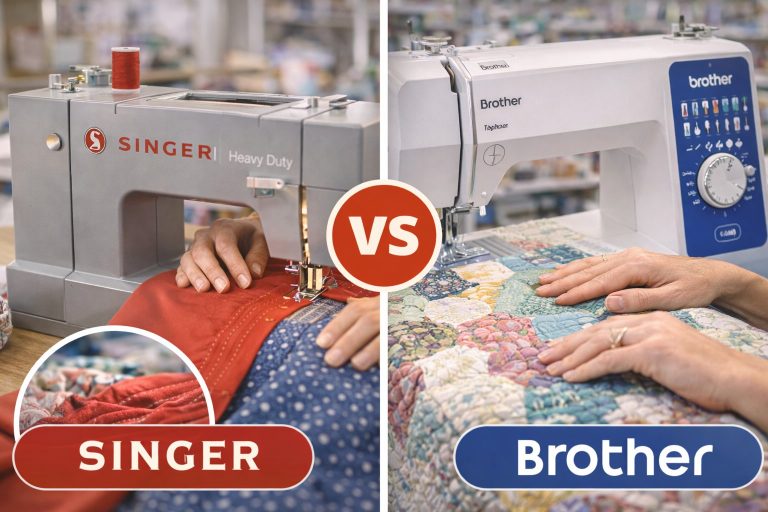
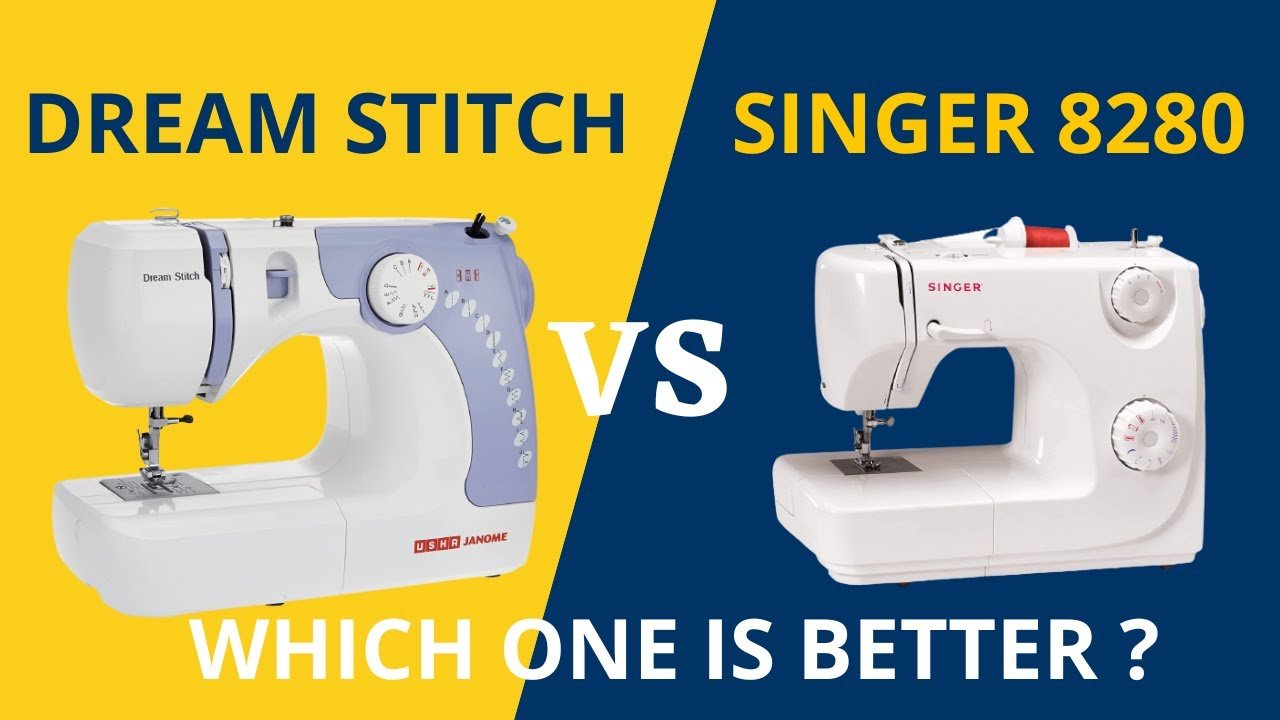
Usha wins for everyday sewing and heavy fabrics, while Singer is the better pick if you need advanced embroidery or computerized controls. The best choice between these two brands depends on what you sew. Usha machines handle thick layers well and cost less to fix. Singer offers more stitch options and easier threading on its newer models.
Usha vs Singer: what makes them different

These two brands aim at different needs. Usha focuses on sturdy mechanical machines that don’t quit on thick cotton or denim. You’ll find their parts in almost every local repair shop across India. Singer builds a wider range, from basic manual models to large computerized ones with hundreds of stitches.
| Feature | Usha | Singer |
|---|---|---|
| Best use | Heavy fabrics, daily wear | Embroidery, varied projects |
| Repair access | Very easy locally | Needs authorized centers |
| Stitch variety | Basic to medium | Wide, up to hundreds |
| Price for similar features | Lower | Higher |
| Motor strength | Strong for thickness | Varies by model |
| Computerized options | Fewer | Many |
If you sew thick materials like denim or canvas daily, buy a Usha. If you want decorative stitches or automated buttonholes, go with a Singer. Don’t buy a heavy-duty Usha just to hem light curtains, and don’t buy a computerized Singer if you only mend torn shirts once a month.
Stuck fabric feed dogs
Fabric that won’t move forward is the most common reason a machine seems broken. It happens because lint packs under the metal teeth or the presser foot pressure is set too low. You can check this yourself in under five minutes without any special tools.
Open the needle plate and look at the feed dogs—the small metal teeth under the needle. Brush out the lint with the small brush that came with your machine. Next, turn the presser foot pressure dial. On most Usha models it’s a knob on top; on Singer machines it’s often inside the left cover. Set it higher for thick fabric, lower for thin silk.
Running a machine with packed lint wears down the feed mechanism over time. Replacing that part costs as much as buying a new basic model. Clean the area after every three or four projects to avoid this. Your exact pressure setting is printed in the manual that came with your specific model number—check there, because a setting that works on one machine jams another.
Thread tension problems

Tension issues show up as loops on the bottom of your fabric or snapped threads. This is different from stuck feed dogs because the fabric moves fine, but the stitches look messy. The upper thread isn’t pulling evenly against the bobbin thread.
Rethread the machine completely with the presser foot raised. That opens the tension discs so the thread sits between them properly. If it still loops, turn the tension dial up by half a number. Test on a scrap of the exact fabric you plan to use. Thin cotton needs a lower setting than heavy denim.
Don’t force the tension dial past its highest mark when the thread keeps breaking. That bends the internal spring, and the whole assembly needs replacing. A replacement takes about twenty minutes and costs roughly the same as three spools of good thread. Check your machine’s manual for the factory default number before you start turning dials.
Bobbin case jamming
A jammed bobbin stops the needle instantly and often leaves a bird’s nest of thread underneath. This happens when the bobbin is inserted backward or wound unevenly. Usha and Singer machines use different bobbin styles, so mixing them up causes immediate tangles.
Take the bobbin out and check how the thread unwinds. On most front-loading Usha machines, the thread should pull clockwise. For top-loading Singer drop-in bobbins, follow the arrow printed next to the case. Wind a fresh bobbin slowly. Fast winding creates loose outer layers that catch during sewing.
Pushing the foot pedal harder won’t clear a bobbin jam. It snaps the needle, and a flying needle tip can hurt your eyes or scratch the machine bed. Stop, remove the fabric, cut the tangled threads with small scissors, and reinsert the bobbin correctly. This fix takes two minutes and nothing else.
Rare reasons your machine stops working
Sometimes the problem isn’t lint, tension, or the bobbin. These causes are less common, but they happen.
- Worn drive belt: The motor runs but the needle doesn’t move. Look for a loose or cracked rubber band inside the wheel cover.
- Bent needle bar: The needle hits the plate every time. This usually follows sewing over a thick seam too fast.
- Failed motor capacitor: The machine hums loudly but won’t start spinning. You’ll notice a burning smell near the power cord.
- Stripped gears: The handwheel turns freely with no resistance. This happens after years of forcing thick fabric through a light-duty model.
If the issue involves opening the motor housing or replacing internal wiring, stop. Working on electrical parts without training risks shock or fire. Take it to an authorized service center instead.
What fixing these issues actually takes

Clearing lint or rethreading takes about five minutes and costs nothing. Adjusting tension requires a scrap piece of your project fabric and maybe ten minutes of testing. Both fixes need no extra parts.
Replacing a drive belt or a tension assembly takes longer. You’ll need a screwdriver and about thirty minutes. The cost is small compared to the machine itself—think of it as the price of a few meters of good fabric rather than a major expense.
Motor repairs or gear replacements are different. They demand specific tools and technical knowledge. The final bill depends heavily on whether your model is still in production. Older machines might need custom-ordered parts. Get a written quote from a technician before agreeing to any internal repair. Sometimes the quote matches the price of a brand-new entry-level machine, and that tells you exactly where to draw the line.
Frequently asked questions
Can I use Singer bobbins in a Usha machine?
No, they aren’t interchangeable. Usha typically uses metal class 15 bobbins, while many Singer models use plastic drop-in styles. Using the wrong type causes thread jams and timing issues. Always check your specific manual for the exact bobbin class before buying replacements.
Why does my thread keep breaking on thick fabric?
Your needle is likely too thin for the material. Switch to a size 16 or 18 needle for denim or canvas. Also, slow down your foot pedal speed. Pushing fabric through faster than the needle can penetrate forces the thread to snap under pressure.
How long does a standard sewing machine last?
A mechanical machine lasts a long time with regular cleaning and oiling. Computerized models typically run for a shorter period before electronic boards fail. The real deciding factor is how often you clean the lint from the bobbin area and change the needle.
Is it safe to oil the machine myself?
Yes, but only use sewing machine oil and apply exactly one drop per point marked in your manual. Household oils or cooking sprays gum up the gears and ruin the internal felt pads. Wipe away any excess oil with a dry cloth before threading.
What happens if I use the wrong needle size?
A needle that’s too small bends or breaks when hitting thick seams. One that’s too large leaves permanent holes in delicate fabrics like silk or chiffon. Match the needle size to your fabric weight: size 11 for light cotton, size 14 for medium, and size 16 or 18 for heavy denim.
Does it matter where I buy replacement parts?
Yes, because counterfeit parts lack proper heat treatment. A cheap knockoff needle snaps easily, and a fake bobbin case throws off your timing. Buy parts from authorized dealers listed on Singer’s official support page or your local Usha service center to ensure correct sizing and safety.
How often should I change my sewing needle?
Change it after every 8 hours of actual sewing time, or at the start of every new project. A dull needle skips stitches and pulls threads. If you hear a popping sound as the needle goes through the fabric, it’s already too blunt and needs immediate replacement.
Picking between these two brands comes down to your daily work. Usha handles heavy, repetitive tasks without fuss and stays cheap to maintain. Singer gives you precision and variety when your projects change often.
Conclusion
Think about the projects you’ll tackle next month before deciding. If you’re mostly mending clothes or sewing curtains, Usha won’t let you down. But if you’re dreaming of detailed embroidery, Singer’s features will help you grow. Visit a local dealer to test both machines yourself.
Related guides
{“@context”:”https://schema.org”,”@type”:”FAQPage”,”mainEntity”:[{“@type”:”Question”,”name”:”Can I use Singer bobbins in a Usha machine?”,”acceptedAnswer”:{“@type”:”Answer”,”text”:”No, they aren’t interchangeable. Usha typically uses metal class 15 bobbins, while many Singer models use plastic drop-in styles. Using the wrong type causes thread jams and timing issues. Always check your specific manual for the exact bobbin class before buying replacements.”}},{“@type”:”Question”,”name”:”Why does my thread keep breaking on thick fabric?”,”acceptedAnswer”:{“@type”:”Answer”,”text”:”Your needle is likely too thin for the material. Switch to a size 16 or 18 needle for denim or canvas. Also, slow down your foot pedal speed. Pushing fabric through faster than the needle can penetrate forces the thread to snap under pressure.”}},{“@type”:”Question”,”name”:”How long does a standard sewing machine last?”,”acceptedAnswer”:{“@type”:”Answer”,”text”:”A mechanical machine lasts a long time with regular cleaning and oiling. Computerized models typically run for a shorter period before electronic boards fail. The real deciding factor is how often you clean the lint from the bobbin area and change the needle.”}},{“@type”:”Question”,”name”:”Is it safe to oil the machine myself?”,”acceptedAnswer”:{“@type”:”Answer”,”text”:”Yes, but only use sewing machine oil and apply exactly one drop per point marked in your manual. Household oils or cooking sprays gum up the gears and ruin the internal felt pads. Wipe away any excess oil with a dry cloth before threading.”}},{“@type”:”Question”,”name”:”What happens if I use the wrong needle size?”,”acceptedAnswer”:{“@type”:”Answer”,”text”:”A needle that’s too small bends or breaks when hitting thick seams. One that’s too large leaves permanent holes in delicate fabrics like silk or chiffon. Match the needle size to your fabric weight: size 11 for light cotton, size 14 for medium, and size 16 or 18 for heavy denim.”}},{“@type”:”Question”,”name”:”Does it matter where I buy replacement parts?”,”acceptedAnswer”:{“@type”:”Answer”,”text”:”Yes, because counterfeit parts lack proper heat treatment. A cheap knockoff needle snaps easily, and a fake bobbin case throws off your timing. Buy parts from authorized dealers listed on Singer’s official support page or your local Usha service center to ensure correct sizing and safety.”}},{“@type”:”Question”,”name”:”How often should I change my sewing needle?”,”acceptedAnswer”:{“@type”:”Answer”,”text”:”Change it after every 8 hours of actual sewing time, or at the start of every new project. A dull needle skips stitches and pulls threads. If you hear a popping sound as the needle goes through the fabric, it’s already too blunt and needs immediate replacement.”}}]}