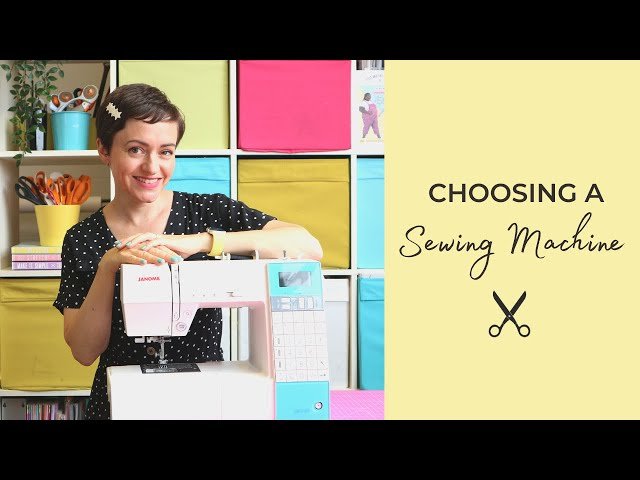
How Do You Choose a Sewing Machine? Match Motor to Fabric
You pick a sewing machine by matching its motor strength and stitch count to the fabric you’ll sew most of the time, which is how you choose one without spending money on features you’ll never touch. If you’re working with cotton or linen, a basic model handles it; if you’re sewing denim or canvas, you need a heavy-duty frame.
Steps for choosing a sewing machine
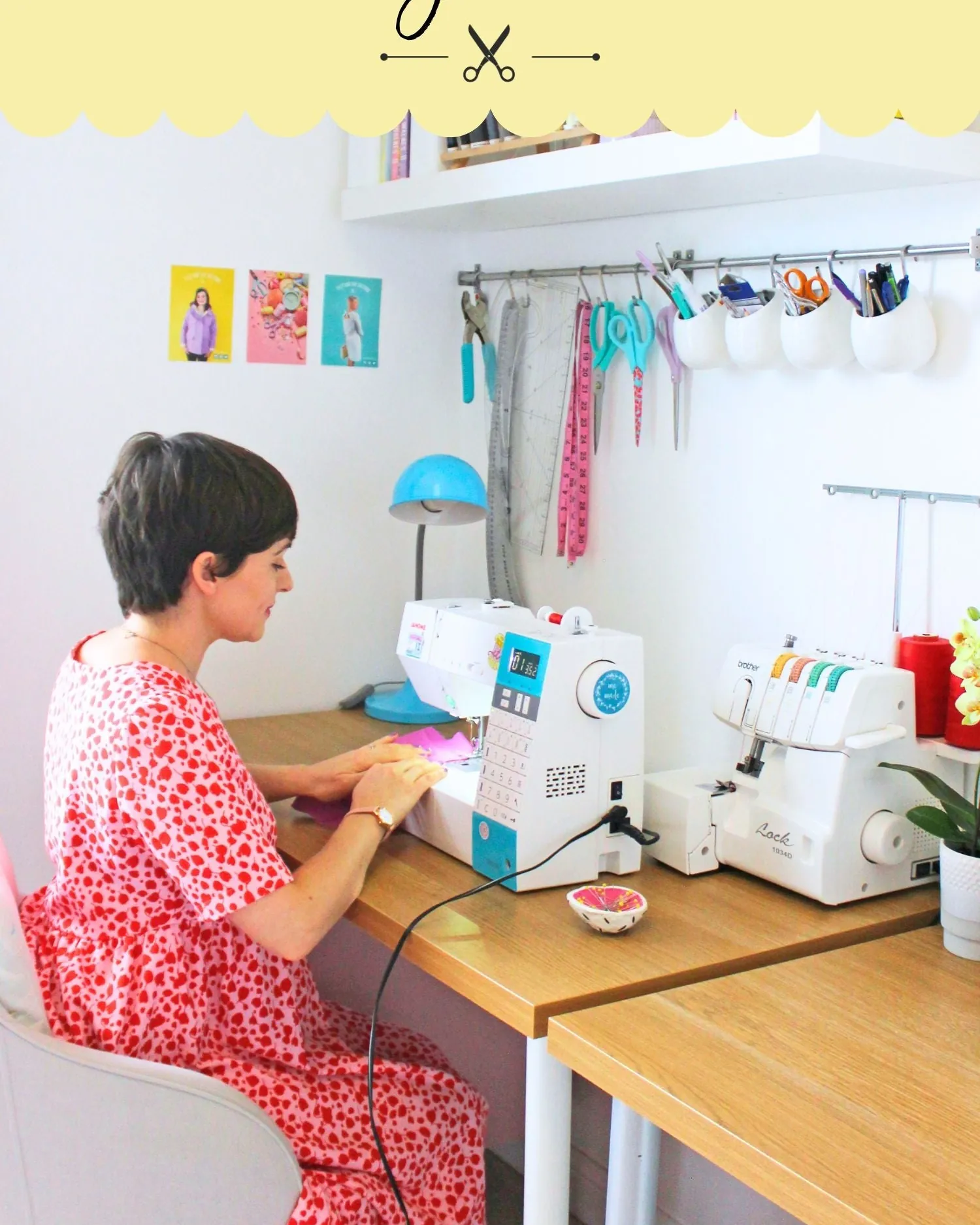
The right choice comes down to four things you can check before you buy anything. Skip these steps and you’ll end up with a machine that either struggles through your fabric or costs twice what you actually needed.
- Name your main fabric. If you sew mostly woven cottons and linens, a standard domestic machine is enough. If you work with denim, leather, or upholstery, you need a heavy-duty model with a metal internal frame.
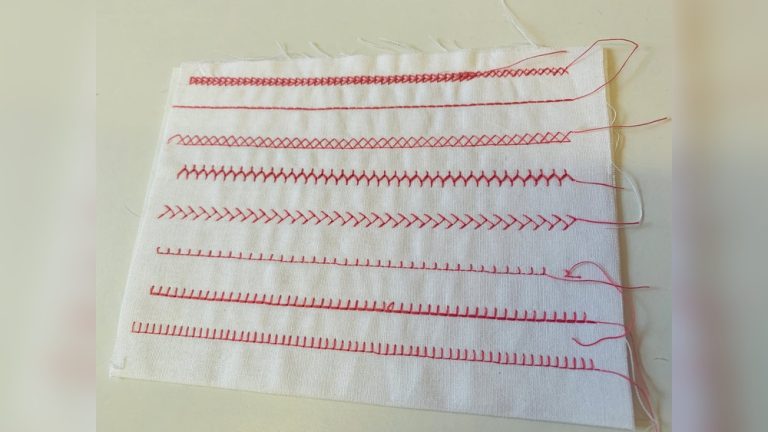
- Count the stitches you’ll actually use. A straight stitch, a zigzag, and a buttonhole cover almost every basic project. Machines offering 100+ stitches cost more, but you’ll likely use fewer than ten of them.
- Check the presser foot clearance. Thick layers need space under the foot. Measure the gap when the foot is fully raised — at least 8mm for medium fabrics, and over 10mm for heavy ones.
- Test the handwheel resistance. Turn it by hand. It should move smoothly without grinding. A stiff wheel means a weak motor that will stall on thick seams.
| Feature | Basic models | Heavy-duty models | Computerized models |
|---|---|---|---|
| Motor power | Standard | High torque | Variable |
| Stitch count | 10–25 | 15–30 | 100+ |
| Internal frame | Plastic or partial metal | Full metal | Metal |
| Best for | Cotton, silk, light blends | Denim, canvas, multiple layers | Quilting, embroidery, precise work |
| Speed control | Foot pedal only | Foot pedal | Dial plus pedal |
Why some sewing machines skip stitches
A skipped stitch happens when the needle thread doesn’t catch the bobbin thread underneath the fabric. Most of the time, the cause is simply the wrong needle size for the material you’re sewing. You can confirm this fast: pull the fabric out and look at the missed loops on the underside.
If the loops are there but unhooked, the timing between the needle and the bobbin hook is off. Check your machine’s manual for the exact needle system it requires, because putting a household needle into an industrial-style machine guarantees poor stitching. The specific needle type is always printed on the packaging or listed in the manufacturer’s documentation.
Wrong needle size for the fabric
A needle that’s too fine bends slightly as it pushes through heavy material, missing the bobbin hook entirely. That bend produces the skipped stitch you see on top while the underside looks messy and loose.
To confirm this, stop sewing and swap to a heavier needle. For medium-weight cotton, use a size 80/12; for denim, jump to a 90/14 or 100/16. These sizes assume standard woven fabrics — stretchy knits require ballpoint needles in the same weight range to push between fibers instead of piercing them.
The fix takes about two minutes. Loosen the needle clamp screw, pull the old needle straight down, and insert the new one with the flat side facing the back. Tighten the screw firmly. Running a thick fabric with a thin needle doesn’t just skip stitches; it snaps the needle, which can damage the bobbin case underneath. Replacing that case costs as much as several packs of quality needles.
Incorrect thread tension settings
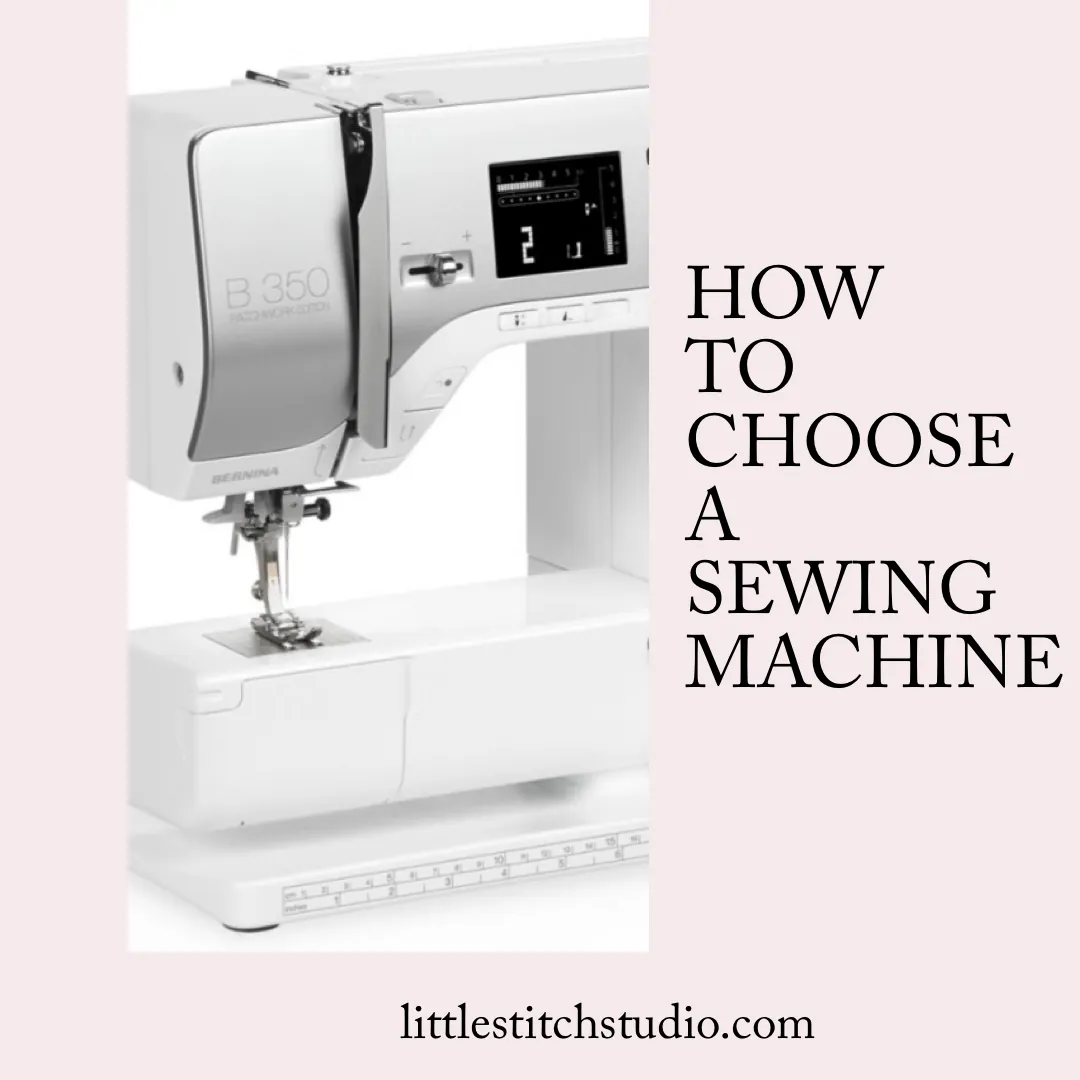
Tension problems show up differently than needle issues. If the top thread lies perfectly flat but the bobbin thread gets pulled up to the surface, your upper tension is too tight. That’s how you tell it apart from a bent needle.
Dial the upper tension down one number at a time. Standard settings sit around 4 or 5 on a dial that runs from 0 to 9, assuming you’re using standard all-purpose polyester thread. Thicker threads need a lower number to pass through the discs freely.
Sew a test line on a scrap of your actual project fabric. You want the knot where the two threads lock to hide exactly inside the middle of the fabric layers. Adjusting this takes five to ten minutes of testing. Don’t touch the bobbin case screw unless you’ve exhausted the upper dial first. Messing with the bobbin tension without a gauge often creates a worse problem that requires a technician to reset properly.
Dull or damaged needle point
Even the correct size fails once the point wears down. A dull needle punches a hole rather than sliding through the weave, leaving visible snags and uneven stitches along your seam.
Change your needle after every 8 hours of actual sewing time, or immediately after hitting a pin or zipper tooth. That 8-hour mark assumes continuous stitching on standard cotton; abrasive materials like canvas wear the point down much faster.
Hold the needle up to a bright light. If the tip looks rounded instead of sharp, throw it away. Pushing a dull needle forces the motor to work harder, which overheats smaller machines not built for that strain. This is a trade-off people ignore: saving an inexpensive needle risks burning out a motor that costs nearly as much as the machine itself to replace.
Rare reasons a sewing machine won’t stitch
Sometimes the problem isn’t the needle, the thread, or the tension dial. These causes happen in a small number of cases, but they stop everything completely.
- Lint packed in the bobbin race: The machine hums but the fabric doesn’t move. Remove the bobbin case and brush out the fuzz.
- Wrong bobbin style inserted: A class 15 bobbin in a machine built for a class 66 jams instantly. Match the shape exactly to your manual’s diagram.
- Bent needle bar: The needle hits the throat plate every time it goes down. This needs a qualified repair technician.
- Broken internal gear: The handwheel spins freely without moving the needle. Gear replacement is strictly professional work.
Your own checks stop at cleaning lint, verifying the bobbin size, and changing the needle. Opening the housing to reach gears or electrical parts risks injury from capacitors that hold a charge even when unplugged. Leave internal mechanical repairs to authorized service centers.
What fixing sewing machine problems involves
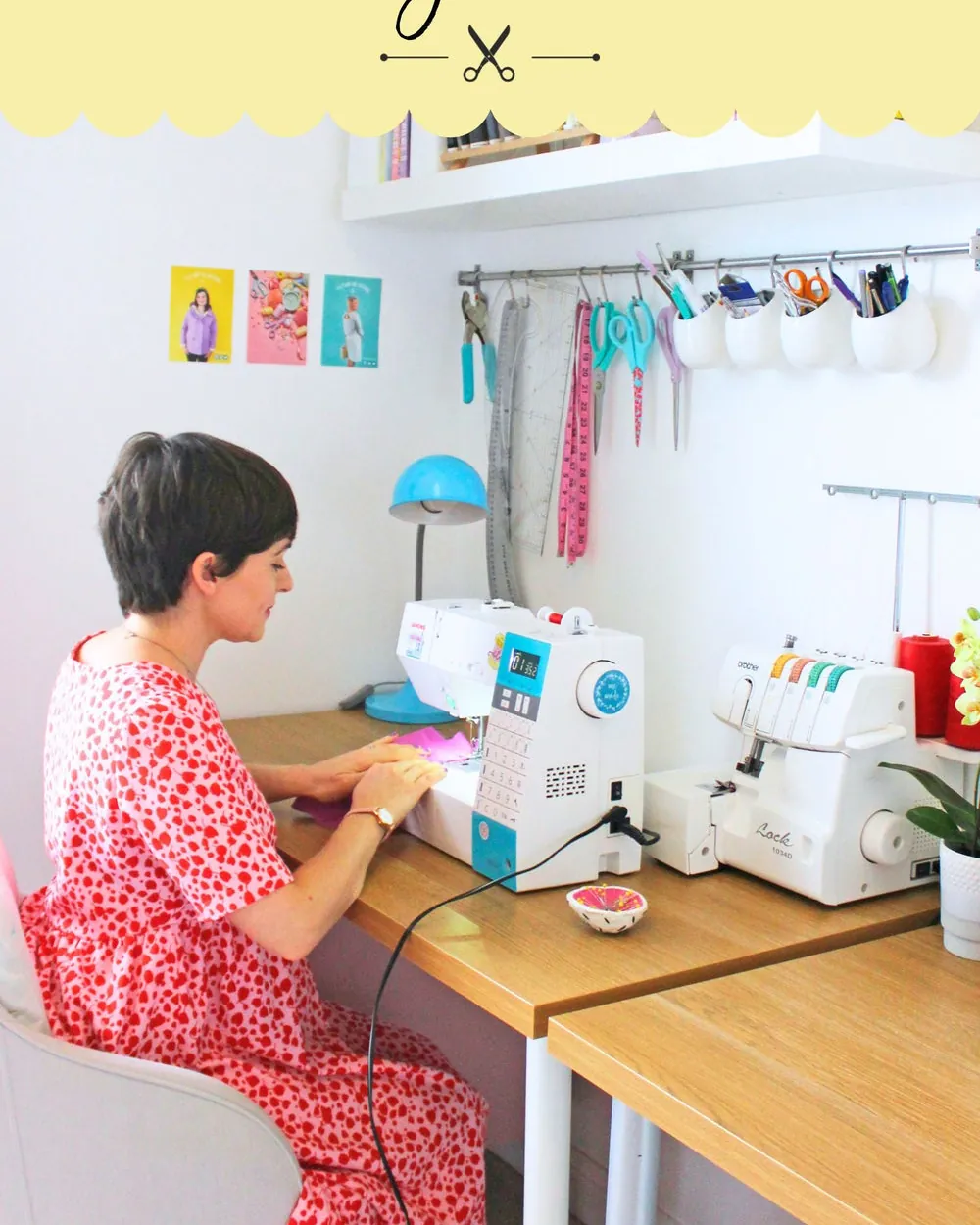
Most fixes demand nothing more than a small screwdriver, a brush, and five minutes of your time. Swapping a needle or rethreading the machine costs less than a spool of thread and takes under two minutes.
Adjusting tension requires patience, not tools. You’ll spend ten minutes sewing test scraps until the stitches balance out. Cleaning the bobbin area takes about the same time and keeps the motor running smoothly.
If the timing is genuinely off, or a gear has stripped, you’ll need a professional. That repair costs roughly the same as buying a brand-new entry-level machine. Get a real quote by calling a local authorized dealer with your exact model number ready. The total depends heavily on whether your machine uses plastic or metal internal parts. Always check the service section of your owner’s manual before paying anyone else to look at it.
Frequently asked questions
How long does a sewing machine last?
A machine with a metal internal frame lasts significantly longer than one with plastic gears under normal home use, assuming regular cleaning and oiling. Your actual lifespan depends on how thick your fabrics are and how often you sew.
Can I use any needle in my sewing machine?
No, you must match the needle system to your specific machine. Household machines typically take 130/705H system needles, while older or industrial models use completely different shanks. The required system is stamped on the original packaging or listed in your manual.
Why does my thread keep breaking?
It breaks because the upper tension is too tight or the thread caught on a rough spot near the needle eye. Rethread the machine completely with the presser foot raised so the discs open. If it still snaps, run your finger along the thread path to feel for burrs.
Is it safe to oil a computerized sewing machine?
No, adding oil to a computerized model can ruin the circuit boards. Only oil machines that have specific metal-on-metal contact points marked in the manual. Computerized models rely on sealed bearings and self-lubricating gears that don’t need your help.
What happens if I sew over pins?
The needle strikes the pin, bends, or snaps, sending sharp metal pieces flying toward your face. It also knocks the needle bar out of alignment, which ruins your stitch timing. Always remove pins before the presser foot reaches them.
Does it matter what thread weight I use?
Yes, the thread thickness must match your needle size. Fine 60-weight thread needs a size 70/10 needle, while heavy 30-weight thread requires a 90/14 or larger. Using thick thread in a small needle fills the eye completely, causing friction that shreds the fiber.
How many stitches do I actually need?
Five stitches handle almost every basic garment project: straight, zigzag, blind hem, stretch, and buttonhole. Machines advertising hundreds of stitches mostly offer decorative variations you’ll rarely use. Pay for build quality instead of digital stitch counts.
Conclusion
Picking the right machine comes down to honesty about your projects. Match the motor to your heaviest fabric, change the needle before it dulls, and leave the internal gears to professionals. The best machine isn’t the one with the most features; it’s the one that feeds your specific fabric smoothly every time you press the pedal.
{“@context”:”https://schema.org”,”@type”:”FAQPage”,”mainEntity”:[{“@type”:”Question”,”name”:”How long does a sewing machine last?”,”acceptedAnswer”:{“@type”:”Answer”,”text”:”A machine with a metal internal frame lasts significantly longer than one with plastic gears under normal home use, assuming regular cleaning and oiling. Your actual lifespan depends on how thick your fabrics are and how often you sew.”}},{“@type”:”Question”,”name”:”Can I use any needle in my sewing machine?”,”acceptedAnswer”:{“@type”:”Answer”,”text”:”No, you must match the needle system to your specific machine. Household machines typically take 130/705H system needles, while older or industrial models use completely different shanks. The required system is stamped on the original packaging or listed in your manual.”}},{“@type”:”Question”,”name”:”Why does my thread keep breaking?”,”acceptedAnswer”:{“@type”:”Answer”,”text”:”It breaks because the upper tension is too tight or the thread caught on a rough spot near the needle eye. Rethread the machine completely with the presser foot raised so the discs open. If it still snaps, run your finger along the thread path to feel for burrs.”}},{“@type”:”Question”,”name”:”Is it safe to oil a computerized sewing machine?”,”acceptedAnswer”:{“@type”:”Answer”,”text”:”No, adding oil to a computerized model can ruin the circuit boards. Only oil machines that have specific metal-on-metal contact points marked in the manual. Computerized models rely on sealed bearings and self-lubricating gears that don’t need your help.”}},{“@type”:”Question”,”name”:”What happens if I sew over pins?”,”acceptedAnswer”:{“@type”:”Answer”,”text”:”The needle strikes the pin, bends, or snaps, sending sharp metal pieces flying toward your face. It also knocks the needle bar out of alignment, which ruins your stitch timing. Always remove pins before the presser foot reaches them.”}},{“@type”:”Question”,”name”:”Does it matter what thread weight I use?”,”acceptedAnswer”:{“@type”:”Answer”,”text”:”Yes, the thread thickness must match your needle size. Fine 60-weight thread needs a size 70/10 needle, while heavy 30-weight thread requires a 90/14 or larger. Using thick thread in a small needle fills the eye completely, causing friction that shreds the fiber.”}},{“@type”:”Question”,”name”:”How many stitches do I actually need?”,”acceptedAnswer”:{“@type”:”Answer”,”text”:”Five stitches handle almost every basic garment project: straight, zigzag, blind hem, stretch, and buttonhole. Machines advertising hundreds of stitches mostly offer decorative variations you’ll rarely use. Pay for build quality instead of digital stitch counts.”}}]}