Which Brother Sewing Machine Is Best? Picks by Project
The best Brother sewing machine depends entirely on what you plan to sew. For everyday clothes and home projects, the Brother CS7000X handles most tasks without trouble. If you need to embroider, the Brother SE1900 gives you a large hoop and built-in designs. Quilters usually want the Brother PQ1500SL for its speed and straight stitches. Pick the one that matches your main project, not every possible future one.
Why a Brother sewing machine won’t work right
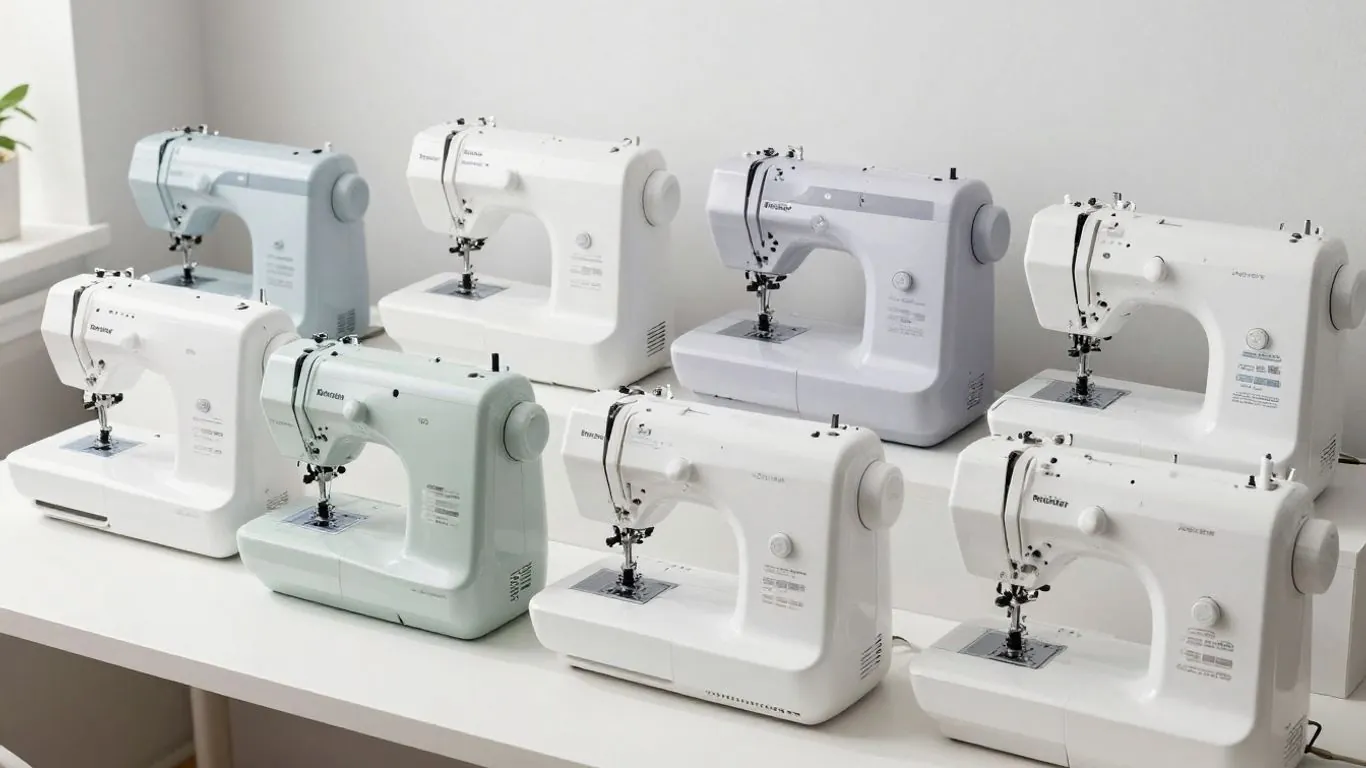
A jammed bobbin area causes most stitching problems on these machines. Thread bunches up under the fabric when lint blocks the hook or the bobbin sits wrong. You’ll confirm this fast by taking out the bobbin case and looking for trapped threads. Pull them out with tweezers, rethread everything, and try again before touching any dials.
If the needle won’t move at all but the motor hums, check the handwheel on the right side. It might be set to bobbin-winding mode instead of sewing mode. Push it back in and the needle starts moving again. That two-second fix saves hours of worry.
Reasons a Brother sewing machine stops stitching
Different problems show different signs. This table ranks them from the most common to the rarest so you don’t waste time checking the wrong thing first.
| Cause | How common | How to confirm it | Fix it yourself? |
|---|---|---|---|
| Bobbin thread jam | Most frequent | Fabric won’t move, thread bunches below | Yes |
| Wrong needle type | Very common | Skipped stitches, broken needles | Yes |
| Incorrect threading path | Common | Top thread breaks constantly | Yes |
| Tension dial set wrong | Fairly common | Loops on top or bottom of fabric | Yes |
| Lint in feed dogs | Less common | Fabric doesn’t advance evenly | Yes with care |
| Timing belt slipped | Rare | Needle hits bobbin case directly | No |
| Motor failure | Very rare | Machine won’t turn on at all | No |
A jammed bobbin ruins every stitch
Thread nests under the fabric almost always start in the bobbin case. The lower thread catches on lint or a scratched case edge, pulling the top thread down into a tangled mess.
Take the needle plate off using the small screwdriver that came with your machine. Lift the bobbin case out and look closely at the metal ring around it. If you see wrapped thread, cut it carefully with small scissors. Don’t pull hard because you might bend the thin tension spring underneath.
Clean the area with a soft brush. Put the bobbin back in, making sure the thread unwinds clockwise on a top-loading model like the CS7000X. If your machine loads from the front, follow the diagram printed inside the door.
You can find the exact cleaning steps for your specific model in the Brother support manual section.
The wrong needle skips stitches constantly
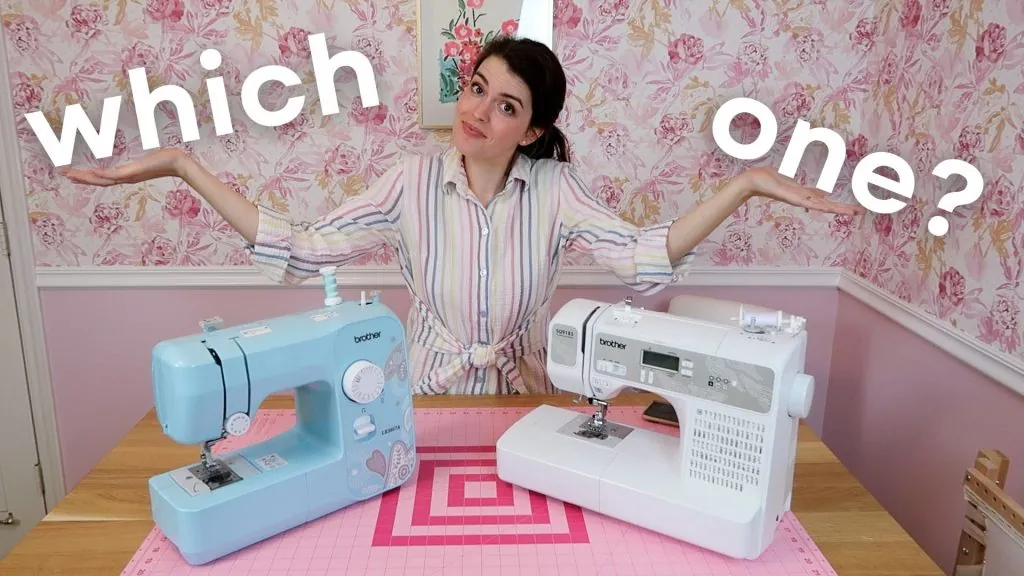
Skipped stitches point to a needle problem, while a thread jam points to the bobbin area.
A ballpoint needle pushed through woven cotton will skip because it pushes fibers aside instead of piercing them. Use a universal needle for regular fabrics and a sharp microtex needle for silk or tightly woven materials. Denim needs a heavy size 90/14 needle to punch through thick layers without bending.
Check the flat side of the needle shank. On most Brother models, the flat side faces the back. If it faces sideways, the hook misses the thread loop entirely. Push the needle all the way up into the clamp before tightening the screw.
Always match the needle size to your fabric weight. A size 70/10 works for light cotton, while a 100/16 handles canvas. Using a thick needle on thin fabric leaves visible holes you can’t remove.
Tension settings change with every fabric
Loops on the bottom of your fabric mean the top tension is too loose. Loops on top mean it’s too tight. The default setting is usually 4 on the dial, assuming medium-weight cotton and standard polyester thread.
Change the dial by only half a number at a time. Test on a scrap piece of the exact fabric you plan to use.
Thicker threads need looser tension because they fill more space in the stitch. Thin embroidery thread requires tighter settings to lock properly inside the fabric layers. Switching from cotton to stretchy knit means adjusting both the tension and the needle type together.
Don’t touch the tiny screw on the bobbin case unless absolutely necessary. Factory settings handle most threads perfectly.
If you switch to metallic thread, drop the top tension down to 2 or 3. Metallic threads shred easily under normal pressure.
Other reasons a Brother sewing machine fails
Sometimes the obvious fixes don’t solve the problem.
- Lint packed under the feed dogs: Fabric moves unevenly or barely advances; unscrew the needle plate and brush the metal teeth clean.
- Bent presser foot: Stitches pucker on one side only; look at the foot from the front to see if it sits flat against the plate.
- Software glitch on computerized models: The screen freezes or ignores button presses; unplug the machine for sixty seconds and restart it.
- Slipped timing belt: The needle strikes the bobbin case with a loud metal click;
- Burnt motor: You smell burning plastic and nothing turns on; take it to an authorized service center listed on Brother’s official site.
Stop testing once you suspect an internal mechanical or electrical fault. Leave those repairs to trained professionals with proper diagnostic equipment.
What fixing a Brother sewing machine requires
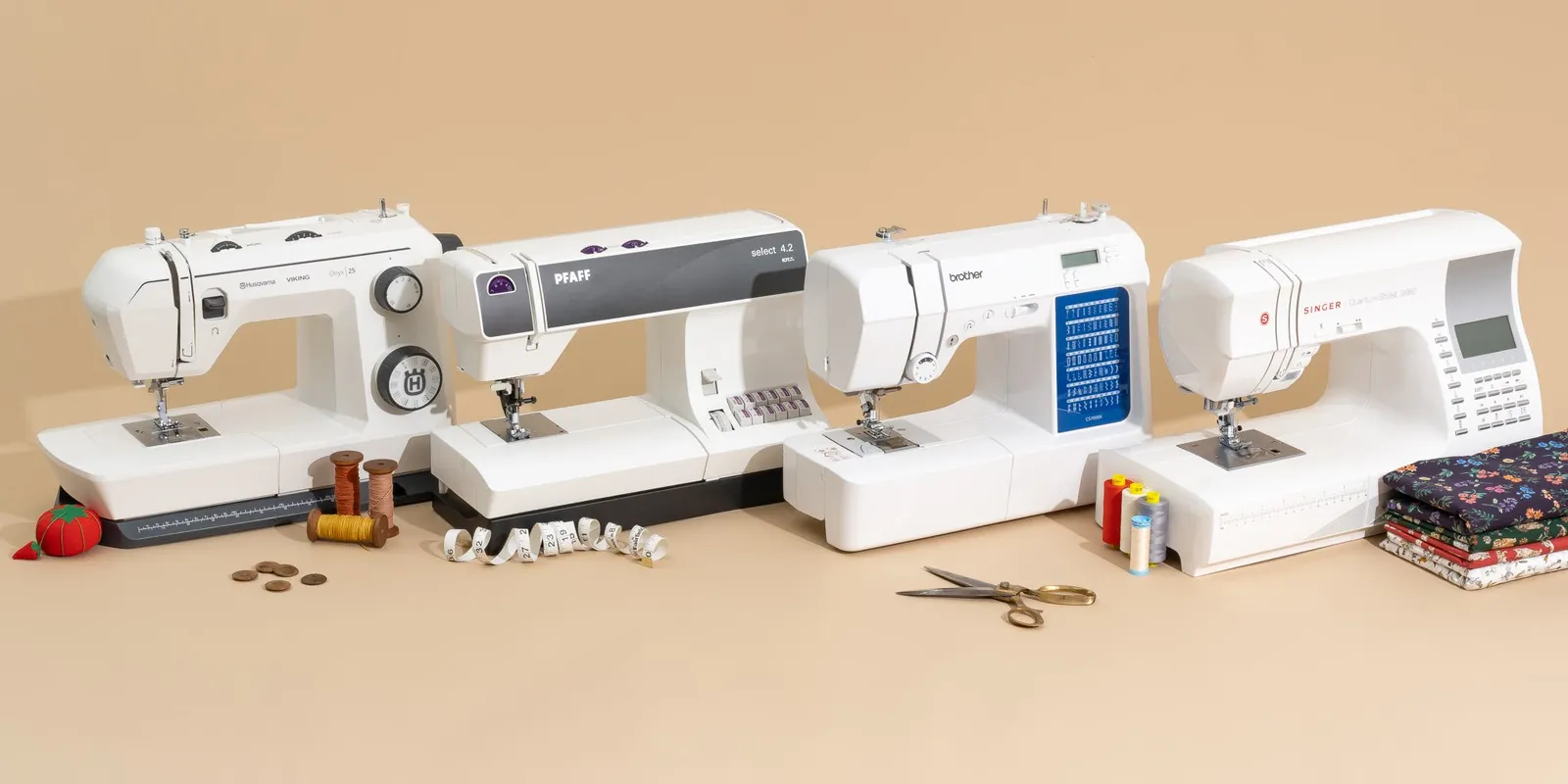
Simple fixes demand almost nothing from you.
Adjusting tension requires no tools at all, just patience and scrap fabric for testing. Rushing leads to worse stitches.
Deeper repairs change the picture completely. Replacing a timing belt or a circuit board on a computerized model like the SE1900 means paying for skilled labor. That cost often approaches the price difference between your current model and the next one up in Brother’s lineup.
Before paying for service, check your warranty status on the sticker at the back of the machine. If you’re still covered, contact an authorized dealer directly. Out-of-warranty repairs only make sense when the machine originally cost significantly more than the repair itself. Otherwise, upgrading saves money over time.
Frequently asked questions
Can I use a Brother sewing machine for quilting?
Yes, but only specific models handle thick quilt sandwiches well. The PQ1500SL sews up to 1,500 stitches per minute, which quilters need for long straight seams. Standard models like the CS7000X work for piecing small blocks but struggle with heavy layers. Check the machine’s throat space measurement in your manual before starting a large quilt.
Why does my thread keep breaking on top?
Top thread breaks when the tension dial is set too high or the threading path missed a guide. Rethread the machine with the presser foot raised so the tension discs open fully. If it still snaps, switch to a fresh spool because old thread becomes brittle. Size 50 cotton thread works best for general sewing on these machines.
How long does a Brother sewing machine last?
A mechanical Brother machine runs for many years with yearly cleaning and oiling. Computerized models typically last until electronic parts fail. Your actual lifespan depends entirely on how often you sew and whether you clear lint after every project. Heavy daily use shortens these ranges significantly.
Is it safe to oil my Brother machine myself?
Only if your manual explicitly shows oiling points. Modern computerized models are factory-lubricated and sealed, meaning added oil damages the circuit boards. Mechanical models usually need one drop of sewing machine oil on the hook race after every eight hours of sewing. Never use household oils because they turn sticky and trap dust.
What happens if I use the wrong bobbins?
Wrong bobbins cause immediate thread jams and can scratch the bobbin case permanently. Brother machines mostly use SA156 class 15 bobbins, which are exactly 11.5 mm deep. Metal bobbins in a machine designed for plastic ones can disrupt the optical bobbin sensor or damage the bobbin case. Always match the exact bobbin style printed in your user guide.
Does it matter which presser foot I attach?
It matters because the wrong foot ruins stitch quality instantly. A zipper foot won’t hold fabric flat for regular straight stitching. The walking foot feeds thick layers evenly, preventing puckering on knits. Each specialty foot has a specific pin alignment, so forcing one that doesn’t fit bends the ankle clamp.
How often should I change the sewing needle?
Change the needle after every 8 hours of actual sewing time, or at the start of each new project. A dull needle makes a popping sound as it pushes through fabric instead of slicing cleanly. Sewing over pins or thick seams bends the tip invisibly. Keeping a fresh needle in the machine prevents skipped stitches and fabric pulls.
Conclusion
Picking the right machine comes down to matching your main project to the model built for it. Don’t buy a heavy quilter for hemming pants, and don’t expect a basic mechanical machine to digitize embroidery files. Look at what you actually sewed last month, not what you hope to try next year. That single habit keeps you from overspending on features you’ll never touch and guarantees the machine you bring home fits your hands perfectly.
{“@context”:”https://schema.org”,”@type”:”FAQPage”,”mainEntity”:[{“@type”:”Question”,”name”:”Can I use a Brother sewing machine for quilting?”,”acceptedAnswer”:{“@type”:”Answer”,”text”:”Yes, but only specific models handle thick quilt sandwiches well. The PQ1500SL sews up to 1,500 stitches per minute, which quilters need for long straight seams. Standard models like the CS7000X work for piecing small blocks but struggle with heavy layers. Check the machine’s throat space measurement in your manual before starting a large quilt.”}},{“@type”:”Question”,”name”:”Why does my thread keep breaking on top?”,”acceptedAnswer”:{“@type”:”Answer”,”text”:”Top thread breaks when the tension dial is set too high or the threading path missed a guide. Rethread the machine with the presser foot raised so the tension discs open fully. If it still snaps, switch to a fresh spool because old thread becomes brittle. Size 50 cotton thread works best for general sewing on these machines.”}},{“@type”:”Question”,”name”:”How long does a Brother sewing machine last?”,”acceptedAnswer”:{“@type”:”Answer”,”text”:”A mechanical Brother machine runs for many years with yearly cleaning and oiling. Computerized models typically last until electronic parts fail. Your actual lifespan depends entirely on how often you sew and whether you clear lint after every project. Heavy daily use shortens these ranges significantly.”}},{“@type”:”Question”,”name”:”Is it safe to oil my Brother machine myself?”,”acceptedAnswer”:{“@type”:”Answer”,”text”:”Only if your manual explicitly shows oiling points. Modern computerized models are factory-lubricated and sealed, meaning added oil damages the circuit boards. Mechanical models usually need one drop of sewing machine oil on the hook race after every eight hours of sewing. Never use household oils because they turn sticky and trap dust.”}},{“@type”:”Question”,”name”:”What happens if I use the wrong bobbins?”,”acceptedAnswer”:{“@type”:”Answer”,”text”:”Wrong bobbins cause immediate thread jams and can scratch the bobbin case permanently. Brother machines mostly use SA156 class 15 bobbins, which are exactly 11.5 mm deep. Metal bobbins in a machine designed for plastic ones can disrupt the optical bobbin sensor or damage the bobbin case. Always match the exact bobbin style printed in your user guide.”}},{“@type”:”Question”,”name”:”Does it matter which presser foot I attach?”,”acceptedAnswer”:{“@type”:”Answer”,”text”:”It matters because the wrong foot ruins stitch quality instantly. A zipper foot won’t hold fabric flat for regular straight stitching. The walking foot feeds thick layers evenly, preventing puckering on knits. Each specialty foot has a specific pin alignment, so forcing one that doesn’t fit bends the ankle clamp.”}},{“@type”:”Question”,”name”:”How often should I change the sewing needle?”,”acceptedAnswer”:{“@type”:”Answer”,”text”:”Change the needle after every 8 hours of actual sewing time, or at the start of each new project. A dull needle makes a popping sound as it pushes through fabric instead of slicing cleanly. Sewing over pins or thick seams bends the tip invisibly. Keeping a fresh needle in the machine prevents skipped stitches and fabric pulls.”}}]}