Sewing Machine Kits: What to Expect in Your First Starter Set
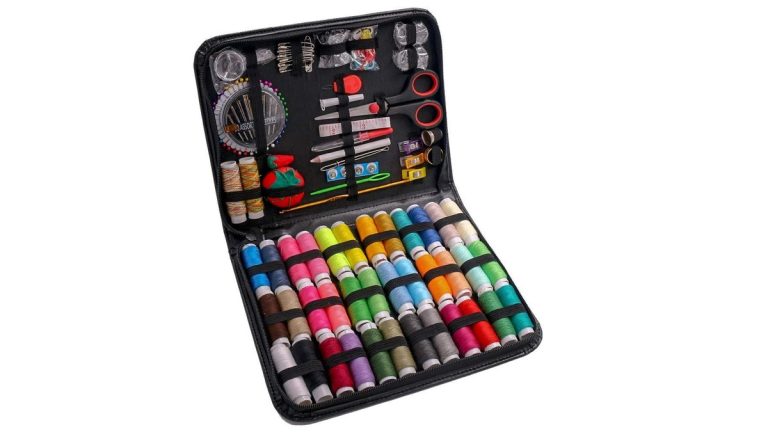
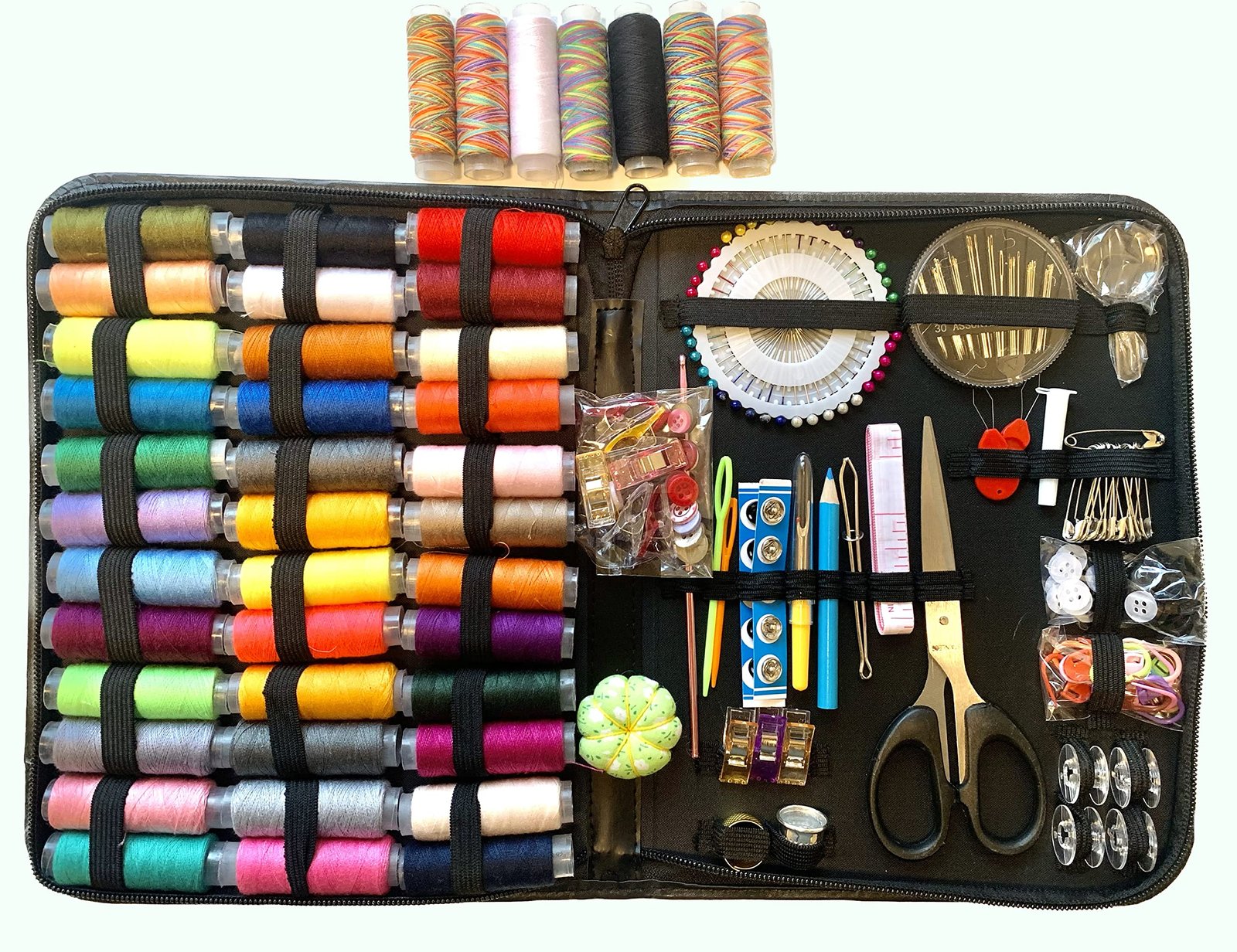
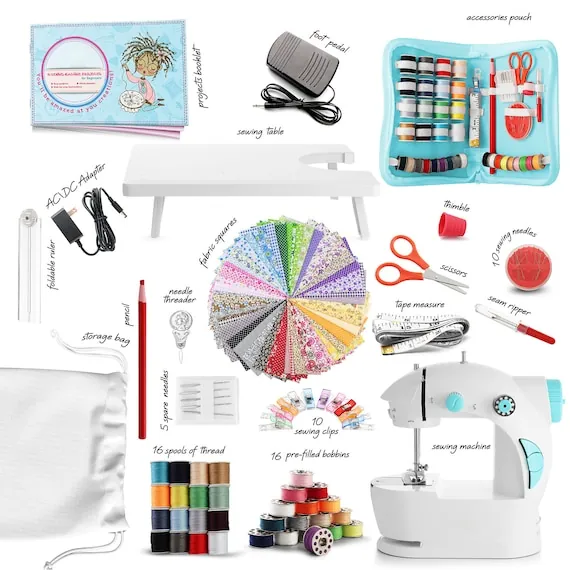
New sewing machine kits typically include a basic mechanical machine, a set of needles, a few bobbins, and a small selection of thread. These packages serve as an entry point for people who want to learn basic garment construction or simple home repairs without buying individual parts separately. The main difference between these kits is whether they provide a beginner-friendly electronic model or a manual, heavy-duty mechanical machine that requires more physical control.
Comparing common sewing starter bundles
Every kit serves a specific skill level or project type. You should choose yours based on whether you want to focus on light clothing repairs or heavier fabric crafts like quilting.
| Kit contents | Best for | Typical example |
|---|---|---|
| Basic mechanical machine | Simple home repairs | Entry-level home sewing machine |
| Quilting-focused set | Patchwork and thick fabrics | Machine with walking foot |
| Embroidery-ready bundle | Decorative fabric projects | Computerized embroidery machine |
| Portable mini set | Quick travel fixes | Handheld battery-operated machine |
| Heavy-duty starter kit | Thick denim and leather | Industrial-style mechanical machine |
Basic mechanical machine bundles
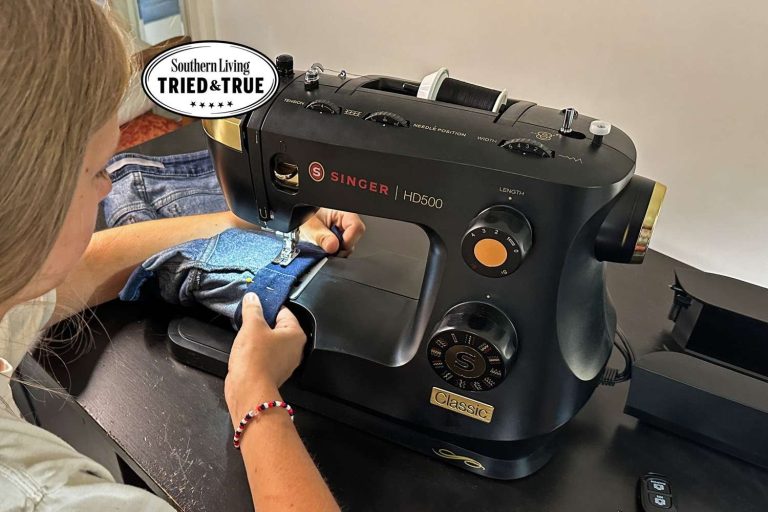
Mechanical machine kits are the standard choice for those learning the core mechanics of fabric movement.
- Provides clear, tactile feedback for every stitch adjustment you make.
- Offers high reliability for basic straight and zigzag stitches.
- Includes essential accessories like a zipper foot and buttonhole attachment.
If you’re just starting, use a machine with a simple drop-in bobbin system. This makes loading the thread much faster and prevents the tangles that often cause beginners to quit. For example, a standard beginner mechanical kit often includes a machine with 12 built-in stitches and a set of 10 universal needles size 80/12.
Quilting and thick fabric sets
These kits include machines with a larger throat space, which is the distance between the needle and the machine body. This extra room allows you to move large fabric rolls through the machine more easily. The Consumer Product Safety Commission notes that users should always verify that a machine’s electrical components meet current safety standards before plugging them in.
- Features a “walking foot” attachment to help feed multiple fabric layers evenly.
- Includes an extended table to support the weight of heavy quilts.
- Uses a powerful motor designed to pierce through several layers of batting.
If you plan to work on thick blankets, pick a kit that includes a walking foot. Without one, the top layer of your fabric will often slide, causing the seams to look crooked after you finish.
Computerized embroidery machine kits

Computerized machines use digital screens to help you select complex patterns or decorative stitches. These are best for people who want to decorate shirts or bags with precise designs that are difficult to do by hand.
- Features a touchscreen interface for selecting designs and stitch types.
- Includes pre-loaded embroidery patterns for immediate practice.
- Provides automatic needle threaders to save time on setup.
If you aren’t comfortable with technology, digital machines can be frustrating.
Portable mini sewing kits
These kits are small, battery-operated tools designed for quick repairs while you’re away from home. They aren’t meant for sewing entire garments or working on heavy fabrics.
Fits easily into a suitcase or a small drawer. Uses simple chain-stitch mechanics for rapid, temporary repairs. Operates on standard AA batteries for use without a wall outlet.
These aren’t for long-term projects. If you use one to sew a long seam, the thread often comes loose because the machine lacks a proper backstitching function to lock the ends of your work.
If you notice your fabric is thicker than two layers of denim, put the device away. The motor will stall and likely strip its plastic gears under that resistance. For a secure finish, always tie a double knot by hand once the machine stops. If the seam must hold for more than a day, use these only to tack the fabric before finishing with a needle and thread.
Other sewing machine options
-
Refurbished machine kits: These are used units inspected and cleaned by a certified technician. They offer a reliable path for students to acquire professional-grade features at a 30 to 40 percent discount. Always verify that the kit includes the original foot pedal and a complete set of presser feet, as replacing these proprietary parts often negates your initial savings.
-
Serger bundles: A serger trims fabric edges while simultaneously overlocking seams. Don’t purchase one until you can sew a straight line consistently on a standard machine. If your current projects involve jersey knits or fraying linens, a serger is the right upgrade. If you primarily sew quilting cottons, stick to a standard machine to avoid unnecessary frustration.
-
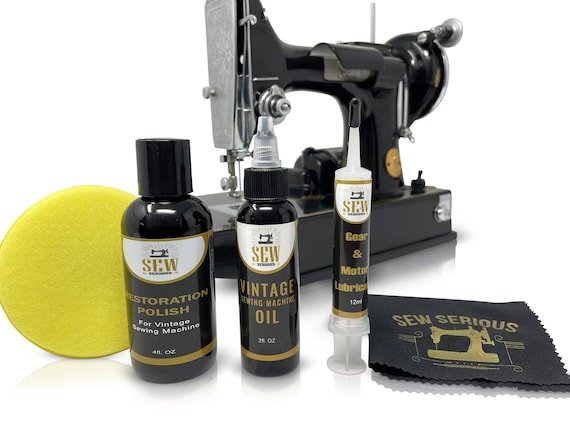
Vintage mechanical sets: These all-metal machines weigh upwards of 30 pounds. Their internal gears handle thick leather or heavy canvas without stalling. If you find one, check that the handwheel turns smoothly before plugging it in.
Choosing the right setup
Your choice depends on your primary goal and the space you have available. If you want to focus on clothing, a standard mechanical machine is your best starting point. These machines require different needles, thread weights, and tension settings to handle heavy denim versus delicate silk.
If you want to make blankets, choose a quilting kit with an extension table. The table provides the necessary surface area to support bulky fabric, preventing uneven tension. If you travel often and need to fix a hem, a portable mini kit is the right tool.
You can usually combine a basic machine with extra feet or needles later. However, you can’t turn a mini machine into a full-sized one. If you intend to sew for more than thirty minutes at a time, avoid the mini kits. They lack the motor power for sustained work and often snap under thick fabric. Decide if you want to grow into your machine or if you just need a temporary fix.
Frequently asked questions
Can I learn to sew on a computerized machine?
Yes, you can learn on a computerized machine, but it often takes longer to master the interface. You should start by using only the basic straight-stitch setting to get comfortable with your fabric speed before you try the digital pattern menus.
How long do sewing machine needles last?
A standard needle lasts for about 8 to 10 hours of active sewing time. You should change the needle as soon as you hear a thumping sound or see skipped stitches, as a dull point will damage your fabric.
Is it safe to leave my machine plugged in?
It isn’t safe to leave your sewing machine plugged in when you aren’t using it. You should always turn the power switch off and unplug the cord when not in use to prevent accidental operation.
What happens if the bobbin thread keeps jamming?
Jamming usually happens because the bobbin is wound too loosely or loaded in the wrong direction. You should re-thread your machine and check that the bobbin case is free of lint or stray thread ends that might block the rotation.
Does it matter which thread I use?
Yes, using the wrong thread weight can break your needle or cause uneven tension. You should check your machine’s manual to see the recommended thread type, as most household machines prefer standard polyester thread for general projects.
How often should I oil my machine?
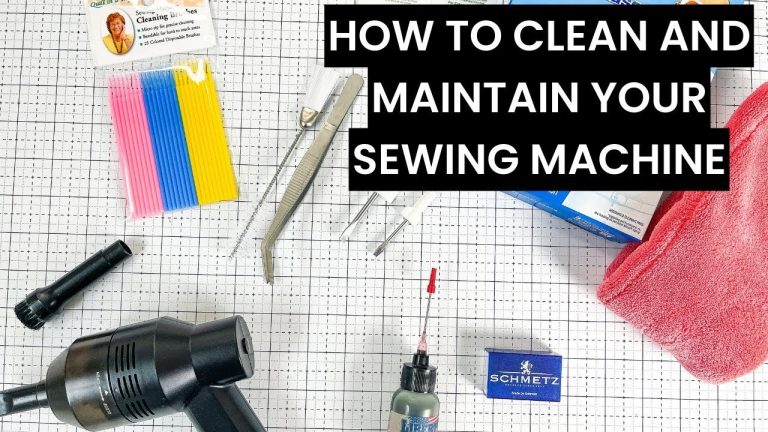
You should oil your machine according to the schedule in your specific manual, usually after every 20 hours of use. Never use generic household oil, as it can gum up the internal gears and cause the motor to lock.
Conclusion
Start by reading the manual that came with your machine to identify the bobbin loading process and the tension dial. You’ll know your machine is set up correctly when the top and bottom threads lock together in the center of the fabric without loops. If the machine makes a loud grinding noise or the needle hits the plate, stop immediately and contact a professional repair shop.
{“@context”:”https://schema.org”,”@type”:”FAQPage”,”mainEntity”:[{“@type”:”Question”,”name”:”Can I learn to sew on a computerized machine?”,”acceptedAnswer”:{“@type”:”Answer”,”text”:”Yes, you can learn on a computerized machine, but it often takes longer to master the interface. You should start by using only the basic straight-stitch setting to get comfortable with your fabric speed before you try the digital pattern menus.”}},{“@type”:”Question”,”name”:”How long do sewing machine needles last?”,”acceptedAnswer”:{“@type”:”Answer”,”text”:”A standard needle lasts for about 8 to 10 hours of active sewing time. You should change the needle as soon as you hear a thumping sound or see skipped stitches, as a dull point will damage your fabric.”}},{“@type”:”Question”,”name”:”Is it safe to leave my machine plugged in?”,”acceptedAnswer”:{“@type”:”Answer”,”text”:”It isn’t safe to leave your sewing machine plugged in when you aren’t using it. You should always turn the power switch off and unplug the cord when not in use to prevent accidental operation.”}},{“@type”:”Question”,”name”:”What happens if the bobbin thread keeps jamming?”,”acceptedAnswer”:{“@type”:”Answer”,”text”:”Jamming usually happens because the bobbin is wound too loosely or loaded in the wrong direction. You should re-thread your machine and check that the bobbin case is free of lint or stray thread ends that might block the rotation.”}},{“@type”:”Question”,”name”:”Does it matter which thread I use?”,”acceptedAnswer”:{“@type”:”Answer”,”text”:”Yes, using the wrong thread weight can break your needle or cause uneven tension. You should check your machine’s manual to see the recommended thread type, as most household machines prefer standard polyester thread for general projects.”}},{“@type”:”Question”,”name”:”How often should I oil my machine?”,”acceptedAnswer”:{“@type”:”Answer”,”text”:”You should oil your machine according to the schedule in your specific manual, usually after every 20 hours of use. Never use generic household oil, as it can gum up the internal gears and cause the motor to lock.”}}]}