Best Sewing Machine Kits for Beginners: A Complete Starter Guide
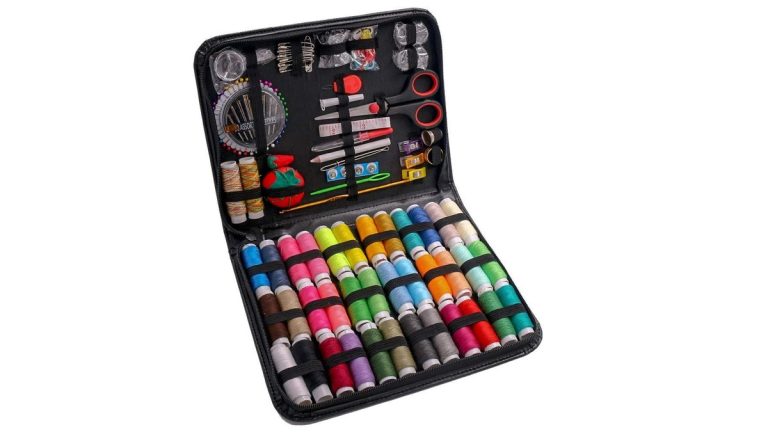
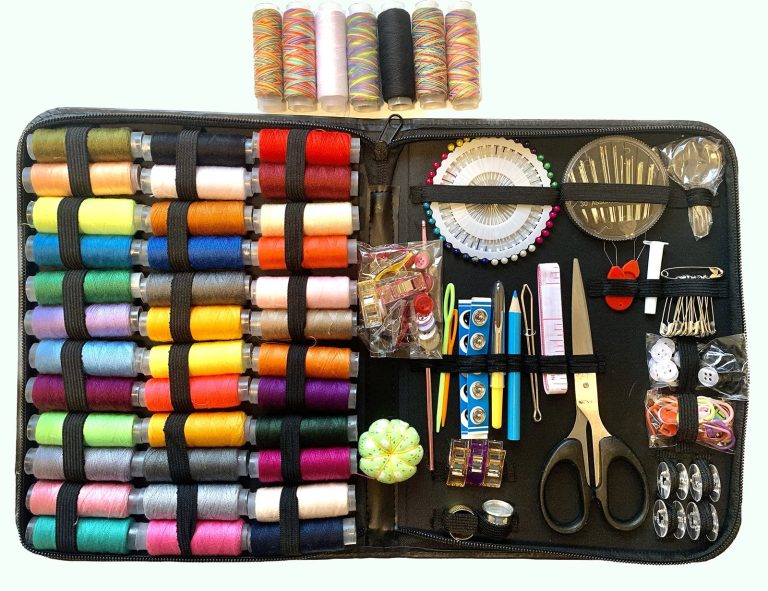
Simple sewing machine kits for beginners include a basic mechanical machine, a set of needles, a variety of thread colors, and a small pair of fabric scissors. These sets serve as a total starting point for those who want to learn the basics of garment repair or craft creation. You’ll find that the best sewing machine kits are those that prioritize ease of use and durability over complex digital functions.
Comparison of sewing machine kits
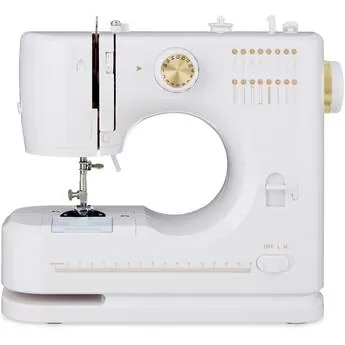
The choice depends on your specific goals, such as quilting, clothing repairs, or decorative embroidery. This table helps you identify which bundle matches your current skill level and needs.
| Kit type | Best for | Example |
|---|---|---|
| Mechanical starter | Basic repairs | Brother XM2701 |
| Computerized bundle | Precise patterns | Singer Stylist 7258 |
| Heavy-duty kit | Thick fabrics | Singer Heavy Duty 4423 |
| Portable mini set | Quick travel fixes | Janome Arctic Crystal |
| Quilting package | Large fabric layers | Brother HC1850 |
Mechanical starter kits
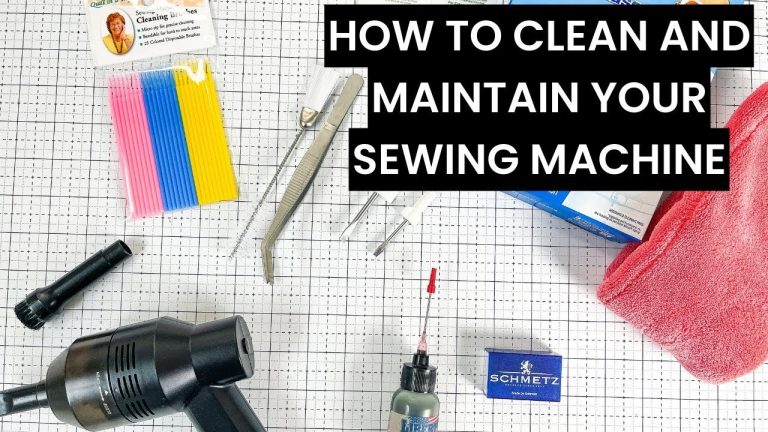
A mechanical machine kit is the gold standard for beginners learning to sew. They’re simple to maintain and rarely require professional servicing if you keep the bobbin area clean of lint.
- Provides a reliable, consistent stitch for basic home sewing tasks.
- Includes essential feet, such as the zipper foot and buttonhole foot.
- Features a drop-in bobbin system that’s easy to see and load.
- Offers a lower cost of entry than computerized alternatives.
If you’re just beginning, start with a machine that has a top-loading drop-in bobbin; it’s much easier to troubleshoot than a side-loading case.
Computerized sewing bundles
Computerized bundles offer more precision and automated features for those who want to move beyond basic straight stitches. These kits usually include a wider array of presser feet and a digital screen to select patterns, making them ideal for someone who plans to do more decorative work or complex garment construction. If your budget allows, the digital interface saves time by providing recommended tension settings for different stitch types.
- Includes an LCD screen to select from dozens of built-in stitch patterns.
- Features automatic needle threading, which reduces eye strain during long sessions.
- Provides adjustable speed control to keep your stitches steady on delicate fabrics.
- Offers memory functions to save your favorite custom settings for later use.
If you have trouble with manual adjustments, a computerized model is a good choice because it provides digital guidance for tension settings. However, these machines are more sensitive to power surges, so always use them with a surge protector.
Heavy-duty sewing kits
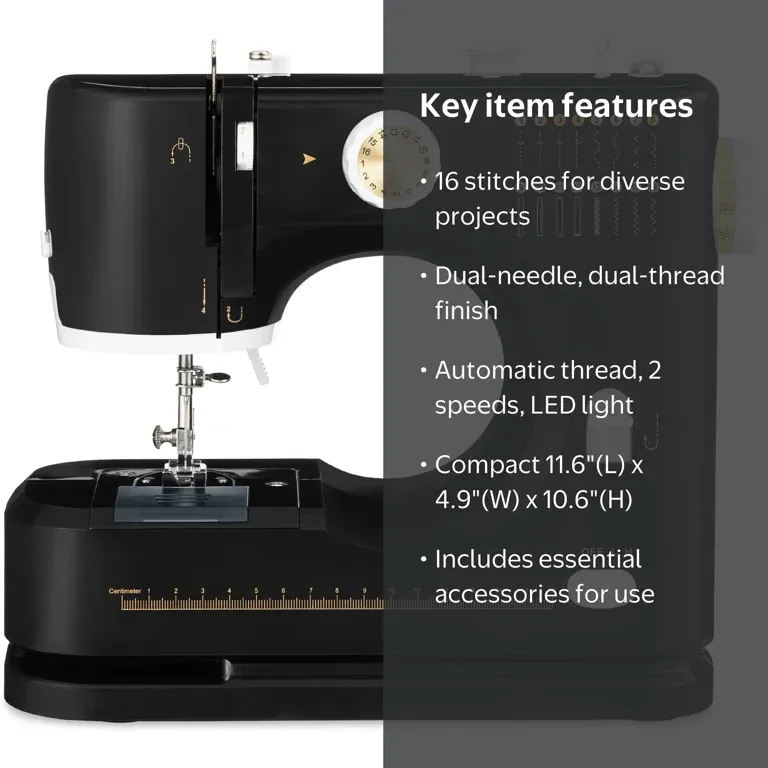
Heavy-duty kits are built with stronger internal frames and more powerful motors to handle thick materials like denim or upholstery fabric. These aren’t for delicate lace or thin silk; they’re designed for durability and high-speed operation. If you try to use a lightweight plastic-frame machine for heavy canvas, you’ll likely break the needle or jam the feed dogs.
- Features a stainless steel bedplate for smooth fabric movement.
- Includes a high-torque motor that can pierce multiple layers of denim.
- Comes with reinforced needles specifically designed for heavy-duty threads.
- Offers a faster sewing speed than standard home machines.
If you’re working with leather or thick canvas, you must use a heavy-duty needle, or the machine will skip stitches. Always check the machine’s manual to see the maximum fabric thickness it can safely handle.
Portable mini sets
Portable mini sets are designed for quick repairs or traveling, but they lack the power for large projects. These kits are often sold with a small, battery-operated handheld device that’s meant for emergency fixes, like a loose hem or a torn seam while away from home. They aren’t intended to replace a full-sized machine for garment construction.
- Features a compact design that fits in a small travel bag.
- Runs on batteries, making it useful when you have no power outlet.
- Includes a pre-threaded needle for instant, temporary mending.
- Offers a simple one-button operation that anyone can master in seconds.
If you need to sew a full shirt, this device won’t provide enough control for a professional finish. It’s strictly a tool for on-the-go maintenance.
Other sewing options
- Embroidery machines: These are specialized units that automatically stitch intricate designs onto fabric, ideal for those interested in custom logos or decorative patterns rather than general construction.
- Serger kits: These machines use multiple threads to finish raw fabric edges and prevent fraying, which is a necessary step for professional-looking clothing.
- Vintage refurbished sets: These are older, all-metal machines that offer a long lifespan if you’re comfortable performing your own manual cleaning and oiling.
How to choose the right kit
Your choice depends on the material you plan to sew and the amount of time you have to learn. If you’re mainly fixing clothes, a mechanical kit is sufficient; if you’re designing complex outfits, a computerized kit is necessary. Always consider your workspace size, as heavy-duty machines occupy more room than portable ones.
These machines can rarely be combined; for example, a portable mini set can’t perform the tasks of a heavy-duty machine. If you’re starting, pick one that matches your primary goal. If you want to do both quilting and garments, look for a model that allows you to easily swap the throat plate for specialized ones.
Frequently asked questions
How long does a sewing machine last?
A well-maintained sewing machine can last for a long time with regular cleaning and annual oiling. The lifespan depends on how often you use it and whether you follow the manufacturer’s schedule for professional service. If the machine starts making grinding noises, it’s time to have a professional technician inspect the internal gears.
Is it safe for a child to use a sewing machine?
It’s safe for children as young as 8 or 10 to use a sewing machine if they’re under constant adult supervision. You should always use a model with a finger guard and adjustable speed settings to prevent accidents. Never leave a child unattended while the machine is plugged into a power source.
What happens if the thread keeps bunching up?
Thread bunching usually happens because the bobbin is loaded incorrectly or the top tension is too loose. Always re-thread both the top spool and the bobbin according to your manual’s specific diagram. If the problem continues, check that you’re using the correct needle size for your thread type.
Does it matter which thread I use?
Yes, using low-quality thread will cause frequent jams and breakages inside the machine’s hook assembly. Always choose a high-quality, lint-free polyester thread for general sewing. Cheap thread often leaves behind fibers that clog the internal mechanisms and require professional cleaning to remove.
How often should I change the needle?
You should change your needle after every 8 to 10 hours of sewing time. A dull needle will damage your fabric and put unnecessary strain on the machine’s motor. If you hear a thumping sound while sewing, it’s a sign that your needle is blunt and must be replaced immediately.
Why does my machine skip stitches?
Skipping stitches is almost always caused by using the wrong type of needle for your specific fabric. Ensure you’re using a ballpoint needle for knits and a sharp needle for woven fabrics. If the needle is bent even slightly, it will fail to catch the bobbin thread, so swap it for a new one.
Conclusion
Start by choosing a machine that fits your available space and your primary goal. Once you set it up, test the stitch quality on a scrap piece of fabric to ensure the tension is balanced. If the machine makes a loud, unusual noise or smells like burning plastic, stop using it immediately and contact the manufacturer or a certified repair technician for help.