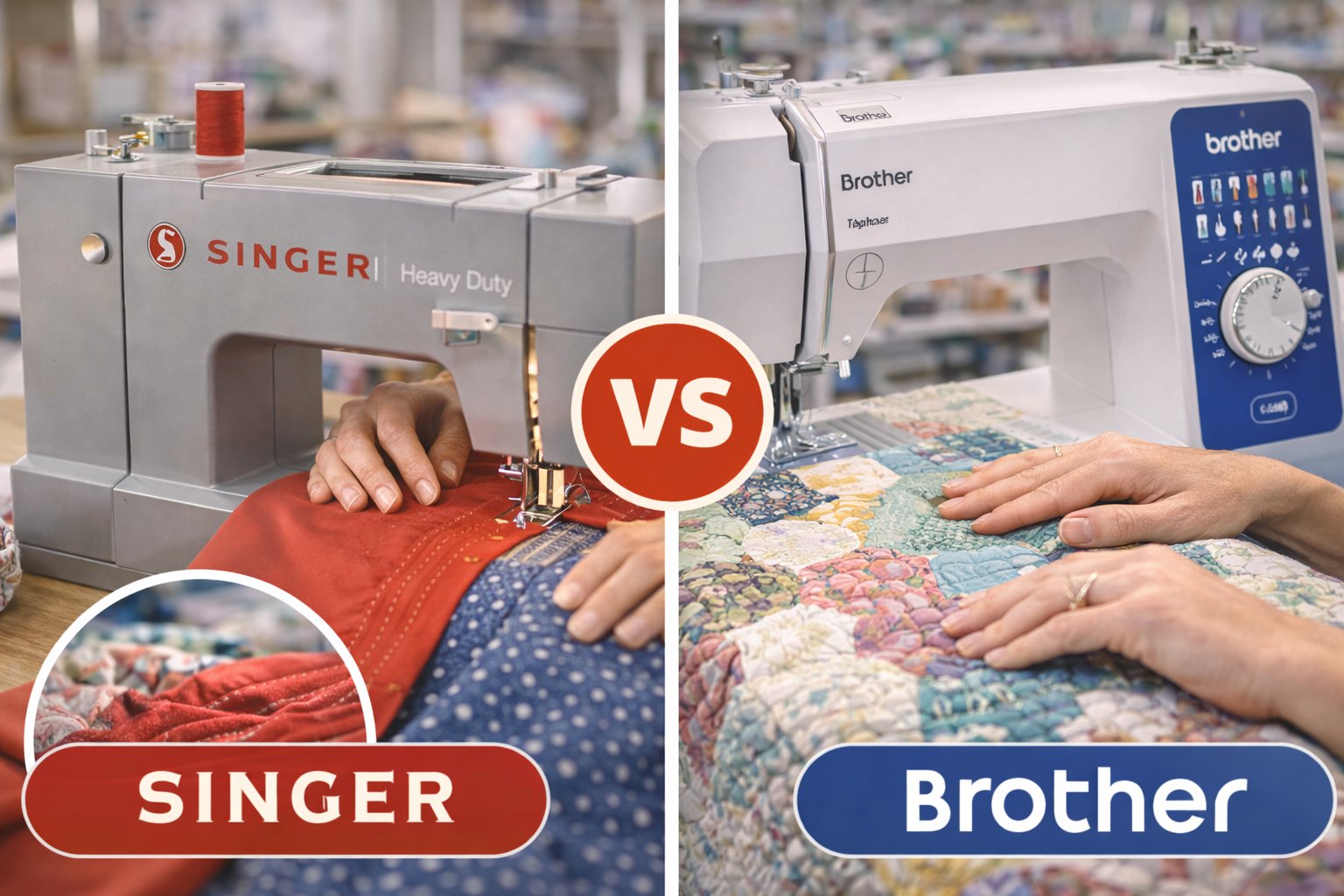
Compare Singer Heavy Duty Sewing Machines: Features and Picks
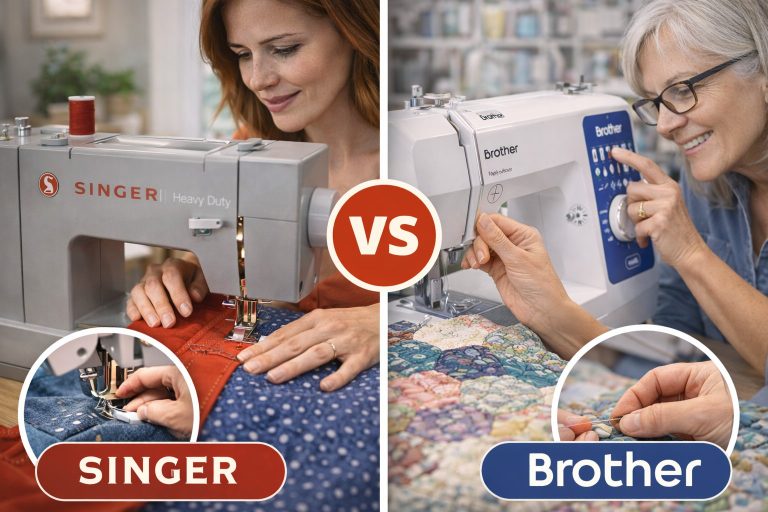
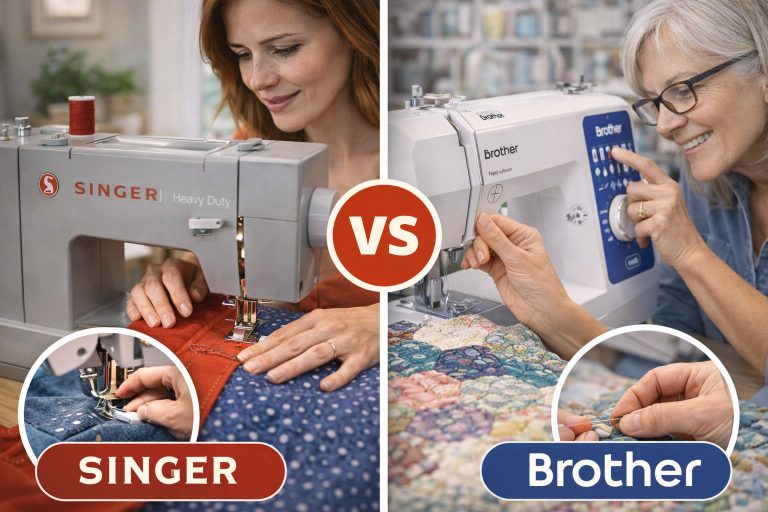
You can effectively compare singer heavy duty sewing machines by looking at the motor speed, frame construction, and stitch selection, as these features dictate which models handle thick fabrics best. For most users, the 4423 model offers the best balance of power and simplicity. However, if you require specialized decorative patterns or advanced automation, the 4452 or 6800C models are better choices. Always check the specific model label, as power requirements and included accessories vary across different regions and production years.
Compare Singer Heavy Duty sewing machines

The primary differences between these machines involve the motor strength, the variety of built-in stitches, and the included presser feet.
If you’re choosing a machine, remember that a higher price doesn’t always mean more power; it often means more computer-controlled features. If you’re a beginner, the 4423 is easier to learn because it lacks complex electronic menus. If you’re a professional, the 6800C saves time through programmable needle positions. This varies by model — check the label for the motor amperage, as this is the true indicator of “heavy-duty” capability in domestic sewing units.
Mechanical workhorse simplicity
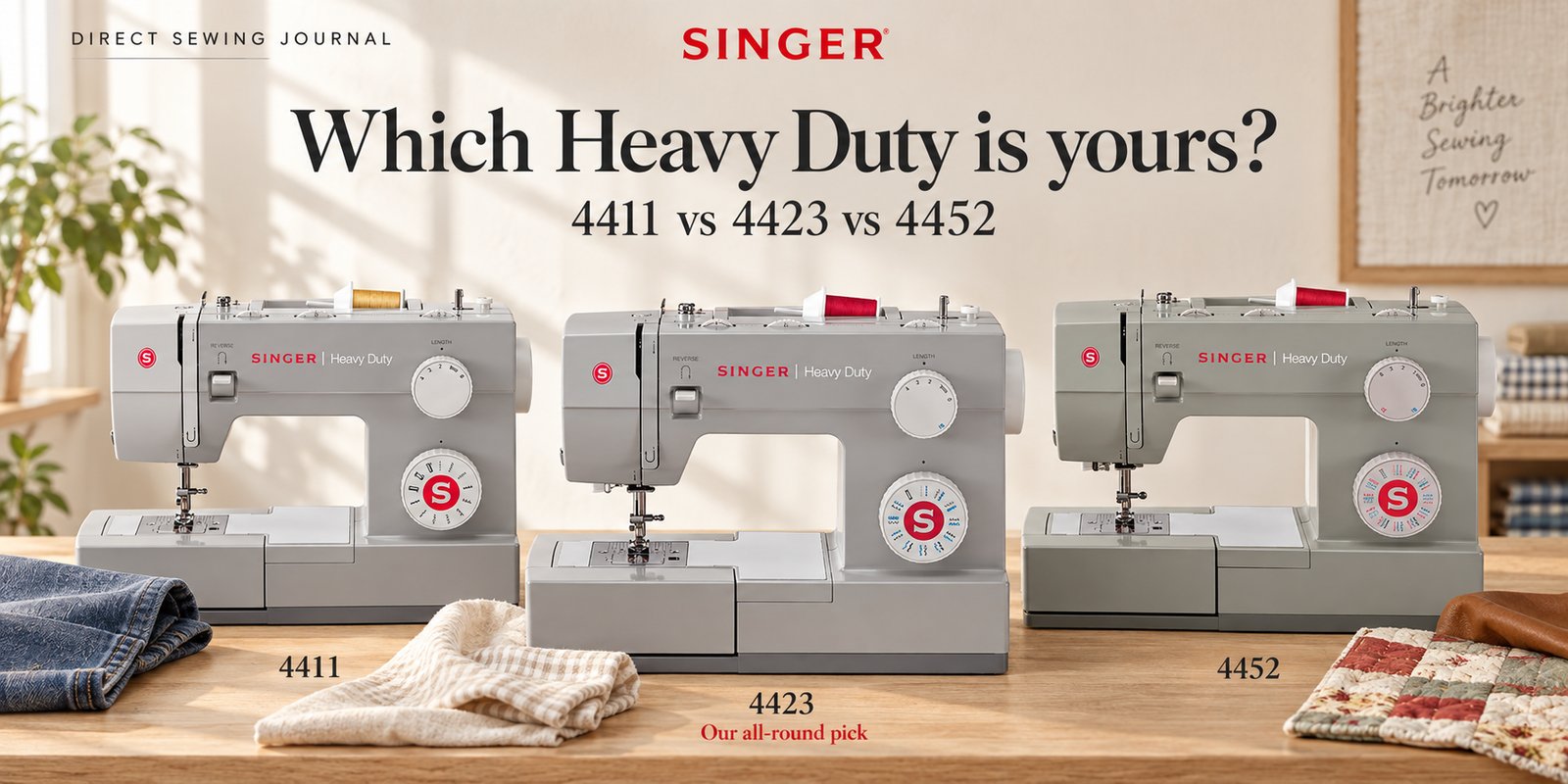
The Singer 4423 is designed for speed and reliability, focusing on the core stitches needed for most home projects.
- Set the stitch dial to your desired pattern, ensuring the needle is in the highest position first.
- Adjust the stitch length dial between 0 and 4 millimeters, depending on the thickness of your fabric.
- Use the top-loading bobbin system, ensuring the thread catches correctly in the tension spring before closing the cover.
- Press the foot pedal steadily, keeping your hands away from the needle area to prevent injury.
This machine is excellent at handling long, straight seams on medium-weight cottons and denims. The internal metal frame provides the stability needed for high-speed operation, which can reach 1,100 stitches per minute. One weakness is the lack of a needle-up/down button, which makes pivoting on corners slower than on computer-controlled models. This isn’t for those who need to embroider or create complex patterns, as it only offers 23 stitch options. According to the Singer official product specifications, the motor is designed to provide 60% more piercing power than a standard sewing machine.
Reinforced power for tough fabrics
The 4452 is built specifically for users who frequently work with thicker materials like leather, canvas, and heavy upholstery.
- Install the non-stick foot provided in the accessory kit to allow smooth movement over synthetic materials.
- Select a heavy-duty needle, size 100/16 or 110/18, to ensure the thread passes through layers without breaking.
- Increase the thread tension slightly using the dial on the front, testing on a scrap piece of fabric first.
- Use the built-in needle threader to save time, as thick threads can be difficult to guide manually.
This model includes a walking foot, which is essential for feeding multiple layers of fabric evenly through the machine. It’s highly effective for home decor projects and heavy garment construction. A common mistake is using a standard needle for heavy fabric; this costs you broken needles and damaged fabric edges, so always match the needle size to the material weight. One limit is that the machine is strictly mechanical; you can’t save custom stitch settings or patterns.
Digital control for advanced makers
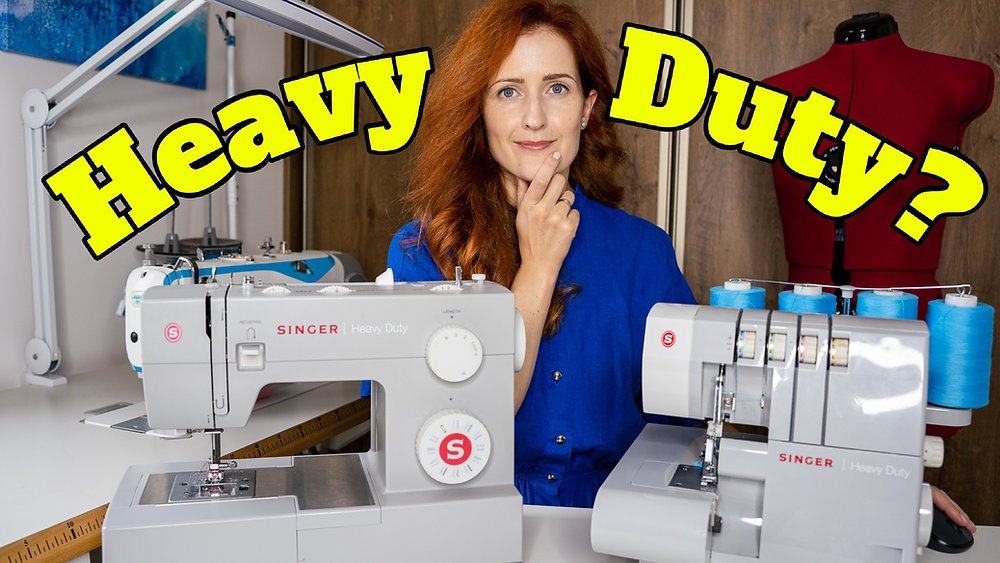
The 6800C represents the higher end of the heavy-duty range, offering electronic precision for those who need consistency.
- Select your stitch using the digital LCD screen, which shows the recommended width and length for every choice.
- Use the programmable needle-up/down button to set the machine to stop with the needle in the fabric for perfect corners.
- Adjust the speed control slider to limit the maximum velocity, which is helpful when performing intricate detail work.
- Use the start/stop button if you prefer sewing without the foot pedal, allowing for more consistent speed control.
This machine is ideal for those who need to switch between many different patterns quickly. This isn’t for someone who prefers a purely mechanical feel, as the electronic menus can be overwhelming for users who just want to sew a straight line. The main trade-off is the extra time needed to learn the digital interface compared to the simple dials of the 4423.
Which one should you use?
Choosing the right machine depends on your specific goals and your comfort with technology. If you’re in a hurry and just need to fix clothes or sew simple curtains, choose the 4423; its simple interface means you can start sewing in minutes without reading a manual. If you’re doing this for the first time, the 4423 remains the best choice because it avoids the confusion of digital menus, allowing you to focus on learning how to guide the fabric.
If you want the best possible result whatever it takes, choose the 6800C. The digital precision ensures that every stitch is identical, which is vital for professional-looking finishes on complex garments. This creates a clear trade-off: you either sacrifice advanced features for speed and simplicity, or you accept a longer learning curve to gain total control over your stitches. If you find yourself struggling with machine tension, stop and re-thread the entire machine, as this fixes 90% of stitch quality issues. Remember that these machines are tools, not magic; the quality of your result will always depend on using the correct needle for your chosen fabric.
The rules that apply whichever way you choose
Regardless of which machine you buy, you must follow basic safety and maintenance rules to keep the unit running. First, always unplug the machine before changing the needle or cleaning the bobbin area to prevent accidental operation. Check your manual for the required oiling schedule; some modern models are self-lubricating, while others need a drop of oil regularly. If you’re working with heavy materials, always use a walking foot to prevent fabric bunching, which is a common error that damages the feed dogs.
Never attempt to force the needle through material that’s too thick for the machine’s clearance. If the machine struggles, stop immediately, as forcing it can strip the internal gears. If you’re unsure about a repair or a complex electrical issue, don’t open the motor housing yourself, as this voids your warranty and poses a fire risk; take it to a certified service technician. Always keep the machine on a flat, stable surface to prevent vibration, which can cause skipped stitches. Finally, if you need professional guidance on sewing safety, the Consumer Product Safety Commission provides general guidelines on the safe use of household appliances. Following these steps ensures your investment lasts for years.
Frequently asked questions
Can I use a heavy duty machine for thin silk?
Yes, you can use these machines for thin fabrics, but you must change the needle to a smaller size, such as 70/10 or 80/12. If you use a large needle intended for denim on silk, you’ll leave visible holes in the fabric and cause puckering. Always perform a test on a scrap piece of the same material to check the tension and stitch length before starting your actual project.
Why is my thread bunching underneath the fabric?
This usually happens because the top thread isn’t correctly seated in the tension discs. You must thread the machine with the presser foot in the up position, which opens the discs to receive the thread. Once threaded, lower the foot and pull the thread; you should feel a slight resistance. If there’s no resistance, the thread is loose, and the machine will create loops on the bottom.
How long do these machines last?
These machines can last for many years if you clean the lint from the bobbin case after every project. The metal frame contributes to a long life, but the plastic gears and electronic components are the points of failure. If you sew for several hours every day, expect to perform professional maintenance whenever you notice it to keep the timing and tension settings aligned for smooth performance.
Is it safe to leave the machine plugged in?
No, it isn’t safe to leave any sewing machine plugged in when it isn’t in use. A power surge or a accidental bump of the foot pedal can cause the machine to start, which is a significant safety risk. Always turn the power switch to the off position and remove the plug from the wall socket whenever you’re finished with your sewing session.
What happens if I use the wrong needle?
Using the wrong needle typically results in skipped stitches, broken threads, or damage to the needle plate. A needle that’s too blunt will tear the fibers of your fabric rather than piercing them cleanly. If you notice the machine making a loud clunking sound, stop immediately, as this indicates the needle is striking the plate, which can destroy the hook assembly.
How often should I clean the bobbin area?
You should clean the bobbin area every time you finish a full bobbin or after you complete a large project. Lint buildup is the most common cause of poor stitch quality and machine jamming. Use a small brush or a can of compressed air to remove the dust, but never use oil unless the specific manual for your model explicitly instructs you to do so.
Final Thoughts
Choosing the right machine will make your sewing projects much more enjoyable. Once you’ve picked the model that fits your needs, don’t forget to buy a few extra heavy-duty needles. They’ll help you get the best results right away. You’re going to love how much easier your creative work becomes.
{“@context”:”https://schema.org”,”@type”:”FAQPage”,”mainEntity”:[{“@type”:”Question”,”name”:”Can I use a heavy duty machine for thin silk?”,”acceptedAnswer”:{“@type”:”Answer”,”text”:”Yes, you can use these machines for thin fabrics, but you must change the needle to a smaller size, such as 70/10 or 80/12. If you use a large needle intended for denim on silk, you’ll leave visible holes in the fabric and cause puckering. Always perform a test on a scrap piece of the same material to check the tension and stitch length before starting your actual project.”}},{“@type”:”Question”,”name”:”Why is my thread bunching underneath the fabric?”,”acceptedAnswer”:{“@type”:”Answer”,”text”:”This usually happens because the top thread isn’t correctly seated in the tension discs. You must thread the machine with the presser foot in the up position, which opens the discs to receive the thread. Once threaded, lower the foot and pull the thread; you should feel a slight resistance. If there’s no resistance, the thread is loose, and the machine will create loops on the bottom.”}},{“@type”:”Question”,”name”:”How long do these machines last?”,”acceptedAnswer”:{“@type”:”Answer”,”text”:”These machines can last for many years if you clean the lint from the bobbin case after every project. The metal frame contributes to a long life, but the plastic gears and electronic components are the points of failure. If you sew for several hours every day, expect to perform professional maintenance whenever you notice it to keep the timing and tension settings aligned for smooth performance.”}},{“@type”:”Question”,”name”:”Is it safe to leave the machine plugged in?”,”acceptedAnswer”:{“@type”:”Answer”,”text”:”No, it isn’t safe to leave any sewing machine plugged in when it isn’t in use. A power surge or a accidental bump of the foot pedal can cause the machine to start, which is a significant safety risk. Always turn the power switch to the off position and remove the plug from the wall socket whenever you’re finished with your sewing session.”}},{“@type”:”Question”,”name”:”What happens if I use the wrong needle?”,”acceptedAnswer”:{“@type”:”Answer”,”text”:”Using the wrong needle typically results in skipped stitches, broken threads, or damage to the needle plate. A needle that’s too blunt will tear the fibers of your fabric rather than piercing them cleanly. If you notice the machine making a loud clunking sound, stop immediately, as this indicates the needle is striking the plate, which can destroy the hook assembly.”}},{“@type”:”Question”,”name”:”How often should I clean the bobbin area?”,”acceptedAnswer”:{“@type”:”Answer”,”text”:”You should clean the bobbin area every time you finish a full bobbin or after you complete a large project. Lint buildup is the most common cause of poor stitch quality and machine jamming. Use a small brush or a can of compressed air to remove the dust, but never use oil unless the specific manual for your model explicitly instructs you to do so.”}}]}