Which Sewing Machine Brand Is Best? Brother, Janome or Juki
No single sewing machine brand is best for every project. The right choice depends entirely on what you’ll sew and how often you’ll use it. Brother handles basic home mending reliably, while Janome serves serious quilters well. Industrial shops run Juki machines all day without overheating. Check the model’s manual or the maker’s official page to confirm its fabric limits before you buy.
Why your sewing machine brand matters

The name stamped on the front tells you who built the motor, designed the feed dogs, and stands behind the warranty. A brand that focuses on heavy canvas won’t build a delicate embroidery unit, and one known for computer screens rarely makes a tough mechanical workhorse. Your choice locks in where you’ll get repairs done and which presser feet fit your machine later.
| Cause | How common | How to confirm it | Fix it yourself? |
|---|---|---|---|
| Wrong brand for your fabric type | Most of the time | Read the manual’s fabric list | Yes |
| Buying a toy-grade machine for daily use | Very common | Check the motor’s wattage rating | Yes |
| Ignoring local dealer support networks | Common | Search for authorized service centers nearby | Yes |
| Choosing a discontinued model line | Less common | Look up parts availability online | Yes with care |
| Confusing home brands with industrial ones | Rare | Compare stitch speeds in specifications | Yes |
| Skipping the warranty terms before purchase | Rare | Read the warranty card’s fine print | No |
Picking the wrong brand for your fabric
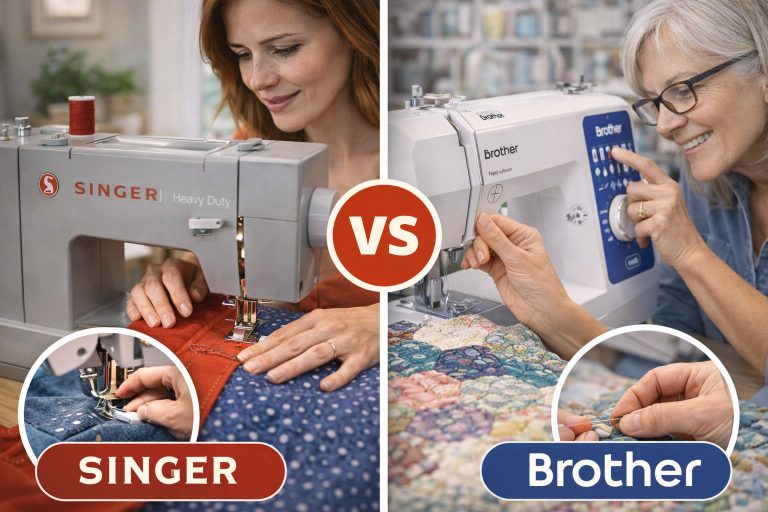
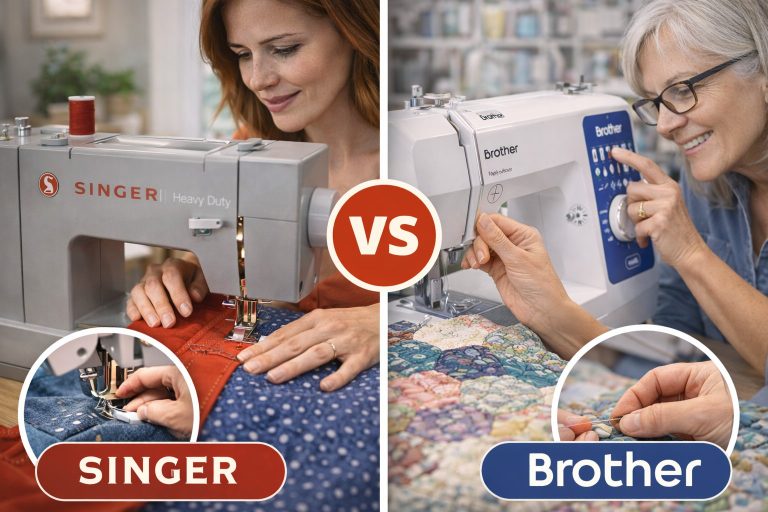
A lightweight domestic machine jams when you push thick denim through it because its motor lacks the torque needed to drive the needle. Brother and Singer make excellent entry-level models for cotton, linen, and light synthetics, but they stall on leather or multiple layers of canvas. If you sew garments from woven fabrics under medium weight, a standard Brother or Singer fits perfectly; if you work with upholstery or bags, look at Janome or Juki instead.
To confirm this mismatch, check your current machine’s manual for its maximum fabric thickness. You’ll find this limit listed in millimeters under the presser foot clearance specification. Pushing past that number bends needles and strips plastic gears inside the housing.
Fixing this means matching the brand to your actual material stack. For everyday clothes, a basic mechanical model costs about the same as a nice dinner out. For heavy canvas or leather, expect to pay roughly double that amount. This assumes standard home-sewing widths; if you need a wider throat space for large quilts, allow about half as much again for the larger frame.
Janome’s HD3000 handles heavier materials smoothly, and you can read its fabric thickness specifications directly on their site. Swapping brands saves you from replacing bent needles every few hours.
Buying a hobby machine for daily production
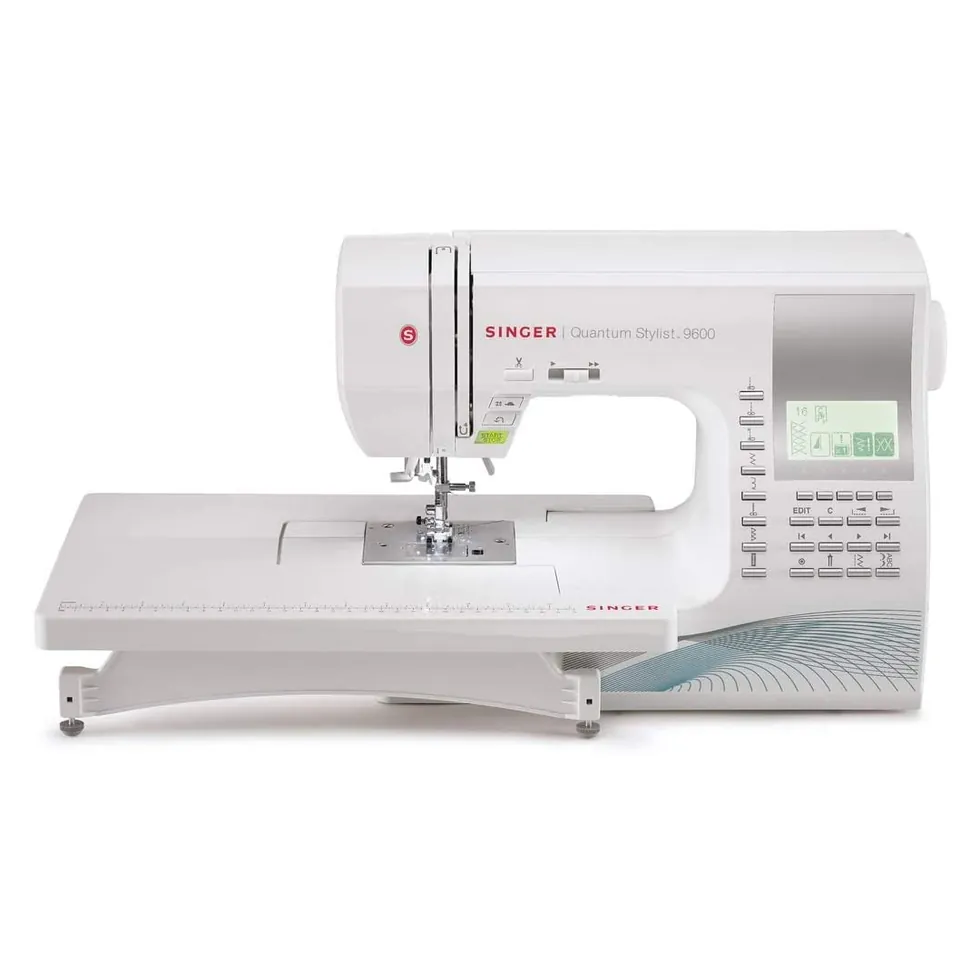
You can tell a hobby machine from a daily worker by listening to the motor under a steady load. Hobby machines use smaller motors meant for short bursts, so running them for four hours straight causes overheating and skipped stitches. Brands like SVP Worldwide (which owns Singer) target weekend crafters, while Juki builds its TL series specifically for continuous high-speed stitching.
If you sew for less than two hours a week, a lighter brand works fine. If you run a small business making bags or alterations, you need an industrial-style straight stitcher. Using a hobby machine for business output wears out the bobbin case in months instead of years. That replacement costs nearly as much as the original machine did.
The trade-off is clear: heavy-duty machines skip fancy decorative stitches to give you a stronger feed mechanism. You lose versatility but gain reliability when the workload never stops. Weigh your weekly sewing hours honestly before you pick a brand.
Ignoring your local repair network
A great machine becomes useless when the nearest technician lives three states away. Brands like Bernina rely heavily on authorized dealers for servicing, meaning you’re stuck if your town doesn’t have one. Janome and Brother tend to have broader independent repair networks because their parts are standardized across many models.
Before buying, search your city for authorized service centers carrying that specific brand’s parts. Call one shop and ask if they stock bobbin cases and circuit boards for the exact model you want. If they hesitate, that brand will leave you waiting weeks for shipped parts.
This problem doesn’t affect people who only sew once a month and never push the machine hard. But if you depend on it for income or frequent projects, local support matters more than extra stitch patterns. A quick phone call now prevents a silent, broken machine sitting in your closet later.
Other reasons the brand fails you
Sometimes the main factors check out, but smaller issues still ruin the experience. These rarer problems catch buyers off guard because they don’t show up in a showroom.
- Discontinued model lines: The clue is finding no replacement presser feet in stores; check the manufacturer’s active product list before buying used.
- Confusing home and industrial brands: Industrial machines run above 1,500 stitches per minute and lack safety guards for casual users; leave those to trained factory workers.
- Proprietary software locks: Computerized brands sometimes require paid updates to keep embroidery features working; read the software license terms first.
- Plastic internal frames: Lighter brands save weight using nylon gears that strip under tension; the clue is a grinding noise during thick seams.
- Voltage mismatches: Imported machines built for 220V won’t operate correctly on US 110V outlets without a transformer; read the sticker near the power cord socket to verify the rating.
Opening the housing to inspect internal gears or test electrical components can damage the machine and void the warranty, so leave that strictly to qualified technicians.
What switching brands actually requires

Moving to a better-suited brand takes more effort than just plugging in a new box. You’ll need to relearn the threading path, as every maker routes the top thread differently through its tension discs. Budget about two hours to read the new manual and practice on scrap fabric before touching a real project.
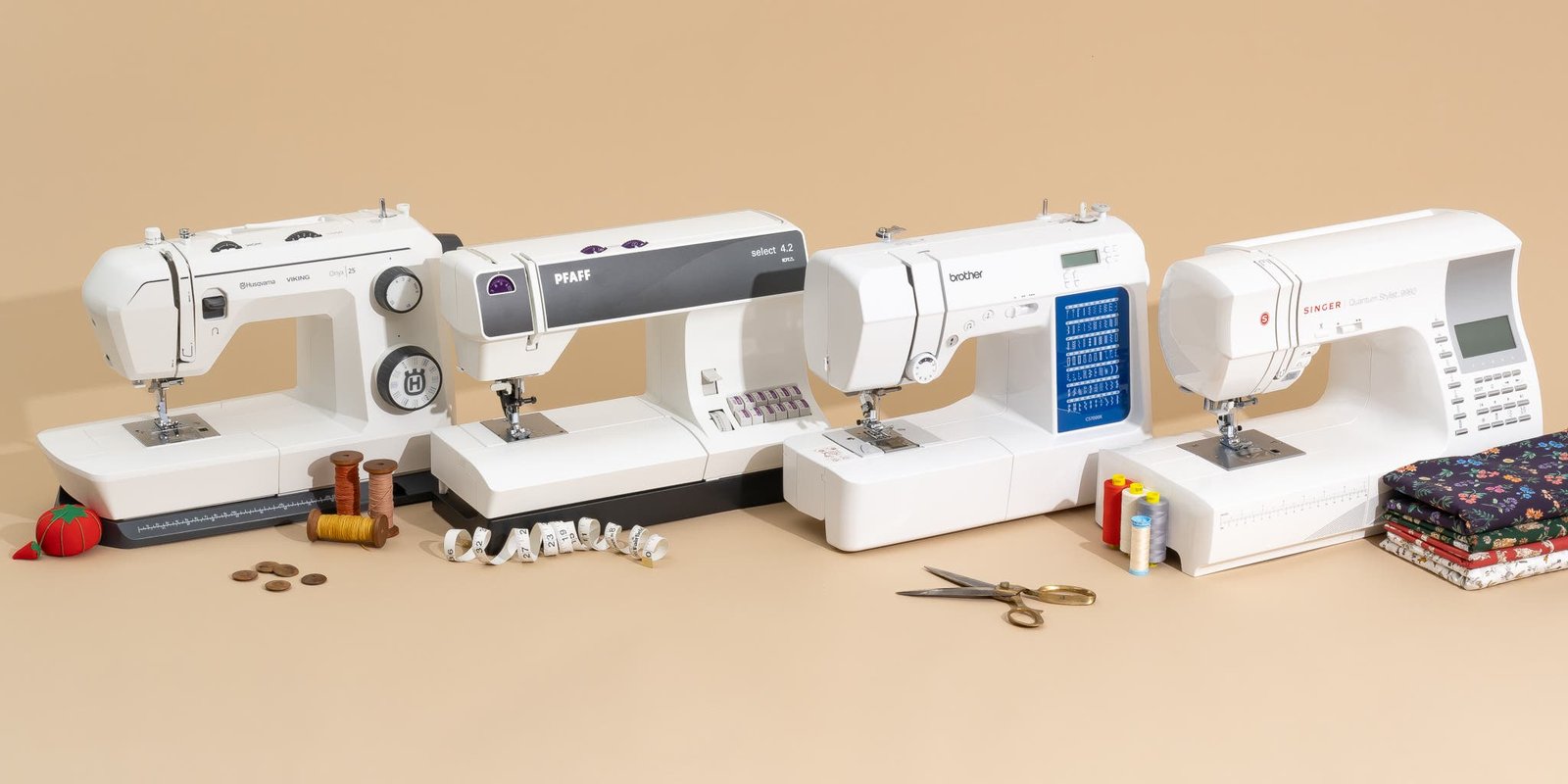
If you switch from a mechanical Singer to a computerized Janome, you’ll also need to learn the digital interface. The cost of upgrading to a heavier brand usually equals trading up within the same company’s lineup — roughly the price difference between their basic and mid-range models.
Getting a real quote means visiting a dealer with your thickest fabric sample so they can demonstrate the machine handling it. Don’t guess the price online; the final number changes based on included accessories and your region’s dealer agreements.
Frequently asked questions
Can I use any brand’s presser feet on my machine?
No, presser feet aren’t universally interchangeable. Low-shank machines share some feet across brands like Brother and Singer, but high-shank or snap-on systems differ. Check your manual’s shank type before buying third-party feet. Using the wrong one bends the needle into the foot plate.
Why does my sewing machine skip stitches on thick fabric?
Skipped stitches happen because the needle deflects away from the bobbin hook when hitting dense material. Switch to a heavier needle size, like a 100/16 for denim. If it still skips, your machine’s motor lacks the power for that thickness, and you need a heavier brand.
How long does a home sewing machine last?
A quality home machine lasts 15 to 25 years with annual professional servicing, assuming moderate use under five hours weekly. Heavy daily use cuts that lifespan in half. Check your warranty card for the manufacturer’s expected service intervals, as cheaper brands offer shorter coverage periods.
Is it safe to oil a computerized sewing machine?
Applying oil to the wrong areas of a computerized machine can damage the circuit boards and sensors. Both mechanical and computerized machines require oiling at their designated mechanical points. Your manual specifies exactly which points need lubrication. If you own a digital model, follow the manual’s instructions carefully and leave complex repairs to an authorized technician.
What happens if I use cheap thread in a good machine?
Cheap thread sheds excess lint that clogs the bobbin case and tension discs within weeks. It also breaks frequently, causing uneven stitches and jammed mechanisms. Spend slightly more on branded polyester thread. The cleanup time for lint damage costs far more than the thread savings.
Does it matter if I buy a mechanical or computerized model?
Yes, it completely changes your maintenance needs and repair costs. Mechanical models let you fix timing issues yourself with basic tools. Computerized models require specialized diagnostic equipment when the motherboard fails. Choose mechanical for heavy utility work and computerized for precise embroidery tasks.
How many stitches per minute should a good machine sew?
A reliable home machine sews between 700 and 1,100 stitches per minute, depending on the model’s motor class. Industrial machines exceed 1,500 stitches per minute. You’ll find your specific machine’s speed printed on the specification sheet inside the user manual. Faster isn’t always better for delicate fabrics.
Do expensive brands really sew better than budget ones?
Expensive brands don’t automatically sew straighter lines, but they handle thicker fabrics without stalling. The real difference is durability under stress and precision at slow speeds. A budget machine sews cotton beautifully. An expensive one sews leather without breaking. Match the price to your heaviest material.
Conclusion
Your sewing room dictates the winner here. A brand that shines for weekend dressmaking frustrates a daily bag maker, and an industrial workhorse feels clumsy for hemming curtains. Read the maximum fabric thickness on the machine’s specification plate, match it to your heaviest project, and let that single number guide your choice.
{“@context”:”https://schema.org”,”@type”:”FAQPage”,”mainEntity”:[{“@type”:”Question”,”name”:”Can I use any brand’s presser feet on my machine?”,”acceptedAnswer”:{“@type”:”Answer”,”text”:”No, presser feet aren’t universally interchangeable. Low-shank machines share some feet across brands like Brother and Singer, but high-shank or snap-on systems differ. Check your manual’s shank type before buying third-party feet. Using the wrong one bends the needle into the foot plate.”}},{“@type”:”Question”,”name”:”Why does my sewing machine skip stitches on thick fabric?”,”acceptedAnswer”:{“@type”:”Answer”,”text”:”Skipped stitches happen because the needle deflects away from the bobbin hook when hitting dense material. Switch to a heavier needle size, like a 100/16 for denim. If it still skips, your machine’s motor lacks the power for that thickness, and you need a heavier brand.”}},{“@type”:”Question”,”name”:”How long does a home sewing machine last?”,”acceptedAnswer”:{“@type”:”Answer”,”text”:”A quality home machine lasts 15 to 25 years with annual professional servicing, assuming moderate use under five hours weekly. Heavy daily use cuts that lifespan in half. Check your warranty card for the manufacturer’s expected service intervals, as cheaper brands offer shorter coverage periods.”}},{“@type”:”Question”,”name”:”Is it safe to oil a computerized sewing machine?”,”acceptedAnswer”:{“@type”:”Answer”,”text”:”Applying oil to the wrong areas of a computerized machine can damage the circuit boards and sensors. Both mechanical and computerized machines require oiling at their designated mechanical points. Your manual specifies exactly which points need lubrication. If you own a digital model, follow the manual’s instructions carefully and leave complex repairs to an authorized technician.”}},{“@type”:”Question”,”name”:”What happens if I use cheap thread in a good machine?”,”acceptedAnswer”:{“@type”:”Answer”,”text”:”Cheap thread sheds excess lint that clogs the bobbin case and tension discs within weeks. It also breaks frequently, causing uneven stitches and jammed mechanisms. Spend slightly more on branded polyester thread. The cleanup time for lint damage costs far more than the thread savings.”}},{“@type”:”Question”,”name”:”Does it matter if I buy a mechanical or computerized model?”,”acceptedAnswer”:{“@type”:”Answer”,”text”:”Yes, it completely changes your maintenance needs and repair costs. Mechanical models let you fix timing issues yourself with basic tools. Computerized models require specialized diagnostic equipment when the motherboard fails. Choose mechanical for heavy utility work and computerized for precise embroidery tasks.”}},{“@type”:”Question”,”name”:”How many stitches per minute should a good machine sew?”,”acceptedAnswer”:{“@type”:”Answer”,”text”:”A reliable home machine sews between 700 and 1,100 stitches per minute, depending on the model’s motor class. Industrial machines exceed 1,500 stitches per minute. You’ll find your specific machine’s speed printed on the specification sheet inside the user manual. Faster isn’t always better for delicate fabrics.”}},{“@type”:”Question”,”name”:”Do expensive brands really sew better than budget ones?”,”acceptedAnswer”:{“@type”:”Answer”,”text”:”Expensive brands don’t automatically sew straighter lines, but they handle thicker fabrics without stalling. The real difference is durability under stress and precision at slow speeds. A budget machine sews cotton beautifully. An expensive one sews leather without breaking. Match the price to your heaviest material.”}}]}