Can a Cricut Machine Do Embroidery? The Truth Explained
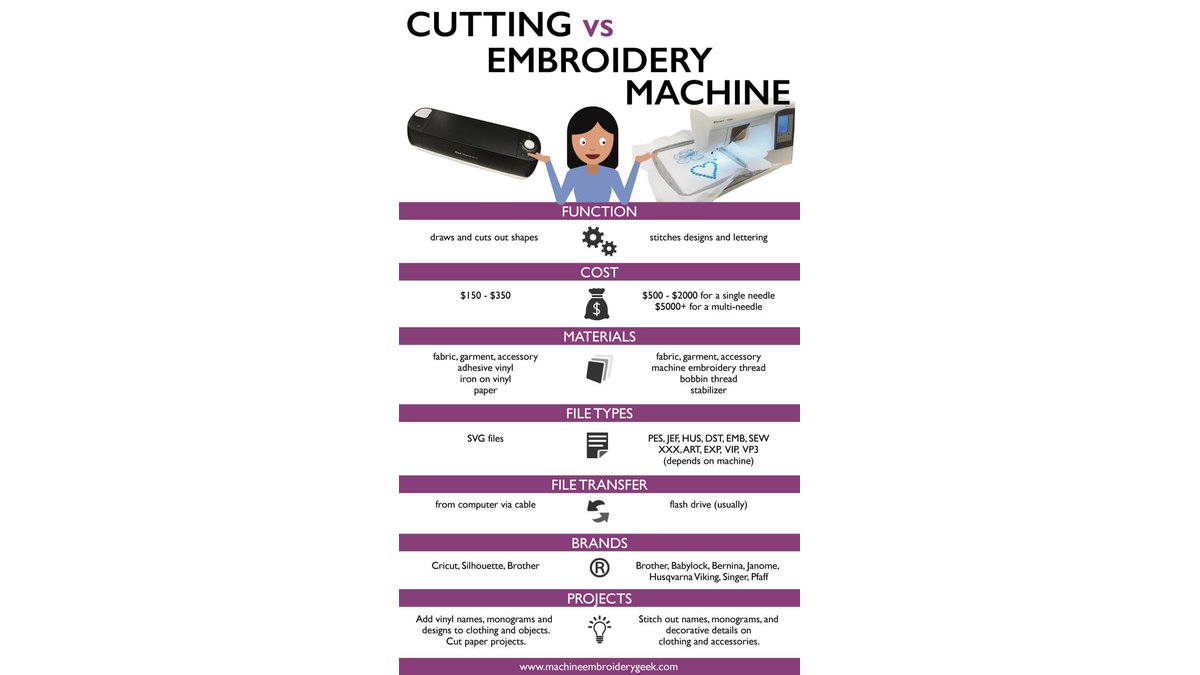
No, a cricut machine can’t do embroidery because it’s a cutting and drawing tool, not a sewing device. These machines use blades or pens to cut or mark materials like paper, vinyl, and fabric, but they lack the needle-and-thread hardware needed to stitch designs. You should look for a dedicated embroidery machine if you want to create fabric-based stitched patterns.
Can a Cricut machine handle embroidery tasks
The following table helps you decide if your current equipment is right for your needs. A Cricut machine handles flat cuts and drawings, while embroidery requires a machine that can manipulate thread through fabric using a hoop system.
| Your situation | Answer | Why |
|---|---|---|
| Cutting intricate fabric shapes | Yes | Blade cuts fabric accurately |
| Adding stitched thread designs | No | Machine lacks needle hardware |
| Drawing designs on fabric | Yes | Fabric pens fit in carriage |
| Sewing edges of fabric | No | It can’t perform stitching |
| Creating iron-on appliques | Yes | Cuts heat transfer vinyl |
If you’re working with delicate silk or loose-weave linen, stabilize the fabric with a fusible backing before cutting. Without this, the blade will drag and fray your edges.
Distinguish your needs by the final finish. If you want a flat, graphic look, the cutter is your primary tool. If you require texture and physical depth, you need a dedicated embroidery machine. Beginners often mistake iron-on vinyl for embroidery, but they differ in longevity. Vinyl will eventually peel after fifty wash cycles, whereas stitched thread lasts the life of the garment. Choose vinyl for temporary event gear and embroidery for heirloom pieces.
How Machine Hardware Determines Function
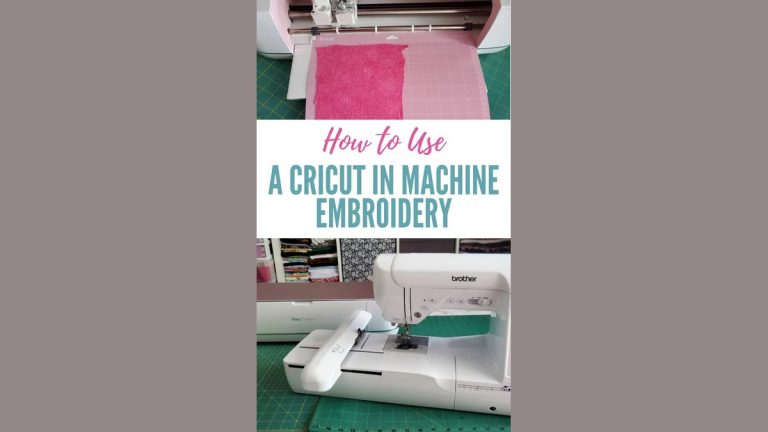
The core difference between these tools lies in how they interact with your materials. A cutting machine uses a motor to move a blade or pen along an X-Y axis. It’s designed to slice through thin sheets or draw lines, but it can’t pierce fabric repeatedly to create a stitch. Sewing and embroidery machines, by contrast, use a specialized motor to move a needle up and down while a bobbin captures the thread underneath.
This mechanical limit is absolute. Even if you use the Cricut Maker 3 with a fabric blade, the machine simply slices the material. It can’t create a chain stitch, satin stitch, or any other embroidery technique.
If you try to force a needle into the tool holder, the machine won’t recognize it and you risk breaking the internal components. The device is built for cutting precision, not for the mechanical force required to punch through layers of fabric with a threaded needle.
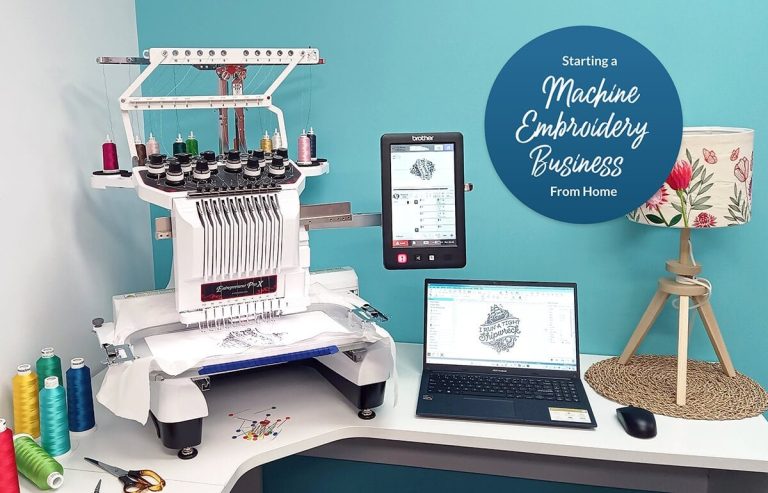
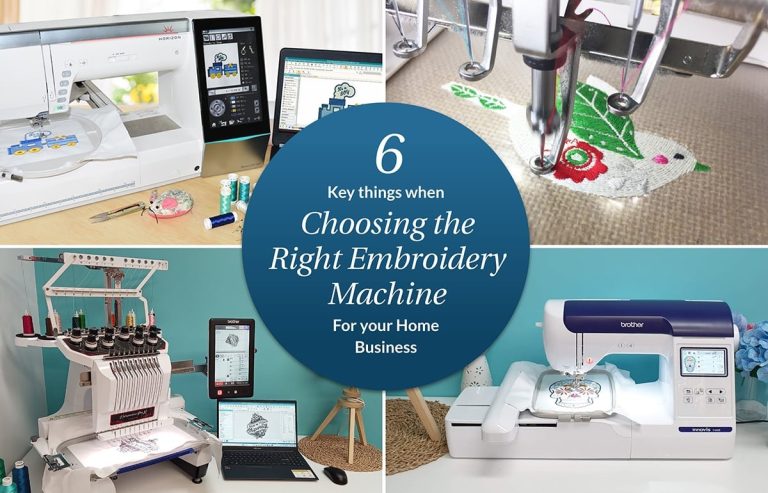
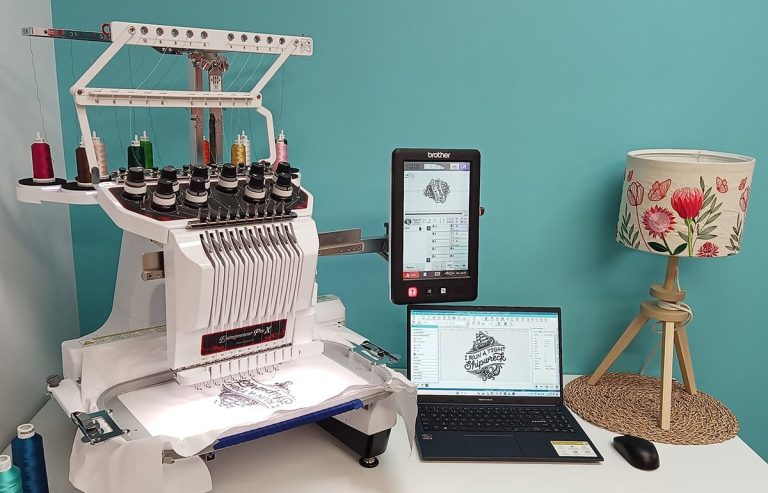
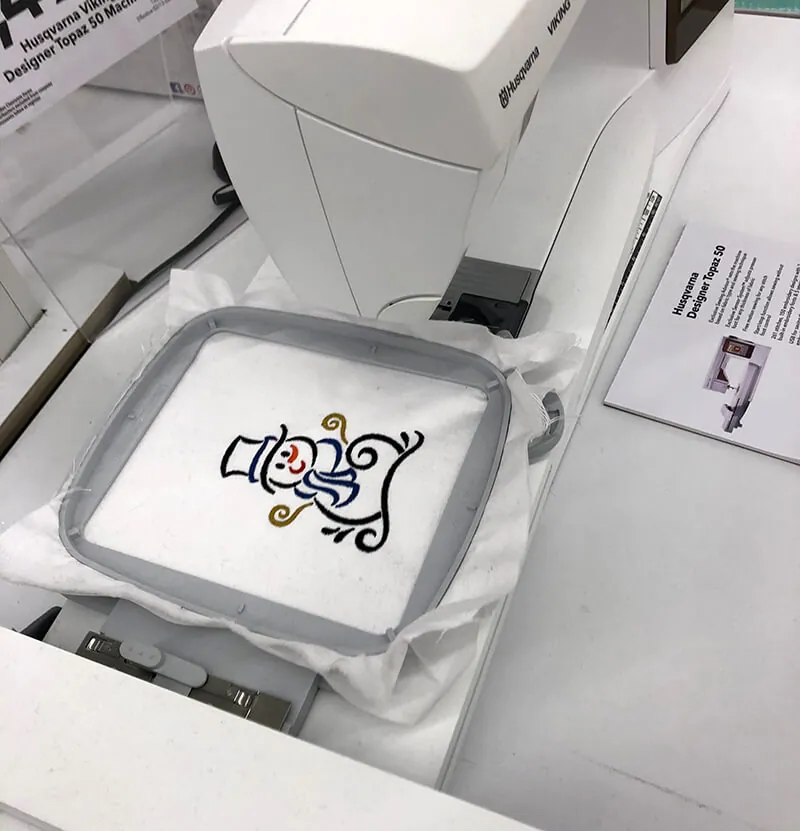
If you want to add designs to fabric, you must use a machine that supports a hoop. An embroidery machine holds the fabric taut and moves it under a stationary needle. If you need a simple cut for an applique, use your cutting machine; if you need a permanent stitched design, use an embroidery machine.
Alternatives for Fabric Projects
If you can’t afford a dedicated embroidery machine, you have a few practical options to get a similar look. These methods don’t use a needle, but they provide a decorative effect on fabric surfaces that mimics the appearance of stitched art.
- Use Iron-on Vinyl: Cut detailed shapes or letters from heat transfer vinyl and bond them to your fabric using a heat press or iron. This is the most common way to customize shirts and bags using a cutting machine.
- Use Fabric Markers: Insert a fabric-safe pen into your machine’s tool holder to draw intricate patterns directly onto your cloth. This creates a hand-drawn look without the need for thread or needles.
- Try Hand Embroidery: Use your machine to cut a stencil out of cardstock, then place the stencil on your fabric to trace the design. You can then use a needle and thread to stitch the pattern by hand, which is often cheaper than buying a machine.
These options aren’t for someone who needs to produce hundreds of items quickly, as the process is manual. If you have a high-volume business, these hand-done methods will likely slow you down too much.
The Most Common Mistake
The biggest mistake people make is trying to replace a needle with a pen or a blade. This doesn’t work because the machine software isn’t programmed to handle the tension or the pathing required for embroidery. People often think they can “hack” the machine to stitch, but the hardware simply lacks the bobbin system.
This mistake costs you time and may damage the machine’s carriage motor, which isn’t designed to resist the tension of thread. A carriage motor repair is often expensive, sometimes exceeding the value of entry-level machines.
If your machine uses a drop-in bobbin, never attempt to bypass the needle housing. If you’re using a professional-grade model with an open-frame design, you might safely swap attachments only if the manufacturer explicitly lists them in the compatibility index.
When to Stop and Seek Help
You should stop trying to modify your machine when you see these signs, as they indicate you’re working outside the device’s design limits.
- Error messages: If the software shows a “tool not recognized” or “motor stall” warning, stop immediately to avoid permanent damage.
- Mechanical resistance: If the carriage moves slowly or makes a grinding noise, you’re likely putting too much pressure on the motor.
- Safety risks: Never attempt to bypass the housing or modify the internal power supply, as this can cause electrical damage or personal injury.
If you need professional-grade embroidery, contact a local sewing shop or a digitizing service. They have the training and industrial equipment to handle complex thread work.
Frequently asked questions
Can I use a special needle in my cricut?
No, you can’t use a needle because the machine lacks a bobbin system to lock the thread. The machine is designed to hold blades or pens, and it doesn’t have the hardware to perform the up-and-down motion required for sewing or stitching.
Is it safe to try to hack my machine?
No, it isn’t safe because you risk damaging the internal motor and voiding your warranty. The machine is a precise electronic device, and attempting to force parts into the tool holder that weren’t designed for it can cause the machine to malfunction or stop working entirely.
How long does an iron-on project take?
An iron-on project takes about 15 to 20 minutes from start to finish for a single design. This assumes you have your file ready in the software; you’ll need to allow more time if you’re designing the image from scratch or cutting multiple colors.
Does it matter which fabric I use?
Yes, the fabric type matters because the machine cuts best when the material is stabilized. You should use a fabric stabilizer on the back of your cloth to ensure the blade cuts cleanly without tearing or fraying the edges during the process.
Can I embroider felt with a cricut?
No, you can’t embroider felt, but you can cut it into precise shapes. Many people use the machine to cut intricate felt appliques and then sew those pieces onto other fabrics by hand or with a standard sewing machine.
What is the difference between cutting and embroidery?
Cutting is the act of slicing through material, while embroidery is the act of stitching thread into fabric. A cutting machine performs the former, whereas an embroidery machine performs the latter; these are two distinct mechanical processes that require different types of specialized equipment.
Conclusion
Start by testing your design on a scrap piece of fabric to ensure your settings are correct. You’ll know the setup is right when the machine cuts a clean, smooth line through the material without snagging. If the machine makes a loud grinding noise or stops mid-cut, stop immediately and check your blade depth, as this means the settings are too aggressive for your material.
{“@context”:”https://schema.org”,”@type”:”FAQPage”,”mainEntity”:[{“@type”:”Question”,”name”:”Can I use a special needle in my cricut?”,”acceptedAnswer”:{“@type”:”Answer”,”text”:”No, you can’t use a needle because the machine lacks a bobbin system to lock the thread. The machine is designed to hold blades or pens, and it doesn’t have the hardware to perform the up-and-down motion required for sewing or stitching.”}},{“@type”:”Question”,”name”:”Is it safe to try to hack my machine?”,”acceptedAnswer”:{“@type”:”Answer”,”text”:”No, it isn’t safe because you risk damaging the internal motor and voiding your warranty. The machine is a precise electronic device, and attempting to force parts into the tool holder that weren’t designed for it can cause the machine to malfunction or stop working entirely.”}},{“@type”:”Question”,”name”:”How long does an iron-on project take?”,”acceptedAnswer”:{“@type”:”Answer”,”text”:”An iron-on project takes about 15 to 20 minutes from start to finish for a single design. This assumes you have your file ready in the software; you’ll need to allow more time if you’re designing the image from scratch or cutting multiple colors.”}},{“@type”:”Question”,”name”:”Does it matter which fabric I use?”,”acceptedAnswer”:{“@type”:”Answer”,”text”:”Yes, the fabric type matters because the machine cuts best when the material is stabilized. You should use a fabric stabilizer on the back of your cloth to ensure the blade cuts cleanly without tearing or fraying the edges during the process.”}},{“@type”:”Question”,”name”:”Can I embroider felt with a cricut?”,”acceptedAnswer”:{“@type”:”Answer”,”text”:”No, you can’t embroider felt, but you can cut it into precise shapes. Many people use the machine to cut intricate felt appliques and then sew those pieces onto other fabrics by hand or with a standard sewing machine.”}},{“@type”:”Question”,”name”:”What is the difference between cutting and embroidery?”,”acceptedAnswer”:{“@type”:”Answer”,”text”:”Cutting is the act of slicing through material, while embroidery is the act of stitching thread into fabric. A cutting machine performs the former, whereas an embroidery machine performs the latter; these are two distinct mechanical processes that require different types of specialized equipment.”}}]}