Best Sewing Machine for Garment Sewing: The Juki HZL-F600 Pick
A Juki HZL-F600 is the best sewing machine for garment sewing because it provides a precise box-feed system and consistent stitch quality for professional results. You’ll typically spend a significant amount for this class of machine, which offers the speed and reliability needed for complex apparel construction. This choice suits intermediate to advanced sewists who want to produce high-quality clothing with durable seams. It isn’t for someone looking for a simple, ultra-portable device for basic repairs.
Essential tools for garment sewing
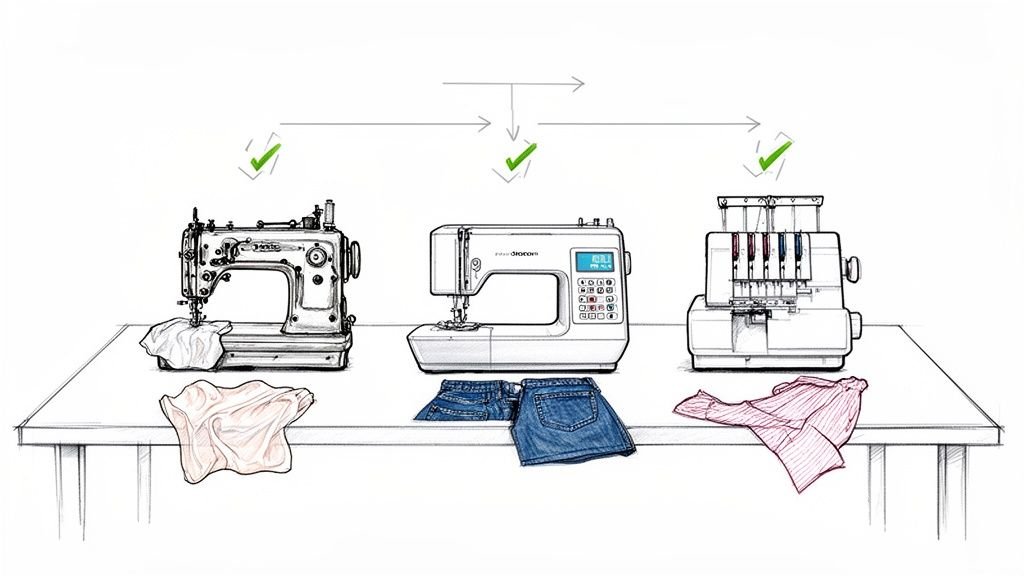
To start garment construction, you must gather specific tools that ensure accuracy and professional fabric handling:
- Universal sewing needles: Size 80/12 is the standard for most cotton and linen, while size 70/10 works best for lightweight silks.
- Polyester thread: Use high-quality, 100% polyester thread, as it offers the strength and stretch needed for modern apparel.
- Fabric shears: Dedicated dressmaker shears with an eight-inch blade provide the cleanest cuts; never use these on paper or cardboard.
- Seam ripper: A sharp, pointed tool is essential for correcting errors without damaging the fabric fibers.
- Magnetic seam guide: This attaches to the machine bed to help you maintain a consistent distance from the edge of the fabric.
- Pressing equipment: A sturdy iron and a tailor’s ham are required to shape seams as you work through the assembly.
You can substitute a basic plastic seam gauge for the magnetic guide, but a dull pair of scissors will ruin your project.
Step-by-step
- Clean the machine: Remove the throat plate and use a soft brush to clear lint from the feed dogs before you begin.
- Select the stitch: Set your machine to a straight stitch with a length of 2.5mm for standard garment assembly.
- Test your tension: Sew two layers of your chosen fabric scraps to verify that the top and bottom threads lock in the center.
- Align the fabric: Place the edge of your fabric against the 5/8-inch mark on your needle plate to maintain a consistent seam allowance.
- Guide the fabric: Hold the fabric lightly, allowing the feed dogs to pull it through, and avoid pushing or pulling the material by hand.
- Backstitch the ends: Press the reverse button for three stitches at the start and end of every seam to lock the thread.
- Press as you go: Take every completed seam to the ironing board and press it flat or open before sewing the next piece.
Tip: Always sew a sample seam on a scrap of the actual garment fabric to check if the machine puckers or skips stitches. Careful: Don’t attempt to force heavy denim through a machine designed for light fabrics, as this can break the timing belt; consult your manual for the maximum fabric thickness.
Variables in garment construction
The time and effort required change based on the complexity of the pattern and the stability of the fabric.
| Situation | Time/Effort | What is different | Watch for |
|---|---|---|---|
| Simple Cotton Skirt | Low | Straight lines, minimal fit | Even seam allowances |
| Silk Blouse | High | Slippery fabric handling | Needle snags |
| Heavy Wool Coat | High | Thick layers, bulk management | Motor strain |
| Knit Jersey Top | Medium | Requires stretch stitches | Fabric wavy edges |
It’s always safer to start with a simple cotton project to learn your machine’s quirks before moving to expensive or difficult materials.
How to tell you did it right
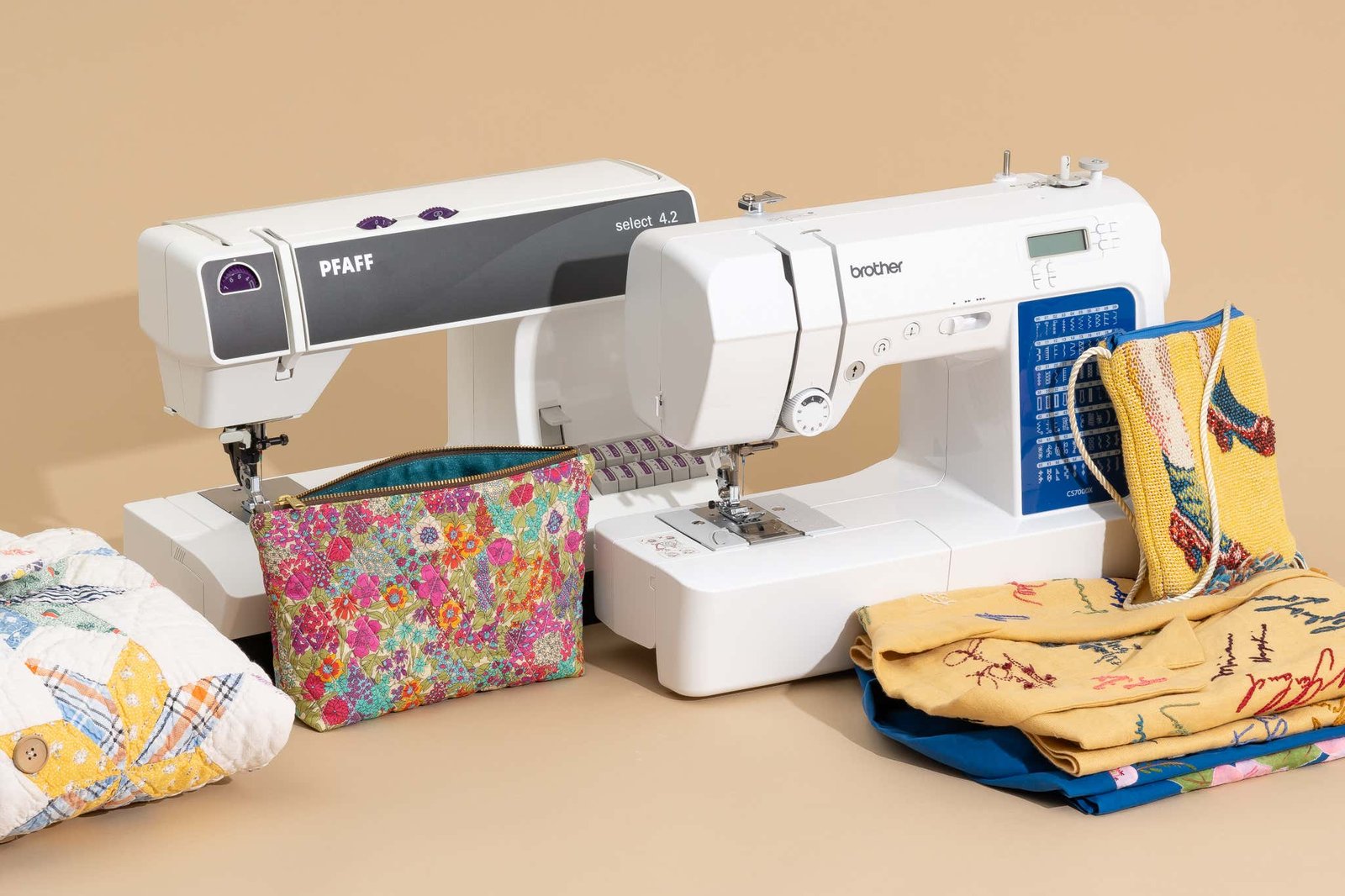
A successful seam looks flat, smooth, and consistent on both the top and the bottom of the fabric. The thread shouldn’t loop on the underside, and the seam allowance should remain uniform throughout the length of the garment. If your seam looks puckered or wavy, it often means your tension is too tight or you’re pulling the fabric while it passes under the needle.
To prevent these issues, always ensure your thread is properly seated in the tension discs before threading the needle. Additionally, changing your needle regularly prevents snags that ruin delicate apparel. A poor result usually appears as bunched-up thread or “bird nesting” underneath the fabric, which happens when the top tension is too loose or the bobbin case is dirty. By keeping the bobbin area clear of dust and ensuring the thread path is clear, you maintain the high-quality finish required for clothing that lasts.
Maintenance and safety standards
Proper care for your equipment follows the standards set by the Consumer Product Safety Commission regarding the safe operation of household electrical appliances. Keep your workspace clear of loose cords and unplug the machine whenever you change the needle or clean the bobbin area. You should perform a deep cleaning of the inner mechanisms regularly or after completing a major project. Never attempt to remove the outer housing of the machine, as a capacitor can hold a lethal charge even when the device is unplugged. If the machine makes a grinding noise or the motor smells like ozone, stop immediately and take it to a certified service technician. These professionals have the specialized tools to recalibrate the timing and motor speed, which is beyond the scope of home maintenance. Keeping the machine covered when not in use prevents dust accumulation.
Other ways to do it
Using a mechanical machine
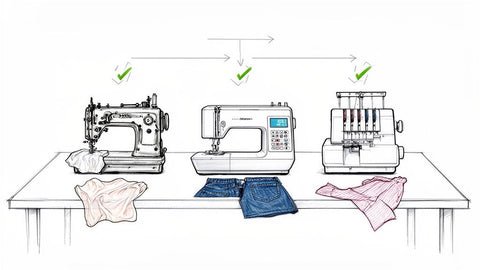
A mechanical machine uses dials instead of a computer screen. These are often cheaper and easier to repair, but they lack the automatic buttonhole features and needle-up/down positioning that make garment sewing faster.
Utilizing a serger
A serger uses multiple threads to finish edges and sew seams at the same time. It’s essential for knit garments but can’t replace a standard machine for zippers or topstitching.
Visiting a sewing studio
If you can’t afford a high-end machine, many local craft centers offer hourly rentals of professional-grade equipment. This allows you to use industrial-strength machines for a fraction of the purchase price.
Frequently asked questions
Choosing the best sewing machine for garment sewing
Yes, you can use a basic machine, but you’ll spend more time adjusting the tension manually. Cheap models often lack the power to sew through thick seams or multiple layers of heavy fabric.
How long does a good machine last?
Most well-maintained machines last fifteen to twenty years if you clean the bobbin area regularly. You should check the manufacturer’s warranty for specific details on motor and circuit board coverage.
Is it safe to leave the machine plugged in?
No, you should always unplug your machine when you aren’t actively sewing. This prevents potential electrical shorts and protects the internal computer board from power surges.
What happens if I use the wrong needle?
Using the wrong needle can cause skipped stitches or holes in your fabric. Always match the needle type to the fabric, such as using a ballpoint needle for knit fabrics to prevent runs.
How often should I change my needle?
You should change your needle when it becomes dull or damaged. A dull needle will pull fabric fibers and cause uneven tension, which ruins the look of professional clothing.
Final Thoughts
Investing in a quality machine is just the start of your creative journey. Once you’ve set up your workspace, grab some scrap fabric to practice your tension settings and stitch lengths. You’ll find that getting comfortable with these controls makes all the difference when you’re ready to start your first real project.
{“@context”:”https://schema.org”,”@type”:”FAQPage”,”mainEntity”:[{“@type”:”Question”,”name”:”Choosing the best sewing machine for garment sewing”,”acceptedAnswer”:{“@type”:”Answer”,”text”:”Yes, you can use a basic machine, but you’ll spend more time adjusting the tension manually. Cheap models often lack the power to sew through thick seams or multiple layers of heavy fabric.”}},{“@type”:”Question”,”name”:”How long does a good machine last?”,”acceptedAnswer”:{“@type”:”Answer”,”text”:”Most well-maintained machines last fifteen to twenty years if you clean the bobbin area regularly. You should check the manufacturer’s warranty for specific details on motor and circuit board coverage.”}},{“@type”:”Question”,”name”:”Is it safe to leave the machine plugged in?”,”acceptedAnswer”:{“@type”:”Answer”,”text”:”No, you should always unplug your machine when you aren’t actively sewing. This prevents potential electrical shorts and protects the internal computer board from power surges.”}},{“@type”:”Question”,”name”:”What happens if I use the wrong needle?”,”acceptedAnswer”:{“@type”:”Answer”,”text”:”Using the wrong needle can cause skipped stitches or holes in your fabric. Always match the needle type to the fabric, such as using a ballpoint needle for knit fabrics to prevent runs.”}},{“@type”:”Question”,”name”:”How often should I change my needle?”,”acceptedAnswer”:{“@type”:”Answer”,”text”:”You should change your needle when it becomes dull or damaged. A dull needle will pull fabric fibers and cause uneven tension, which ruins the look of professional clothing.”}}]}