Best Sewing Machine for Making Clothes: Expert Buying Guide
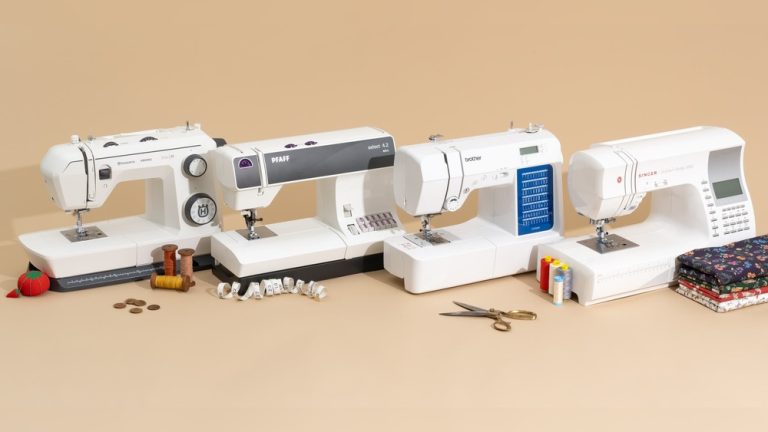
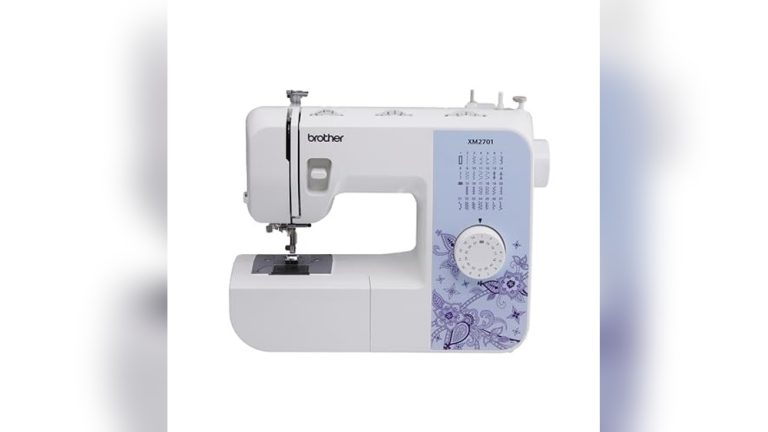
When asking what is the best sewing machine for making clothes, look for a high-quality mechanical model with a sturdy metal frame for stability. Choose one with at least 15 built-in stitches, including zigzag and buttonhole functions. Avoid models under 10 pounds, as they lack the weight needed for thick layers.
The main factor that dictates success in garment sewing is the consistency of your thread tension. Most people fail because they don’t adjust the tension settings when changing fabric types, leading to loops or broken threads. Before starting a project, always perform a test stitch on a scrap piece of your actual fabric. This simple habit prevents you from ruining your main material with the wrong settings.
Another critical point involves your needles. Many users continue sewing with a dull needle for far too long, which causes skipped stitches and fabric damage. Replace your needle after every 8 to 10 hours of active sewing time, as recommended by Singer’s official needle maintenance guide. If you use a needle that isn’t suited for your specific fabric weight, the machine will struggle regardless of its brand or price point.
What Is the Best Sewing Machine for Making Clothes?

- Set up your machine on a flat, stable surface to prevent vibrations from affecting your stitch quality. Plug the power cord into a grounded outlet and connect the foot pedal securely.
- Wind your bobbin according to your manual’s specific path, ensuring the thread is wound evenly and not too tightly. An uneven bobbin will cause the machine to jam or create loops on the underside of your fabric.
- Insert a fresh needle that matches your fabric weight; use a size 70/10 for lightweight silk and a size 100/16 for heavy denim. Tip: Never force a needle into the clamp; it should slide in easily until it hits the stop pin.
- Thread the upper machine path completely, ensuring the take-up lever is at its highest point. If the machine is improperly threaded, the tension discs won’t engage, leading to loose stitches.
- Perform a test stitch on a double layer of your project fabric to verify the tension is balanced. If the bobbin thread is pulled to the top, tighten your upper tension dial; if the top thread is pulled to the bottom, loosen it.
- Begin sewing your garment pieces using a standard 5/8-inch seam allowance. Use the markings on the needle plate to keep your seams straight and consistent throughout the construction process. Tip: If your machine has a speed control slider, set it to a medium pace while you learn to guide the fabric accurately.
- Clean the feed dogs and bobbin area with a soft brush after every project to remove lint buildup. This maintenance prevents the machine from skipping stitches over time.
How long it takes
The time required to complete a garment varies based on your skill level, the complexity of the pattern, and your familiarity with the machine settings.
| Situation | How long | What changes it | What to watch for |
|---|---|---|---|
| Simple skirt | 2-4 hours | Fabric type | Edge fraying |
| Basic shirt | 6-10 hours | Buttonholes | Tension consistency |
| Lined jacket | 15-25 hours | Interfacing | Bulk in seams |
If a project takes significantly longer than the table suggests, check that your machine’s feed dogs aren’t blocked by thread debris.
How to tell when it’s done
Photo: www.nytimes.com on Google
You know your work is successful when the stitches are uniform in length and look identical on both the top and the bottom of the fabric. The thread should lie flat against the material without puckering or looping. When you pull the fabric gently, the seam shouldn’t pop or show the thread underneath. If you’re sewing a buttonhole, the stitches must be dense enough to cover the raw edges of the fabric completely without the machine struggling to move forward. The final test is a simple stress test: tug the seam firmly with your hands. If the thread doesn’t snap and the fabric remains secure, your machine and settings are perfectly calibrated for that garment. If the machine begins to make a rhythmic clicking sound, stop immediately, as this often indicates that the bobbin case is loose or a needle is hitting the needle plate.
Mistakes that ruin it
- Using the wrong needle type: Using a universal needle on stretch fabric will cause skipped stitches and permanent holes in your garment. Always choose a ballpoint needle for knits and a sharp or universal needle for woven fabrics.
- Skipping the tension test: Sewing a whole seam without testing the tension often leads to a tangled mess on the underside that requires ripping out the entire seam. Always sew a three-inch test strip on your scrap fabric before starting the actual project.
- Ignoring machine maintenance: Allowing lint to build up under the needle plate prevents the feed dogs from moving the fabric correctly, which leads to uneven seams. Use a small brush to clean the bobbin area every time you finish a large section of your garment.
- Forcing the fabric through: Pulling or pushing the fabric while the machine is sewing will break the needle and throw off the timing of the hook assembly. Let the feed dogs do the work, and use your hands only to guide the fabric gently in the desired direction.
Frequently asked questions
Photo: www.southernliving.com on Google
Can I use a cheap sewing machine to make professional clothes?
Yes, you can make professional clothes on a budget machine if it has a solid metal frame and consistent tension. Quality depends more on your pressing and sewing skills than on decorative stitches. Avoid all-plastic models, as they often vibrate and produce uneven results.
Why is my sewing machine thread bunching up at the bottom?
This issue usually occurs because the upper thread isn’t correctly seated between the tension discs. Re-thread your machine from scratch with the presser foot in the raised position to ensure the thread sits deeply within the discs. This allows the discs to close properly and provide necessary tension.
Is it safe to repair my own sewing machine?
No, you shouldn’t open the housing or attempt to repair internal components like the motor or circuit board. These parts involve high-voltage capacitors that can hold a lethal charge even when unplugged. For any electrical or timing issues, always take your machine to a professional technician.
How long does a sewing machine last?
A well-maintained mechanical sewing machine can last 20 to 30 years with regular cleaning and professional servicing every few years. The lifespan depends heavily on your usage frequency and whether you sew heavy-duty materials. Always consult the manual for specific lubrication requirements to avoid permanent mechanical damage.
What happens if I use the wrong needle size?
Using the wrong needle size causes visible holes or shredded thread, so always match your needle to your fabric weight. A general rule is that the thread should pass smoothly through the needle eye without resistance. Consult a manufacturer’s needle chart if you’re unsure about the correct pairing.
Final Thoughts
Choosing the right machine is just the beginning of your creative journey. Once you’ve picked a reliable model, don’t be afraid to practice on scrap fabric before starting your first project. You’ll soon find that sewing your own wardrobe is a rewarding skill, and you’re going to love wearing what you’ve made.
{“@context”:”https://schema.org”,”@type”:”FAQPage”,”mainEntity”:[{“@type”:”Question”,”name”:”Can I use a cheap sewing machine to make professional clothes?”,”acceptedAnswer”:{“@type”:”Answer”,”text”:”Yes, you can make professional clothes on a budget machine if it has a solid metal frame and consistent tension. Quality depends more on your pressing and sewing skills than on decorative stitches. Avoid all-plastic models, as they often vibrate and produce uneven results.”}},{“@type”:”Question”,”name”:”Why is my sewing machine thread bunching up at the bottom?”,”acceptedAnswer”:{“@type”:”Answer”,”text”:”This issue usually occurs because the upper thread isn’t correctly seated between the tension discs. Re-thread your machine from scratch with the presser foot in the raised position to ensure the thread sits deeply within the discs. This allows the discs to close properly and provide necessary tension.”}},{“@type”:”Question”,”name”:”Is it safe to repair my own sewing machine?”,”acceptedAnswer”:{“@type”:”Answer”,”text”:”No, you shouldn’t open the housing or attempt to repair internal components like the motor or circuit board. These parts involve high-voltage capacitors that can hold a lethal charge even when unplugged. For any electrical or timing issues, always take your machine to a professional technician.”}},{“@type”:”Question”,”name”:”How long does a sewing machine last?”,”acceptedAnswer”:{“@type”:”Answer”,”text”:”A well-maintained mechanical sewing machine can last 20 to 30 years with regular cleaning and professional servicing every few years. The lifespan depends heavily on your usage frequency and whether you sew heavy-duty materials. Always consult the manual for specific lubrication requirements to avoid permanent mechanical damage.”}},{“@type”:”Question”,”name”:”What happens if I use the wrong needle size?”,”acceptedAnswer”:{“@type”:”Answer”,”text”:”Using the wrong needle size causes visible holes or shredded thread, so always match your needle to your fabric weight. A general rule is that the thread should pass smoothly through the needle eye without resistance. Consult a manufacturer’s needle chart if you’re unsure about the correct pairing.”}}]}