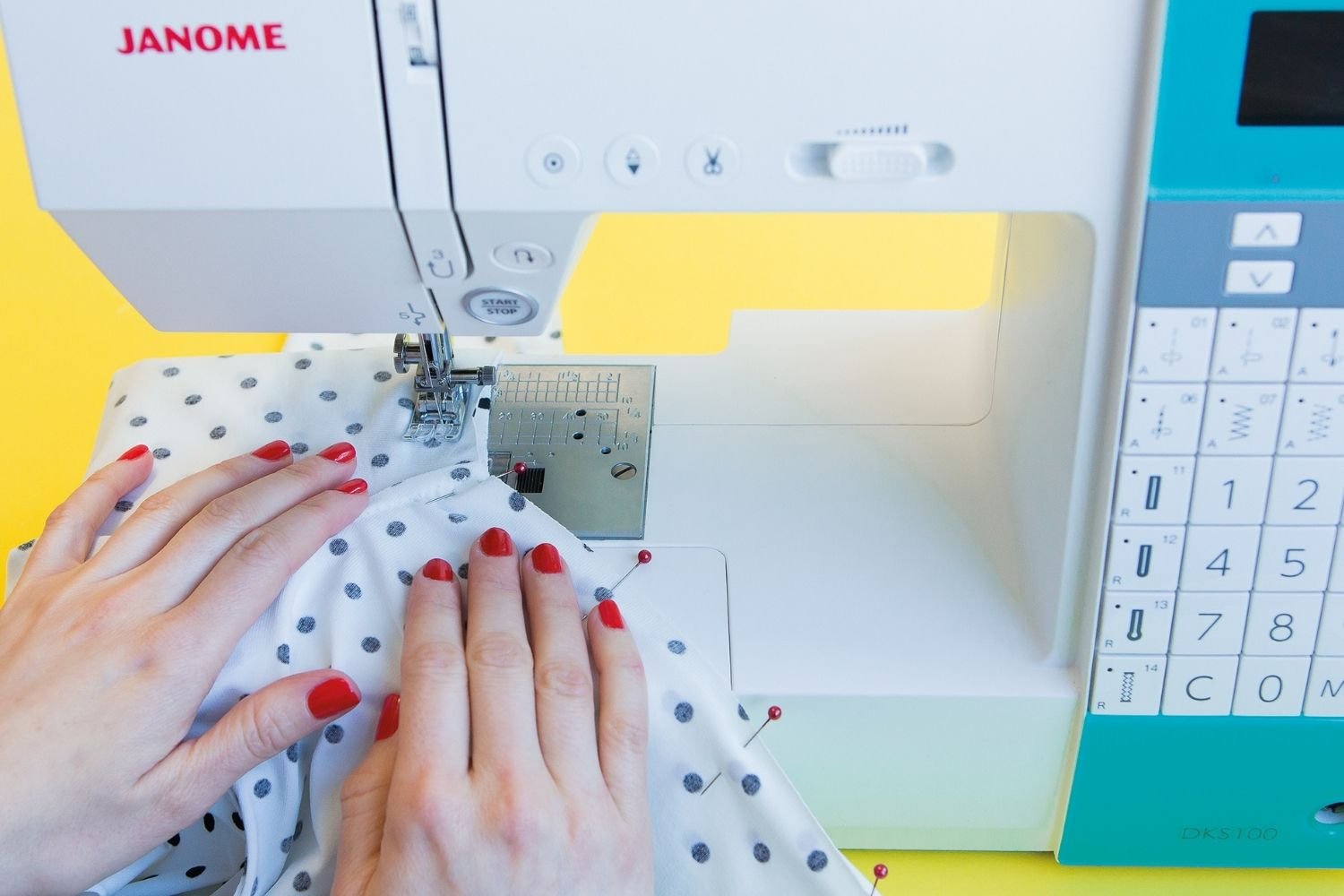
Best Sewing Machine for Knit Fabric: How to Choose the Right One
A computer-controlled machine with adjustable presser foot pressure is the best sewing machine for knit fabric because it prevents the material from stretching out of shape. If you work with very thin, lightweight knits, choose a machine that allows you to lower the pressure significantly. If you sew heavy, stable knits like thick sweatshirt fleece, you can use a higher pressure setting. Always check your manual for the specific adjustment range, as this varies by model.
The Best Sewing Machine for Knit Fabric
Photo: www.goldstartool.com on Google
| Method | How long | Effort | Cost | Best for |
|---|---|---|---|---|
| Computerized | Short | Low | High | Beginners |
| Mechanical | Medium | Medium | Low | Heavy fabrics |
| Overlocker | Short | Low | Medium | Finished edges |
Most beginners struggle because they don’t realize that standard presser foot pressure ruins stretchy fabric. If you have a machine that lacks pressure adjustment, you must use a walking foot to feed the layers evenly. This is a common mistake that causes wavy, distorted seams that look unprofessional and often snap when you pull on the garment.
Adjusting settings on electronic units
Modern machines with digital controls make working with knits much simpler. The screen displays your current stitch length and width settings, which you can adjust based on your fabric type.
- Set your stitch length to 2.5 millimeters and width to 0.5 millimeters for a standard narrow zigzag.
- Adjust the presser foot pressure dial to a low setting, typically between 1 and 2, to avoid pulling the fabric.
- Select a stretch stitch or a lightning bolt stitch to ensure the thread moves with the garment.
- Test your settings on a scrap piece of the same knit to confirm the seam doesn’t pucker.
These machines are excellent for people who want to switch between different projects quickly. The main weakness is that the electronic boards can be expensive to repair if they fail after years of heavy use. Always use high-quality needles designed for knits, as these have a rounded tip that pushes fibers aside instead of piercing them. You can find technical guidance on equipment standards through the International Organization for Standardization regarding sewing machine testing.
Using mechanical heavy-duty models
Mechanical machines use physical dials and levers instead of screens. These are built for people who prefer a tactile feel and need a machine that can handle thick layers of knit fabric without stalling.
- Turn the dial to select a zigzag stitch, which allows the seam to stretch without breaking the thread.
- Manually reduce the tension on the upper thread to prevent the fabric from gathering while you sew.
- Use the handwheel to start your first few stitches slowly, ensuring the needle clears the fabric.
- Keep your hands flat on the fabric to guide it gently toward the needle without pushing or pulling.
These machines are durable and rarely require professional software updates, though they lack automatic features for newcomers. You must learn to balance the tension manually to avoid constant re-threading. If the fabric bunches, stop and check that your needle size is appropriate for the knit weight.
Managing edges with an overlocker
Photo: tillyandthebuttons.com on Google
An overlocker, or serger, creates a professional finish by trimming the fabric edge and sewing a secure stitch at the same time. This isn’t a replacement for a regular machine but a perfect partner for knit projects.
- Thread the four spools of polyester thread through the specific color-coded paths on your machine.
- Adjust the differential feed dial to prevent the knit from waving or stretching as it passes through.
- Place your raw edges under the blade and guide them steadily while the machine trims the excess.
- Chain off the end of your fabric to secure the stitch and prevent it from unraveling.
This method produces clean, factory-style seams on all types of jersey and rib knits. The main downside is that you can’t undo a seam easily once it’s cut by the blade. If you’re new to this, practice on long strips of scrap fabric until your speed and edge alignment are consistent.
Which one should you use?
If you’re in a hurry, use an overlocker. It finishes the seam and trims the excess in one pass, which saves you from going back to clean up the edges later. It’s the most efficient way to turn raw knit fabric into a finished garment in a single sitting.
Beginners should use a computerized machine to simplify the process. Pre-programmed settings remove the guesswork from tension and stitch choice, allowing you to focus on your sewing technique. This is the most forgiving option for those learning to handle stretchy materials.
If you want the best possible result whatever it takes, use a combination of both. Use the computerized machine to sew darts or pockets where precision is required, and use the overlocker to join the main seams for the best stretch and durability. This approach gives you the control of a standard machine with the professional finish of a specialized tool. The trade-off is that you must maintain two pieces of equipment, which requires more space and more regular cleaning. Always consult your specific user manual to see which cleaning schedule the manufacturer recommends for your particular model, as skipping maintenance is the fastest way to ruin your stitch quality.
The rules that apply whichever way you choose
Regardless of the machine you pick, you must always use a ballpoint or stretch needle. These needles are designed for knit fabric; they slide between the loops of the yarn instead of cutting them. If you use a sharp, universal needle, you’ll create small holes that eventually turn into runs or tears in your finished clothing.
Before you begin your project, prepare your fabric by washing it exactly as you plan to wash the finished garment. Most knits shrink during the first wash; if you sew your garment before washing, it may not fit after the first time you clean it. Check your project partway through by sewing a test seam on a double layer of your fabric. If the seam looks wavy, increase your presser foot pressure slightly or adjust your differential feed.
At the end of every session, clean the lint out of the bobbin case and feed dogs. Knit fabric creates a surprising amount of dust, and if you leave it inside, it will eventually cause the machine to jam or skip stitches. If the machine makes a grinding noise or the motor smells like burning rubber, stop using it immediately and take it to a qualified service technician. Don’t attempt to open the housing yourself, as capacitors inside can hold a dangerous electrical charge even when the power is disconnected.
Frequently asked questions

Can I use a regular sewing machine for knit fabric?
Yes, you can use a regular machine for knit fabric by selecting a zigzag or stretch stitch. These stitches allow the thread to move with the fabric, preventing the seam from snapping. Always use a ballpoint needle and reduce presser foot pressure to avoid distortion, or use a walking foot if your machine lacks pressure adjustments.
Why is my knit fabric wavy when I sew it?
Your fabric is wavy because the presser foot is stretching the material as it moves under the needle. This is common when you use too much pressure on thin, lightweight knits. You can fix this by reducing the presser foot pressure or by using a walking foot attachment. Always test your settings on a scrap piece of the same fabric before you start sewing your actual garment pieces.
How long does it take to learn to sew with knits?
Learning to handle knit fabric without stretching or bunching usually takes a few hours of practice. You must get comfortable with your machine’s speed and learn to guide the fabric without pulling it. Practicing on scrap fabric first makes moving on to a real project much easier.
Is it safe to sew knit fabric with a serger?
Yes, it’s safe to use a serger on knit fabric as long as you keep your fingers away from the cutting blade. Always watch where your hands are placed and never force the fabric through the machine. If you’re new to using a serger, practice on long, straight scraps to get used to the speed and the way the machine feeds the material through the blades.
What happens if I use the wrong needle on knit fabric?
If you use a sharp, universal needle, you’ll likely create small holes in the fabric that can turn into runs. These needles are made to pierce woven fibers, but they cut through the loops in knit fabric instead of pushing them aside. You should always use a ballpoint or stretch needle, which has a rounded tip designed specifically to protect the structure of the knit.
Final Thoughts
Finding the right machine makes your projects look professional, but your technique matters just as much. Don’t be afraid to practice on a few fabric scraps before you start your main project. You’ll feel much more confident once you’ve tested your settings, so grab your favorite pattern and get sewing today!
{“@context”:”https://schema.org”,”@type”:”FAQPage”,”mainEntity”:[{“@type”:”Question”,”name”:”Can I use a regular sewing machine for knit fabric?”,”acceptedAnswer”:{“@type”:”Answer”,”text”:”Yes, you can use a regular machine for knit fabric by selecting a zigzag or stretch stitch. These stitches allow the thread to move with the fabric, preventing the seam from snapping. Always use a ballpoint needle and reduce presser foot pressure to avoid distortion, or use a walking foot if your machine lacks pressure adjustments.”}},{“@type”:”Question”,”name”:”Why is my knit fabric wavy when I sew it?”,”acceptedAnswer”:{“@type”:”Answer”,”text”:”Your fabric is wavy because the presser foot is stretching the material as it moves under the needle. This is common when you use too much pressure on thin, lightweight knits. You can fix this by reducing the presser foot pressure or by using a walking foot attachment. Always test your settings on a scrap piece of the same fabric before you start sewing your actual garment pieces.”}},{“@type”:”Question”,”name”:”How long does it take to learn to sew with knits?”,”acceptedAnswer”:{“@type”:”Answer”,”text”:”Learning to handle knit fabric without stretching or bunching usually takes a few hours of practice. You must get comfortable with your machine’s speed and learn to guide the fabric without pulling it. Practicing on scrap fabric first makes moving on to a real project much easier.”}},{“@type”:”Question”,”name”:”Is it safe to sew knit fabric with a serger?”,”acceptedAnswer”:{“@type”:”Answer”,”text”:”Yes, it’s safe to use a serger on knit fabric as long as you keep your fingers away from the cutting blade. Always watch where your hands are placed and never force the fabric through the machine. If you’re new to using a serger, practice on long, straight scraps to get used to the speed and the way the machine feeds the material through the blades.”}},{“@type”:”Question”,”name”:”What happens if I use the wrong needle on knit fabric?”,”acceptedAnswer”:{“@type”:”Answer”,”text”:”If you use a sharp, universal needle, you’ll likely create small holes in the fabric that can turn into runs. These needles are made to pierce woven fibers, but they cut through the loops in knit fabric instead of pushing them aside. You should always use a ballpoint or stretch needle, which has a rounded tip designed specifically to protect the structure of the knit.”}}]}