Is Owning an Embroidery Machine Profitable? A Business Guide
Owning an embroidery machine is profitable if you focus on high-margin custom items, though the return on investment depends heavily on your marketing and order volume. Most small business owners find that selling personalized goods like baby blankets, hats, or corporate uniforms yields better margins than mass-market items. You need to calculate your cost per stitch and machine maintenance to ensure your final price covers your time and equipment costs.
The key to success is finding a specific niche where you can charge a premium for custom work. If you choose a broad market, you compete with factories that have lower costs; if you choose a specialized niche, you can charge for your unique designs. The most common mistake people make isn’t tracking their time spent on digitizing and setup. This error often makes owners believe they’re making a profit when they’re actually paying themselves less than minimum wage.
Making your embroidery machine profitable
Research your local market to see which items aren’t currently offered, such as specialized pet accessories or custom workwear. If you find three local shops already offering corporate polos, pivot to niche markets like personalized equestrian gear or high-end baby linens.
Calculate your total cost per item, including the blank garment, thread, stabilizer, and your hourly labor rate. Most beginners fail by ignoring the cost of electricity and needle wear. If your total overhead exceeds 60% of the retail price, you’re undercharging.
Set your machine to the correct tension and speed for the specific fabric type to avoid ruined blanks. Use a lower speed for stretchy knits to prevent puckering. If the bobbin thread pulls to the top, your top tension is too tight; if the top thread shows on the bottom, it’s too loose.
Create a consistent pricing structure based on stitch count and design complexity. Charge a minimum setup fee for digitizing custom logos to cover your software time.
Market your services through local business networks or craft marketplaces. If you’re targeting corporate clients, lead with a sample kit of your best work rather than a price list.
Always keep a digital log of every design run. If you don’t track which settings work for which fabric, you’ll waste hours troubleshooting the same issues repeatedly.
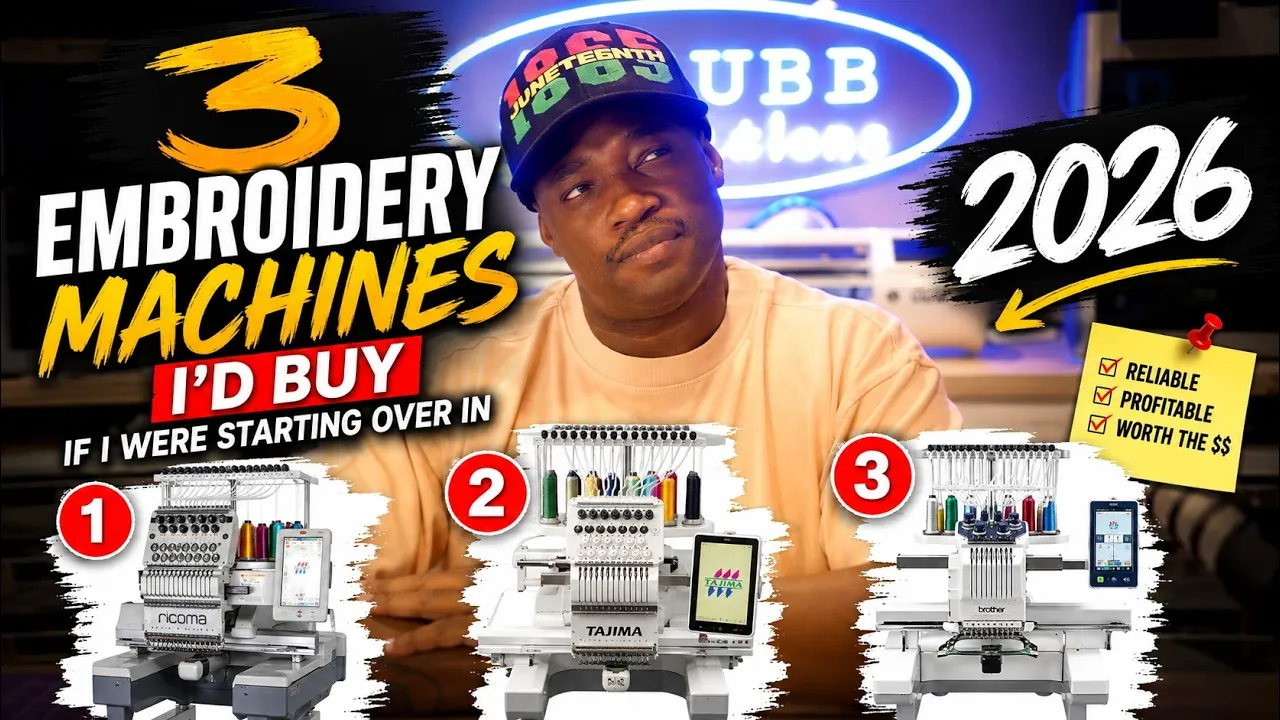
Don’t start by buying the most expensive industrial machine. Start with a reliable mid-range model to learn the craft before committing to high monthly equipment payments.
Realistic time to reach profitability
| Situation | How long to profit | What changes it | What to watch for |
|---|---|---|---|
| Personal gifts | 1-3 months | Design speed | Material waste |
| Small local batches | 6-12 months | Marketing effort | Bulk discounts |
| Corporate uniforms | 12-24 months | Contract size | Equipment wear |
If your business is taking longer than 24 months to show a profit, you’re likely failing to account for the hidden cost of equipment depreciation. Most owners forget to set aside cash for machine repairs until a breakdown halts production entirely.
Apply the 20% rule to your pricing: if your net margin remains below 20% after accounting for labor, you aren’t running a business, but a hobby. You must raise prices immediately if you can’t reach this threshold within your first year.
Distinguish between a cash-flow problem and a bad business model. If you have high demand but no profit, increase your prices by 10% to test your customers’ loyalty. If they stay, your previous pricing was the only barrier to your success.
Quality control and finishing work
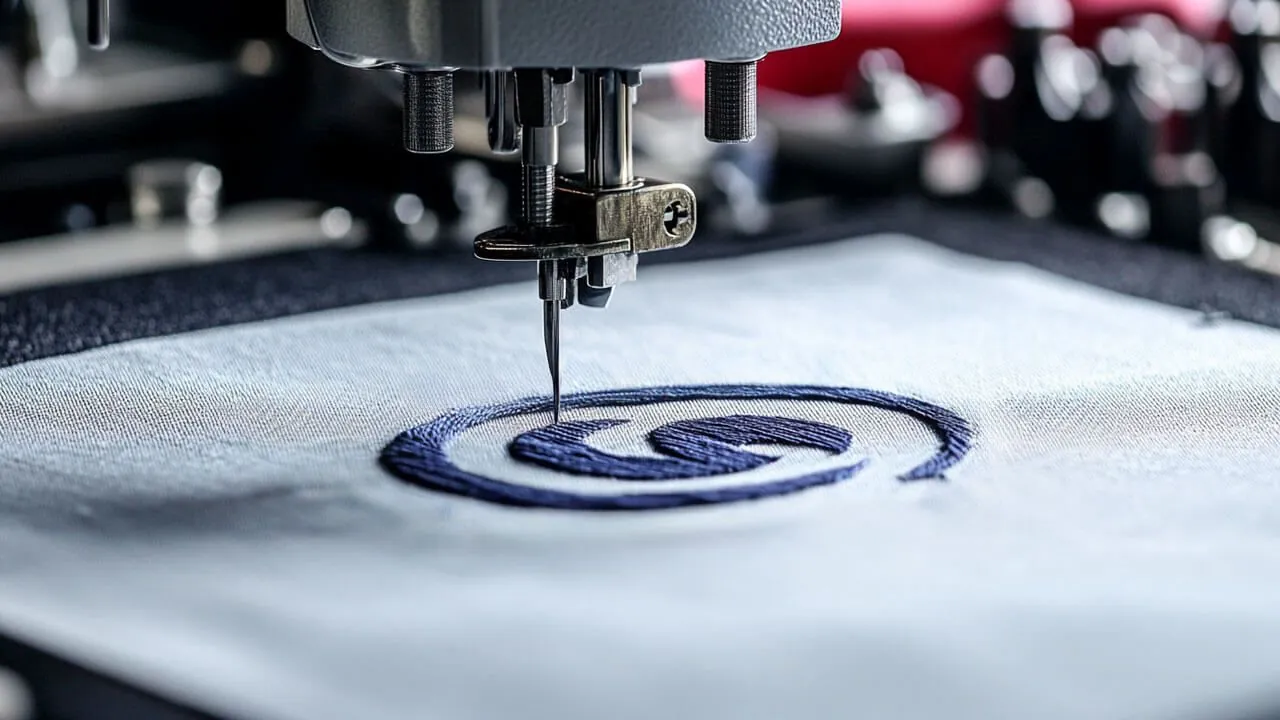
The final quality of your work is what allows you to charge premium prices. You must inspect every item for loose threads, puckering around the embroidery, and correct hoop alignment. If the design pulls the fabric, you have used the wrong stabilizer for that material weight. You should also check that the bobbin tension is balanced; if you see the bobbin thread showing on the top, the tension is too loose.
When signs of quality conflict, such as a perfect stitch but a crooked placement, the placement is the deciding factor. A customer will rarely notice a minor stitch density issue, but they will immediately spot a logo that’s off-center on a shirt. Always use a template for consistent placement across multiple items.
If you’re embroidering on stretchy knits, use a cut-away stabilizer to prevent the fabric from distorting after the hoop is removed. For rigid cottons, a tear-away stabilizer works best to keep the finish clean. Beginners often skip trimming jump stitches between letters, which makes the work look amateurish. Investing thirty seconds to clean the underside of the garment adds immediate perceived value.
Common embroidery business mistakes
- Underpricing your time: Many owners forget that the time spent cleaning up threads and digitizing patterns is billable work. This mistake turns a profitable project into a loss because you’re working for free during the finishing stage.
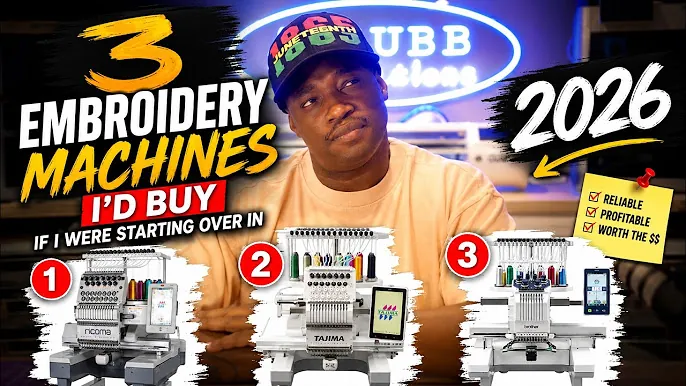
- Buying the wrong machine: Purchasing a single-needle machine for high-volume work forces you to sit by the machine all day to change colors manually. Instead, invest in a multi-needle machine if you plan to do more than five items per design, as it automates the color change process.
- Ignoring maintenance schedules: Skipping routine cleaning and oiling leads to skipped stitches and machine jams that require professional repair. If you don’t follow the manufacturer’s cleaning guide, you’ll lose days of production time while the machine is in the shop for avoidable mechanical failures.
- Poor material selection: Using cheap, thin blanks often causes the fabric to tear under the stress of the needle. Always test your design on a scrap piece of the same fabric before you run it on a customer’s expensive item to ensure the stabilizer supports the design weight.
Frequently asked questions
Can I make a full-time income with one machine?
Yes, you can make a full-time income if you focus on high-volume, repetitive orders like corporate logos. Most owners find that a single-needle machine is too slow for a full-time income, so they eventually upgrade to a multi-needle setup. Your income depends on your ability to secure contracts for multiple items rather than one-off custom gifts that take significant time to design and set up.
How much should I charge per thousand stitches?
The industry standard is often inexpensive relative to the alternative, but this varies based on your local overhead and competition. You must first calculate your own hourly rate and add the cost of materials to this figure. Never simply copy a competitor’s price, as their equipment costs and labor efficiency are likely different from yours.
Is it safe to leave an embroidery machine running?
No, it isn’t safe to leave an embroidery machine unattended while it’s running. A thread break or a needle strike can cause the machine to tangle or damage the fabric in seconds. Always stay within earshot of the machine so you can stop it immediately if you hear a strange sound or see the thread stop feeding properly.
Why is my embroidery puckering?
Puckering usually happens because your stabilizer is too thin or your thread tension is too tight for the fabric. Use a heavier-weight stabilizer for thin fabrics and ensure you aren’t pulling the fabric too tight inside the hoop. If the problem persists, check that your needle is sharp, as a dull needle will push the fabric into the throat plate instead of piercing it cleanly.
What is the most profitable item to embroider?
Custom hats and polos are generally the most profitable because they’re quick to hoop and have a high perceived value. These items allow for bulk production, which significantly reduces the time you spend on setup and design changes. Focus on items that require a standard, consistent placement to keep your production time low and your output high.
Can I use stock designs for profit?
Yes, you can use stock designs if you have purchased a commercial license for the embroidery file. Many digitizers sell designs for personal use only, so you must verify that the file license allows for commercial embroidery. If you don’t have the legal right to use a specific design, you risk copyright issues that can lead to heavy fines or account closures on marketplaces.
Conclusion
Starting your creative journey doesn’t have to be overwhelming. Pick one niche that genuinely excites you and create a few samples for friends to test the market. You’ll quickly see what resonates with people, and that’s how you’ll build a sustainable business that fits perfectly into your life.
{“@context”:”https://schema.org”,”@type”:”FAQPage”,”mainEntity”:[{“@type”:”Question”,”name”:”Can I make a full-time income with one machine?”,”acceptedAnswer”:{“@type”:”Answer”,”text”:”Yes, you can make a full-time income if you focus on high-volume, repetitive orders like corporate logos. Most owners find that a single-needle machine is too slow for a full-time income, so they eventually upgrade to a multi-needle setup. Your income depends on your ability to secure contracts for multiple items rather than one-off custom gifts that take significant time to design and set up.”}},{“@type”:”Question”,”name”:”How much should I charge per thousand stitches?”,”acceptedAnswer”:{“@type”:”Answer”,”text”:”The industry standard is often inexpensive relative to the alternative, but this varies based on your local overhead and competition. You must first calculate your own hourly rate and add the cost of materials to this figure. Never simply copy a competitor’s price, as their equipment costs and labor efficiency are likely different from yours.”}},{“@type”:”Question”,”name”:”Is it safe to leave an embroidery machine running?”,”acceptedAnswer”:{“@type”:”Answer”,”text”:”No, it isn’t safe to leave an embroidery machine unattended while it’s running. A thread break or a needle strike can cause the machine to tangle or damage the fabric in seconds. Always stay within earshot of the machine so you can stop it immediately if you hear a strange sound or see the thread stop feeding properly.”}},{“@type”:”Question”,”name”:”Why is my embroidery puckering?”,”acceptedAnswer”:{“@type”:”Answer”,”text”:”Puckering usually happens because your stabilizer is too thin or your thread tension is too tight for the fabric. Use a heavier-weight stabilizer for thin fabrics and ensure you aren’t pulling the fabric too tight inside the hoop. If the problem persists, check that your needle is sharp, as a dull needle will push the fabric into the throat plate instead of piercing it cleanly.”}},{“@type”:”Question”,”name”:”What is the most profitable item to embroider?”,”acceptedAnswer”:{“@type”:”Answer”,”text”:”Custom hats and polos are generally the most profitable because they’re quick to hoop and have a high perceived value. These items allow for bulk production, which significantly reduces the time you spend on setup and design changes. Focus on items that require a standard, consistent placement to keep your production time low and your output high.”}},{“@type”:”Question”,”name”:”Can I use stock designs for profit?”,”acceptedAnswer”:{“@type”:”Answer”,”text”:”Yes, you can use stock designs if you have purchased a commercial license for the embroidery file. Many digitizers sell designs for personal use only, so you must verify that the file license allows for commercial embroidery. If you don’t have the legal right to use a specific design, you risk copyright issues that can lead to heavy fines or account closures on marketplaces.”}}]}