What Are the 3 Main Types of Sewing Machines?
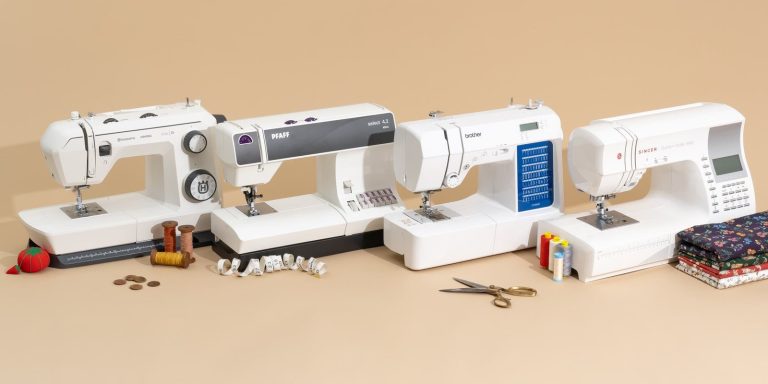
The three main types of sewing machines are mechanical sewing machines, electronic sewing machines, and computerized sewing machines. They all do the same basic job — pushing a needle through fabric to form a stitch. What separates them is how much of the work the machine does for you, and how much control you keep in your hands.
Sewing machine types at a glance
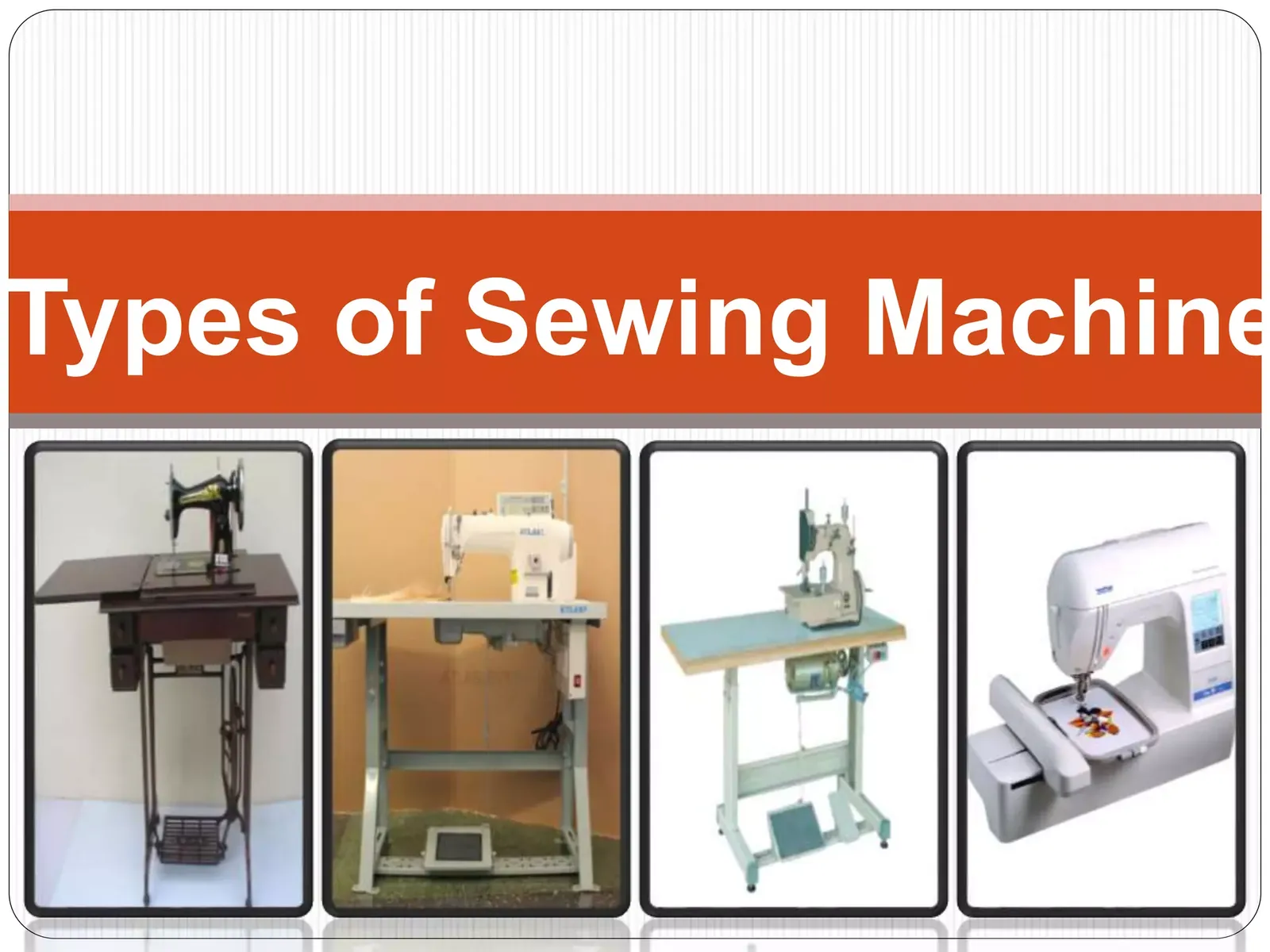
The table below covers every machine type on this page. Use it to find the name, then jump to the section that explains it.
| Type | Best for | Example |
|---|---|---|
| Mechanical | Straight stitching, simple repairs | Basic Singer with dial controls |
| Electronic | Speed control, buttonholes, everyday home sewing | Brother with push buttons |
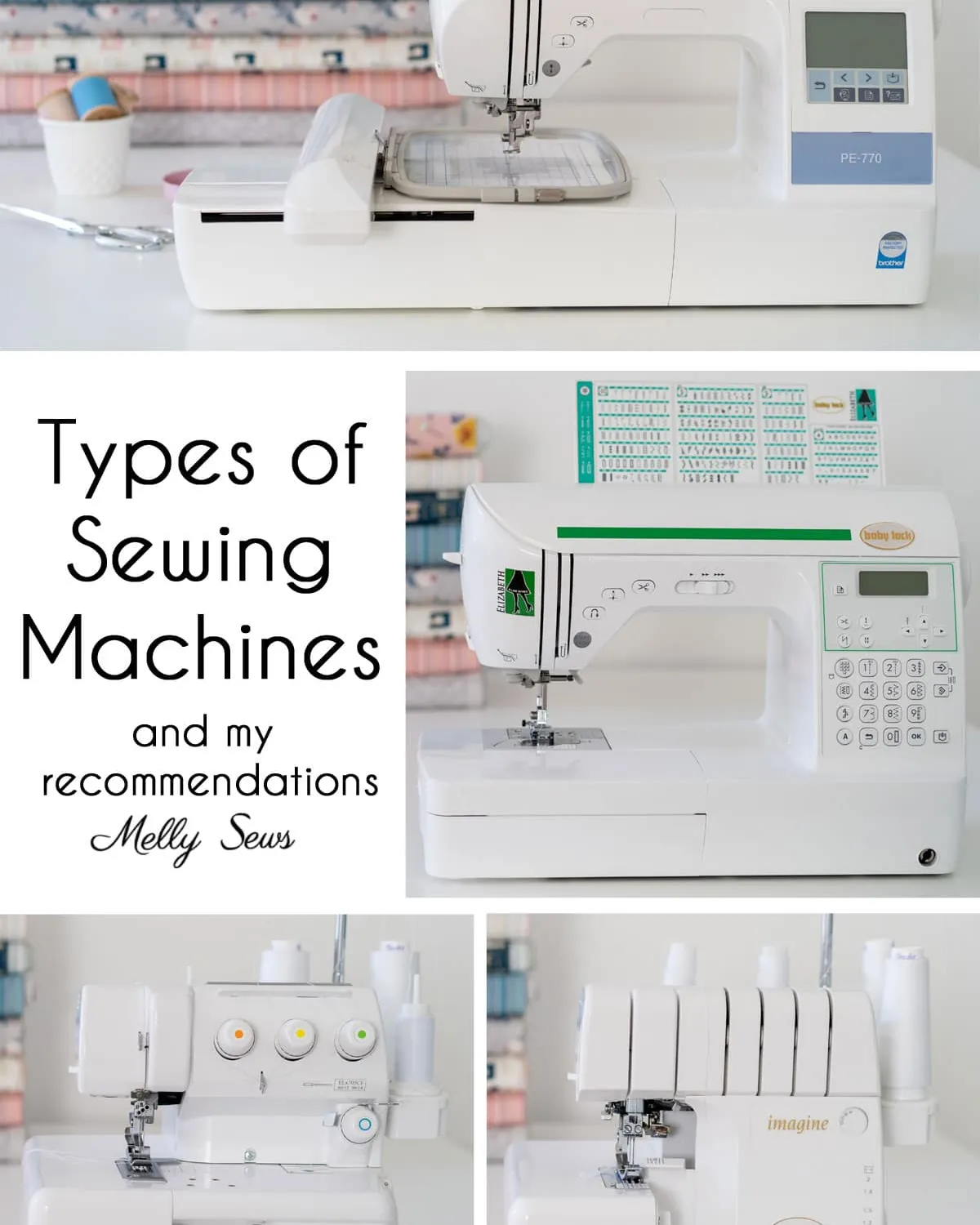
| Computerized | Embroidery, decorative stitches, repeat work | Brother or Janome with a screen |
| Serger (overlock) | Finishing raw edges, stretch fabrics | Four-thread overlock machine |
| Coverstitch | Hemming knits, twin-needle finish | Two- or three-needle coverstitch |
| Longarm quilting | Quilting large projects in one pass | Frame-mounted quilting machine |
| Embroidery-only | Logos, monograms, bulk designs | Single-head commercial embroidery unit |
Mechanical sewing machines
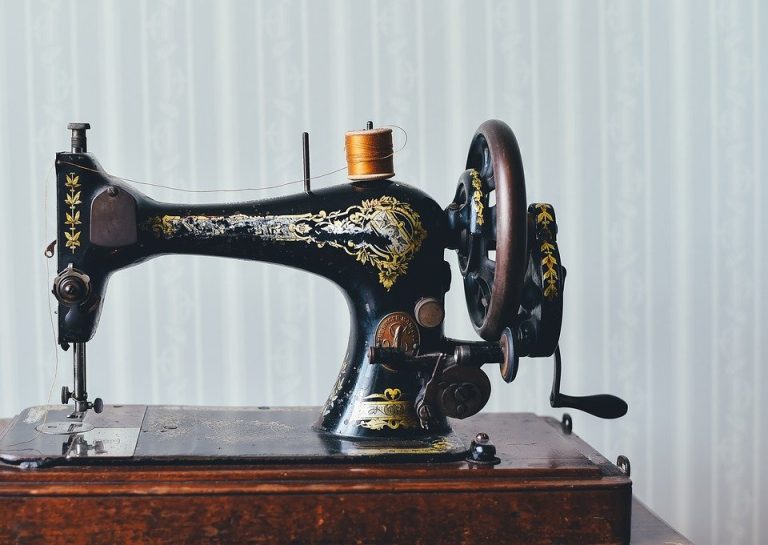
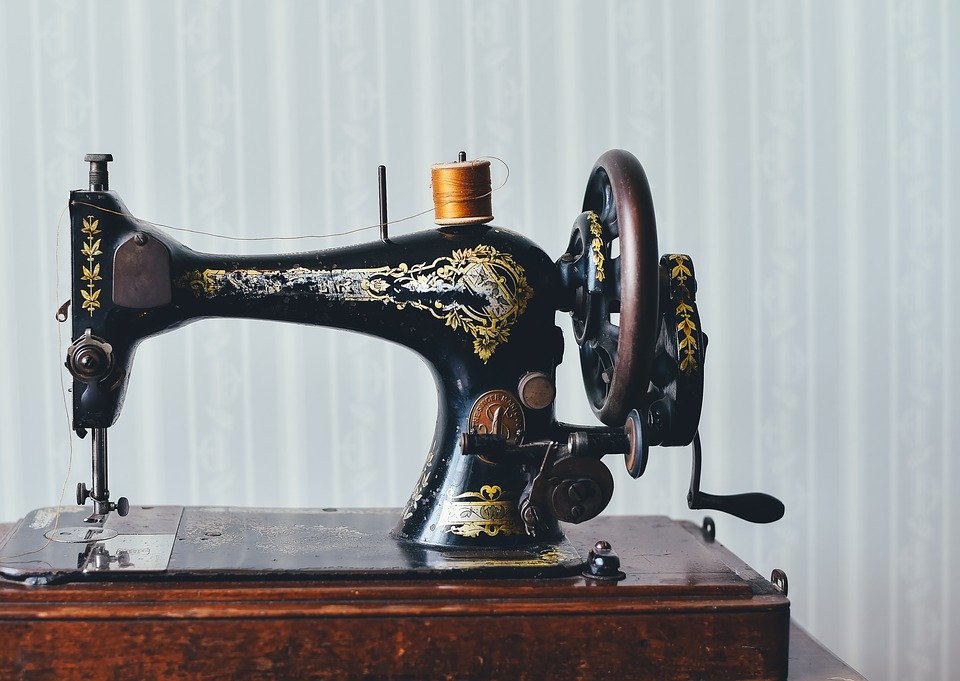
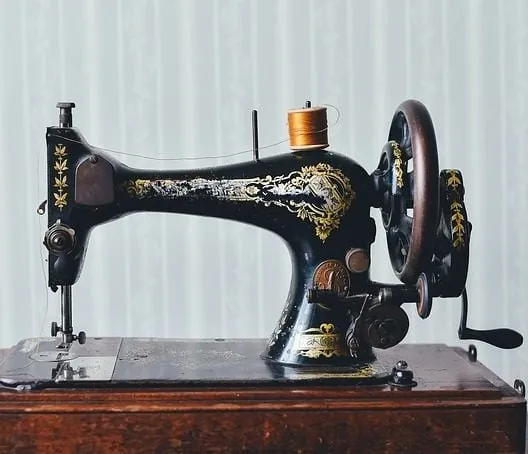
A mechanical sewing machine uses gears, cams, and a foot pedal — no circuit board, no screen. It suits someone who sews occasionally, wants a machine that’s easy to fix, and doesn’t need decorative stitches.
- Straight stitch and zigzag at any speed you control with your foot
- Repairs you can often do yourself, since there’s no software to fail
- A lower price than the other two types, at the same stitch quality
The trade-off is that stitch length and width come from dials you turn by hand. Changing from a straight stitch to a zigzag means moving two dials, not pressing one button. On most basic models you’ll find around 10 to 20 built-in stitches, and the exact count is printed in the manual or on the machine’s front panel.
For a simple hem on a cotton curtain, a mechanical machine set to a straight stitch, about 2.5 mm long, finishes the job as well as anything else.
Electronic sewing machines
An electronic sewing machine adds a motor control board, so speed stays steady no matter how hard you press the pedal. That steady speed is the thing a mechanical machine can’t do — it’s what makes an even buttonhole possible.
- Consistent speed on long seams, so stitches stay the same size
- Buttonholes and basic decorative stitches at the push of a button
- Needle-up and needle-down stops, which help when you turn a corner
It suits someone who sews most weeks and wants repeatable results without learning a computer menu. You still choose the stitch, but the machine holds the speed for you.
Sewing a buttonhole on a shirt placket is the clearest example: the machine runs the whole sequence itself, and you only position the fabric.
Computerized sewing machines
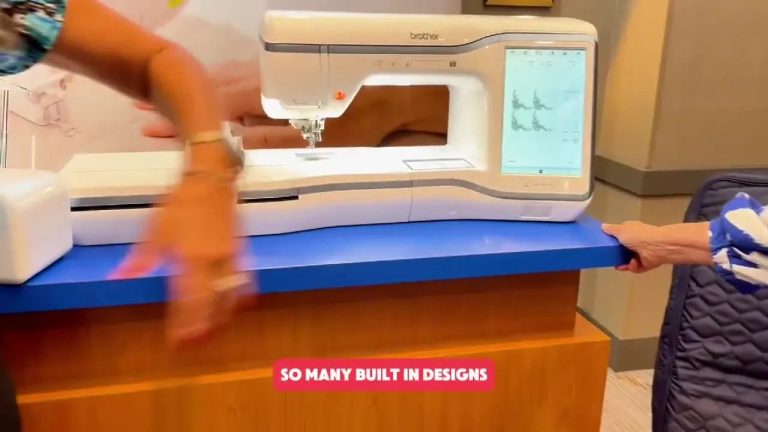
A computerized sewing machine runs on a small computer, so it stores stitch patterns and can follow a design on its own. It’s the type to pick if you want embroidery, lettering, or hundreds of decorative stitches.
- Embroidery and monogramming from a file you load onto the machine
- Hundreds of built-in stitches, often 100 or more on mid-range models
- Memory for repeat jobs, so the same design comes out the same way each time
This one has a real limit: the price runs well above the other two, and repairs usually mean a service center, not a home fix. Screens and circuit boards also need gentle handling.
If you’re embroidering a name onto a towel, the machine follows the file stitch by stitch while you only watch for thread breaks.
Sergers and overlock machines
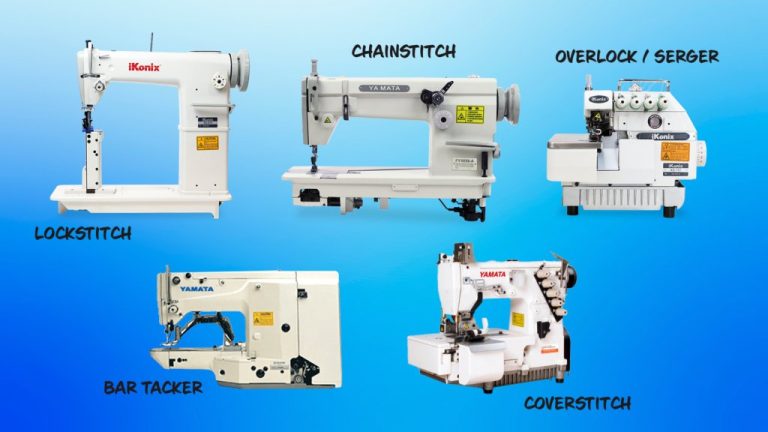
A serger trims the fabric edge and wraps it in thread at the same time, which a standard sewing machine can’t do. It suits anyone sewing knits, or anyone tired of fraying seams inside a garment.
- Clean, professional seam finishes on woven and stretch fabric
- Stretch seams that move with knit fabric instead of snapping
- Fast edge finishing, since it cuts and sews in one pass
A serger uses 3 or 4 threads and needs its own setup, so most people keep it beside a regular machine rather than instead of one. Threading it takes practice — the manual’s diagram is the only reliable guide.
Hemming a knit t-shirt is the classic case: the serger finishes the edge, and the seam stretches with the fabric.
Longarm quilting machines
A longarm machine sits on a frame and quilts a whole bed-sized project in one pass, instead of pushing fabric through a small opening. It suits quilters who finish several large quilts a year.
- Quilting a full-size quilt without rolling and squeezing fabric
- Even stitch length across a large surface
- Free-motion patterns that are hard to do on a home machine
The catch here is space and cost — a frame needs a room of its own, and the machine plus frame is a serious purchase. If you quilt once a year, a home machine with a walking foot does the same job more slowly.
For a queen-size quilt, the longarm moves over the fabric while you guide it, and the whole top gets quilted without stopping.
Other sewing machine types worth knowing
A few more machines come up often enough to name. Each one does a narrow job well.
- Coverstitch machine — sews a twin-needle hem on knits, the finish you see inside a store-bought t-shirt. Reach for it if you sew activewear.
- Embroidery-only machine — does nothing but stitch designs from a file. Best for small business work like logos on caps or bags.
- Quilting machine with a frame — a home machine mounted on a frame, a cheaper middle step before a full longarm setup.
- Heavy-duty mechanical machine — a mechanical build with a stronger motor, made for denim, canvas, and leather. Good if your fabric is thick, not if you need decorative stitches.
How to choose your sewing machine type
Your budget settles most of this. A mechanical machine is inexpensive relative to the alternative if you sew a few times a month. If you sew weekly and want buttonholes that come out the same every time, an electronic machine is the better buy.
What you plan to make settles the rest. Garments in knit fabric point to a serger alongside your main machine. Quilts bigger than a throw point to a longarm or a frame setup. Names, logos, and monograms point to a computerized machine.
You can combine these — plenty of people run a mechanical machine for seams and a serger for edges. What you can’t do is buy one machine that does all of it well at a low price. Picking the computerized type means leaving behind the cheap home repairs a mechanical machine allows.
Frequently asked questions
Can a mechanical sewing machine do everything an electronic one does?
No. A mechanical machine can’t hold a steady speed on its own, so long seams and buttonholes come out less even. It still sews straight and zigzag stitches perfectly well. If your work is simple hems and repairs, you won’t notice the difference.
Why are computerized sewing machines so expensive?
The computer, screen, and embroidery arm add real hardware cost, and repairs need a service center rather than a home fix. Prices vary a lot by brand and features, so check the maker’s official page for the current model you’re considering. A basic computerized machine costs far less than an embroidery model.
How long does a sewing machine last?
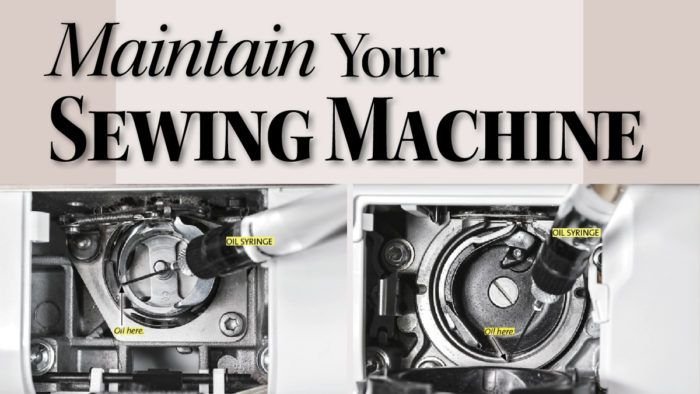
A mechanical machine often lasts many years with regular cleaning and oiling, and many last far longer. Electronic and computerized machines depend on their circuit boards, which can fail sooner. The manual states the service interval for your model — follow that, not a general number.
Is it safe to sew thick fabric like denim on any machine?
Only on a machine rated for it. A heavy-duty mechanical model handles denim and canvas; a light electronic machine can bend the needle or strain the motor. Check your manual’s fabric guide first. A bent needle that snaps can injure your eye, so wear glasses and replace needles often.
What happens if I use the wrong needle in my machine?
The stitch skips, the fabric puckers, or the needle breaks. Needle size matches fabric weight — a thin needle in denim bends, a thick one in silk leaves holes. Your manual lists the right needle for each fabric. Change the needle, and the problem usually goes away.
Does it matter which type I buy first?
Yes, for your wallet. A mechanical machine is the cheapest way to learn, and it holds value if you upgrade later. Starting with a computerized model means paying for features you may not use yet. Buy the simple one first if you’re not sure you’ll stick with sewing.
Can I do embroidery on a regular sewing machine?
Only basic free-motion work, and it takes practice. Real embroidery — logos, lettering, multi-color designs — needs a computerized embroidery machine that reads a design file. A regular machine can’t follow a file on its own. If embroidery is your goal, buy for it from the start.
Start with the machine that matches your fabric
Pick the machine that fits what you actually sew, not the one with the most features. If you sew cotton hems and repairs, a mechanical machine is enough — you’ll know it’s working when the stitch looks the same at the start and end of a seam. Next, test the machine on your own fabric before you buy.
{“@context”:”https://schema.org”,”@type”:”FAQPage”,”mainEntity”:[{“@type”:”Question”,”name”:”Can a mechanical sewing machine do everything an electronic one does?”,”acceptedAnswer”:{“@type”:”Answer”,”text”:”No. A mechanical machine can’t hold a steady speed on its own, so long seams and buttonholes come out less even. It still sews straight and zigzag stitches perfectly well. If your work is simple hems and repairs, you won’t notice the difference.”}},{“@type”:”Question”,”name”:”Why are computerized sewing machines so expensive?”,”acceptedAnswer”:{“@type”:”Answer”,”text”:”The computer, screen, and embroidery arm add real hardware cost, and repairs need a service center rather than a home fix. Prices vary a lot by brand and features, so check the maker’s official page for the current model you’re considering. A basic computerized machine costs far less than an embroidery model.”}},{“@type”:”Question”,”name”:”How long does a sewing machine last?”,”acceptedAnswer”:{“@type”:”Answer”,”text”:”A mechanical machine often lasts many years with regular cleaning and oiling, and many last far longer. Electronic and computerized machines depend on their circuit boards, which can fail sooner. The manual states the service interval for your model — follow that, not a general number.”}},{“@type”:”Question”,”name”:”Is it safe to sew thick fabric like denim on any machine?”,”acceptedAnswer”:{“@type”:”Answer”,”text”:”Only on a machine rated for it. A heavy-duty mechanical model handles denim and canvas; a light electronic machine can bend the needle or strain the motor. Check your manual’s fabric guide first. A bent needle that snaps can injure your eye, so wear glasses and replace needles often.”}},{“@type”:”Question”,”name”:”What happens if I use the wrong needle in my machine?”,”acceptedAnswer”:{“@type”:”Answer”,”text”:”The stitch skips, the fabric puckers, or the needle breaks. Needle size matches fabric weight — a thin needle in denim bends, a thick one in silk leaves holes. Your manual lists the right needle for each fabric. Change the needle, and the problem usually goes away.”}},{“@type”:”Question”,”name”:”Does it matter which type I buy first?”,”acceptedAnswer”:{“@type”:”Answer”,”text”:”Yes, for your wallet. A mechanical machine is the cheapest way to learn, and it holds value if you upgrade later. Starting with a computerized model means paying for features you may not use yet. Buy the simple one first if you’re not sure you’ll stick with sewing.”}},{“@type”:”Question”,”name”:”Can I do embroidery on a regular sewing machine?”,”acceptedAnswer”:{“@type”:”Answer”,”text”:”Only basic free-motion work, and it takes practice. Real embroidery — logos, lettering, multi-color designs — needs a computerized embroidery machine that reads a design file. A regular machine can’t follow a file on its own. If embroidery is your goal, buy for it from the start.”}}]}