Which Vintage Singer Sewing Machine Is Considered the Best?
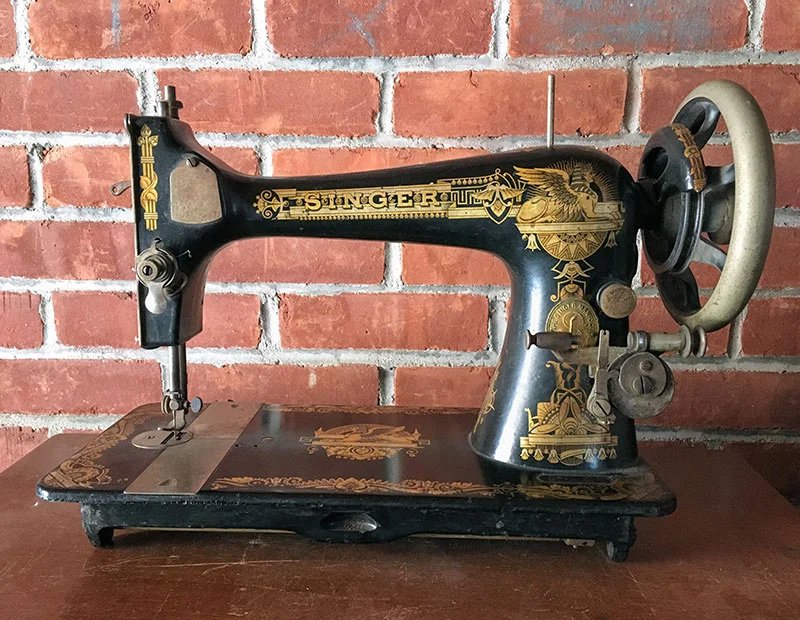
For most sewists, the Singer 201 is the vintage machine that earns the “best” title, with the Singer 221 Featherweight a close second for anyone who needs portability. Both were built in the mid-20th century with all-metal gears, and both still command strong prices on the secondhand market because they do one thing exceptionally well: straight stitching on woven fabric.
Key Takeaways
- The Singer 201 is widely regarded as the finest straight-stitch machine Singer ever made, prized for its rotary hook and near-silent operation.
- The Featherweight 221 is the best choice if you quilt, travel, or have limited space — it weighs about 11 pounds.
- Avoid “vintage-style” plastic machines sold under the Singer name in the 1970s and later; the metal-era machines ended around the mid-1960s.
- Expect to pay roughly $150–$600 for a working Featherweight and $100–$400 for a 201, depending on condition and accessories.
- Check the serial number on Singer’s own database to confirm the model and year before you buy.
- A machine with a seized motor or rusted gears is a restoration project, not a bargain.
The Short Answer: Singer 201 vs. Featherweight
If you want one name, it’s the Singer 201. Introduced in the 1930s and sold into the 1950s, it uses a full rotary hook instead of an oscillating shuttle, which means smoother motion, less vibration, and a stitch quality that many sewists still describe as the best they have used. It’s a flat-bed machine, so it stays on a table.
The Featherweight 221 is the machine most people picture when they hear “vintage Singer.” It’s a portable, 11-pound machine with a folding base. It doesn’t have the 201’s rotary hook, but it’s reliable, easy to service, and small enough to carry to a class.
Why These Two Machines Earn the Title
Vintage Singers are prized for reasons that have nothing to do with nostalgia:
- All-metal internal parts. Gears, cams, and hooks were machined from steel, not molded plastic.
- Simple mechanics. Fewer parts means fewer failure points and easier repair.
- Standard needles and bobbins. Most use 15×1 needles, still sold everywhere.
- Serviceable design. A competent technician can adjust timing and tension without proprietary tools.
The trade-off is that these machines do one stitch family well. If you need zigzag, stretch stitches, or buttonholes, a vintage straight-stitch Singer isn’t the answer.
Model Comparison at a Glance
| Model | Era | Best For | Stitch Type | Typical Price (Working) |
|---|---|---|---|---|
| Singer 201 | 1930s–1950s | Garment sewing, precision | Straight only | $100–$400 |
| Singer 221 Featherweight | 1933–1964 | Quilting, travel, classes | Straight only | $150–$600 |
| Singer 15 | 1890s–1950s | Heavy fabric, beginners | Straight only | $50–$200 |
| Singer 66 | 1900s–1950s | General home sewing | Straight only | $40–$150 |
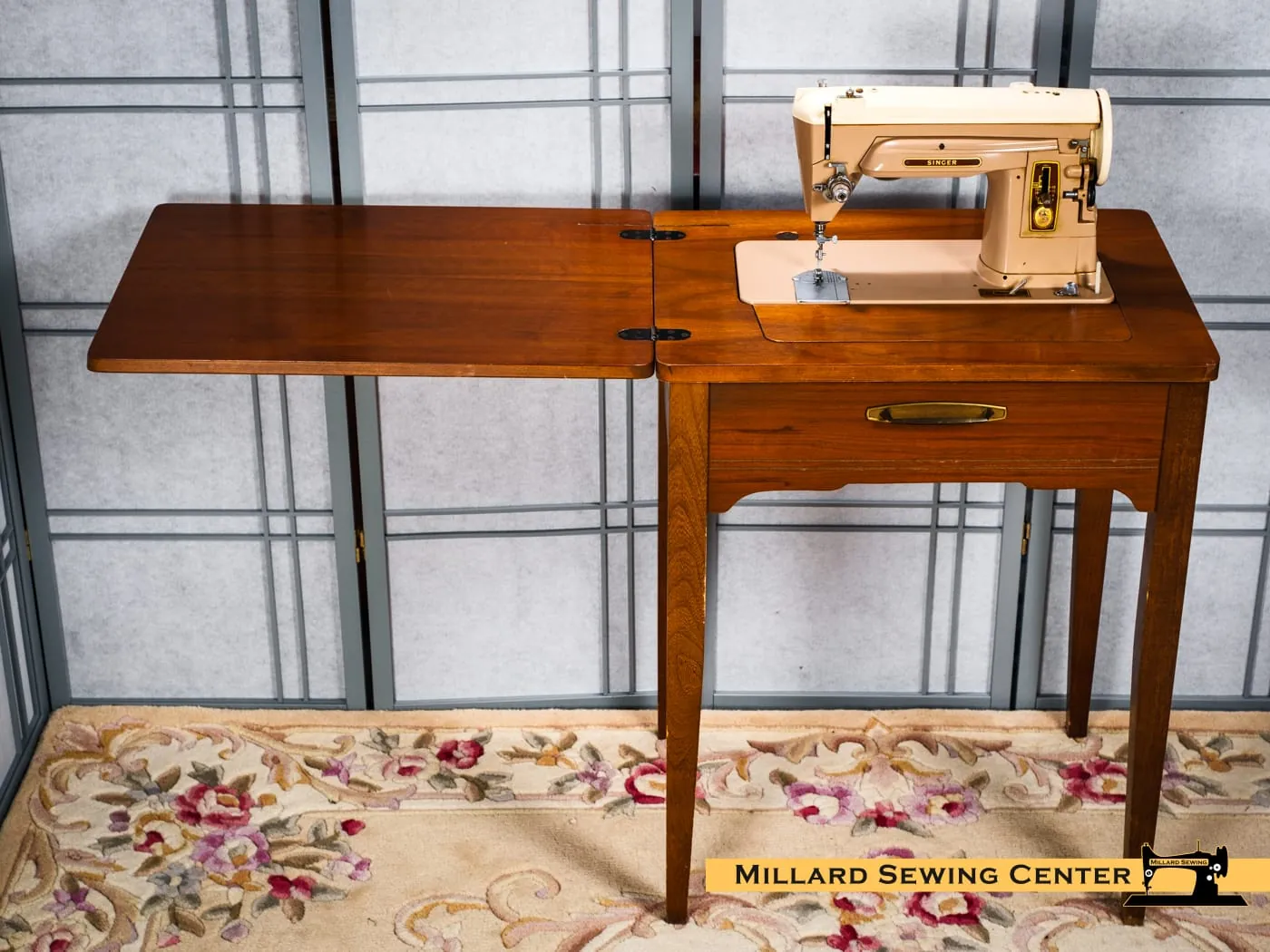
| Singer 301 | 1950s | Quilting, larger throat space | Straight only | $100–$350 |
Prices vary widely with condition, cabinet, and included accessories. Treat these as typical ranges, not fixed values.
What Makes the Singer 201 Special
The 201’s reputation rests on its rotary hook. Unlike the oscillating shuttle in older models, the rotary hook spins continuously, which reduces friction and vibration. The result is a quieter machine with a more consistent stitch, especially at slow speeds where precision matters.
Who should buy a 201
- Sewists who make garments and need consistent seam allowances
- Anyone who works with fine or slippery fabrics and wants control
- Buyers who have permanent table space and don’t need portability
Who should skip it
- Quilters who need to move the machine to a class
- Anyone who needs zigzag or stretch stitches
- Buyers unwilling to have the machine serviced
Pro Tip: Ask the seller to run the machine at slow speed and listen. A 201 should sound like a quiet hum, not a rattle or a grind.
What Makes the Featherweight 221 Special
The Featherweight is the portable answer. At roughly 11 pounds in its case, it fits in a car trunk and sets up in minutes. Its stitch quality is good, though not quite the 201’s, and its popularity among quilters has kept parts and accessories widely available.
The 221 vs. the 222
The Singer 222 is the free-arm version of the Featherweight, which makes it easier to sew cuffs and small tubes. It’s rarer and typically costs more. If you don’t need the free arm, the 221 is the better value.
Which Vintage Singer Is Considered the Best?
The honest answer depends on your use case:
- Best stitch quality: Singer 201
- Best portability: Singer 221 Featherweight
- Best for heavy fabric: Singer 15
- Best value for beginners: Singer 66 or 15
- Best for quilting with more space: Singer 301
There’s no single machine that wins every category. Anyone who tells you otherwise is selling something.
How to Identify a Vintage Singer
Before you buy, confirm what you’re actually looking at.
- Find the serial number. It’s stamped on a plate on the machine’s base, usually near the right side.
- Look up the number. Singer maintains an online serial number lookup that returns the model and production date.
- Check the bobbin type. Class 66 and Class 15 bobbins aren’t interchangeable.
- Inspect the wiring. Old rubber-insulated cords crack and are a genuine shock hazard.
- Test the handwheel. It should turn freely with the bobbin winder disengaged.
Warning: Frayed or brittle wiring on a vintage machine is a fire and shock risk. Have it replaced before you plug the machine in, not after.
Common Problems and What They Mean
| Symptom | Likely Cause | Fix Difficulty |
|---|---|---|
| Stiff or seized handwheel | Dried oil, hardened grease | Moderate |
| Skipped stitches | Wrong needle, bad timing | Easy to moderate |
| Thread nests underneath | Upper tension too loose | Easy |
| Motor hums but won’t turn | Worn motor brushes, belt tension | Moderate |
| Rust on bed and parts | Poor storage | Hard |
Many of these are covered in the owner’s manual, which is widely reprinted and often included with used machines.
What to Pay and Where to Look
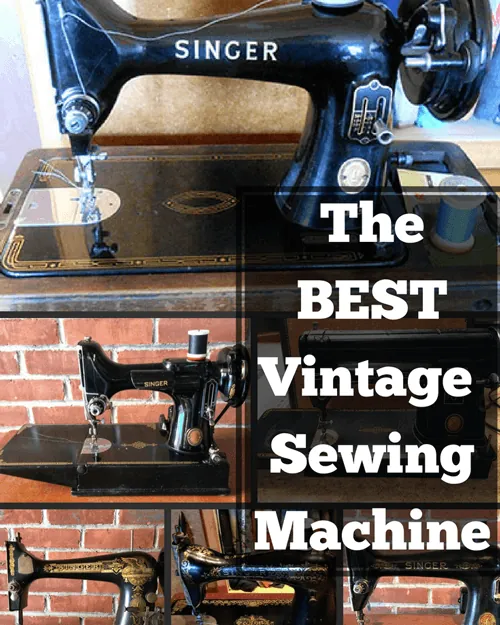
Vintage Singers turn up in estate sales, antique shops, classified listings, and specialty dealers. Dealer machines cost more but usually arrive serviced and guaranteed. Private sales are cheaper but riskier.
Budget for these extras:
- Servicing: $75–$150 at a repair shop
- New wiring: $50–$120
- Bobbins and needles: $10–$30
- A proper case or cabinet: $50–$300
A “$50 bargain” can easily become a $300 machine once it’s running correctly. That’s still often less than a new machine of comparable stitch quality, but go in with clear eyes.
Related guides
- Best Older Singer Sewing Machine for Leather 301A: Top Belts & Accessories
- Which Machine Does a Tailor Use? The Straight-Stitch Answer
Frequently Asked Questions
Is a vintage Singer better than a modern machine?
For straight stitching on woven fabric, often yes — the all-metal build and simple mechanics hold up well. For zigzag, stretch stitches, or buttonholes, a modern machine wins easily. Many sewists keep both.
How do I know if a vintage Singer is worth buying?
Check the serial number, test the handwheel by hand, inspect the wiring, and confirm the bobbin type. If the motor hums but nothing moves, budget for a service before you commit.
What is a fair price for a Singer Featherweight?
Working 221 machines typically sell for $150–$600 depending on condition, case, and accessories. Rare finishes and the free-arm 222 push toward the top of that range.
Can I still get parts for a vintage Singer?
Yes. Needles, bobbins, belts, and many gears remain available from specialty suppliers. The Singer serial number lookup confirms your model so you order the right parts.
Which vintage Singer is best for quilting?
The Featherweight 221 is the classic quilting choice because it’s portable and piecing-friendly. If you want more throat space and don’t need portability, the Singer 301 is a strong alternative.
Are vintage Singer machines safe to use?
They’re safe once the wiring and motor have been inspected and any cracked insulation replaced. Original cords from the 1930s–1950s are often degraded and shouldn’t be trusted as-is.
Conclusion
If you’re shopping right now, decide first whether you need portability or stitch quality, then narrow to the Featherweight or the 201 and confirm the serial number before money changes hands.
{“@context”:”https://schema.org”,”@type”:”FAQPage”,”mainEntity”:[{“@type”:”Question”,”name”:”Is a vintage Singer better than a modern machine?”,”acceptedAnswer”:{“@type”:”Answer”,”text”:”For straight stitching on woven fabric, often yes — the all-metal build and simple mechanics hold up well. For zigzag, stretch stitches, or buttonholes, a modern machine wins easily. Many sewists keep both.”}},{“@type”:”Question”,”name”:”How do I know if a vintage Singer is worth buying?”,”acceptedAnswer”:{“@type”:”Answer”,”text”:”Check the serial number, test the handwheel by hand, inspect the wiring, and confirm the bobbin type. If the motor hums but nothing moves, budget for a service before you commit.”}},{“@type”:”Question”,”name”:”What is a fair price for a Singer Featherweight?”,”acceptedAnswer”:{“@type”:”Answer”,”text”:”Working 221 machines typically sell for $150–$600 depending on condition, case, and accessories. Rare finishes and the free-arm 222 push toward the top of that range.”}},{“@type”:”Question”,”name”:”Can I still get parts for a vintage Singer?”,”acceptedAnswer”:{“@type”:”Answer”,”text”:”Yes. Needles, bobbins, belts, and many gears remain available from specialty suppliers. The Singer serial number lookup confirms your model so you order the right parts.”}},{“@type”:”Question”,”name”:”Which vintage Singer is best for quilting?”,”acceptedAnswer”:{“@type”:”Answer”,”text”:”The Featherweight 221 is the classic quilting choice because it’s portable and piecing-friendly. If you want more throat space and don’t need portability, the Singer 301 is a strong alternative.”}},{“@type”:”Question”,”name”:”Are vintage Singer machines safe to use?”,”acceptedAnswer”:{“@type”:”Answer”,”text”:”They’re safe once the wiring and motor have been inspected and any cracked insulation replaced. Original cords from the 1930s–1950s are often degraded and shouldn’t be trusted as-is.”}}]}