Most Reliable Brand of Sewing Machine: Janome Is the Top Pick
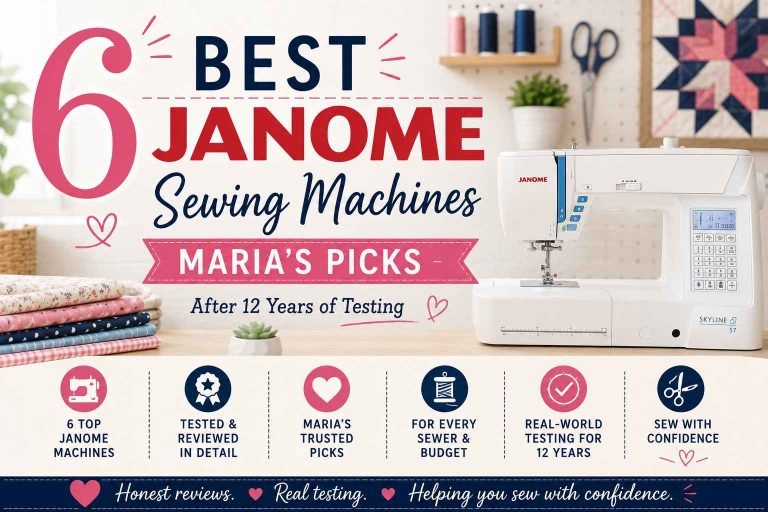
Janome is the most reliable brand of sewing machine for home use, holding up over years of daily stitching, though your fabric and budget determine which model fits best; if you sew thick layers like denim or canvas, go with a heavy-duty mechanical model; if you work with light cottons and want fancy stitches, pick a computerized one.
Why even the most reliable sewing machine brand breaks down

A machine stops working because something inside wears out, gets jammed, or loses power. The cause isn’t always a bad brand — it’s often how the machine was used or maintained. Here are the reasons machines fail, ranked from most to least common.
| Cause | How common | How to confirm it | Fix it yourself? |
|---|---|---|---|
| Lint and thread buildup | Most of the time | Check under the needle plate | Yes |
| Incorrect threading path | Very common | Rethread with presser foot up | Yes |
| Wrong needle for fabric | Common | Needle bends or breaks instantly | Yes |
| Timing knocked out of place | Less common | Needle misses the bobbin hook | No |
| Worn drive belt | Occasional | Motor runs but needle won’t move | Yes with care |
| Circuit board failure | Rare | Screen goes blank or acts strange | No |
Lint and thread jamming the bobbin area
Lint packed around the bobbin case is the top reason a good machine suddenly skips stitches or locks up. Every stitch pushes tiny fibers off the thread, and they collect right where the hook spins. Once that space fills, the thread can’t loop properly.
You’ll hear a grinding noise, or the fabric just stops moving while the motor hums. This happens on every brand, from basic Brother models to high-end Bernina machines. It isn’t a manufacturing defect; it’s normal wear that needs cleaning.
To check this, turn the handwheel toward you until the needle is at its highest point. Remove the needle plate screws and lift the plate off. Look inside the bobbin race. If you see grey fuzz packed between the metal parts, that’s your problem.
Use a small brush — not compressed air, which blows lint deeper into the gears. Brush the lint out gently. Do this after every 8 hours of sewing time, or after finishing a project that sheds heavily, like fleece or flannel. Skipping this step costs you a skipped-stitch headache on your next project, and eventually forces a repair shop visit.
Using the wrong needle for your fabric

A dull or mismatched needle causes skipped stitches, broken threads, and damaged fabric. You can tell this apart from a lint jam because the machine sounds fine, but the thread snaps cleanly or leaves holes in delicate cloth. A universal needle pushed through thick denim will bend before it finishes a seam.
Needles have specific points and sizes. A size 70/10 works for lightweight cotton, while a 100/16 is meant for heavy canvas or leather. Using a ballpoint needle on woven fabric pulls threads instead of piercing them cleanly.
Check your needle by looking closely at the tip under bright light. If it looks flat, bent, or rough, swap it out. Change the needle after every 8 to 10 hours of actual sewing time, or immediately if you hit a pin or zipper tooth. A fresh needle costs pennies compared to ruined material. Keep a mixed pack handy so you aren’t forced to use the wrong one when you run out.
Internal timing slipping out of alignment
The timing controls exactly when the needle meets the bobbin hook to form a stitch. If these two parts miss each other by even a millimeter, the machine won’t sew at all. You’ll know it’s a timing issue rather than a threading mistake because rethreading perfectly doesn’t fix the skipped stitches.
This usually happens after hitting something hard, like a thick seam allowance, a pin, or the metal needle plate itself. The impact forces the needle bar slightly out of position.
Fixing timing means opening the machine’s housing to adjust internal gears or belts. Don’t do this yourself. Adjusting internal components requires specialized tools and training, so leave it to a professional. Take it to an authorized service center. You can find approved service locations on the Janome support page for their specific models. The repair takes a technician a few hours, depending on their schedule.
Other reasons a sewing machine fails
Sometimes the problem isn’t lint, needles, or timing. These issues happen less often, but they stop your work just as fast.
- Worn drive belt: The motor hums but the needle stays still; replacing it requires removing outer panels.
- Cracked plastic gears: Older machines with nylon gears grind loudly under load; swapping gears demands a trained technician.
- Circuit board failure: Computerized screens freeze or flash random errors; diagnosing electronics carries a shock risk and needs a professional.
- Tension spring fatigue: Top thread loops loosely no matter what dial setting you choose; replacing the spring assembly involves precise calibration.
- Motor burnout: A sharp burning smell accompanies total power loss; testing or replacing a motor must be done by a qualified repair shop.
If your checks stop at settings, the door, the outlet, the breaker, and cleaning what the manual allows, leave the rest to a certified technician. Opening the housing risks injury and voids warranties.
What fixing a sewing machine actually takes
Getting a machine running again asks different things from you depending on the cause. Clearing lint takes five minutes and just a small brush you already own. Swapping a needle takes ten seconds and costs less than a spool of thread.
Rethreading correctly requires patience and good lighting, but no extra tools. You just follow the numbered guides printed on the machine body.
Replacing a drive belt takes about twenty minutes and a standard screwdriver. The part itself costs about the same as two packs of quality bobbins.
Timing adjustments or circuit board repairs demand a professional. You’ll need to box the machine and drop it off. The cost matches several months’ worth of premium thread, depending on the brand. To get a real quote, call your local authorized dealer with your exact model number found on the machine’s back panel.
Reliability varies by model line, and you can read your specific warranty terms on the manufacturer’s official website.
Frequently asked questions
Can a cheap sewing machine last for years?
Yes, a basic mechanical machine lasts a long time if you clean the lint and change needles. Electronic parts fail faster than simple metal gears. Heavy daily use shortens that lifespan, while occasional weekend mending stretches it considerably.
Why does my sewing machine skip stitches?
Skipped stitches usually mean a bent needle, incorrect threading, or lint blocking the bobbin hook. Rethread the top path with the presser foot raised first. If skipping continues, swap the needle. If it still happens, clean the bobbin area thoroughly.
How long does a sewing machine needle last?
A needle lasts 8 to 10 hours of active sewing time before dulling. Sewing abrasive fabrics like denim or leather cuts that life in half. Change it immediately if it hits a pin or makes a popping sound going through the cloth.
Is it safe to oil a modern sewing machine?
Only apply oil to a modern computerized machine exactly where the manual specifies, as excess oil can attract dust or damage electronics if applied incorrectly. Only older, fully mechanical models need oiling, and only at spots marked in the manual. Check your user guide before applying any lubricant anywhere.
What happens if I use the wrong bobbin?
Using the wrong bobbin jams the thread, snaps needles, and damages the bobbin case. Plastic and metal bobbins aren’t interchangeable even if they look similar in size. Always match the exact class number stamped inside your machine’s bobbin area or listed in the manual.
Does it matter where I buy my sewing machine?
Yes, buying from an authorized dealer ensures your warranty stays valid and gives you access to free servicing classes. Machines bought from unauthorized discount sellers might lack proper support. The serial number must match the dealer’s records for warranty claims.
How often should I service my sewing machine?
Service it once a year if you sew weekly, or every six months for daily use. A professional service cleans hidden gears, checks timing, and lubricates sealed parts you can’t reach safely at home.
Why did my sewing machine suddenly stop working?
A sudden stop usually points to a blown fuse, a tripped thermal protector, or a jammed bobbin. Unplug the machine and wait 20 minutes for the thermal protector to reset. If it won’t restart after checking the outlet and clearing jams, the motor or board needs professional testing.
Conclusion
Picking a trustworthy machine comes down to matching the tool to your fabric and keeping it clean. A heavy-duty Janome or a sturdy mechanical Singer will outlast a fragile computerized model if you skip maintenance. Read the manual that came in the box, stick to the recommended needle sizes, and don’t force thick layers through a lightweight machine. That habit saves more money than any brand name ever could.
{“@context”:”https://schema.org”,”@type”:”FAQPage”,”mainEntity”:[{“@type”:”Question”,”name”:”Can a cheap sewing machine last for years?”,”acceptedAnswer”:{“@type”:”Answer”,”text”:”Yes, a basic mechanical machine lasts a long time if you clean the lint and change needles. Electronic parts fail faster than simple metal gears. Heavy daily use shortens that lifespan, while occasional weekend mending stretches it considerably.”}},{“@type”:”Question”,”name”:”Why does my sewing machine skip stitches?”,”acceptedAnswer”:{“@type”:”Answer”,”text”:”Skipped stitches usually mean a bent needle, incorrect threading, or lint blocking the bobbin hook. Rethread the top path with the presser foot raised first. If skipping continues, swap the needle. If it still happens, clean the bobbin area thoroughly.”}},{“@type”:”Question”,”name”:”How long does a sewing machine needle last?”,”acceptedAnswer”:{“@type”:”Answer”,”text”:”A needle lasts 8 to 10 hours of active sewing time before dulling. Sewing abrasive fabrics like denim or leather cuts that life in half. Change it immediately if it hits a pin or makes a popping sound going through the cloth.”}},{“@type”:”Question”,”name”:”Is it safe to oil a modern sewing machine?”,”acceptedAnswer”:{“@type”:”Answer”,”text”:”Only apply oil to a modern computerized machine exactly where the manual specifies, as excess oil can attract dust or damage electronics if applied incorrectly. Only older, fully mechanical models need oiling, and only at spots marked in the manual. Check your user guide before applying any lubricant anywhere.”}},{“@type”:”Question”,”name”:”What happens if I use the wrong bobbin?”,”acceptedAnswer”:{“@type”:”Answer”,”text”:”Using the wrong bobbin jams the thread, snaps needles, and damages the bobbin case. Plastic and metal bobbins aren’t interchangeable even if they look similar in size. Always match the exact class number stamped inside your machine’s bobbin area or listed in the manual.”}},{“@type”:”Question”,”name”:”Does it matter where I buy my sewing machine?”,”acceptedAnswer”:{“@type”:”Answer”,”text”:”Yes, buying from an authorized dealer ensures your warranty stays valid and gives you access to free servicing classes. Machines bought from unauthorized discount sellers might lack proper support. The serial number must match the dealer’s records for warranty claims.”}},{“@type”:”Question”,”name”:”How often should I service my sewing machine?”,”acceptedAnswer”:{“@type”:”Answer”,”text”:”Service it once a year if you sew weekly, or every six months for daily use. A professional service cleans hidden gears, checks timing, and lubricates sealed parts you can’t reach safely at home.”}},{“@type”:”Question”,”name”:”Why did my sewing machine suddenly stop working?”,”acceptedAnswer”:{“@type”:”Answer”,”text”:”A sudden stop usually points to a blown fuse, a tripped thermal protector, or a jammed bobbin. Unplug the machine and wait 20 minutes for the thermal protector to reset. If it won’t restart after checking the outlet and clearing jams, the motor or board needs professional testing.”}}]}