What is the Best Sewing Machine Stitch for Elastic Waistband: Expert Tips
Are you struggling to find the perfect stitch for sewing elastic waistbands? Choosing the right sewing machine stitch can make all the difference in comfort, stretch, and durability.
If your waistband puckers, snaps, or loses its shape, you’re likely using the wrong stitch. You’ll discover exactly which stitch works best for elastic waistbands—making your sewing projects stronger, smoother, and more professional every time. Keep reading to master this simple but powerful sewing secret!
Types Of Elastic Waistbands
Elastic waistbands come in different styles. Each style changes how the elastic is sewn into the garment. Knowing these types helps you choose the best stitch for your sewing machine. This section explains the main types of elastic waistbands.
Folded Elastic Waistbands
Folded elastic waistbands hide the elastic inside the fabric. The fabric folds over the elastic, creating a clean look. Sewing machines need a stretch stitch for this style. It allows the waistband to stretch without breaking the thread. Folded elastic waistbands are common in skirts and pants.
Exposed Elastic Waistbands
Exposed elastic waistbands show the elastic on the outside. This style is simple and quick to sew. You stitch the elastic directly onto the fabric edge. A zigzag stitch works well to hold the elastic firmly. Exposed elastic waistbands are often used in casual wear and activewear.
Casings For Elastic
Casings for elastic use a fabric tunnel to hold the elastic. The elastic slides inside the casing and can be adjusted. Sewing a casing needs a straight stitch to create the tunnel. Then, a stretch stitch secures the elastic inside. Casings give a neat finish and allow easy elastic replacement.
Essential Stitch Types For Elastic
Elastic waistbands need special stitches to stretch and hold well. Choosing the right stitch type helps the waistband stay strong and flexible. Different stitches work best for different fabrics and elastic types. Here are the essential stitch types for sewing elastic waistbands.
Zigzag Stitch
The zigzag stitch is popular for sewing elastic. It allows the fabric to stretch without breaking the thread. The stitch moves side to side, giving room for the elastic to expand. This stitch is easy to adjust in width and length. Use a medium width for most elastic waistbands.
Stretch Stitch
The stretch stitch is designed for stretchy fabrics and elastic. It looks like a lightning bolt or small zigzag pattern. This stitch stretches with the fabric, preventing thread breaks. It is perfect for knits and activewear. Many modern machines have a built-in stretch stitch option.
Overlock Stitch
The overlock stitch finishes raw edges and sews elastic at the same time. It trims the fabric while stitching, giving a clean finish. This stitch joins elastic securely without bulk. Use an overlocker or serger machine for this stitch. It is ideal for professional-looking elastic waistbands.
Choosing The Right Stitch For Your Project
Selecting the right stitch is key for sewing elastic waistbands. The stitch must stretch and hold the fabric well. It also needs to fit the type of fabric and elastic you use. Picking the wrong stitch can cause the waistband to break or lose shape.
This guide helps you find the best stitch for your project. Focus on fabric, elastic size, and how strong the stitch must be.
Fabric Compatibility
Different fabrics require different stitches. Stretchy fabrics need stitches that stretch too. For example, knit fabrics work well with zigzag or stretch stitches. Woven fabrics need stronger stitches but less stretch. Using the right stitch keeps the fabric from tearing or puckering.
Elastic Width And Thickness
Thick elastic needs a wider stitch for good hold. Thin elastic works with tighter, smaller stitches. The stitch must stretch with the elastic to avoid breaking. Adjust your machine settings based on the elastic size for smooth sewing.
Durability Needs
Consider how much wear the waistband will get. Activewear needs very durable stitches that stretch. Casual clothing may allow simpler stitches. Use stitches designed for stretch and strength to keep the waistband lasting long.

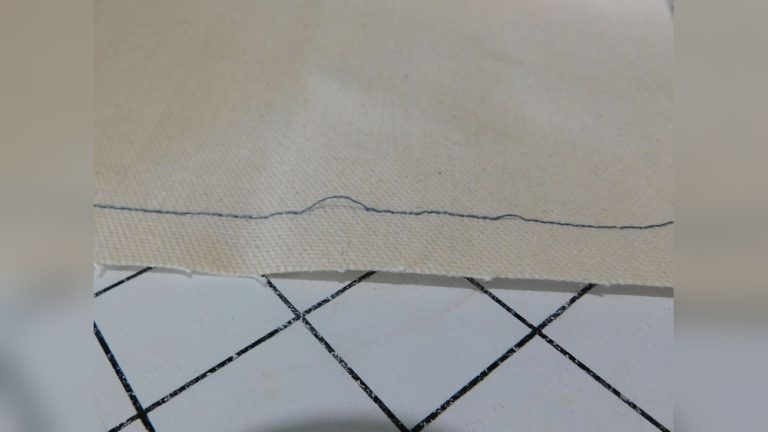
Credit: helensclosetpatterns.com
Adjusting Machine Settings For Elastic
Adjusting your sewing machine is key when working with elastic waistbands. Elastic needs special care to stretch without breaking stitches. Your machine settings must be fine-tuned for best results. Small changes can make your elastic stitch strong and neat.
Tension Adjustments
Elastic fabric stretches, so tension needs to be loose. Tight tension can cause thread breakage or puckering. Start by lowering the upper thread tension. Test on scrap elastic to find the right balance. The thread should hold the fabric without pulling too tight.
Stitch Length And Width
Choose a medium to long stitch length for elasticity. Short stitches can cause fabric to bunch up. Wider stitches also help the elastic stretch with the fabric. A zigzag stitch is a common choice. Adjust the width to allow enough stretch but keep stitches secure.
Needle Selection
Use a ballpoint or stretch needle for elastic waistbands. These needles have rounded tips to avoid damaging fibers. A size 75/11 or 80/12 needle works well. Replace needles often to maintain clean, even stitches. Dull needles can cause skipped stitches or runs in elastic.
Tips For Sewing Elastic Waistbands
Sewing elastic waistbands can be tricky without the right techniques. Using proper methods helps the elastic stretch and move comfortably. These tips make sewing elastic easier and give a neat finish.
Pinning And Marking
Pin the elastic evenly to the fabric before sewing. Mark the fabric and elastic at equal points. This helps keep the elastic stretched evenly. Avoid pinning too tightly to prevent puckering. Use fabric chalk or a washable marker for clear marks.
Stretching While Sewing
Stretch the elastic slightly as you sew it onto the fabric. Keep the fabric relaxed while stretching the elastic. This ensures the elastic stays flexible after sewing. Sew slowly to keep control over the stretch. Do not overstretch the elastic to avoid damage.
Using Walking Foots
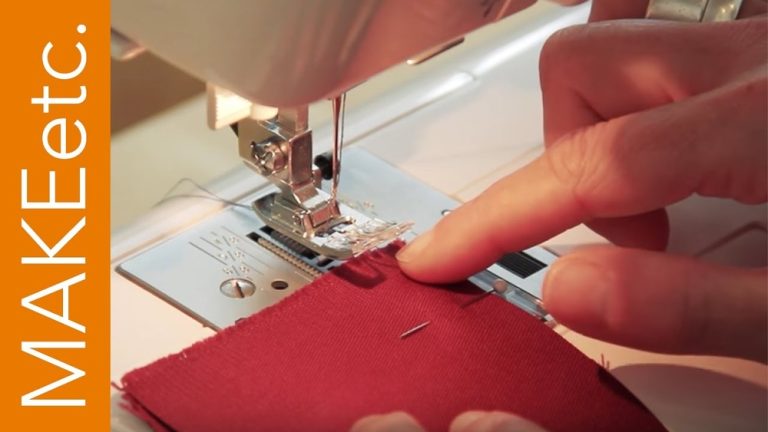
A walking foot helps feed the elastic and fabric evenly. It prevents the fabric from shifting or bunching up. Use the walking foot to maintain smooth sewing on stretchy materials. This tool is helpful for beginners and pros alike. It improves stitch quality on elastic waistbands.

Credit: blog.treasurie.com
Common Mistakes To Avoid
Working with elastic waistbands can be tricky. Many beginners make simple mistakes that affect the final look and stretch of the fabric. Avoiding these common errors helps create a strong and neat seam. Here are some mistakes to watch out for when sewing elastic waistbands.
Overstretching Elastic
Stretching the elastic too much while sewing causes it to lose its bounce. The waistband may become too tight or lose shape after washing. Keep the elastic relaxed as you sew. Let the fabric and elastic stretch naturally for a comfortable fit.
Using Inappropriate Stitches
Choosing the wrong stitch can make the seam weak or stiff. Straight stitches often break when the elastic stretches. Use stretch stitches or zigzag stitches that move with the elastic. This keeps the seam strong and flexible.
Ignoring Fabric Type
Different fabrics need different sewing techniques. Thick fabrics may need stronger stitches or a heavier needle. Thin fabrics require gentle handling to avoid holes or puckering. Match your stitch and needle to the fabric for the best results.
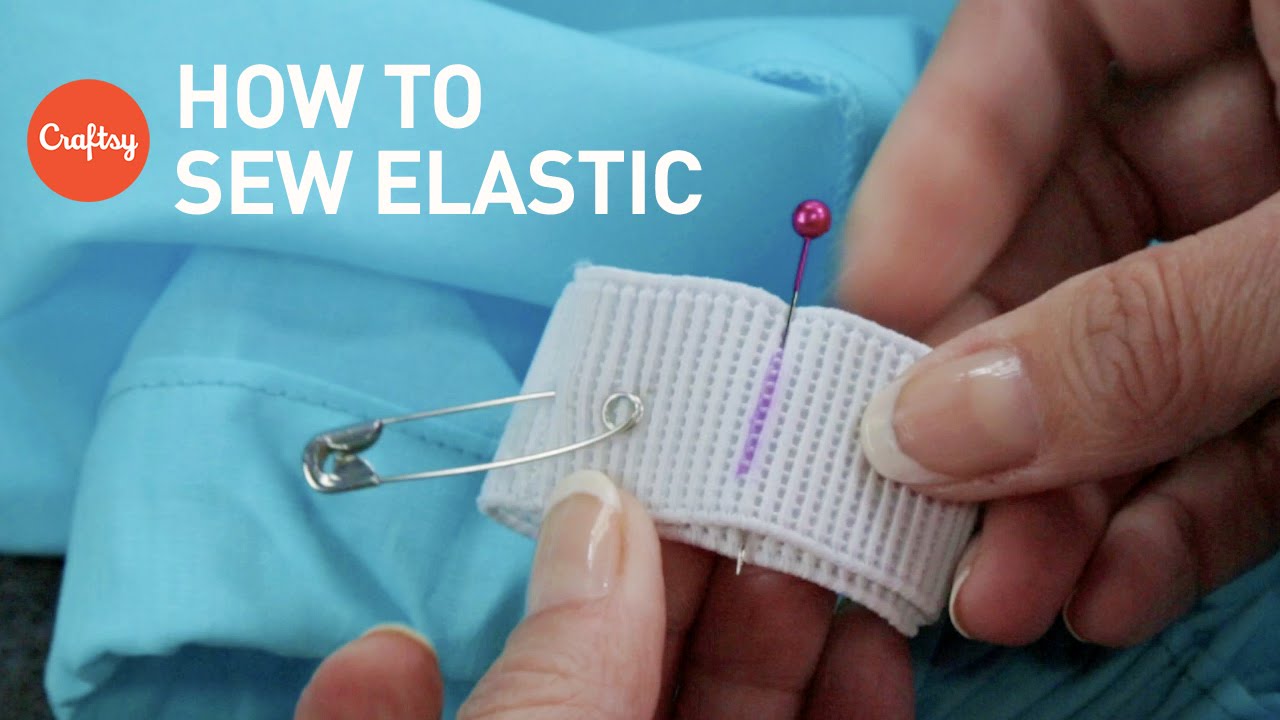
Credit: www.youtube.com
Frequently Asked Questions
What Stitch Is Best For Sewing Elastic Waistbands?
The zigzag stitch is best for elastic waistbands. It allows the fabric to stretch without breaking the thread. This stitch provides flexibility and durability, essential for comfortable wear.
Can A Straight Stitch Be Used On Elastic?
A straight stitch is not ideal for elastic. It can break when the waistband stretches. Using a zigzag or stretch stitch is better to maintain elasticity.
How To Adjust Stitch Settings For Elastic?
Set your sewing machine to a medium-width zigzag stitch. Use a shorter stitch length for durability. Test on scrap fabric to ensure the stitch stretches with the elastic.
Why Use A Stretch Stitch For Elastic Waistbands?
Stretch stitches flex with the fabric, preventing thread breakage. They create strong, durable seams that move with the waistband. This ensures comfort and longevity of the garment.
Conclusion
Choosing the right stitch for elastic waistbands keeps your sewing strong and flexible. A zigzag stitch often works best because it stretches without breaking. It helps the fabric move with the elastic. Straight stitches can snap when stretched. Remember, the stitch should hold the elastic and fabric firmly but allow some give.
Testing your stitch on scrap fabric saves time and frustration. With the right stitch, your waistband will last longer and fit better. Sewing elastic can be easy and fun with a simple stitch choice.