What to Do If Sewing Machine is Skipping Stitches: Quick Fixes!
Is your sewing machine skipping stitches and slowing you down? It’s frustrating when your project doesn’t turn out the way you planned.
But don’t worry—you’re not alone, and this problem is easier to fix than you might think. You’ll discover simple, effective steps to get your machine stitching smoothly again. Keep reading, and you’ll be back to creating beautiful seams in no time.

Credit: www.ageberry.com
Common Causes Of Skipping Stitches
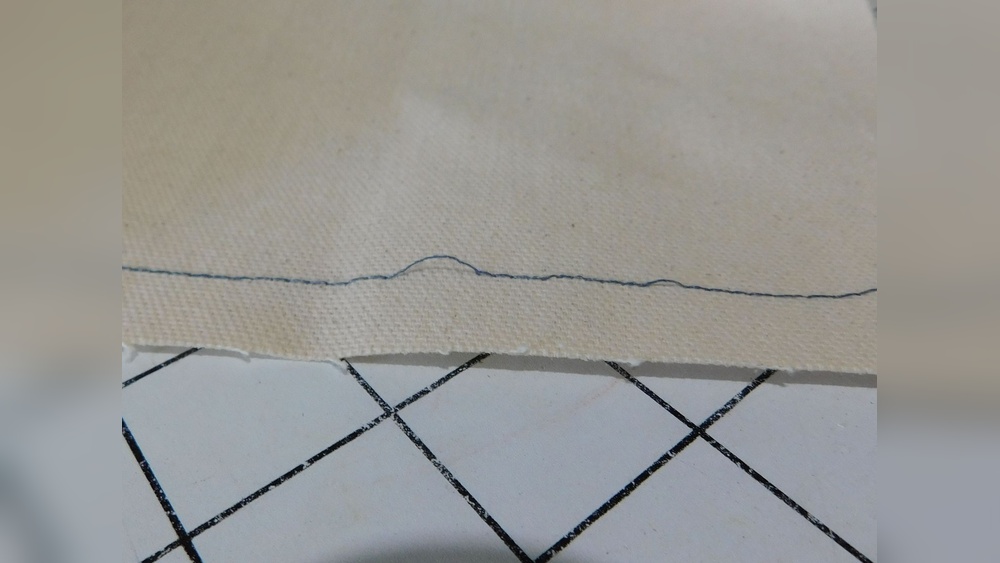
Skipping stitches is a common sewing problem that can stop your project. It makes your sewing look uneven and weak. Understanding the usual causes helps fix the problem fast. Many reasons cause skipping stitches. Some are easy to check and fix. Others need more care. Below are the main causes to watch out for.
Needle Issues
A bent or dull needle often causes skipped stitches. Needles wear out after some use. Using the wrong needle size or type for your fabric also leads to problems. Always check the needle before starting. Replace it if it looks damaged or old. Choose a needle that fits your fabric and thread well.
Thread Problems
Old or poor-quality thread can break or tangle. This causes the machine to miss stitches. Thread that is too thick or thin for the needle also creates issues. Make sure to use fresh, smooth thread. Match the thread size to your needle and fabric. Proper threading of the machine is key too.
Tension Settings
Wrong tension makes the thread pull too tight or loose. This disrupts stitch formation and causes skipping. Adjust the tension according to your fabric and thread. Test on a scrap piece first. Small changes can fix the problem quickly. Keep tension balanced for smooth sewing.
Machine Timing
The timing controls how the needle and hook work together. If the timing is off, stitches will skip. This issue needs a professional check or repair. Regular maintenance helps keep the timing correct. Avoid forcing the machine if stitches skip often. Proper timing is vital for good sewing results.

Credit: www.youtube.com
Quick Needle Fixes
Skipping stitches often happen because of needle problems. Quick needle fixes can solve many sewing machine issues fast. Check the needle before trying other fixes. A small change can make your stitches perfect again.
Replacing The Needle
Old needles can bend or dull easily. Replace the needle after every 8 to 10 hours of sewing. A fresh needle cuts fabric smoothly and stops skipped stitches. Remove the old needle carefully and put in a new one straight away.
Choosing The Right Needle
Use the correct needle for your fabric type. Thin needles suit light fabrics like silk. Heavy fabrics like denim need thick, strong needles. The wrong needle size can cause skipped stitches and damage fabric. Check the needle package for fabric recommendations.
Proper Needle Insertion
Insert the needle with the flat side facing the correct direction. Most machines require the flat side to face the back. Push the needle up as far as it can go. Tighten the needle clamp firmly to keep it in place. A loose or wrong needle position causes stitching problems.
Thread Adjustments
Thread issues often cause a sewing machine to skip stitches. Adjusting the thread can fix many common problems. Small changes in thread quality, tension, or threading path make a big difference.
Focus on the thread first. It plays a key role in smooth stitching. Proper thread use helps the machine work well and prevents skipped stitches.
Using Quality Thread
Choose good thread made for sewing machines. Cheap thread can break or fray easily. Strong, smooth thread moves through the machine better. It reduces tension problems and skipped stitches. Cotton or polyester threads work well for most fabrics.
Re-threading The Machine
Remove the thread completely. Then thread the machine slowly and carefully. Make sure the thread passes through all guides and tension discs. Incorrect threading often causes the needle to miss stitches. Re-threading resets the thread path and tension.
Checking Thread Path
Follow the correct thread path from spool to needle. Check each guide and tension part. Look for snags or loose threads that can block smooth movement. Clean any dust or lint in the thread path. A clear, smooth path helps the thread feed evenly.

Credit: sewingmachineshop.com
Tension Tweaks
Tension problems often cause sewing machines to skip stitches. Small changes in tension can fix many stitching issues. Tension controls how tight or loose the thread pulls during sewing. Adjusting tension helps create even stitches and prevents thread loops or breaks. This section explains how to tweak tension to stop skipped stitches.
Adjusting Upper Tension
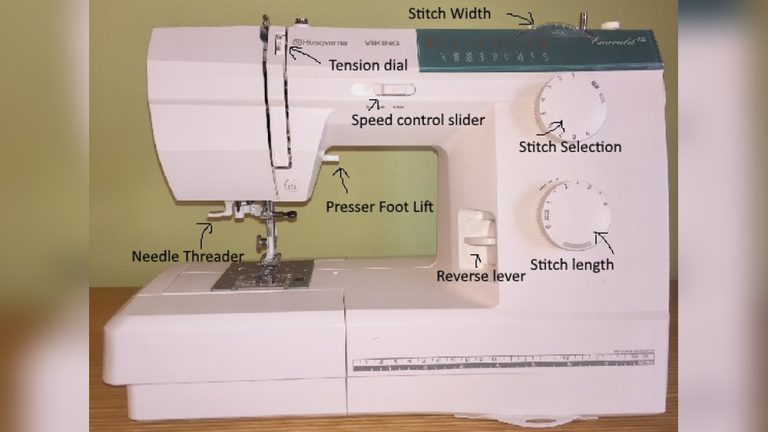
Start by checking the upper thread tension. Use the tension dial on your machine. Turn it slightly higher if stitches look loose or looped. Turn it lower if the thread pulls too tight. Make small changes and test on scrap fabric. Proper upper tension makes stitches tight but not too tight. This adjustment often stops skipped stitches quickly.
Balancing Bobbin Tension
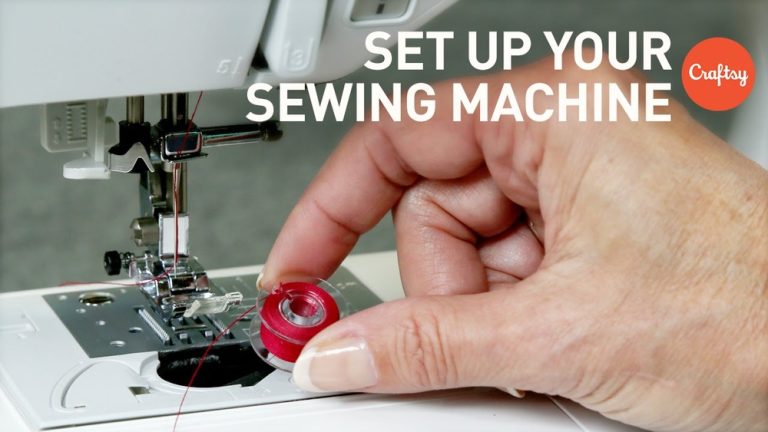
Bobbin tension also affects stitch quality. If the bobbin thread is too loose, stitches may skip. Tighten the bobbin case screw a little to fix it. Too tight bobbin tension can cause thread breakage. Test your adjustments by sewing sample stitches. Balanced bobbin tension works with upper tension to create smooth stitches. Do not over-tighten; small tweaks work best.
Timing And Maintenance
Timing and maintenance play a key role in fixing skipped stitches on your sewing machine. Proper timing ensures the needle and hook work together perfectly to catch the thread. Regular maintenance keeps your machine clean and smooth. Neglecting these can cause stitching problems and wear out parts quickly.
Checking Machine Timing
Machine timing means the needle and hook move in sync. If timing is off, stitches skip. Check the manual for timing instructions. Watch the needle and hook closely while sewing slowly. The hook should catch the thread loop every time the needle goes down. If it misses, timing needs adjustment.
Cleaning And Oiling
Dirt and old oil can block parts and cause skipped stitches. Clean your machine often. Remove lint, dust, and thread bits from the bobbin area and feed dogs. Use a soft brush or cloth. Add a drop of sewing machine oil to moving parts. Avoid over-oiling, as it attracts dirt.
When To Seek Professional Help
Adjusting timing can be tricky without tools or experience. If your machine still skips stitches after cleaning and oiling, call a technician. Professionals can fix timing and replace worn parts. Regular check-ups extend your machine’s life and keep stitches perfect.
Tips To Prevent Skipping Stitches
Skipping stitches can ruin any sewing project. Preventing this issue helps keep your work smooth and tidy. Simple care and good habits make a big difference. Here are useful tips to avoid skipping stitches and keep your machine running well.
Regular Maintenance
Clean your machine often. Dust and lint build up inside and cause problems. Use a small brush to clear debris from the bobbin area and feed dogs. Change the needle regularly. A dull or bent needle can miss stitches. Oil the machine as the manual says. Proper lubrication keeps parts moving smoothly.
Proper Storage
Keep your machine in a dry place. Humidity can rust the metal parts. Cover your machine with a dust cover when not in use. This stops dirt and dust from settling. Avoid placing it near strong sunlight or heat. Extreme temperatures can damage the machine’s internal parts.
Using Suitable Materials
Choose thread and fabric that match your machine’s settings. Thin thread on thick fabric can cause skipped stitches. Use the right needle size for your fabric type. Test on scrap fabric to check stitch quality. Adjust tension settings for different materials to get even stitches.
Frequently Asked Questions
Why Is My Sewing Machine Skipping Stitches?
Your sewing machine may skip stitches due to a dull or bent needle. Incorrect needle installation or using the wrong needle type can also cause skipping. Additionally, thread tension issues or using poor-quality thread can affect stitch formation.
How Can I Fix Skipped Stitches On My Sewing Machine?
Replace the needle with a new, appropriate type for your fabric. Reinstall the needle correctly, check and adjust thread tension, and use high-quality thread. Cleaning the machine and ensuring proper threading also help prevent skipped stitches.
Does The Needle Size Affect Stitch Skipping?
Yes, using the wrong needle size can cause skipped stitches. A needle too large or too small for the fabric or thread can lead to improper stitch formation. Always match needle size to your fabric and thread type.
Can Sewing Machine Threading Cause Skipped Stitches?
Improper threading often causes skipped stitches. Ensure the machine is threaded correctly according to the manual. Rethread both upper thread and bobbin to avoid tangles and tension problems that affect stitch quality.
Conclusion
Skipping stitches can disrupt your sewing projects. Check your needle for damage or wrong size. Make sure the needle is inserted correctly and tightly. Use thread that suits your fabric type. Keep your machine clean and well-oiled for smooth operation.
Test on scrap fabric before starting your main work. Regular care helps avoid stitch problems and saves time. Stay patient and try these simple fixes. Sewing can be enjoyable and frustration-free with small adjustments. Keep practicing, and your machine will perform better.