How to Prevent Sewing Machine from Eating Fabric: Expert Tips!
Have you ever been frustrated when your sewing machine suddenly starts pulling or damaging your fabric? It’s a common problem that can ruin your project and waste your materials.
But don’t worry—there are simple steps you can take to stop your machine from eating your fabric. You’ll discover easy tips and tricks that anyone can use to keep your sewing smooth and your fabric safe. Keep reading, and you’ll never have to deal with this problem again!

Credit: www.craftsy.com
Common Causes Of Fabric Feeding Issues
Fabric feeding issues can cause sewing machines to eat fabric. This problem stops your project and wastes materials. Understanding common causes helps you fix issues fast. Check these main reasons for fabric feeding problems below.
Incorrect Presser Foot Pressure
The presser foot holds fabric down while sewing. Too much pressure can pinch the fabric. Too little pressure lets fabric slip away. Adjust pressure to fit the fabric thickness. Proper pressure keeps fabric moving smoothly.
Damaged Or Dirty Feed Dogs
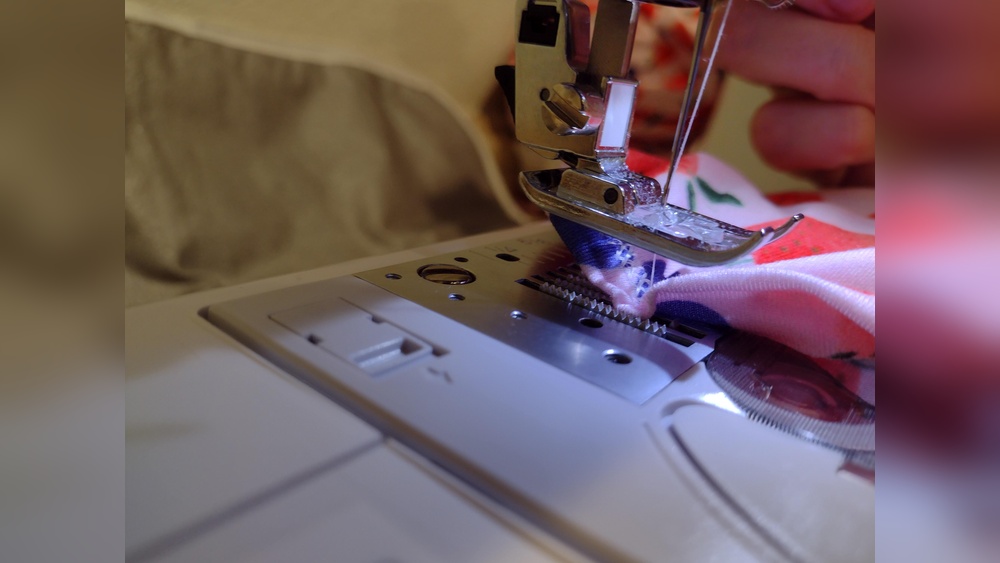
Feed dogs pull fabric through the machine. Dirt or lint can block feed dogs. Damaged feed dogs lose grip on fabric. Clean feed dogs regularly with a brush. Replace them if worn or broken. Good feed dogs ensure steady fabric feed.
Using The Wrong Needle
Needles come in different sizes and types. A wrong needle can snag or push fabric. Choose needle type based on fabric material. Use sharp needles for woven fabrics. Ballpoint needles work best on knits. Correct needles prevent fabric feeding issues.
Thread Tension Problems
Thread tension affects how fabric moves under the needle. Too tight tension pulls fabric unevenly. Too loose tension causes thread loops and jams. Adjust tension to balance thread and fabric. Balanced tension helps fabric feed evenly.

Credit: www.ageberry.com
Choosing The Right Needle And Thread
Choosing the right needle and thread is key to stop your sewing machine from eating fabric. The needle and thread must match the fabric type and thickness. This match helps the machine sew smoothly. It also protects your fabric from damage and your machine from jams.
Matching Needle Size To Fabric
Needles come in many sizes. Smaller needles suit light fabrics like silk or chiffon. Larger needles work well with thick fabrics like denim or canvas. Using the wrong needle size can cause fabric puckering or holes. Check the needle package for fabric recommendations. Change needles often to keep stitches neat and clean.
Selecting Appropriate Thread Types
Threads vary in material and thickness. Cotton thread fits natural fabrics. Polyester thread works well on most fabrics and is strong. Use thicker thread for heavy fabrics and thin thread for light fabrics. The wrong thread can cause tension problems and fabric damage. Match thread type and thickness to your fabric for smooth sewing.
Adjusting Machine Settings For Smooth Feeding
Adjusting your sewing machine settings helps the fabric feed smoothly. This prevents the machine from pulling or eating the fabric. Proper settings keep stitches even and fabric safe. Small changes make a big difference in sewing performance.
Setting Presser Foot Pressure
The presser foot holds fabric down. Too much pressure can cause fabric to bunch up. Too little pressure lets fabric slip. Adjust the pressure to match fabric thickness. Thicker fabric needs more pressure. Thin fabric needs less. Check your machine manual for how to change this setting.
Calibrating Feed Dogs
Feed dogs move fabric under the needle. If they are too low, fabric will not move well. Too high, fabric may be pushed too hard. Adjust feed dog height carefully. Some machines let you raise or lower feed dogs. Test on scrap fabric to find the right level.
Balancing Thread Tension
Thread tension controls stitch quality. Too tight tension pulls fabric and thread. Too loose tension causes loops and gaps. Adjust upper and lower thread tension for balance. Use a test stitch to check tension. Make small changes and sew again until stitches look even.
Maintenance Tips To Prevent Fabric Damage
Keeping your sewing machine well-maintained helps stop it from damaging fabric. Simple care routines can improve stitch quality and protect your materials. Small steps in maintenance save time and fabric in the long run.
Cleaning Feed Dogs And Machine Parts
Feed dogs pull fabric through the machine. Dirt or lint buildup makes them less effective. Clean the feed dogs with a small brush after each use. Remove lint inside the machine regularly. Clear parts help fabric move smoothly without catching.
Regularly Replacing Needles
Dull or bent needles cause fabric tears and skipped stitches. Change needles after every few projects or after 8 hours of sewing. Use the right needle size for your fabric type. Fresh needles protect fabric and improve stitch quality.
Lubricating Moving Components
Moving parts need oil to work smoothly. Dry parts create friction that pulls or tears fabric. Use sewing machine oil on parts as the manual suggests. Regular lubrication keeps your machine running quietly and gently on fabric.
Techniques To Handle Delicate And Slippery Fabrics
Delicate and slippery fabrics need special care during sewing. These materials can easily slip or get caught in the machine. This causes fabric to bunch up or get damaged. Using the right techniques helps keep the fabric smooth and safe. It also stops the machine from eating the fabric.
Using Stabilizers And Interfacing
Stabilizers add extra support to fragile fabrics. They stop the fabric from stretching or shifting. Cut the stabilizer slightly larger than the fabric piece. Attach it to the fabric before sewing. Tear-away or wash-away stabilizers work well for delicate fabrics.
Interfacing adds weight and firmness. It helps slippery fabrics feed evenly. Choose a lightweight or fusible interfacing for thin materials. Iron it on the wrong side of the fabric. This keeps the fabric stable and easier to sew.
Employing Walking Feet Or Teflon Sheets
A walking foot moves the top and bottom fabric layers evenly. It prevents sliding and bunching. This foot works great on slippery or multiple layers. Attach the walking foot before starting your project.
Teflon sheets create a smooth surface for fabrics to glide on. Place the sheet under the fabric while sewing. It reduces friction and helps feed the fabric smoothly. Use this with slippery materials like nylon or vinyl.

Credit: www.reddit.com
Troubleshooting Fabric Feeding Problems
Troubleshooting fabric feeding problems helps keep your sewing smooth. Fabric eating happens when the machine pulls or jams fabric. This causes uneven stitches and wasted material. Fixing these issues quickly saves time and frustration.
Identifying Signs Of Fabric Eating
Look for puckered or stretched fabric. Check if the fabric moves unevenly under the presser foot. Notice skipped stitches or thread bunching. Fabric may also get stuck or jammed. These are clear signs your machine eats fabric.
Quick Fixes During Sewing
Stop sewing immediately if fabric jams. Raise the presser foot to release fabric tension. Clean lint and dust around feed dogs. Adjust the presser foot pressure to suit your fabric. Use the correct needle size for the fabric type. Slow down your sewing speed to improve fabric feed.
Frequently Asked Questions
How To Stop Sewing Machine From Pulling Fabric?
Check needle type and size for your fabric. Use the correct thread tension. Clean and oil your machine regularly.
Why Does My Sewing Machine Eat Fabric?
A dull needle, wrong needle size, or incorrect tension causes fabric damage. Adjust settings and replace the needle.
What Needle Is Best To Prevent Fabric Damage?
Use a sharp, fine needle matching fabric type. For delicate fabrics, use a ballpoint or microtex needle.
How Can I Adjust Tension To Avoid Fabric Issues?
Test stitch on scrap fabric. Loosen or tighten upper thread tension gradually until stitches are balanced and fabric feeds smoothly.
Conclusion
Preventing your sewing machine from eating fabric takes simple care. Keep your machine clean and use the right needle for your fabric. Adjust the tension and feed dogs to match your sewing project. Always test on scrap fabric before starting.
Small steps like these save time and material. Sewing becomes easier and more enjoyable. Keep practicing and your skills will improve. Your projects will look neat and professional. Enjoy sewing without fabric damage every time.