Sewing Machine Guide for Beginners: Essential Tips for Success
Are you ready to unlock a new skill that lets you create, fix, and personalize your clothes? Sewing might seem tricky at first, but with the right guide, you can master it step by step.
This Sewing Machine Guide for Beginners is designed just for you—to make learning simple, fun, and rewarding. By the end, you’ll feel confident handling your machine and starting your first project. Keep reading, and discover how easy it is to bring your ideas to life with your very own sewing machine.
Choosing Your First Machine
Choosing your first sewing machine can feel confusing. Many options and terms appear. Picking the right one helps you enjoy sewing more. It also makes learning easier. This guide breaks down the main points to focus on. Read on to find a machine that fits your needs and skills.
Types Of Sewing Machines
There are several types of sewing machines. Mechanical machines use dials and levers. They are simple and reliable. Electronic machines have buttons and screens. They offer more stitch options. Computerized machines come with many features. They can sew patterns automatically. Choose a type that matches your comfort level and goals.
Features To Look For
Look for basic stitches like straight and zigzag. An automatic needle threader saves time. A built-in light helps you see your work. A free arm allows easy sewing of cuffs and sleeves. Adjustable speed control gives you better control. A sturdy metal frame lasts longer. These features improve your sewing experience.
Budget Considerations
Set a budget before shopping. Beginner machines usually cost less than advanced ones. Spending a bit more can mean better quality. Avoid very cheap models that might break fast. Think of the machine as an investment. Balance price with the features you need. This helps you get good value and durability.

Credit: www.amazon.com
Basic Sewing Tools
Starting with basic sewing tools makes the process easier and more fun. These tools help you sew clean and strong stitches. They also save time and prevent frustration. Knowing the right tools helps beginners build confidence quickly.
Essential Accessories
Some accessories are key for any sewing project. A pair of sharp fabric scissors cuts fabric smoothly. Pins hold pieces together before sewing. Needles come in different sizes for hand and machine sewing. A measuring tape ensures accurate cuts and fits. A seam ripper removes mistakes without damage. These basics form the foundation of every sewing kit.
Thread And Fabric Selection
Choosing the right thread is important. Cotton thread works well for light fabrics. Polyester thread is strong and stretches a bit. Match thread color with fabric for a neat look. Fabric choice affects the project style and difficulty. Start with cotton or polyester fabric. These are easy to handle and sew. Avoid slippery or stretchy fabrics at first.
Maintenance Supplies
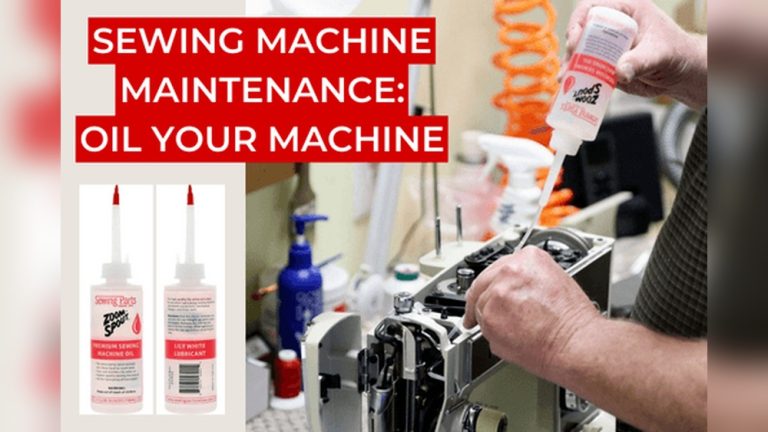
Keeping your sewing machine clean helps it last longer. Use a small brush to remove lint and dust. Sewing machine oil keeps parts moving smoothly. Check the manual for oiling points. Replace needles often to avoid skipped stitches. Proper care saves money and prevents machine breakdowns.
Setting Up Your Machine
Setting up your sewing machine is the first step to starting any project. A well-set machine runs smoothly and makes sewing easier. Follow simple steps to prepare your machine for use. This guide helps beginners get started with confidence.
Threading The Machine
Threading your machine correctly is important. Start by placing the spool of thread on the spool pin. Follow the threading path shown in your manual. Make sure the thread passes through all guides and tension discs. Finally, thread the needle from front to back. Check that the thread moves smoothly without tangles.
Winding The Bobbin
The bobbin holds the thread for the lower stitch. Place an empty bobbin on the bobbin winder. Put the thread around the bobbin and start winding. Stop when the bobbin is full but not too tight. Insert the bobbin into its case under the needle plate. Make sure it spins freely and the thread feeds correctly.
Adjusting Tension And Stitch Length
Tension controls how tight the thread pulls the fabric. Set the tension dial to the middle as a start. Test on a scrap fabric and adjust if stitches look loose or tight. Stitch length sets how long each stitch is. Use a medium length for most sewing tasks. Change stitch length for different fabrics or designs. Test settings before sewing your project.
Mastering Basic Stitches
Learning basic stitches is key to using your sewing machine well. These stitches form the foundation of all sewing projects. Practicing them builds confidence and skill. Each stitch has a special use and look. Understanding their purpose helps you choose the right one.
Start with simple stitches. They are easy to learn and very useful. Use these stitches on many fabrics and projects. Small efforts lead to great results.
Straight Stitch
The straight stitch is the most common stitch. It looks like a straight line of tiny stitches. Use it to sew seams and hems. Adjust stitch length for different fabrics. Short stitches are stronger, long stitches are faster. This stitch works on most fabrics.
Zigzag Stitch
The zigzag stitch moves side to side. It helps stop fabric edges from fraying. Use it on stretchy fabrics like knits. This stitch can also join fabrics or add decoration. Change the width and length to fit your project. It is a flexible and useful stitch.
Backstitch And Other Useful Stitches
The backstitch strengthens the start and end of seams. Sew a few stitches backward to lock the thread. This prevents the seam from coming undone. Other useful stitches include the blind hem and stretch stitch. Each has a special job in sewing. Try them to see how they work.
Common Sewing Techniques
Sewing involves many basic techniques that every beginner should know. These techniques help create strong, neat, and professional-looking projects. Learning these skills makes sewing easier and more fun.
This guide covers three common sewing techniques. Each one improves your sewing quality and helps your projects last longer.
Seam Finishing
Seam finishing stops fabric edges from fraying. It keeps seams strong and neat. You can use zigzag stitches or pinking shears. Another option is to sew a French seam. This technique hides raw edges inside the seam. Clean seams make your project look tidy and last longer.
Hemming
Hemming makes fabric edges neat and stops fraying. Fold the fabric edge up twice and sew it down. Use a straight stitch for most fabrics. For stretch fabrics, a stretch stitch works better. Hemming gives your project a finished look and proper length.
Inserting Zippers
Zippers add function and style to your project. Start by pinning the zipper in place. Use a zipper foot on your sewing machine. Sew close to the zipper teeth for a clean finish. Practice on scrap fabric first. This technique helps you add zippers smoothly and neatly.

Credit: www.youtube.com
Troubleshooting Tips
Troubleshooting is a key skill for beginners using a sewing machine. Problems happen often but fixing them is easy with the right steps. Knowing how to solve common issues saves time and keeps projects on track.
This guide covers simple fixes for thread breaks, machine jams, and stitch quality. Each tip uses clear instructions that anyone can follow.
Fixing Thread Breaks
Thread breaks stop sewing and cause frustration. Check if the thread is old or weak. Replace it if needed. Make sure the thread is correctly threaded through the machine. Tighten the thread tension slightly if it is too loose. Clean the machine’s tension discs gently to remove lint. Use the right needle size for your fabric. These steps often stop thread breaks quickly.
Dealing With Machine Jams
Jams block the fabric and needle from moving. Turn off the machine before fixing jams. Remove the fabric carefully. Check under the needle plate for tangled thread. Use a small brush to clean lint inside. Re-thread the machine completely. Use good-quality thread to avoid tangles. Keep the machine oiled as per the manual. These actions clear jams fast.
Adjusting Stitch Quality
Poor stitch quality looks messy and weak. Check the needle for damage and replace if bent. Adjust the stitch length and width settings. Make sure the fabric feeds evenly under the presser foot. Tighten or loosen the thread tension to balance stitches. Use the correct needle and thread for your fabric type. Clean the bobbin area regularly. These tips improve stitch strength and appearance.
Practice Projects For Beginners
Starting to sew can feel hard, but simple projects help you learn fast. Practice projects build your skills step by step. These projects use easy stitches and simple shapes. You will enjoy making useful items while gaining confidence.
Try these beginner-friendly projects to improve your sewing. They need few materials and little time. Each project teaches basic techniques you will use often.
Simple Fabric Coasters
Fabric coasters are perfect for practice. Cut small squares of fabric, about 5 inches each side. Sew two squares together, right sides facing. Leave a gap to turn inside out. Turn, press flat, and topstitch around edges. This project teaches straight stitching and turning shapes.
Basic Tote Bag
A tote bag is a great beginner project. Use sturdy fabric like canvas or cotton. Cut two large rectangles for the body and two strips for handles. Sew the body pieces together, then add handles on top. This project helps with straight seams and attaching handles.
Easy Pillowcase
Make a pillowcase to practice sewing long seams. Cut fabric to fit a pillow plus extra for seams. Fold fabric, sew the sides, and hem the open end. This project improves sewing straight lines and finishing edges neatly.

Credit: www.youtube.com
Frequently Asked Questions
What Is The Best Sewing Machine For Beginners?
The best sewing machine for beginners is simple, durable, and easy to use. Look for basic features like straight and zigzag stitches. Brands like Brother and Singer offer reliable entry-level models. Choose one with clear instructions and affordable maintenance to build confidence and skills.
How Do I Thread A Sewing Machine Correctly?
To thread a sewing machine, start by placing the spool on the holder. Follow the machine’s threading path, passing the thread through guides and tension discs. Thread the needle from front to back. Consult your machine’s manual for specific steps to avoid jamming or skipped stitches.
What Fabric Is Easiest For Beginner Sewing Projects?
Cotton fabric is the easiest for beginners. It is stable, non-slippery, and cuts cleanly. Cotton works well with basic stitches and is affordable. Avoid stretchy or slippery fabrics like silk and knits until you gain experience and confidence in handling different materials.
How Do I Maintain My Sewing Machine For Longevity?
Regularly clean lint and dust from your machine, especially around the bobbin area. Oil moving parts as recommended in the manual. Use the correct needle and thread for your fabric. Store the machine covered to avoid dirt. Proper maintenance prevents damage and ensures smooth sewing.
Conclusion
Sewing machines make creating clothes and crafts simple and fun. Start with basic stitches and practice often to build confidence. Choose a machine that fits your needs and budget. Keep your machine clean and well-maintained for best results. Remember, patience helps you learn faster.
Enjoy the process and try new projects as you grow. Sewing opens many doors to creativity and skill. Happy sewing!