What is the Best Sewing Machine Needle for Satin: Expert Picks
Are you struggling to sew satin without ruining the fabric? Choosing the right sewing machine needle can make all the difference.
Satin is delicate and slippery, so using the wrong needle can cause snags, runs, or puckering. But don’t worry—finding the best needle for satin is easier than you think. You’ll discover exactly which needle will help you achieve smooth, professional-looking stitches every time.
Keep reading to unlock the secret to sewing satin like a pro.
Credit: www.youtube.com
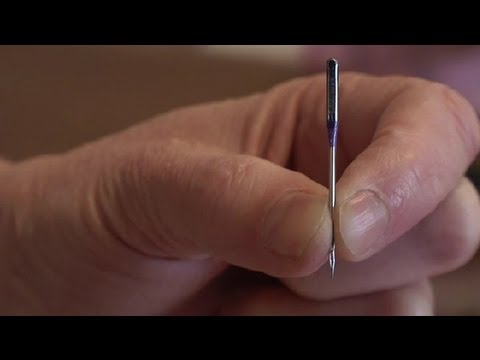
Choosing Needles For Satin
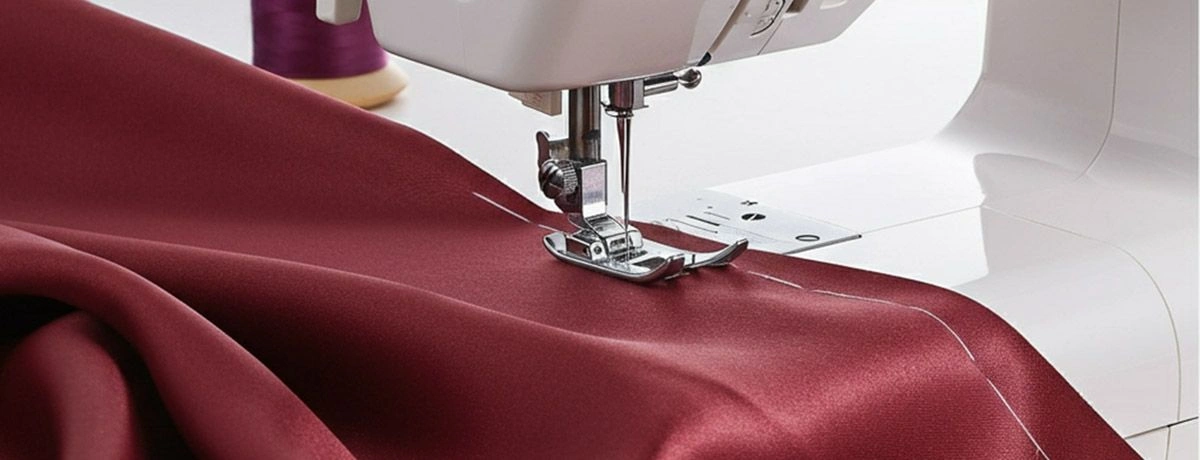
Choosing the right needle is key when sewing satin. Satin is smooth and slippery, which makes it tricky to sew. The wrong needle can cause snags, pulls, or holes. Using the correct needle helps create clean stitches and protects the fabric.
Needles for satin are different from those for cotton or denim. They have special tips and sizes that glide through satin without damage. Knowing what type of needle to use makes sewing easier and your project look better.
Why Satin Needs Special Needles
Satin is a delicate, shiny fabric. It has a tight weave that can catch on rough needles. Regular needles may leave marks or run the fabric. Satin needles have sharp, fine points that pierce smoothly. This reduces fabric damage and keeps satin looking smooth.
The needle size also matters. Smaller needles cause less harm. They help prevent skipped stitches and keep the thread from pulling. Satin needles help thread slide through without snagging.
Common Needle Problems With Satin
Using the wrong needle causes many problems. Satin can get runs or pulls from dull or thick needles. Needles that are too large leave big holes. These holes weaken the fabric and ruin its look.
Skipped stitches happen when the needle is blunt or wrong size. The thread does not catch properly, making gaps in sewing. Satin also shows needle marks more than other fabrics. This makes mistakes very visible.
Choosing the right needle stops these issues. It helps maintain satin’s smooth, glossy finish. It also keeps seams strong and neat.
Credit: www.mh-chine.com
Types Of Sewing Needles
Sewing needles come in various types, each designed for specific fabrics and tasks. Choosing the right needle helps prevent fabric damage and ensures smooth stitching. Satin, a delicate fabric, needs careful needle selection. Understanding needle types guides you to the best choice for satin.
Universal Needles
Universal needles work on many fabrics. They have a slightly rounded tip. This design helps sew woven and knit fabrics. For satin, universal needles can work for light sewing tasks. They are a good start for beginners. But they may cause small snags on satin.
Sharp And Microtex Needles
Sharp needles have a thin, pointed tip. They pierce fabric cleanly without damage. Microtex needles are extra sharp and fine. These needles are perfect for satin’s smooth surface. They create tiny holes that reduce runs and pulls. Use sharp or microtex needles for best satin results.
Ballpoint Needles
Ballpoint needles have a rounded tip. They push fibers aside rather than cut them. These needles work well on knit fabrics. Satin is not knit, so ballpoint needles are not ideal. Using ballpoint needles on satin can cause skipped stitches. Avoid ballpoint needles for satin sewing projects.
Best Needle Sizes For Satin
Choosing the right needle size for satin is important. Satin is smooth and delicate. The wrong needle can damage the fabric. It can cause pulls, snags, or holes. Using the best needle size helps keep satin looking perfect. Sewing becomes easier and the stitches stay neat.
Different satin fabrics have different weights. Needle size must match the fabric weight. This keeps the needle from making big holes or leaving marks. Smaller needles work better on thin satin. Larger needles suit thicker satin better.
Needle Size And Fabric Weight
Needle size is measured by numbers. Smaller numbers mean thicker needles. Larger numbers mean thinner needles. For satin, a thin needle is usually best. This prevents damage to the smooth surface. Light to medium-weight satin needs a thin needle. Heavy satin can use a slightly thicker needle.
Recommended Sizes For Lightweight Satin
Lightweight satin requires small needles to avoid fabric damage. Sizes 60/8 and 70/10 work well. These needles have a sharp point to sew through satin cleanly. They make small stitches that do not pull the fabric. Use these sizes for satin dresses, blouses, or linings.
Top Needle Brands For Satin
Choosing the right needle brand is key for sewing satin smoothly. Satin is delicate and slippery. It needs a needle that can handle fine fabric without causing pulls or snags. Quality needle brands offer special needles made for satin’s unique texture. These needles help create neat stitches and protect the fabric.
Below are some top needle brands trusted by sewers for satin projects. Each brand offers needles designed to work well with satin and other fine fabrics.
Schmetz Needles
Schmetz is a well-known needle brand worldwide. Their needles are sharp and strong. They make special needles for delicate fabrics like satin. Schmetz satin needles have a rounded point. This helps to avoid damaging the fabric. Many sewers prefer Schmetz for consistent quality and smooth sewing.
Organ Needles
Organ needles are made in Japan and are very popular. Their satin needles have a fine, sharp tip. This tip pierces satin gently without tearing. Organ needles also have smooth eyes. This reduces thread breakage and helps create even stitches. Organ is a good choice for precision sewing on satin.
Groove Needles
Groove needles are designed to reduce friction in sewing. Their special groove along the needle shaft helps the thread pass easily. This keeps the thread from catching on satin’s smooth surface. Groove needles prevent puckering and skipped stitches. They work well with lightweight satin fabrics for a clean finish.
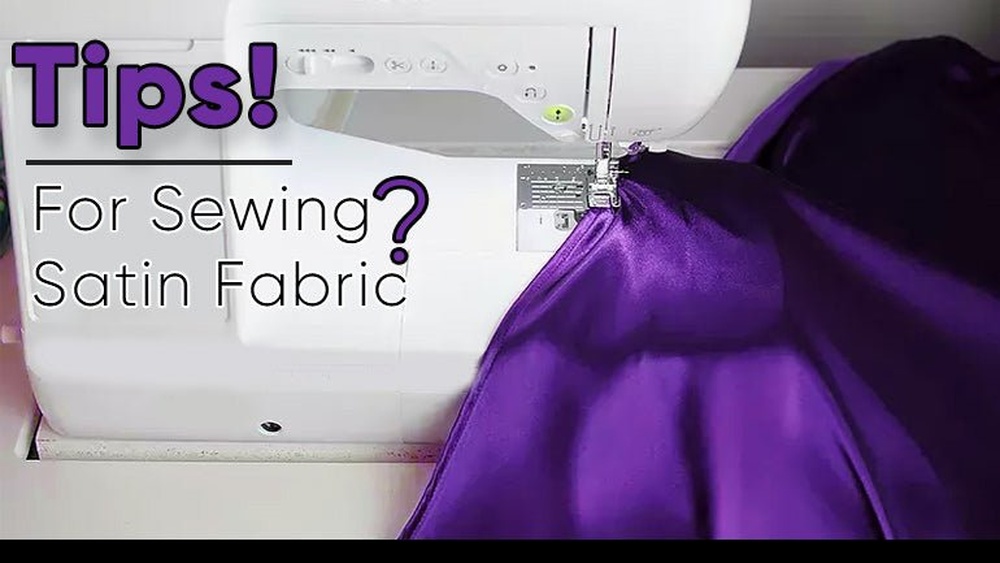
Tips For Sewing Satin Smoothly
Sewing satin requires care and attention. Its smooth surface can slip or snag easily. Using the right techniques helps keep your stitches neat. It also protects the fabric’s delicate shine. Here are some simple tips for sewing satin smoothly.
Needle Replacement Frequency
Change your needle often when sewing satin. A dull needle can cause pulls or holes. Use a new needle for every project or after 8 hours of sewing. This keeps stitches clean and prevents damage to the fabric.
Thread Choices For Satin
Choose fine, strong thread for satin. Polyester thread works well because it is smooth and durable. Avoid thick or rough threads that can leave marks. Match the thread color closely to the fabric for a neat finish.
Adjusting Machine Settings
Set your machine to a shorter stitch length. This helps prevent puckering on the fabric. Use a smaller presser foot pressure to avoid crushing the satin. Test on a scrap piece to find the best settings before sewing your project.
Credit: www.mhthread.com
Frequently Asked Questions
What Needle Type Is Best For Sewing Satin Fabric?
A sharp or microtex needle is best for satin. It pierces the fabric cleanly without snagging or damaging the delicate fibers, ensuring smooth and precise stitches.
What Needle Size Should I Use For Satin?
Use a fine needle size, typically 60/8 or 70/10. These sizes prevent holes and runs in satin while providing clean, even stitches.
Can I Use Universal Needles On Satin?
Universal needles can work but are not ideal. Sharp needles are better because they minimize fabric damage and create neater stitches on satin.
How Often Should I Change Needles When Sewing Satin?
Change needles after every 6-8 hours of sewing. Dull needles can snag satin and cause thread breaks or uneven stitching.
Conclusion
Choosing the right needle keeps your satin smooth and safe. Use a fine, sharp needle to avoid snags. A size 60/8 or 70/10 needle works best. Test your needle on a scrap piece first. Change needles often to keep stitches clean.
The right needle makes sewing satin easier and neater. Keep these tips in mind for your next satin project. Your satin will look beautiful and feel soft. Simple steps lead to great sewing results.