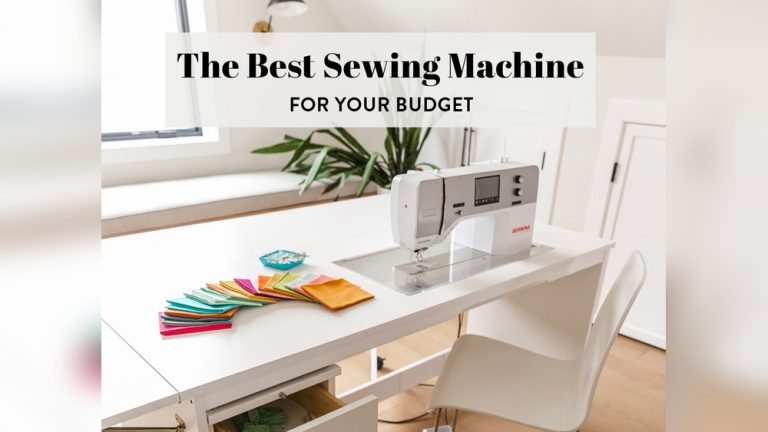
Sewing Clothes? Find the Best Sewing Machine Here!
Sewing your own clothes is a rewarding blend of creativity, craftsmanship, and practicality. Whether you’re a fashion design student, a DIY enthusiast, or simply want to tailor garments for a perfect fit, the right sewing machine makes all the difference.
With the surge in home sewing and personalized fashion, the market is packed with a wide range of machines, from basic mechanical models to advanced computerized powerhouses. Choosing the best sewing machine for making clothes can be overwhelming, given the variety of features, price points, and brands available.
This guide demystifies the process, offering expert recommendations, practical tips, and detailed comparisons to help you confidently select the ideal sewing machine for garment creation. Drawing on both hands-on experience and industry research, we break down the must-have features, showcase top-rated models, and provide actionable advice for sewists at every skill level.
By the end, you’ll have the knowledge to invest wisely and elevate your sewing projects with the perfect tool.
Key Takeaways
- Feature-rich sewing machines with adjustable stitch length, buttonhole options, and free arms are ideal for making clothes.
- Top brands like Brother, Singer, and Janome consistently deliver reliable, garment-focused models for beginners and experts alike.
- Computerized sewing machines offer convenience and versatility but may require a steeper learning curve.
- Budget and skill level should guide your choice; entry-level machines excel for simple garments, while advanced models suit complex fashion projects.
- Proper maintenance and using the right accessories ensures longevity and optimal performance for garment sewing.
- Hands-on testing and user reviews are invaluable for finding a machine that matches your sewing needs.
:max_bytes(150000):strip_icc()/slv-sewing-machines-may-24-test-singer-hd500-classic-jeanne-clayton-17-2-6d6ddde1b9a94f45b906c67b240c716e.jpeg)
Credit: www.southernliving.com
Essential Features In A Sewing Machine For Making Clothes
Sewing garments demands more from a machine than occasional mending or crafting. Prioritizing the right features ensures smooth, professional results.
Stitch Variety And Quality
A good clothing-focused sewing machine should offer:
- Straight stitch and zigzag stitch as basics
- Multiple stitch length and width adjustments
- Stretch stitches for knits and jerseys
- Overlock or mock serger stitches for seam finishing
Stitch consistency is crucial for neat, durable seams. Machines that hold tension well and allow easy adjustments give you the flexibility needed for various fabrics.
Buttonhole Options
Buttonholes are essential for shirts, dresses, and trousers. Look for:
- 1-step automatic buttonhole function (ideal for speed and uniformity)
- Multiple buttonhole styles for decorative or specialty garments
Pro Tip: A poorly executed buttonhole can ruin a finished garment. Test buttonholes on scrap fabric before sewing the final piece.
Free Arm Capability
A free arm is vital for sewing sleeves, cuffs, and pant legs. Machines with a removable accessory tray let you convert to a free arm, making it easier to handle tubular shapes.
Adjustable Presser Foot Pressure
Different fabrics require different pressure settings. Adjustable presser foot pressure helps when sewing:
- Thick denim (requires less pressure to avoid puckering)
- Delicate silks (needs gentle pressure to prevent stretching)
This feature is especially important for those working with a variety of garment fabrics.
Automatic Needle Threader And Top-loading Bobbin
Convenience features like an automatic needle threader and top-loading bobbin reduce setup time and frustration, especially helpful for beginners or those with dexterity concerns.
Speed Control And Foot Pedal Sensitivity
Variable speed control enables precise sewing for tricky areas, such as curves or detailed topstitching. A responsive foot pedal gives you better control, particularly important when working with delicate or slippery materials.
Durability And Build Quality
A robust internal frame (preferably metal) ensures less vibration and longer machine life. This is crucial for frequent garment makers or those tackling heavy fabrics.
Essential Accessories
The following accessories are indispensable for garment sewing:
- Multiple presser feet (zipper, buttonhole, blind hem, overcast)
- Seam ripper
- Extra bobbins and needles
- Extension table for larger projects
When comparing machines, check which accessories are included versus which must be purchased separately.
Credit: www.reddit.com
Top 7 Sewing Machines For Making Clothes
Drawing from user reviews, expert recommendations, and hands-on evaluations, these seven machines stand out for garment construction in 2026.
| Model | Type | Best For | Stitch Options | Price Range |
|---|---|---|---|---|
| Brother CS7000X | Computerized | All Skill Levels | 70+ | $200-$250 |
| Janome HD3000 | Mechanical | Durability/Heavy Fabric | 18 | $400-$450 |
| Singer Quantum Stylist 9960 | Computerized | Advanced Features | 600 | $400-$500 |
| Brother XR9550 | Computerized | Value & Versatility | 165 | $200-$250 |
| Juki HZL-F600 | Computerized | Professional Garments | 225 | $1,000-$1,200 |
| Singer Heavy Duty 4452 | Mechanical | Thick Fabrics/Speed | 32 | $180-$220 |
| Bernina 335 | Computerized | Premium Quality | 221 | $1,200-$1,400 |
Brother Cs7000x
The Brother CS7000X is a favorite among both novices and experienced sewists. It offers over 70 built-in stitches, a wide table for larger garments, and a 1-step buttonhole. The machine’s automatic needle threader and jam-resistant drop-in bobbin make it beginner-friendly, while features like speed control and quilting stitches appeal to advanced users. Its affordable price point belies its versatility, making it a strong contender for anyone sewing clothes at home.
Janome Hd3000
For those who value durability and simplicity, the Janome HD3000 is a workhorse. With a sturdy metal frame, 18 utility and decorative stitches, and adjustable presser foot pressure, it handles everything from chiffon to denim with ease. Its mechanical design means fewer electronics to malfunction, ideal for sewists who prioritize reliability over bells and whistles.
Singer Quantum Stylist 9960
The Singer Quantum Stylist 9960 packs an impressive 600 stitches, including alphanumeric fonts for monogramming. Its automatic thread cutter, mirror imaging, and speed control make it suitable for intricate garment work. Despite being feature-rich, its intuitive interface and included accessories help flatten the learning curve, making it suitable for intermediate to advanced users.
Brother Xr9550
The Brother XR9550 balances price and performance with 165 built-in stitches, 8 buttonhole styles, and a backlit LCD screen. It is especially well-suited for users looking for a lightweight, portable machine with enough power and flexibility for garment construction. The included extension table and quilting feet extend its versatility.
Juki Hzl-f600
Regarded as a semi-professional machine, the Juki HZL-F600 is ideal for those sewing clothes as a business or serious hobby. It boasts industrial-grade stitch quality, box feed technology for even fabric feeding, and a powerful motor that handles heavy materials with ease. The large LCD screen and customizable settings cater to advanced garment makers.
Singer Heavy Duty 4452
If you frequently sew thick materials like canvas, denim, or coat-weight wool, the Singer Heavy Duty 4452 is a top choice. Its high sewing speed (1,100 stitches per minute) and powerful motor make quick work of tough fabrics, while 32 stitch options cover the basics for most garment needs.
Bernina 335
The Bernina 335 stands out for its premium build and precision. With 221 stitches, including decorative and quilting options, it excels at detailed garment work. The machine’s robust construction, adjustable settings, and excellent tension control justify its higher price for those seeking long-term performance.
How To Choose The Best Sewing Machine For Your Garment Projects
Selecting the right sewing machine for making clothes depends on your unique needs, sewing style, and future goals.
Assess Your Skill Level
- Beginners should opt for intuitive, easy-to-thread machines with clear instructions and basic stitch options.
- Intermediate users may want more decorative stitches, buttonhole functions, and adjustable settings.
- Advanced sewists benefit from computerized models with customization, memory functions, and speed control.
For more expert advice, check out How to Choose the Best Sewing Machine: Expert Tips for Perfect Picks.
Consider The Types Of Garments You’ll Sew
- Lightweight fabrics (blouses, dresses): Look for machines with fine stitch control and gentle feed.
- Heavy fabrics (jeans, coats): Prioritize strong motors, heavy-duty frames, and adjustable pressure.
- Stretch and knitwear: Machines with stretch stitches and walking feet perform best.
Factor In Budget And Long-term Value
While entry-level machines start around $150, investing $300, $500 can secure more features and durability. Professional-grade models exceed $1,000 but offer superior stitch quality and longevity. Remember to account for the cost of accessories and maintenance.
Test Before You Buy
Whenever possible, visit a local dealer to test drive machines on your typical garment fabrics. This hands-on approach reveals how each model handles, sounds, and responds to your touch. Online reviews and video demonstrations are also valuable resources.
Warranty And Support
A good warranty (at least 2 years) and access to local servicing are vital for peace of mind. Brands with strong customer support save headaches down the line.
Compatibility With Accessories
Ensure the machine is compatible with additional presser feet and specialty tools you may need as your skills grow, such as invisible zipper feet or walking feet for tricky fabrics.
Portability And Workspace
If you have limited space, compact machines or those with foldable tables are advantageous. For dedicated sewing rooms, larger machines with extension tables enhance comfort during long projects.
Credit: hellosewing.com
Real-world Examples: Choosing And Using Sewing Machines For Garment Creation
Drawing from the sewing community and personal experience, here are three diverse scenarios illustrating how the right machine can transform garment projects.
Case Study 1: From Beginner To Confident Dressmaker
Samantha, a university student, started sewing with a basic mechanical machine but soon found it limiting for garments. After researching feature-rich models, she upgraded to the Brother CS7000X. The automatic needle threader and wide stitch selection let her experiment with new techniques. Within a year, she was confidently sewing lined dresses and shirts.
Case Study 2: Small Business Success With Heavy Fabrics
James, a tailor specializing in denim jackets, chose the Janome HD3000 for its robust build and reliable feed system. The adjustable presser foot pressure allowed him to switch between thick denim and lightweight lining materials seamlessly, improving productivity and reducing machine downtime.
Case Study 3: Stretch Fabric Mastery For Activewear
Priya, an avid runner, wanted to make her own leggings and workout tops. She invested in the Singer Quantum Stylist 9960 for its stretch stitches and programmable patterns. The machine handled spandex and jersey fabrics smoothly, resulting in professional-looking activewear with strong, flexible seams.
Comparing Mechanical Vs Computerized Sewing Machines For Garment Construction
Understanding the pros and cons of each type helps you decide which is best suited for your sewing journey.
| Feature | Mechanical | Computerized |
|---|---|---|
| Ease of Use | Simple, intuitive | Menu-driven, may require learning |
| Maintenance | Fewer electronic parts, easier DIY repair | More complex, may need professional servicing |
| Stitch Variety | Limited (10, 30) | Extensive (50, 600+) |
| Customization | Manual controls | Programmable, memory features |
| Price | Generally lower ($100, $400) | Varies widely ($200, $2000+) |
| Ideal For | Beginners, durability-focused users | Advanced users, decorative work |
Mechanical machines are favored for their reliability and ease of repair, making them ideal for straightforward garment construction or heavy-duty tasks. Computerized machines excel in versatility and automation, best for those who want decorative stitches, lettering, or advanced features.
Must-have Accessories And Tools For Sewing Clothes
Beyond the machine itself, certain accessories and notions are essential for garment making.
Presser Feet
- Zipper foot: Essential for installing zippers in pants, skirts, and dresses.
- Buttonhole foot: Creates precise, repeatable buttonholes.
- Blind hem foot: For nearly invisible hems on trousers and skirts.
- Overcast/overlocker foot: Finishes raw edges to prevent fraying.
Needles And Thread
- Universal needles: Suitable for most woven fabrics.
- Ballpoint needles: Best for knit and stretch materials.
- Heavy-duty needles: Required for denim, canvas, or upholstery fabric.
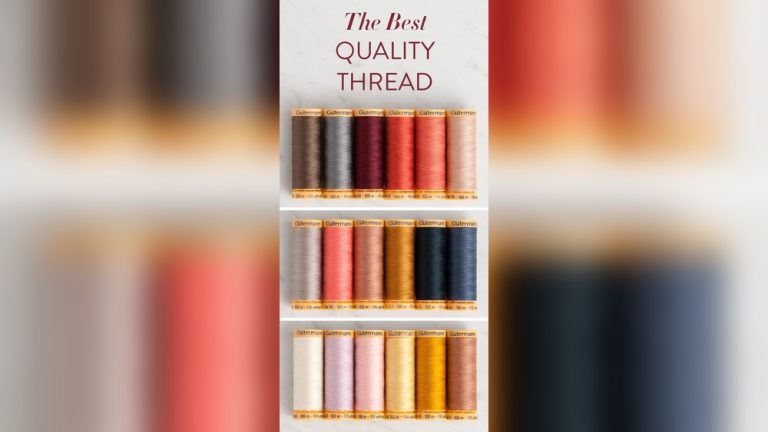
- High-quality, garment-specific thread reduces breakage and improves seam durability.
For more on thread selection, see Best Brand of Thread for Sewing Machine 2026: Top Picks for Quality.
Measuring And Marking Tools
- Seam gauge for precise seam allowances
- Tailor’s chalk or washable markers for pattern transfer
- Measuring tape for body and garment measurements
Cutting Tools
- Dressmaker’s shears for fabric
- Rotary cutter and mat for long, straight cuts
- Small snips for trimming threads and notches
Garment-specific Notions
- Interfacing for collars, cuffs, and button plackets
- Elastic, buttons, and zippers as required by patterns
- Pattern weights or pins to hold fabric in place during cutting
Maintenance Supplies
- Sewing machine oil for regular lubrication (as per manual)
- Small brush or vacuum for removing lint
For guidance on proper sewing machine care, refer to How to Fix Sewing Machine Handwheel: Quick & Easy Repair Tips.
Maintenance Tips To Keep Your Garment Sewing Machine Running Smoothly
Regular maintenance is key to consistent, high-quality sewing. Neglect leads to skipped stitches, thread jams, and costly repairs.
Clean And Oil Your Machine
Dust, lint, and stray threads accumulate quickly when sewing garments. Clean the bobbin area, feed dogs, and needle plate after every project. Oil per the manufacturer’s instructions, usually every 8, 10 hours of use for mechanical models.
Change Needles Regularly
A dull or bent needle damages fabric and causes skipped stitches. Change the needle every 8 hours of sewing or at the start of a new garment project.
Check Tension And Bobbin
Test your machine’s tension on scrap fabric before starting each new project, especially when switching thread or fabric types. Ensure the bobbin is wound evenly and inserted correctly.
Schedule Professional Servicing
Even with diligent home maintenance, schedule professional cleaning and inspection annually for computerized or high-use machines.
Store Properly
When not in use, cover your machine to prevent dust buildup. Avoid storing in damp or extreme temperature environments.
Pro Tip: Keep a log of maintenance and any issues; this helps troubleshoot recurring problems and ensures warranty validity.
Troubleshooting Common Sewing Machine Issues When Making Clothes
Even the best machines occasionally encounter hiccups. Understanding common issues keeps your garment projects on track.
Skipped Stitches
Often caused by:
- Dull or bent needle
- Incorrect needle type for fabric
- Improper threading or tension
Replace the needle, rethread, and test tension before proceeding.
Thread Bunching Or Bird’s Nest
Usually due to:
- Incorrectly inserted bobbin
- Poor threading
- Tension too loose
Remove thread and bobbin, reinsert carefully, and adjust tension as needed.
Uneven Feed Or Puckering
Can result from:
- Incorrect presser foot pressure
- Using the wrong needle or thread
- Feed dogs not engaged
Adjust presser foot pressure and ensure you’re using the correct accessories for your fabric.
Jamming And Strange Noises
Caused by:
- Lint buildup
- Foreign objects in the bobbin area
- Bent needle
Clean the machine thoroughly and check for obstructions before resuming work.
For more troubleshooting tips, see How to Use Sewing Machine Properly: Expert Tips for Flawless Stitching.
Frequently Asked Questions
Which Sewing Machine Stitch Is Best For Making Clothes?
While the straight stitch is fundamental for most seams, the zigzag stitch is crucial for finishing raw edges and sewing stretch fabrics. For knits or activewear, a stretch stitch or narrow zigzag prevents seams from popping. Many garment makers also use overlock or mock serger stitches for a professional finish.
Is A Mechanical Or Computerized Sewing Machine Better For Clothing?
Both have advantages. Mechanical machines are simple, reliable, and easier to repair, ideal for straightforward garment construction or heavy fabrics. Computerized machines offer more stitch variety, customization, and automation, making them better for decorative work or complex projects. The best choice depends on your sewing style, frequency, and preference for technology.
What Is The Ideal Sewing Machine For Beginners Making Clothes?
The Brother CS7000X and Singer Heavy Duty 4452 are excellent beginner machines due to their ease of use, clear instructions, and included accessories. Key beginner features include an automatic needle threader, adjustable stitch length/width, and a free arm for sewing sleeves and cuffs.
How Do I Prevent Puckering And Uneven Seams On Lightweight Fabrics?
To avoid puckering, use a fine needle (size 70/10 or 60/8), lightweight thread, and reduce presser foot pressure if possible. Hold the fabric taut as you sew and use a straight stitch plate if your machine has one. Testing on scrap fabric before starting helps dial in the right settings for each new project.
How Often Should I Service My Sewing Machine Used For Garment Construction?
If you sew regularly, professional servicing once a year is recommended, even with consistent home cleaning and oiling. For heavy use (e.g., a home-based clothing business), service every six months. Always refer to your manufacturer’s guidelines and retain service records for warranty purposes.
Sewing your own clothes is a deeply satisfying journey, and the right machine is your creative partner. Whether you’re drawn to the simplicity of a mechanical workhorse or the versatility of a computerized marvel, focusing on garment-appropriate features ensures frustration-free sewing and beautiful results.
By leveraging expert recommendations, real-world examples, and hands-on testing, you’re equipped to make an informed choice that supports your passion for clothing creation for years to come.