Good Sewing Machines for Beginners: How to Choose Your Model
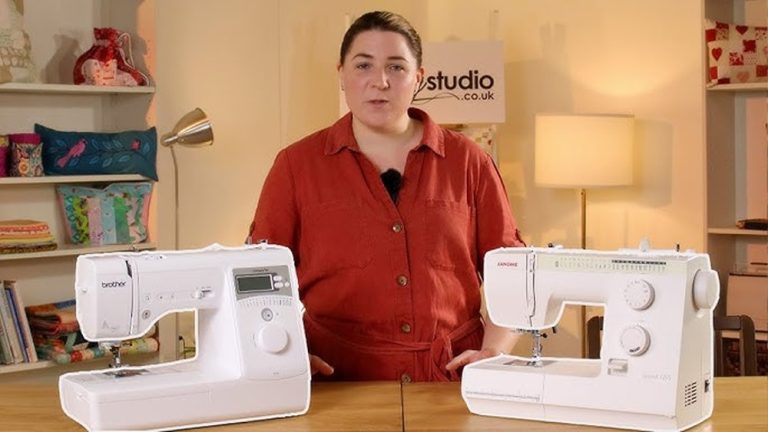
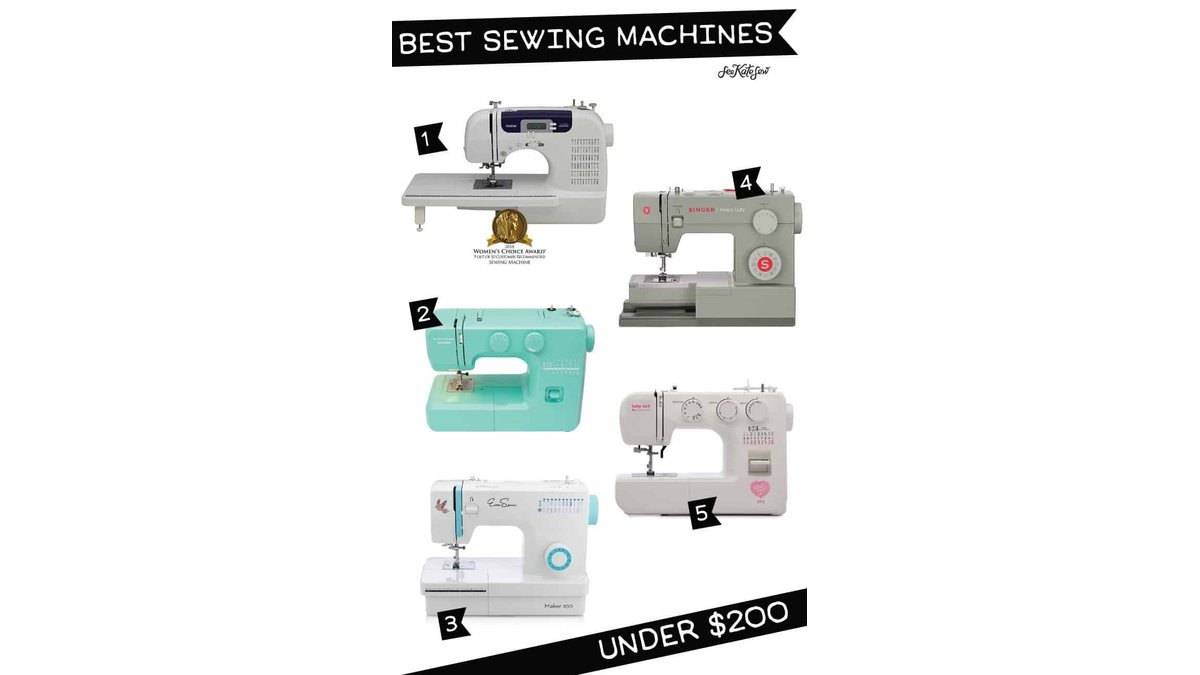
Mechanical models with simple controls are good sewing machines for most beginners because they offer reliability and ease of use. If you need to perform complex embroidery or heavy-duty quilting, a computerized model with an automated stitch library will serve you better. Choosing the right tool depends on your specific projects and how much time you want to spend learning technical settings.
Comparing good sewing machines
The best choice depends on whether you value speed, precision, or simple maintenance.
| Method | How long | Effort | Cost | Best for |
|---|---|---|---|---|
| Mechanical | Low | Low | Low | Basic repairs |
| Computerized | Medium | Medium | Medium | Decorative work |
| Heavy-duty | Medium | High | High | Thick fabrics |
If you’re a hobbyist, a standard mechanical machine is usually enough. However, if you plan to sew heavy materials like denim or leather, you need a machine with a stronger motor, as Consumer Product Safety Commission guidelines highlight the importance of using equipment designed for your specific material weight to prevent mechanical failure and potential injury. A common mistake is buying a high-end computerized unit for simple tasks; this costs you extra money and adds unnecessary complexity to simple sewing. This isn’t for users who only need to hem trousers once a year, as these machines require regular cleaning to stay functional.
Simple mechanical operation
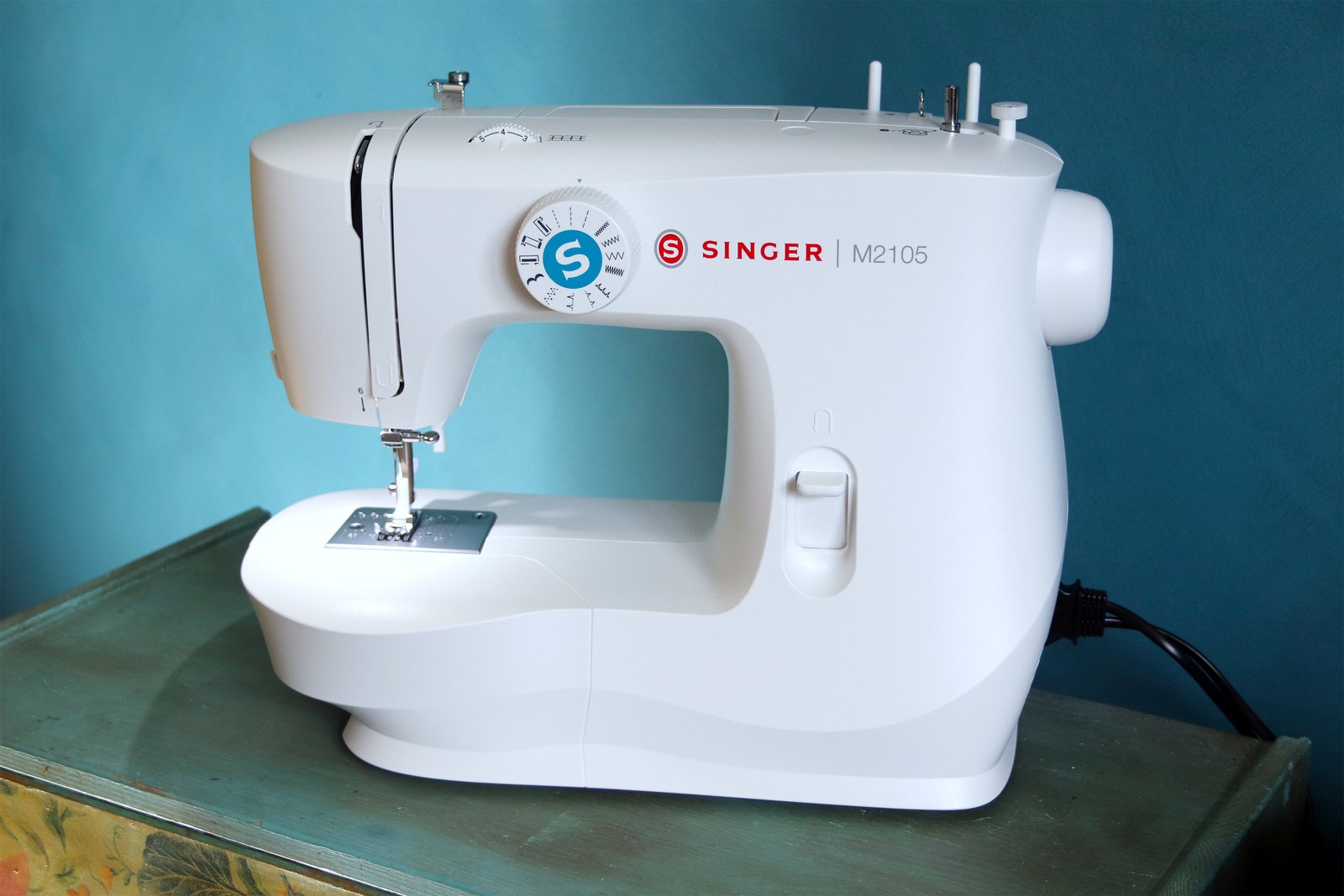
Mechanical machines use knobs and dials to control stitch length and width. They’re the workhorses of the sewing world.
- Place the spool of thread on the top pin and pull the thread through the tension discs.
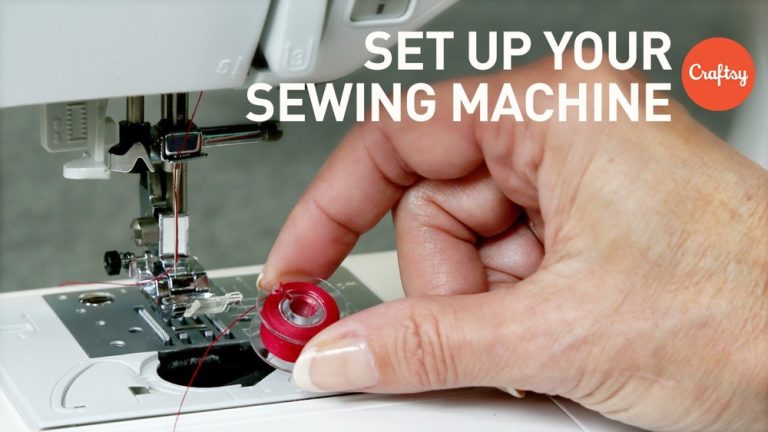
- Wind the bobbin by placing it on the bobbin winder and moving it to the right.
- Insert the bobbin into the case under the needle plate.
- Select your stitch using the mechanical dial on the front of the frame.
- Lower the presser foot and press the pedal to start sewing.
These machines are fantastic for learning because they don’t have confusing menus. You can see exactly how the parts move, which makes troubleshooting easy. If the thread bunches up, you simply re-thread the machine or adjust the top tension dial. The limit here is the stitch variety; mechanical models usually offer fewer than twenty stitch patterns. This isn’t for someone who wants to create complex, multi-colored patterns, as you would have to manually stop and change threads constantly.
Digital stitch control
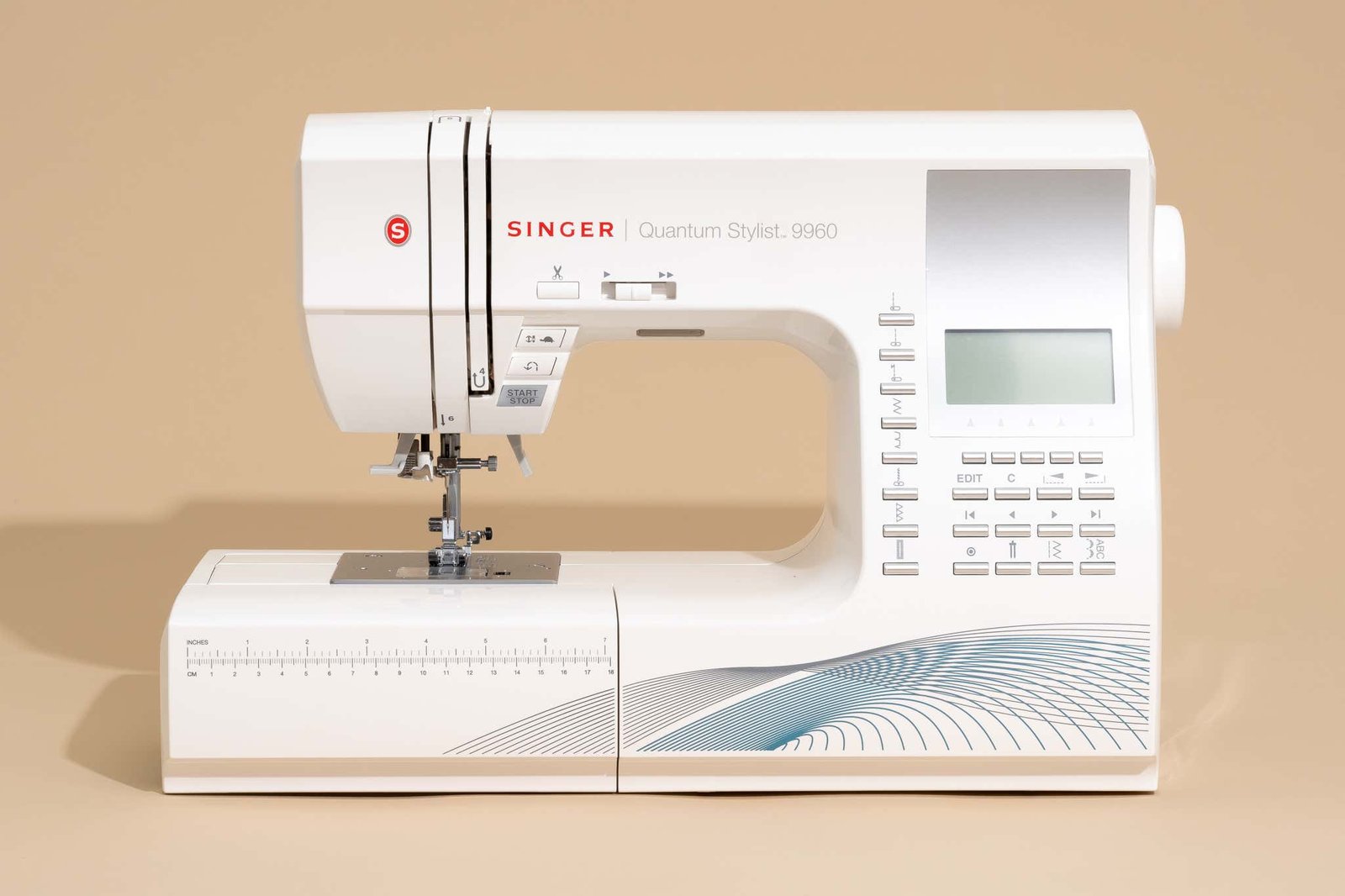
Computerized models allow you to select stitches via a screen. They offer high precision for intricate work.
- Plug the machine in and turn on the power switch.
- Select the desired stitch number on the digital screen.
- Adjust the stitch length and width using the electronic buttons.
- Use the start/stop button if you prefer not to use the foot pedal.
- Lower the needle automatically to the exact starting point.
These machines are excellent for buttonholes and decorative patterns because the computer ensures every stitch is the same size. If the machine stops mid-stitch, it’s usually because the bobbin is low or the thread has snagged in the casing. A trade-off is the learning curve; it takes time to navigate the menus. If you aren’t comfortable with digital interfaces, you might find the screen settings frustrating. This isn’t for people who prefer tactile, physical controls, as the digital buttons require a different kind of patience.
Industrial strength sewing

Heavy-duty machines feature metal frames and stronger motors for thick, layered fabrics.
- Secure the machine to a stable, flat table surface.
- Use a heavy-duty needle size, such as a size 16 or 18, for denim or canvas.
- Set the stitch length to a longer setting to handle thicker fabric layers.
- Manually guide the fabric through the feed dogs without pulling.
- Stop every few inches to ensure the needle isn’t hitting a thick seam.
These machines handle multiple layers of heavy cloth without jamming. They’re built for longevity and frequent, hard use. The weakness is their weight; these machines are heavy and difficult to move, so they aren’t ideal for small apartments. If you only sew light cotton, you don’t need this power, and using it for delicate fabrics will likely result in puckered seams.
Which one should you use?
If you’re in a hurry, choose a mechanical machine. You can start sewing in minutes without reading a long manual or navigating digital menus. If you’re doing this for the first time, a mechanical model is also the best choice, as it helps you understand the basics of tension and bobbin placement without the risk of software errors. Finally, if you want the best possible result regardless of the effort, choose a computerized machine. The automated features provide a level of consistency and detail that’s very hard to achieve by hand or with a basic mechanical dial.
The trade-off is always between simplicity and versatility. Mechanical machines are simple but limited, while computerized machines are versatile but require more time to master. If you choose a heavy-duty model, remember that the extra power is a trade-off for speed and portability. Always verify the manufacturer’s user guide for specific maintenance intervals, as these vary by model and frequency of use.
The rules that apply whichever way you choose
Regardless of the machine you pick, safety and maintenance come first. Always unplug your machine before changing the needle or cleaning the bobbin area. This prevents accidental activation while your fingers are near the needle. Before you begin any project, test your stitch settings on a scrap piece of the same fabric you plan to use. This saves you from ruining your main material with the wrong tension or stitch length.
Check your machine’s manual for the required cleaning schedule. Most modern machines need a drop of sewing machine oil regularly, but some are “self-lubricating” and don’t need oil at all. If you hear a grinding noise or the needle stops moving, stop immediately and check the bobbin case for tangled threads. Never force the handwheel if it feels stuck, as this can bend the internal drive shaft. If you suspect a major mechanical fault, don’t attempt to open the motor housing yourself, as this often voids the warranty and carries a risk of electrical shock. Take the unit to an authorized service center for repairs.
Frequently asked questions
Can I use any thread for my sewing machine?
No, you should use thread weight recommended by the manufacturer for your specific machine model. Using heavy thread in a machine meant for light sewing will cause constant jams and may damage the tension assembly.
Why is my sewing machine skipping stitches?
Skipping stitches usually happens because the needle is blunt or incorrectly inserted into the needle bar. Replace the needle with a new one of the correct size for your fabric, then re-thread the top of the machine. If the problem continues, the timing of your machine may be off, which requires a professional technician to adjust.
How long do sewing machines last?
A well-maintained machine can last for many years of regular use if you clean it and change the needles often. The lifespan depends on how you store it and whether you follow the manufacturer’s maintenance schedule. Keep the machine covered when not in use to prevent dust from getting into the gears.
Is it safe to leave a sewing machine plugged in?
No, you should unplug your machine whenever you aren’t actively using it to prevent electrical hazards. A power surge can damage the sensitive circuit boards in computerized models or cause a short circuit in the foot pedal. Always store the machine in a dry place to protect the internal electronic components.
What happens if I use the wrong needle size?
Using the wrong needle size will cause skipped stitches, broken thread, or holes in your fabric. A needle that’s too thin for heavy fabric will bend or snap, while a needle that’s too thick for delicate silk will leave visible, permanent puncture marks. Always match the needle size to the fabric thickness.
Final Thoughts
Once you’ve narrowed down your choices, head to a local shop to test a few machines in person. Feeling how the fabric moves under the needle will help you decide which one feels right. You’ll find that picking the perfect fit makes every future project much more enjoyable to create.
{“@context”:”https://schema.org”,”@type”:”FAQPage”,”mainEntity”:[{“@type”:”Question”,”name”:”Can I use any thread for my sewing machine?”,”acceptedAnswer”:{“@type”:”Answer”,”text”:”No, you should use thread weight recommended by the manufacturer for your specific machine model. Using heavy thread in a machine meant for light sewing will cause constant jams and may damage the tension assembly.”}},{“@type”:”Question”,”name”:”Why is my sewing machine skipping stitches?”,”acceptedAnswer”:{“@type”:”Answer”,”text”:”Skipping stitches usually happens because the needle is blunt or incorrectly inserted into the needle bar. Replace the needle with a new one of the correct size for your fabric, then re-thread the top of the machine. If the problem continues, the timing of your machine may be off, which requires a professional technician to adjust.”}},{“@type”:”Question”,”name”:”How long do sewing machines last?”,”acceptedAnswer”:{“@type”:”Answer”,”text”:”A well-maintained machine can last for many years of regular use if you clean it and change the needles often. The lifespan depends on how you store it and whether you follow the manufacturer’s maintenance schedule. Keep the machine covered when not in use to prevent dust from getting into the gears.”}},{“@type”:”Question”,”name”:”Is it safe to leave a sewing machine plugged in?”,”acceptedAnswer”:{“@type”:”Answer”,”text”:”No, you should unplug your machine whenever you aren’t actively using it to prevent electrical hazards. A power surge can damage the sensitive circuit boards in computerized models or cause a short circuit in the foot pedal. Always store the machine in a dry place to protect the internal electronic components.”}},{“@type”:”Question”,”name”:”What happens if I use the wrong needle size?”,”acceptedAnswer”:{“@type”:”Answer”,”text”:”Using the wrong needle size will cause skipped stitches, broken thread, or holes in your fabric. A needle that’s too thin for heavy fabric will bend or snap, while a needle that’s too thick for delicate silk will leave visible, permanent puncture marks. Always match the needle size to the fabric thickness.”}}]}