Can You Use Sewing Machine Needles in an Overlocker? Expert Tips!
Are you wondering if you can use sewing machine needles in your overlocker? It’s a common question that many sewing enthusiasts face.
Using the wrong needle can cause skipped stitches, damage your fabric, or even harm your machine. But what if you already have sewing machine needles on hand? Can they work just as well in your overlocker? Keep reading to find out the surprising truth and learn how to keep your projects running smoothly without unexpected hiccups.
Your next sewing success could depend on it!
Needle Types For Overlockers
Needles are a key part of any overlocker machine. Choosing the right needle keeps your stitching smooth and strong. Overlockers need special needles that fit their unique design. Understanding these needle types helps you get the best results from your machine.
Using the wrong needles can cause skipped stitches or damage. It is important to know the differences between sewing machine needles and overlocker needles. Also, knowing the common sizes helps you pick the right one for your fabric.
Differences Between Sewing Machine And Overlocker Needles
Sewing machine needles have a larger shaft and a rounder point. They are made for straight stitching on many fabrics. Overlocker needles have a slimmer shaft. This helps them fit into tight spaces in the machine.
Overlocker needles have a different eye shape. This reduces thread breakage during fast stitching. Their points come in more varied shapes to handle different fabrics. Using a sewing machine needle in an overlocker may cause thread breakage or poor stitches.
Common Needle Sizes For Overlockers
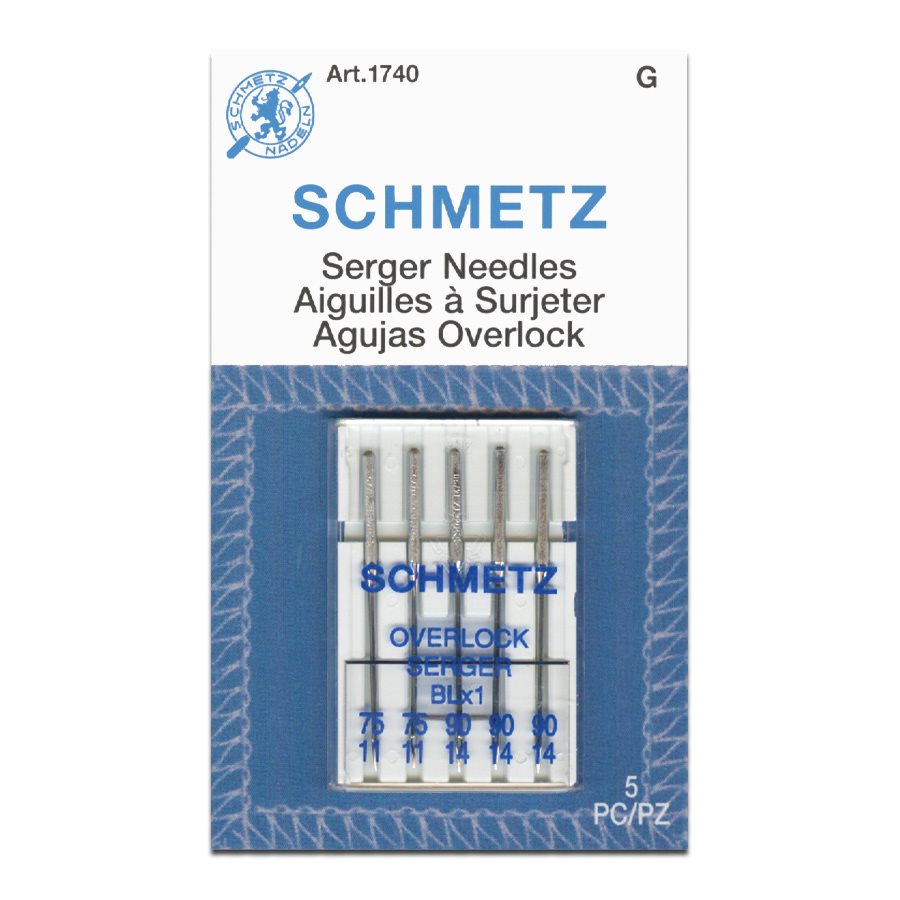
Overlocker needles come in sizes from 60/8 to 90/14. The smaller sizes work best for lightweight fabrics. Larger needles fit medium to heavy fabrics. Choosing the right size protects your fabric from holes and tears.
For delicate materials, use size 60/8 or 70/10 needles. For denim or thick fabrics, size 90/14 is best. Always check your machine’s guide for needle size recommendations. Changing needle size helps keep your stitches clean and even.

Credit: www.youtube.com
Compatibility Issues
Using sewing machine needles in an overlocker can lead to compatibility issues. Both tools have different designs and functions. This affects the needle shape, size, and how the machine works. Overlockers need specific needles to handle fast stitching and fabric trimming. Sewing machine needles may not fit or work properly in an overlocker.
Potential Problems Using Sewing Machine Needles
Sewing machine needles may not fit the overlocker’s needle clamp. They can be too thick or too thin. This causes needle slipping or breaking during use. The needle eye and groove may differ, affecting thread flow. Wrong needles can damage the fabric or machine parts. Overlockers run at high speeds, needing stronger needles. Sewing machine needles might not handle this speed well.
Impact On Stitch Quality And Machine Performance
Using incorrect needles reduces stitch quality. Stitches may become uneven or loose. Thread tension might not stay balanced. Needle damage can cause skipped stitches and fabric snags. Machine parts may wear out faster due to improper needle fit. This leads to more repairs and downtime. Proper needles ensure smooth stitching and longer machine life.
Expert Tips For Needle Selection
Selecting the right needle for your overlocker is key to good sewing results. Needles affect stitch quality and fabric handling. Using the wrong needle can cause skipped stitches or fabric damage. Knowing how to choose and when to change needles keeps your machine running smoothly.
Choosing The Right Needle For Fabric Types
Different fabrics need different needles. Use a ballpoint needle for knit fabrics. It passes through threads without cutting them. Sharp needles work well on woven fabrics like cotton or linen. For heavy fabrics, try a stronger, thicker needle. Fine needles suit lightweight fabrics like silk. Match needle size to fabric thickness for best results.
When To Replace Overlocker Needles
Replace needles regularly for smooth sewing. Change needles after about 8 hours of use. Bent or dull needles cause thread breaks and poor stitches. If stitches look uneven or fabric puckers, check the needle. Always use new needles for big projects. A fresh needle saves time and prevents damage.
Credit: www.schmetzneedles.com
How To Change Needles Safely
Changing needles on an overlocker is important for good sewing results. Doing it safely protects the machine and your fingers. Follow easy steps to replace needles without damage or injury. Use the right tools to make the process smooth and quick.
Tools Needed For Needle Changes
Gather the tools before starting the needle change. You need a small screwdriver to loosen screws. Have a new overlocker needle that fits your machine. A small cloth can help clean the area. Keep a container nearby for old needles.
Step-by-step Needle Replacement
Turn off the overlocker and unplug it first. Raise the presser foot to access the needle area. Use the screwdriver to loosen the needle clamp screw. Carefully pull out the old needle straight down. Insert the new needle with the flat side facing back. Push the needle up as far as it goes. Tighten the needle clamp screw securely. Lower the presser foot and plug the machine back in. Test sew on a scrap fabric to check needle fit and tension.
Maintaining Your Overlocker
Maintaining your overlocker keeps it running smoothly. Regular care prevents problems and extends the machine’s life. Simple steps make a big difference in performance. Clean parts and proper lubrication help avoid damage. Pay close attention to needles and thread paths. Routine checks save time and money on repairs.
Cleaning And Lubrication Tips
Turn off and unplug your overlocker before cleaning. Remove lint and dust from the needle area. Use a small brush or compressed air for best results. Clean the loopers and feed dogs carefully. Apply sewing machine oil to moving parts sparingly. Avoid over-oiling, which can attract more lint. Check the manual for the right oil type and spots. Wipe off extra oil to prevent stains on fabric.
Troubleshooting Needle-related Issues
Needle problems cause skipped stitches or fabric damage. Replace needles regularly, especially after heavy use. Use needles designed for overlockers, not regular sewing needles. Check that needles are inserted correctly and tightened. Bent or dull needles must be swapped immediately. Adjust needle position if stitches look uneven. Inspect thread tension and re-thread if stitches break. Clear any thread jams around the needles.

Credit: www.ageberry.com
Frequently Asked Questions
Can Sewing Machine Needles Fit In An Overlocker?
No, sewing machine needles generally do not fit in overlockers. Overlockers require specific needles designed for their mechanism and thread tension.
What Needle Type Is Best For Overlockers?
Overlockers use ballpoint or universal needles labeled as ELx705 or 130/705H. These needles suit knit and woven fabrics, ensuring smooth stitching.
Can Using Wrong Needles Damage My Overlocker?
Yes, incorrect needles can cause skipped stitches, fabric damage, or machine jams. Always use needles recommended by your overlocker’s manufacturer.
How Often Should I Change Overlocker Needles?
Change your needles after 8 hours of sewing or when you notice skipped stitches or fabric pulls. Frequent changes maintain stitch quality.
Conclusion
Using sewing machine needles in an overlocker is not a good idea. Overlockers need special needles made for fast and tight stitching. Sewing machine needles may break or damage your machine. Always choose needles designed for your overlocker model. This helps your machine work smoothly and last longer.
Needle size also matters for different fabrics. Keep your machine safe and sew with the right tools. This simple step saves time and money. Your sewing projects will look better too. Remember, using correct needles keeps your overlocker happy and healthy.