Can I Use a Sewing Machine on the Floor? Expert Tips & Risks Revealed
Have you ever wondered if you can use a sewing machine on the floor? Maybe you don’t have a table nearby, or you’re trying to find a quick spot to finish your project.
Using your sewing machine on the floor might seem like a simple solution, but is it safe and effective? Before you set your machine down, there are a few important things you need to know. Keep reading to discover the pros, cons, and smart tips that will help you sew comfortably and protect your machine every time.
Your sewing projects deserve the best setup—and we’re here to help you find it.
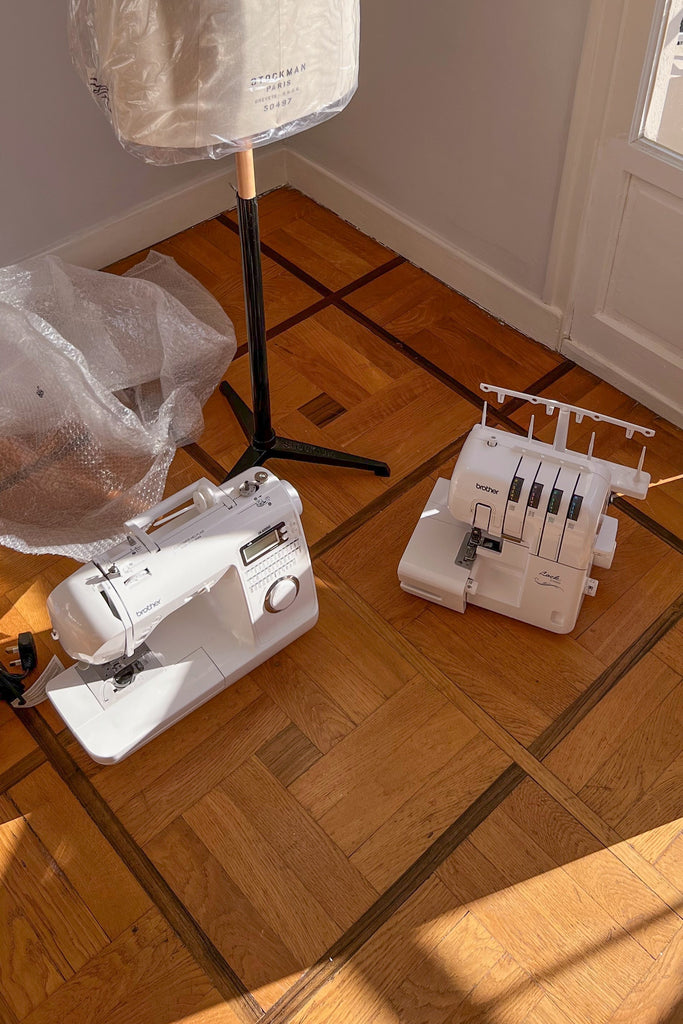
Credit: tintofmintpatterns.com
Using A Sewing Machine On The Floor
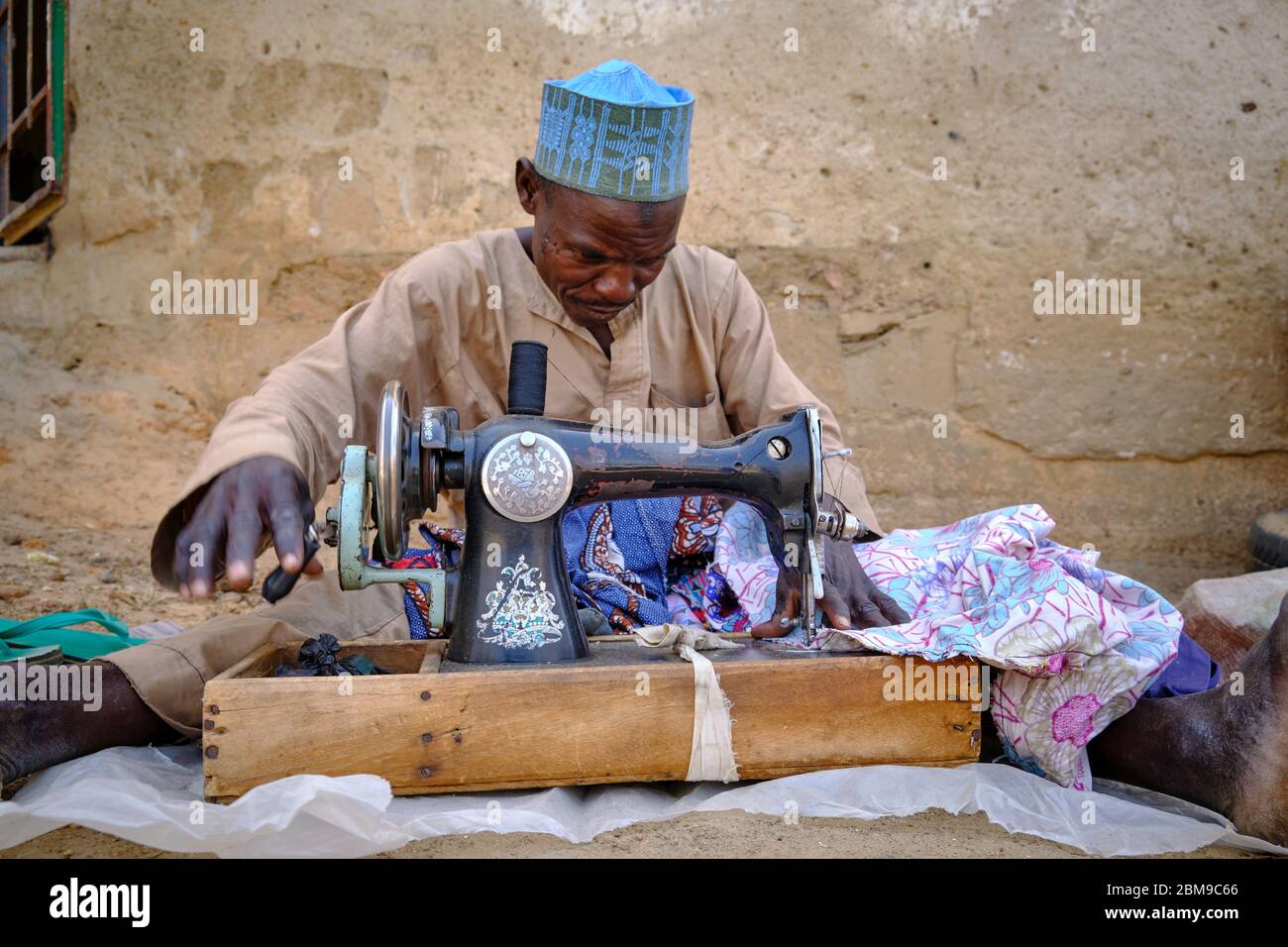
Using a sewing machine on the floor is not common but sometimes needed. It can be practical in small spaces or when no table is available. Many wonder if this method is safe and effective. The answer depends on your machine type and setup. Below, learn why people use the floor and which machines work best.
Common Reasons For Floor Use
Space limits often push sewing machines to the floor. Small rooms or crowded areas leave no table space. Some users find the floor more comfortable to sit on. It also helps when large fabric pieces need spreading out. Temporary setups, like craft fairs, may lack tables. The floor offers a quick, flat surface to work on. Some beginners try the floor to avoid buying extra furniture. It can also reduce noise by cushioning vibrations. These reasons make floor use practical in many cases.
Types Of Sewing Machines Suitable
Lightweight and portable machines suit floor use best. Small mechanical machines stay steady on flat ground. Hand-crank or battery-powered models work well without cords. Heavy industrial machines are unsafe on the floor. They risk tipping and damage due to weight. Machines with a wide base provide more balance. Avoid tall or unstable machines for floor sewing. Choose models designed for mobility or compactness. Using the right machine keeps sewing safe and smooth. Always check the machine’s manual for usage advice.
Risks Of Operating On The Floor
Operating a sewing machine on the floor carries several risks. It may seem convenient, but it can lead to problems. These issues affect safety, the machine’s condition, and the sewing results. Understanding these risks helps you avoid trouble and protect your equipment.
Safety Hazards
Sewing machines have moving parts that can cause injury. On the floor, tripping over cords is common. Dust and dirt gather easily, increasing fire risks. Poor posture from sitting on the floor can cause back pain. The machine might slip, leading to accidents or damage.
Machine Damage Possibilities
The floor is often uneven or hard. This can harm delicate sewing machine parts. Dust and debris can get inside the machine, causing jams. Foot pedals may not work well on rough surfaces. Vibrations from the floor can wear out the motor faster.
Impact On Sewing Quality
Sewing on the floor makes fabric handling harder. Uneven support causes stitches to be uneven. Lack of a stable surface can lead to thread breaks. It is tough to control speed and pressure accurately. Overall, the final product may look less neat and professional.
Expert Tips For Floor Sewing
Sewing on the floor can be tricky but possible. It needs the right setup to keep your machine safe and steady. Follow these expert tips to sew comfortably and protect your equipment.
Proper Positioning Techniques
Place your sewing machine on a flat surface on the floor. Sit on a low stool or cushion for comfort. Keep your back straight and shoulders relaxed. Position your feet flat to balance yourself. Arrange your fabric so it moves smoothly without pulling.
Essential Floor Protection
Use a thick mat or blanket under your sewing machine. This protects the floor from scratches and dust. The mat also absorbs vibrations from the machine. Choose a clean, dry spot to avoid damage. Check the floor surface regularly for dirt or debris.
Maintaining Machine Stability
Keep your sewing machine steady during use. Place rubber pads or non-slip grips under the machine. Avoid placing it on slippery or uneven floors. Hold the machine gently but firmly while sewing. Turn off the machine when adjusting fabric or thread.
Alternatives To Floor Use
Using a sewing machine on the floor is not always the best choice. It can be uncomfortable and unsafe. There are better ways to set up your sewing space. These alternatives help you work more comfortably and protect your machine.
Portable Sewing Tables
Portable sewing tables are small and easy to move. They give you a flat, steady surface. You can use them in any room. Some have adjustable heights to fit your needs. They keep your sewing machine safe and stable.
Lap Sewing Solutions
Lap sewing solutions let you work while sitting on a chair or couch. A lap desk or sewing tray holds the machine. It keeps the machine steady and your hands free. This way, you avoid bending over or sitting on the floor.
Improvised Workstations
Improvised workstations use items you already have at home. A sturdy box or a wooden board works well. Place it on a table or your lap. It creates a solid base for your sewing machine. This option is quick and budget-friendly.
Maintenance After Floor Use
Using a sewing machine on the floor can cause dust and dirt to collect inside. This dirt may affect how well the machine works. Regular maintenance after floor use keeps the machine in good shape. It helps avoid problems and extends the machine’s life.
Cleaning And Inspection
Start by unplugging the machine. Use a soft brush to remove dust from all parts. Check the bobbin area and feed dogs carefully. Wipe the machine with a dry cloth. Avoid using water or liquid cleaners that can damage parts. Clean the machine after each floor use to prevent buildup.
Checking For Damage
Look closely at the machine’s body and cords. Check for cracks or loose parts. Test the foot pedal and power cord for wear. Examine the needle for bends or breaks. Replace any damaged parts before using the machine again. This step helps keep your sewing safe and smooth.
Adjustments And Calibration
Floor use can cause the machine to go out of alignment. Check the tension settings and thread path. Adjust the needle position if needed. Make sure the feed dogs move fabric evenly. Calibrate the machine regularly to maintain stitch quality. Proper adjustments prevent sewing errors and fabric damage.
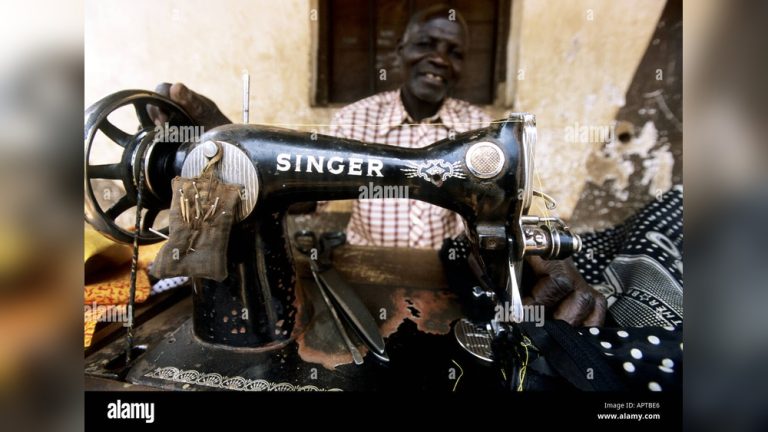
Credit: www.alamy.com

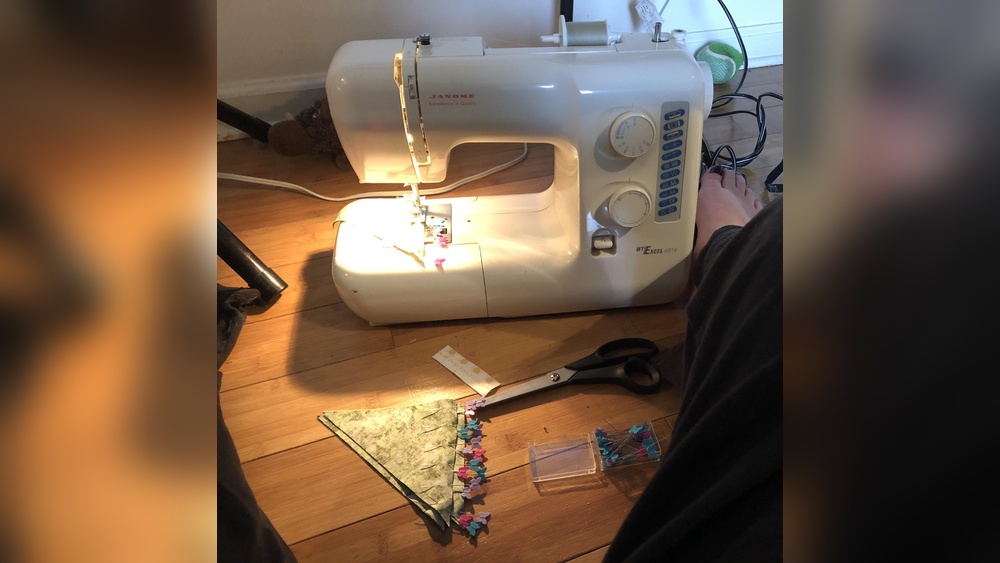
Credit: janomelife.wordpress.com
Frequently Asked Questions
Can I Safely Operate A Sewing Machine On The Floor?
Operating a sewing machine on the floor is possible but not ideal. It may cause discomfort and reduce control. A stable table ensures better posture, precision, and safety during sewing projects.
What Are The Risks Of Using A Sewing Machine On The Floor?
Using a sewing machine on the floor risks poor posture, back pain, and accidental damage. It can also lead to dust accumulation and reduced machine stability, affecting stitching quality.
How Does Floor Placement Affect Sewing Machine Performance?
Floor placement can cause instability and uneven stitching due to an unsteady surface. It also increases exposure to dust and debris, which may affect machine longevity and performance.
Is It Better To Use A Table Or Floor For Sewing?
A table is better for sewing as it offers stability, comfort, and proper ergonomics. It improves control over fabric and reduces strain on your body during long sewing sessions.
Conclusion
Using a sewing machine on the floor is possible but not always safe or comfortable. The floor may cause strain on your back and make sewing harder. A stable table or desk helps keep your machine steady. It also makes your work easier and faster.
Think about your comfort and safety first. Choose a place where you can sit well and move your hands freely. Sewing should be fun, not painful. Try different setups to find what works best for you. Your sewing space matters a lot.