Can I Take a Sewing Machine on a Plane: Essential Travel Tips
Are you planning to bring your sewing machine along on your next flight? Whether you’re a hobbyist or a professional, you might be wondering if you can take your sewing machine on a plane without any hassle.
It’s a common question, and the answer isn’t always straightforward. You’ll discover the simple rules and tips that will help you pack your sewing machine safely and avoid any travel headaches. Keep reading to find out exactly what you need to know before you fly with your sewing machine.

Credit: makezine.com
Airline Policies On Sewing Machines
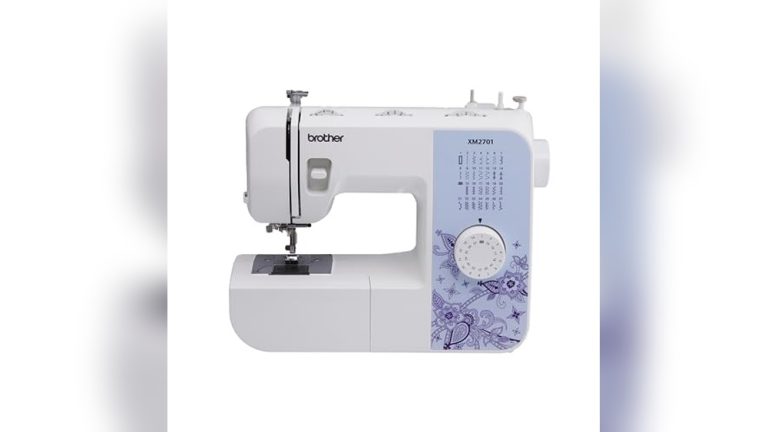
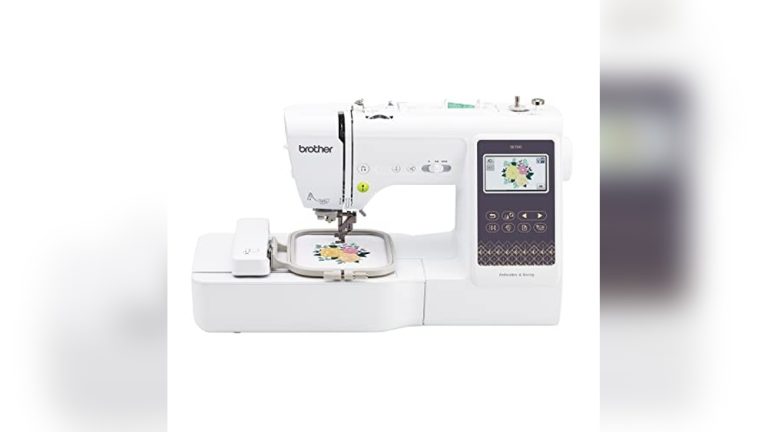
Airline policies about sewing machines vary between carriers. Some allow sewing machines in carry-on bags. Others require them to be checked. Knowing these rules helps avoid problems at the airport.
Policies depend on the size, weight, and the type of sewing machine. Airlines also check if the machine has batteries. This affects whether it can go in carry-on or checked luggage.
Carry-on Vs Checked Baggage Rules
Most airlines allow small sewing machines in carry-on bags. Larger or heavy machines usually must be checked. Some airlines may forbid sewing machines as carry-ons entirely. It is best to check your airline’s specific rules before flying.
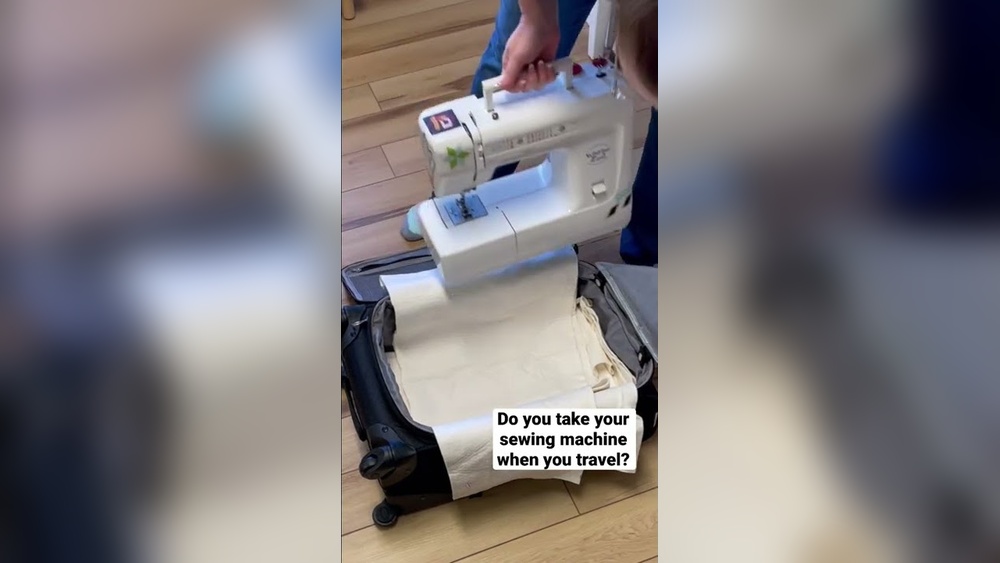
Carry-on sewing machines must fit in the overhead bin or under the seat. Checked sewing machines need proper packing to avoid damage. Padding and a sturdy case help protect the machine during transit.
Size And Weight Restrictions
Size limits vary by airline and aircraft. Carry-on bags typically must not exceed 22 x 14 x 9 inches. Sewing machines larger than this must go in checked baggage. Weight limits also apply and vary from 15 to 50 pounds. Exceeding size or weight limits may cause extra fees or refusal to board.
Battery And Power Considerations
Sewing machines with lithium batteries face special rules. Many airlines ban lithium batteries in checked luggage. They may allow batteries only in carry-on bags. Battery capacity matters; larger batteries might be restricted. Always remove batteries if possible and carry them separately. Confirm battery rules with your airline before travel.

Credit: csews.com
Packing Your Sewing Machine Safely
Packing your sewing machine safely is key for travel. A sewing machine is delicate. It needs proper care during a flight. Without good packing, parts can break or get lost. This section helps you protect your machine well. Follow these tips to keep your sewing machine safe and ready to use.
Choosing The Right Case
Pick a case made for sewing machines. Hard cases offer better protection than soft ones. Look for a case with padding inside. The padding stops shocks and bumps. The case should fit your machine snugly. Too much space lets the machine move. Too tight can cause pressure damage. A handle or shoulder strap makes carrying easier.
Protecting Accessories And Needles
Keep needles and small accessories in a separate box. Use a sturdy container with compartments. This prevents needles from poking or getting lost. Wrap fragile parts like scissors or thread spools in soft cloth. Store these inside the main case or your carry bag. Avoid placing sharp objects directly near the machine.
Securing Loose Parts
Remove all loose parts before packing. Use tape or rubber bands to hold small pieces together. Attach parts like the foot pedal or power cord securely. Place loose pieces in a zipped pouch inside the case. This stops parts from falling out during travel. Double-check everything is tight and secure before closing the case.
Security Checkpoint Tips
Passing through airport security with a sewing machine can feel tricky. Knowing what to expect helps you stay calm and prepared. Follow these tips to move smoothly through the checkpoint.
Security officers must check all carry-on items carefully. A sewing machine may need extra screening. Being ready speeds up the process for everyone.
Preparing For Tsa Screening
Remove your sewing machine from its bag before screening. Place it in a separate bin like a laptop. This lets officers see it clearly on the scanner. Pack any small parts in a clear pouch. Label the pouch to avoid confusion. Arrive early to have time for extra checks.
Handling Prohibited Items
Check TSA rules for sharp objects like scissors or needles. Some tools may not be allowed in carry-on bags. Put these items in checked luggage or leave them at home. Carry only what the TSA permits to avoid delays. Always double-check rules before your flight date.
Declaring Your Sewing Machine
Tell TSA officers you have a sewing machine before screening. This helps them prepare and handle your item carefully. If asked, explain it is for personal use. Be honest and clear to avoid misunderstandings. Declaring your machine can prevent problems during inspection.

Credit: www.youtube.com
Traveling Internationally With A Sewing Machine
Traveling internationally with a sewing machine needs careful planning. You must follow rules from airlines and countries. Some places may have strict laws about bringing sewing machines. Knowing what to expect helps avoid trouble at the airport or customs. Packing your machine right and understanding local needs will make your trip smoother.
Customs Regulations
Each country has its own customs rules. Some may require you to declare your sewing machine. Others might charge a tax or fee. Check the rules of your destination before you pack. Keep your purchase receipt handy. It helps prove the machine is for personal use. Avoid bringing extra parts that look like commercial tools.
Voltage And Plug Adaptors
Electric sewing machines need correct power supply. Different countries use different voltages and plugs. Using the wrong voltage can break your machine. Bring a voltage converter if needed. Pack a plug adaptor that fits local sockets. Test your machine before starting any sewing projects abroad.
Language Barriers And Communication
Talking about your sewing machine at customs can be hard. Language differences may confuse both you and officers. Carry a note explaining what your machine is and why you bring it. Use simple words or pictures if possible. Being patient and polite helps clear doubts quickly. A translator app can also assist in communication.
Alternatives To Bringing A Sewing Machine
Bringing a sewing machine on a plane can be tricky. Many airlines have rules about large items or batteries. Luckily, there are smart alternatives. These options help you keep sewing without carrying your heavy machine.
Renting Or Borrowing Locally
Find a sewing machine rental near your destination. Some shops rent machines by the day or week. Borrowing from a friend or a local group also works. It saves space and avoids airline hassles. You get to sew without the extra luggage.
Using Portable Or Mini Machines
Try a small, portable sewing machine. These fit in your carry-on bag. They weigh less and are easy to use. Perfect for simple repairs or small projects. A mini machine keeps you sewing on the go.
Planning Repairs Or Projects In Advance
Finish big sewing tasks before you travel. Pack all needed supplies for small fixes. Plan simple projects that do not need a machine. This way, you avoid carrying bulky equipment. Prepare to sew without your regular machine.
Frequently Asked Questions
Can I Bring A Sewing Machine In My Carry-on Luggage?
Yes, you can bring a sewing machine in your carry-on. Check airline policies and TSA guidelines first. Ensure the machine fits size limits and pack it securely to avoid damage during security screening.
Are Sewing Machines Allowed In Checked Baggage On Planes?
Most airlines permit sewing machines in checked baggage. Pack the machine carefully to prevent damage. Remove needles and sharp accessories to comply with safety regulations.
Do I Need Special Permission To Fly With A Sewing Machine?
Generally, no special permission is required to fly with a sewing machine. However, confirm airline rules beforehand. Always declare the machine if asked during security checks.
How Should I Pack A Sewing Machine For Air Travel?
Use a sturdy case or padded bag for packing. Secure all loose parts and accessories separately. Wrap the machine in bubble wrap to protect it from impacts.
Conclusion
Taking a sewing machine on a plane is possible with the right steps. Pack it carefully to avoid damage and check airline rules before flying. Carry it in your checked or carry-on bag, depending on the airline’s policy. Expect security checks and follow airport guidelines for sharp parts.
Planning ahead helps avoid surprises at the airport. Traveling with your sewing machine can be smooth and stress-free. Just stay informed and prepare well for your trip.