Is Embroidery a Cheap Hobby? A Guide to Starting for Less
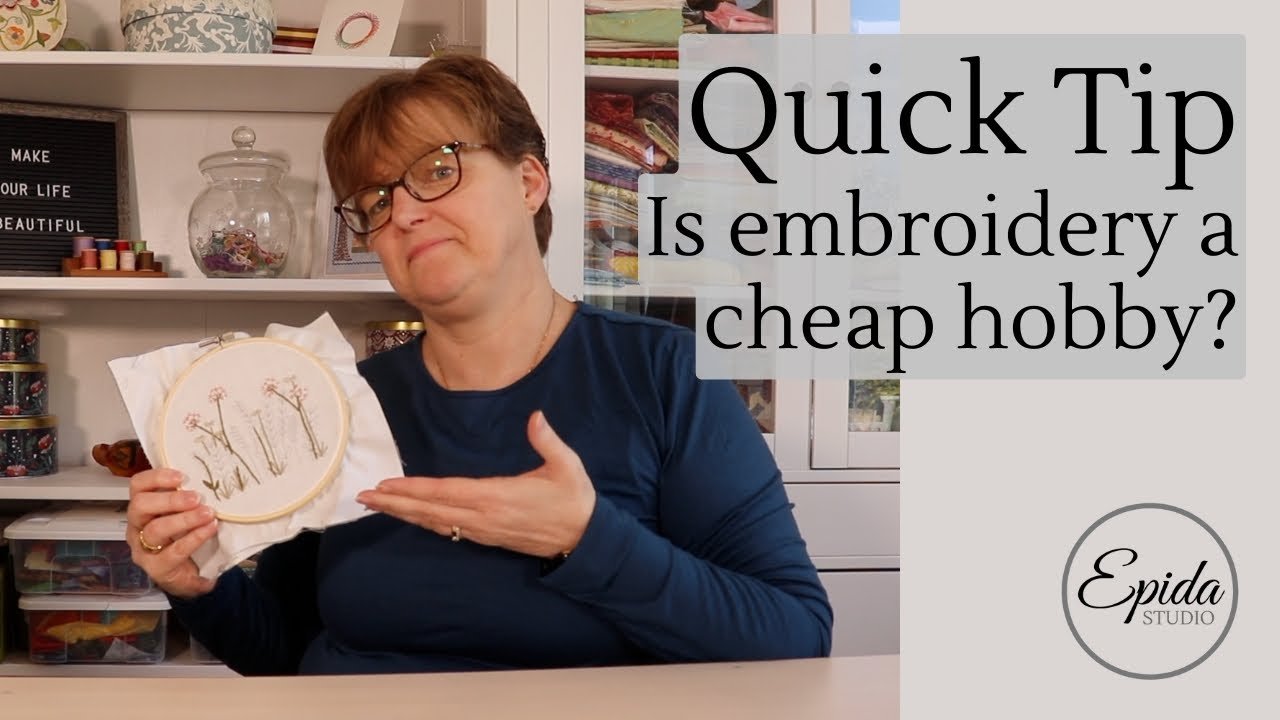
Yes, embroidery is a cheap hobby for beginners because you only need a few basic supplies to start. While high-end materials can increase costs, most people spend under $20 to acquire a hoop, needles, thread, and fabric. If you stick to simple patterns and cotton materials, your recurring costs remain very low compared to other creative crafts.
Keeping your embroidery hobby cheap
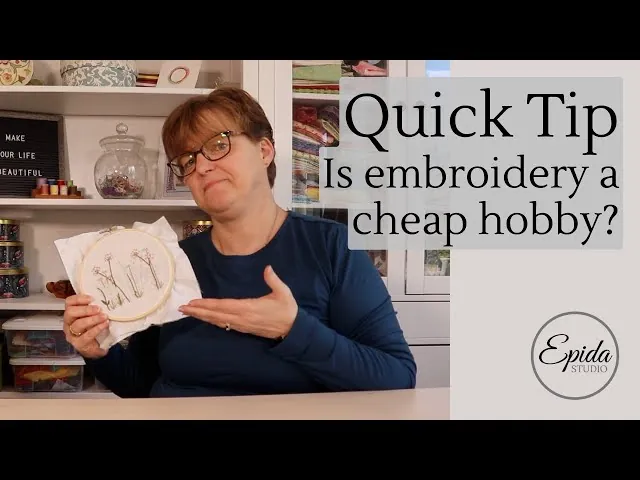
You can begin stitching today without buying expensive kits or specialized equipment. Focus on essential tools that provide the most value for your money.
Buy a wooden embroidery hoop for $3 to $5 to keep your fabric tight. A six-inch hoop is the most versatile size for beginners. Avoid plastic hoops, as they often slip and require constant tightening.
Purchase a multipack of embroidery needles for $2, which lasts for several projects. Look for a pack labeled “assorted sizes” to learn which thickness suits your specific fabric.
Select basic cotton embroidery floss, which typically costs about $0.60 per skein. Use scrap fabric from old cotton shirts or pillowcases to practice your stitches. If the fabric has a high synthetic content, your needle will leave visible, permanent holes. Stick to 100% cotton or linen for the best results.
Print free patterns online instead of buying pre-printed fabric panels. If you’re unsure about thread quality, pull a single strand. If it snaps easily or leaves lint on your fingers, it will fray during your project.
Why Embroidery Remains Affordable
The primary reason this craft stays budget-friendly is the low cost of raw materials. Most projects require only a small amount of thread and a tiny piece of fabric, meaning you get many hours of work from a single purchase. Unlike hobbies that require expensive machines or ongoing subscriptions, embroidery relies on manual tools that last for years if you treat them well.
Another factor is the modular nature of the hobby. You don’t need to buy a complete set of colors at once. You can purchase specific colors for one design and slowly build your collection over time. This approach prevents you from wasting money on supplies you might never use. Because the main tool, the needle, is so inexpensive, you aren’t tied to a single brand or proprietary system that forces you to buy specific refills.
The complexity of your work is the main variable that shifts your costs. If you choose designs with heavy gold-plated threads, silk fabrics, or intricate beadwork, the price rises quickly.
For the average person starting out, the cost is purely determined by the quality of the cotton floss and the type of fabric chosen. You can always check your local craft supply shop’s weekly flyers to see when basic materials go on sale, which often saves you 40% or more on your starter kit.
When Costs Start To Rise

Sometimes the base price of your project changes based on your design choices. The table below shows common situations where expenses increase and how to manage them.
| Situation | What changes | What to do instead |
|---|---|---|
| Buying complex kits | Higher retail price | Source individual materials |
| Using silk thread | Expensive material costs | Use cotton alternatives |
| Professional framing | High labor charges | Frame in your hoop |
| Specialty fabrics | Higher yardage price | Recycle old cotton linens |
| Digital pattern access | Paying for designs | Use public domain patterns |
Most beginners mistake convenience for necessity. When you buy a kit, you pay a 40% premium for the luxury of having pre-sorted supplies. If you source your own materials, you can buy in bulk to drop your per-unit cost significantly.
Check your fabric weight before you commit. If you’re working with delicate silk, you must use a stabilizer or the material will pucker, forcing you to buy more fabric to replace ruined attempts. If the weave is loose, switch to a sturdy cotton blend to save money and time.
If you find yourself spending more than 20% of your total project budget on finishing, stop. Frame the work inside the embroidery hoop itself. This creates a rustic aesthetic while eliminating professional mounting fees entirely.
How To Build Your Embroidery Kit
- Find a wooden embroidery hoop measuring 6 inches in diameter, which is the standard size for most small projects.
- Buy a pack of size 5 or 7 embroidery needles, which work well with standard cotton floss.
- Choose 3 to 5 skeins of primary-colored embroidery floss to practice basic stitches like the backstitch or French knot.
- Cut a 10-inch square of cotton fabric to act as your canvas for learning.
- Search for free, simple line drawings online and trace them onto your fabric using a light source or window.
- Secure your fabric in the hoop, ensuring the grain is straight, and pull it taut to prevent puckering.
- Start stitching by separating your floss into two strands to maintain a clean, professional look.
Mistakes That Ruin Your Budget

Buying cheap, synthetic thread that tangles easily often forces you to throw away half the skein. If the thread snags during your first pass, stop immediately; high-quality polyester or cotton blends should glide through fabric without resistance.
Purchasing an entire set of 100 colors at once leads to wasted money on shades you never use. Buy only the specific hues required for your current pattern. If you’re a beginner, start with a core palette of neutrals and primary colors.
Using needles that are too thick for your fabric creates large, permanent holes. Match your needle gauge to the material weight: use a size 70/10 for lightweight silks and a 90/14 for heavy denim.
Storing thread in a loose pile creates knots that make the material unusable. Invest in a wall-mounted rack or a divided plastic case to prevent fraying.
Related guides
Frequently asked questions
Can I learn embroidery for free?
You can learn embroidery for free by using online video tutorials and public domain patterns. Many libraries offer books on needlework that teach you the basic stitches without requiring a purchase. The only initial cost is the few dollars needed for a needle and a small piece of scrap fabric from your home.
How long does a skein of floss last?
A standard 8-yard skein of embroidery floss lasts for several small projects, depending on how many strands you use. If you use two strands at a time, you get 32 yards of usable thread from one skein. You can check the label on the thread to see the exact length provided by the manufacturer.
Is it safe to use old fabric for embroidery?
It’s safe to use old fabric as long as the material is clean and has a tight, stable weave. Cotton is the best choice for beginners because it holds stitches well and doesn’t stretch too much under tension. Avoid using stretchy knit fabrics until you have more experience, as they can pull and distort your design.
What happens if I buy cheap thread?
Buying cheap, unbranded thread often results in tangling, fraying, and colors that bleed when the piece is washed. These issues force you to restart your work, which costs you more time and causes frustration. High-quality cotton thread is smoother and significantly more durable for long-term projects.
Does it matter which hoop I use?
It matters because a poor-quality hoop may not hold the fabric tight enough, leading to uneven stitches. Wooden hoops are the standard for most crafters, but ensure the tension screw works smoothly before you buy. If the hoop is too loose, your design will look puckered even if your stitches are perfect.
How much should I spend on my first kit?
You should spend no more than $15 to $20 on your first set of basic supplies. This budget covers a hoop, a pack of needles, a few skeins of thread, and a piece of cotton fabric. Any amount higher than this usually includes extra tools you don’t need for your first project.
Conclusion
Embroidering is a low-cost hobby because the barrier to entry is extremely low and the materials are inexpensive. By starting with basic cotton supplies and focusing on learning techniques before buying fancy materials, you can create beautiful work for a very small investment.
{“@context”:”https://schema.org”,”@type”:”FAQPage”,”mainEntity”:[{“@type”:”Question”,”name”:”Can I learn embroidery for free?”,”acceptedAnswer”:{“@type”:”Answer”,”text”:”You can learn embroidery for free by using online video tutorials and public domain patterns. Many libraries offer books on needlework that teach you the basic stitches without requiring a purchase. The only initial cost is the few dollars needed for a needle and a small piece of scrap fabric from your home.”}},{“@type”:”Question”,”name”:”How long does a skein of floss last?”,”acceptedAnswer”:{“@type”:”Answer”,”text”:”A standard 8-yard skein of embroidery floss lasts for several small projects, depending on how many strands you use. If you use two strands at a time, you get 32 yards of usable thread from one skein. You can check the label on the thread to see the exact length provided by the manufacturer.”}},{“@type”:”Question”,”name”:”Is it safe to use old fabric for embroidery?”,”acceptedAnswer”:{“@type”:”Answer”,”text”:”It’s safe to use old fabric as long as the material is clean and has a tight, stable weave. Cotton is the best choice for beginners because it holds stitches well and doesn’t stretch too much under tension. Avoid using stretchy knit fabrics until you have more experience, as they can pull and distort your design.”}},{“@type”:”Question”,”name”:”What happens if I buy cheap thread?”,”acceptedAnswer”:{“@type”:”Answer”,”text”:”Buying cheap, unbranded thread often results in tangling, fraying, and colors that bleed when the piece is washed. These issues force you to restart your work, which costs you more time and causes frustration. High-quality cotton thread is smoother and significantly more durable for long-term projects.”}},{“@type”:”Question”,”name”:”Does it matter which hoop I use?”,”acceptedAnswer”:{“@type”:”Answer”,”text”:”It matters because a poor-quality hoop may not hold the fabric tight enough, leading to uneven stitches. Wooden hoops are the standard for most crafters, but ensure the tension screw works smoothly before you buy. If the hoop is too loose, your design will look puckered even if your stitches are perfect.”}},{“@type”:”Question”,”name”:”How much should I spend on my first kit?”,”acceptedAnswer”:{“@type”:”Answer”,”text”:”You should spend no more than $15 to $20 on your first set of basic supplies. This budget covers a hoop, a pack of needles, a few skeins of thread, and a piece of cotton fabric. Any amount higher than this usually includes extra tools you don’t need for your first project.”}}]}