Sewing Machine Features You Actually Need: The 3 Essentials
The most important sewing machine features you actually need for common projects are a reliable straight stitch, a zigzag stitch, and a simple buttonhole function. These three basics handle almost every repair or garment construction task you’ll face. While modern machines offer hundreds of decorative patterns, you rarely use them for standard work. Focusing on these core functions helps you avoid paying for complex settings that only clutter your workspace and complicate your setup.
Essential sewing machine functions for daily use

Choosing a machine often feels overwhelming because of the many options available. This table shows the core functions you should prioritize when you buy your next machine.
| Feature Name | Best Use Case | Common Example |
|---|---|---|
| Straight Stitch | Joining fabric pieces | Sewing a hem |
| Zigzag Stitch | Finishing raw edges | Preventing fabric fraying |
| Buttonhole | Making garment closures | Adding shirt buttons |
| Backstitch | Securing seam ends | Locking a stitch |
| Adjustable Tension | Balancing stitch strength | Sewing thick denim |
The straight stitch and backstitch
A quality straight stitch is the foundation of every project you’ll ever complete. It works for everything from quilting to clothing, provided the machine maintains an even length. You need a backstitch lever or button to lock your threads at the start and end of every seam. If you don’t lock your stitches, your seams may be prone to unraveling over time.
- Consistent stitch length keeps your seams flat.
- Backstitching prevents the thread from pulling out.
- Adjustable needle position allows for precise topstitching.
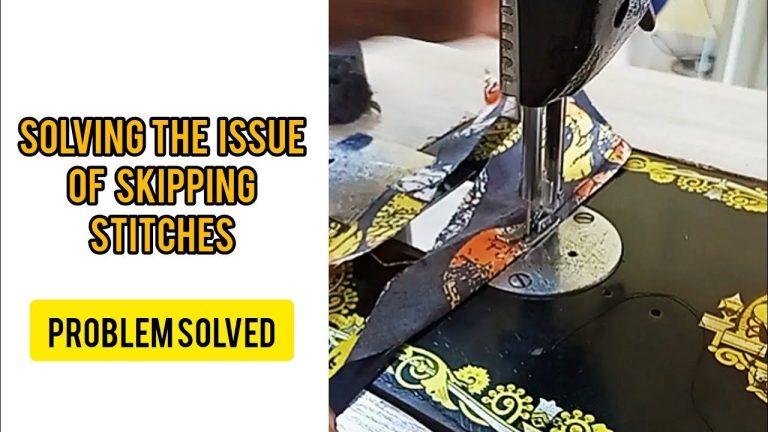
Test this by sewing two pieces of cotton fabric together. If the machine skips stitches or creates loops on the bottom, the tension is likely off. You should check the manual for the specific dial setting, as the Consumer Product Safety Commission notes that proper maintenance and setup are vital for keeping your machine safe and functional.
The zigzag stitch for durability
The zigzag stitch is essential for finishing the raw edges of your fabric to stop them from fraying. A basic machine should allow you to change both the width and the length of this stitch. If your machine only has one fixed zigzag width, you’ll struggle to finish different fabric weights.
- Wide settings work best for heavy fabrics like canvas.
- Narrow settings are ideal for lightweight knits.
- Zigzag stitches allow fabric to stretch without snapping the thread.
If you’re sewing stretchy jersey fabric, use a narrow zigzag instead of a straight stitch. This gives the seam enough “give” to prevent the thread from breaking when you move. This isn’t for people who only sew stiff, non-stretch materials, as those projects rarely require the flexibility that a zigzag stitch provides for the seams.
The buttonhole function
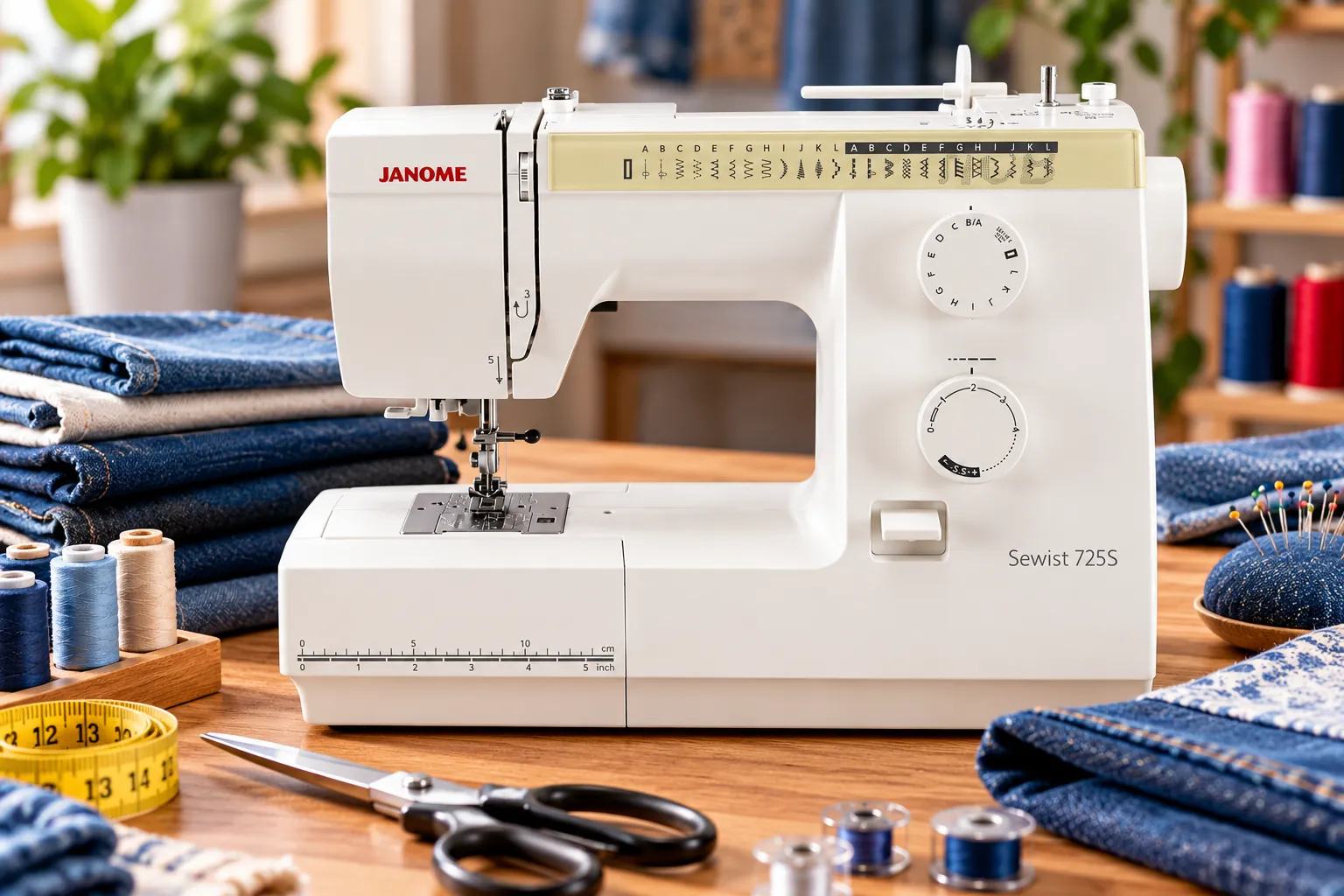
An automatic or semi-automatic buttonhole function saves significant time compared to sewing them by hand. Most modern machines use a special foot that measures the button size for you. You simply place the button in the foot, and the machine stops once it reaches the correct length.
- Automatic one-step buttonholes provide clean, uniform results.
- Four-step buttonholes require you to turn a dial for each side.
- Reinforced bar-tacks at the ends prevent the hole from stretching.
A common mistake is forgetting to lower the buttonhole lever before starting. If you leave it up, the machine will continue sewing in place and create a tangled mess of thread. This costs you time and wasted fabric. Always verify the lever is down before you press the foot pedal to start your first buttonhole.
Adjustable tension and pressure
Adjustable tension is a feature that varies for every fabric type and thread weight. You can read your own machine’s ideal tension range on the top dial, usually marked between 3 and 5 for standard sewing. If your stitches look loose on the bottom, increase the tension; if the fabric puckers, decrease it.
- Tension dials control how much thread pulls from the spool.
- Presser foot pressure helps feed thick layers evenly.
- Drop-feed options allow you to move fabric manually for quilting.
If you sew very thick layers, like denim or upholstery, you need to adjust the pressure. If the machine fails to pull the fabric through, don’t force it. Pushing the fabric yourself will break the needle or damage the internal timing. Instead, stop and adjust the foot pressure or use a walking foot attachment to help the feed dogs move the material properly.
Other useful machine capabilities
- Free arm: This allows you to slide narrow items like sleeves or pant legs over the machine bed for easy circular sewing.
- Variable speed control: This limits the maximum speed of the motor, which is helpful if you’re new to sewing and want more control.
- Needle threader: This tiny hook saves your eyesight and time by pulling the thread through the needle eye automatically for you.
How to choose sewing machine features you actually need

You should choose a machine based on the fabrics you plan to use most often. If you primarily sew home decor, look for a machine with a powerful motor and metal internal parts to handle heavy weight. If you prefer clothing, look for a machine that offers reliable stretch stitches and an easy buttonhole system.
If you’re a beginner, pick a mechanical machine with simple dials rather than a digital one. Mechanical machines are easier to troubleshoot because the settings are visible and tactile. You can combine these features in one machine; you don’t need to buy separate units for different tasks. Picking one high-quality machine with these core features is better than buying a cheaper model that lacks the power to handle thick seams.
Frequently Asked Questions
Does it matter if the machine is digital or mechanical?
The performance is similar, but mechanical machines are easier to repair if they break. Digital machines offer more convenience with pre-set patterns, but they often require professional help if the circuit board fails. If you prefer simplicity, a mechanical machine is the better choice for your long-term needs.
Can I sew leather with a standard machine?
You can sew thin leather on a standard machine, but you must use a specific leather needle and a longer stitch length. Standard needles will skip stitches or tear the material. Always test your settings on a scrap piece of leather before you start your actual project to avoid ruining the piece.
How long should a sewing machine last?
A well-maintained machine can last for a long time if you clean the lint from the bobbin area regularly.
Is it safe to leave the machine plugged in?
It’s safest to unplug your machine every time you finish sewing or walk away from your workspace. A machine left plugged in can be a hazard if a pet or child accidentally hits the foot pedal. Unplugging it also protects the internal electronics from power surges when you aren’t using it.
What happens if the bobbin thread bunches up?
The bobbin thread usually bunches up because the top thread wasn’t threaded through the tension discs correctly. Re-thread the entire top portion of the machine and ensure the presser foot is down while you do it. If the problem continues, remove the bobbin case and clear out any stray threads or dust.
How do I know if my needle is dull?
You know your needle is dull if you hear a popping sound as it pierces the fabric or if you see skipped stitches. A dull needle will also pull threads and cause small holes in your fabric. Replace your needle after every 8 to 10 hours of sewing time to maintain the best stitch quality.
Conclusion
Start by testing your machine on a scrap of the exact fabric you intend to use for your project. You should see a clean, even stitch on both the top and bottom of the cloth. If you see loops or jagged edges, stop immediately and check your tension settings; continuing with a bad stitch will only damage your fabric and cause frustration.
{“@context”:”https://schema.org”,”@type”:”FAQPage”,”mainEntity”:[{“@type”:”Question”,”name”:”Does it matter if the machine is digital or mechanical?”,”acceptedAnswer”:{“@type”:”Answer”,”text”:”The performance is similar, but mechanical machines are easier to repair if they break. Digital machines offer more convenience with pre-set patterns, but they often require professional help if the circuit board fails. If you prefer simplicity, a mechanical machine is the better choice for your long-term needs.”}},{“@type”:”Question”,”name”:”Can I sew leather with a standard machine?”,”acceptedAnswer”:{“@type”:”Answer”,”text”:”You can sew thin leather on a standard machine, but you must use a specific leather needle and a longer stitch length. Standard needles will skip stitches or tear the material. Always test your settings on a scrap piece of leather before you start your actual project to avoid ruining the piece.”}},{“@type”:”Question”,”name”:”How long should a sewing machine last?”,”acceptedAnswer”:{“@type”:”Answer”,”text”:”A well-maintained machine can last for a long time if you clean the lint from the bobbin area regularly.”}},{“@type”:”Question”,”name”:”Is it safe to leave the machine plugged in?”,”acceptedAnswer”:{“@type”:”Answer”,”text”:”It’s safest to unplug your machine every time you finish sewing or walk away from your workspace. A machine left plugged in can be a hazard if a pet or child accidentally hits the foot pedal. Unplugging it also protects the internal electronics from power surges when you aren’t using it.”}},{“@type”:”Question”,”name”:”What happens if the bobbin thread bunches up?”,”acceptedAnswer”:{“@type”:”Answer”,”text”:”The bobbin thread usually bunches up because the top thread wasn’t threaded through the tension discs correctly. Re-thread the entire top portion of the machine and ensure the presser foot is down while you do it. If the problem continues, remove the bobbin case and clear out any stray threads or dust.”}},{“@type”:”Question”,”name”:”How do I know if my needle is dull?”,”acceptedAnswer”:{“@type”:”Answer”,”text”:”You know your needle is dull if you hear a popping sound as it pierces the fabric or if you see skipped stitches. A dull needle will also pull threads and cause small holes in your fabric. Replace your needle after every 8 to 10 hours of sewing time to maintain the best stitch quality.”}}]}