Best Needle for Stretch Fabric: Choosing Ballpoint or Stretch
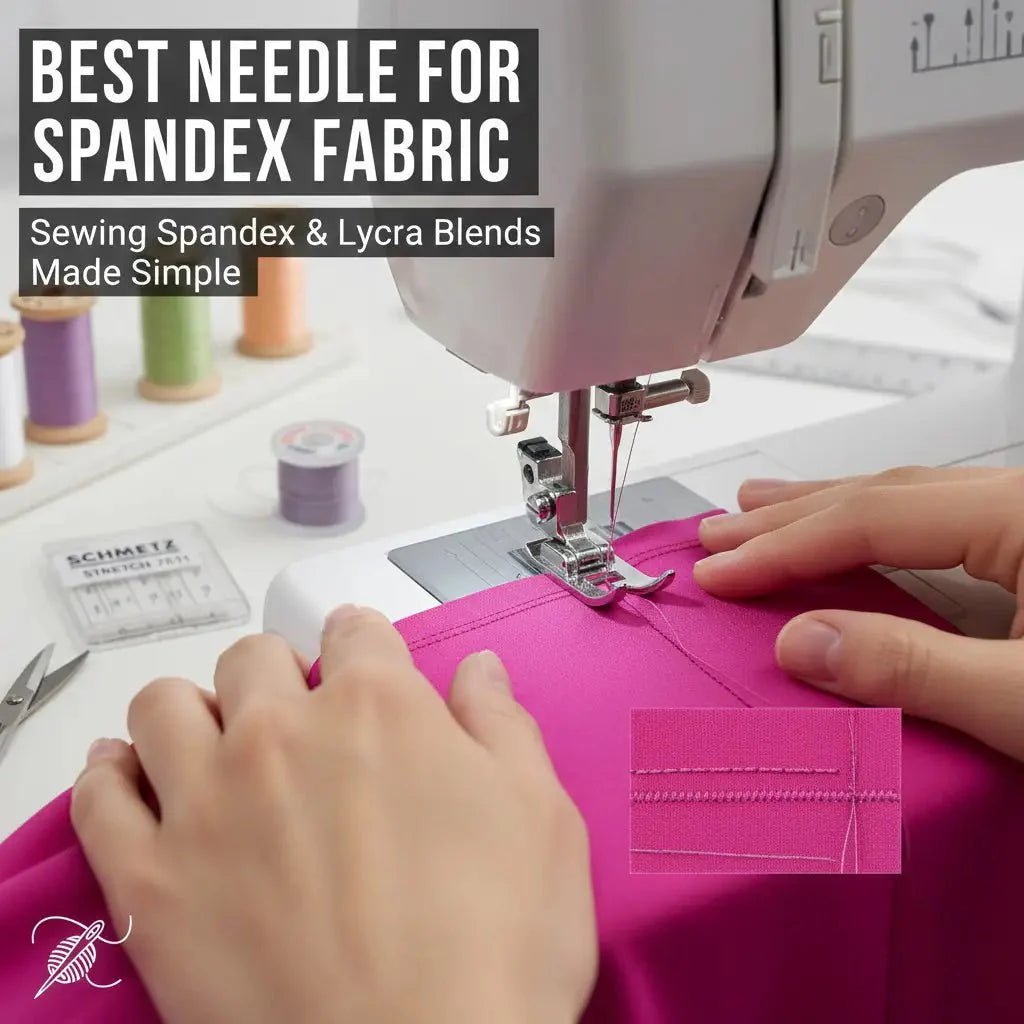
A ballpoint needle is the best needle for stretch fabric because its rounded tip pushes fibers aside rather than piercing them. This prevents holes and snags in delicate knits like jersey or spandex. If you’re sewing a very thin, high-stretch material, you should use a stretch needle instead, which has a special eye design to stop skipped stitches.
The best needle for stretch fabric
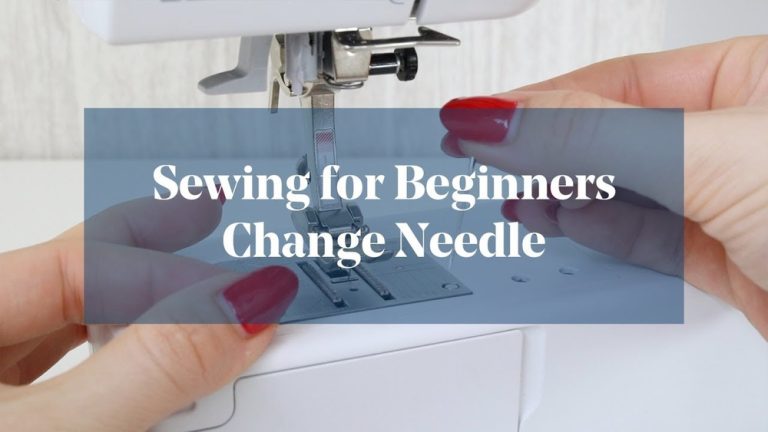
How to change a sewing machine needle takes about two minutes of preparation once you have your supplies ready. The cost is low, as a single needle usually sells for less than a dollar, though they’re often sold in packs. You must have the correct machine manual to confirm the shank type your machine requires, as using the wrong shank can damage the needle plate. Check the packaging of your specific sewing machine for the manufacturer’s needle system requirements.
What you need
| Item | How much | Why it’s needed | A substitute |
|---|---|---|---|
| Ballpoint needle | 1 piece | Prevents fabric fiber damage | None — don’t swap this |
| Stretch needle | 1 piece | Stops skipped stitches | None — don’t swap this |
| Scrap fabric | 10 cm square | Test tension and skip | None — don’t swap this |
| Sharp scissors | 1 pair | Clean thread cutting | Utility shears |
| Sewing machine | 1 unit | Stitches the material | None — don’t swap this |
Before you start
- Turn off your sewing machine and unplug it from the wall to prevent accidental movement while you change the needle.
- Clear your workspace to ensure you have enough room to lay the fabric flat without pulling or stretching it during the process.
- Check the needle shank for the manufacturer’s stamp to confirm it’s the correct type for your machine model.
- Remove the old needle by loosening the thumb screw on the needle bar and pulling the needle straight down.
- Always use a fresh needle, as dull points are the most common cause of skipped stitches on knit materials.
If your machine uses a proprietary needle system, don’t force a standard flat-shank needle into the holder, as this can damage the internal timing.
Step by step
- Insert the new ballpoint or stretch needle into the needle bar with the flat side facing the back of the machine.
- Push the needle up as far as it will go into the holder to ensure it’s seated correctly.
- Tighten the needle clamp screw firmly using a small screwdriver or your fingers, depending on your machine’s design.
- Lower the presser foot to its down position and thread the machine as you usually would.
- Place a 15-centimeter piece of your stretch fabric under the presser foot to test the alignment.
- Sew at a slow, consistent speed for 10 centimeters to observe how the needle interacts with the knit structure.
- Inspect the underside of the fabric to ensure the bobbin thread and needle thread are locking together perfectly.
- Adjust the stitch length to 2.5 millimeters if you notice the fabric is pulling or bunching under the needle.
How to know it worked

Success is visible when the stitches are smooth and consistent on both sides of the fabric. You should see no skipped stitches when you pull the material gently in the direction of the stretch. If you see small holes or runs appearing near the seam line, the needle may be too large for the fabric weight; try moving to a smaller size, such as a 70/10 or 80/12. A properly functioning needle will slide through the layers without making a loud “thumping” sound as it pierces the material. If the machine makes a clicking noise, stop immediately and re-seat the needle. If the thread continues to loop on the bottom, the needle might be bent or installed slightly crooked. A second round of testing with a new needle is necessary if the issue persists, as a single damaged needle can ruin an entire garment project.
If something goes wrong
| What happened | Why | What to do |
|---|---|---|
| Skipped stitches | Needle is dull | Replace with new needle |
| Fabric holes | Needle too large | Use smaller size needle |
| Thread breaking | Tension too tight | Lower the top tension |
| Bunching fabric | Presser foot pressure | Reduce the foot pressure |
| Needle snapping | Incorrect installation | Re-seat and tighten screw |
How often to do this
You should replace the needle after every 8 to 10 hours of active sewing time. This frequency changes based on the density of the fabric and the quality of the thread you use. If you’re sewing heavy-duty stretch denim or thick double-knit fabrics, the needle tip will dull faster, and you may need to swap it every 5 hours. Conversely, if you’re working with lightweight, silky jersey, the needle can last longer. The most common mistake is waiting until the needle breaks before changing it. A dull needle creates invisible damage to the fabric fibers, which leads to holes appearing after the garment is washed. Always keep a few spare needles on hand so you’re never tempted to continue sewing with a compromised point.
Frequently asked questions

Can I use a universal needle for stretch fabric?
No, a universal needle has a sharp point that’s designed to pierce woven fabrics, which will likely cut the fibers of a knit. This causes small holes to appear along your seam line. Always use a ballpoint or stretch-specific needle to ensure the fibers are pushed aside rather than severed, which keeps the integrity of your stretch fabric intact.
How do I know which needle size to choose?
Choose the size based on the weight of your fabric, where a 70/10 is for lightweight knits and an 80/12 or 90/14 is for heavier fabrics. You can find the recommended size on the back of the needle packaging or by testing on a scrap piece. The goal is to use the smallest needle that can safely carry your thread through the fabric layers.
Is it safe to use a stretch needle on all fabrics?
No, a stretch needle is specifically designed for high-elasticity fabrics like spandex or lycra and may not perform well on standard woven cotton. If you use it on non-stretch materials, you might experience skipped stitches or uneven seams. Stick to a ballpoint needle for standard jerseys and reserve the stretch needle for materials with very high recovery.
What happens if I sew with a dull needle?
A dull needle will snag the fibers of your fabric, causing visible runs and holes that can’t be repaired. It also forces the machine to work harder, which can lead to skipped stitches or thread breakage. If you notice your machine making a louder sound than usual when piercing the fabric, it’s a sign that your needle is dull.
Does it matter if I use a ballpoint or a stretch needle?
Yes, it matters because they have different tip shapes and eye designs to handle different levels of fabric elasticity. A ballpoint needle is better for standard knits, while a stretch needle has a deeper scarf to prevent skipped stitches on high-stretch synthetics. If your seams look uneven, switching from a ballpoint to a stretch needle often solves the problem immediately.
Final Thoughts
Choosing the right tool makes your project feel much smoother and more professional. Before you start your next garment, grab a scrap piece of fabric to test your stitch quality. You’ll find that a little extra patience during this setup phase keeps your seams looking neat and feeling comfortable for years.
{“@context”:”https://schema.org”,”@type”:”FAQPage”,”mainEntity”:[{“@type”:”Question”,”name”:”Can I use a universal needle for stretch fabric?”,”acceptedAnswer”:{“@type”:”Answer”,”text”:”No, a universal needle has a sharp point that’s designed to pierce woven fabrics, which will likely cut the fibers of a knit. This causes small holes to appear along your seam line. Always use a ballpoint or stretch-specific needle to ensure the fibers are pushed aside rather than severed, which keeps the integrity of your stretch fabric intact.”}},{“@type”:”Question”,”name”:”How do I know which needle size to choose?”,”acceptedAnswer”:{“@type”:”Answer”,”text”:”Choose the size based on the weight of your fabric, where a 70/10 is for lightweight knits and an 80/12 or 90/14 is for heavier fabrics. You can find the recommended size on the back of the needle packaging or by testing on a scrap piece. The goal is to use the smallest needle that can safely carry your thread through the fabric layers.”}},{“@type”:”Question”,”name”:”Is it safe to use a stretch needle on all fabrics?”,”acceptedAnswer”:{“@type”:”Answer”,”text”:”No, a stretch needle is specifically designed for high-elasticity fabrics like spandex or lycra and may not perform well on standard woven cotton. If you use it on non-stretch materials, you might experience skipped stitches or uneven seams. Stick to a ballpoint needle for standard jerseys and reserve the stretch needle for materials with very high recovery.”}},{“@type”:”Question”,”name”:”What happens if I sew with a dull needle?”,”acceptedAnswer”:{“@type”:”Answer”,”text”:”A dull needle will snag the fibers of your fabric, causing visible runs and holes that can’t be repaired. It also forces the machine to work harder, which can lead to skipped stitches or thread breakage. If you notice your machine making a louder sound than usual when piercing the fabric, it’s a sign that your needle is dull.”}},{“@type”:”Question”,”name”:”Does it matter if I use a ballpoint or a stretch needle?”,”acceptedAnswer”:{“@type”:”Answer”,”text”:”Yes, it matters because they have different tip shapes and eye designs to handle different levels of fabric elasticity. A ballpoint needle is better for standard knits, while a stretch needle has a deeper scarf to prevent skipped stitches on high-stretch synthetics. If your seams look uneven, switching from a ballpoint to a stretch needle often solves the problem immediately.”}}]}