Best Quilting Sewing Machine on a Budget: Our Top Pick
The Brother CS6000i is the best quilting sewing machine on a budget because it combines a wide extension table with reliable stitch consistency at a lower entry price. If you require more advanced features like automatic thread cutting, you should look at mid-range computerized models instead. This machine offers enough space for small to medium quilts, though it lacks the deep throat space found in professional long-arm units. Always verify your specific model’s throat dimensions on the manufacturer’s site, as these vary by model — check the label.
Finding the best quilting sewing machine on a budget
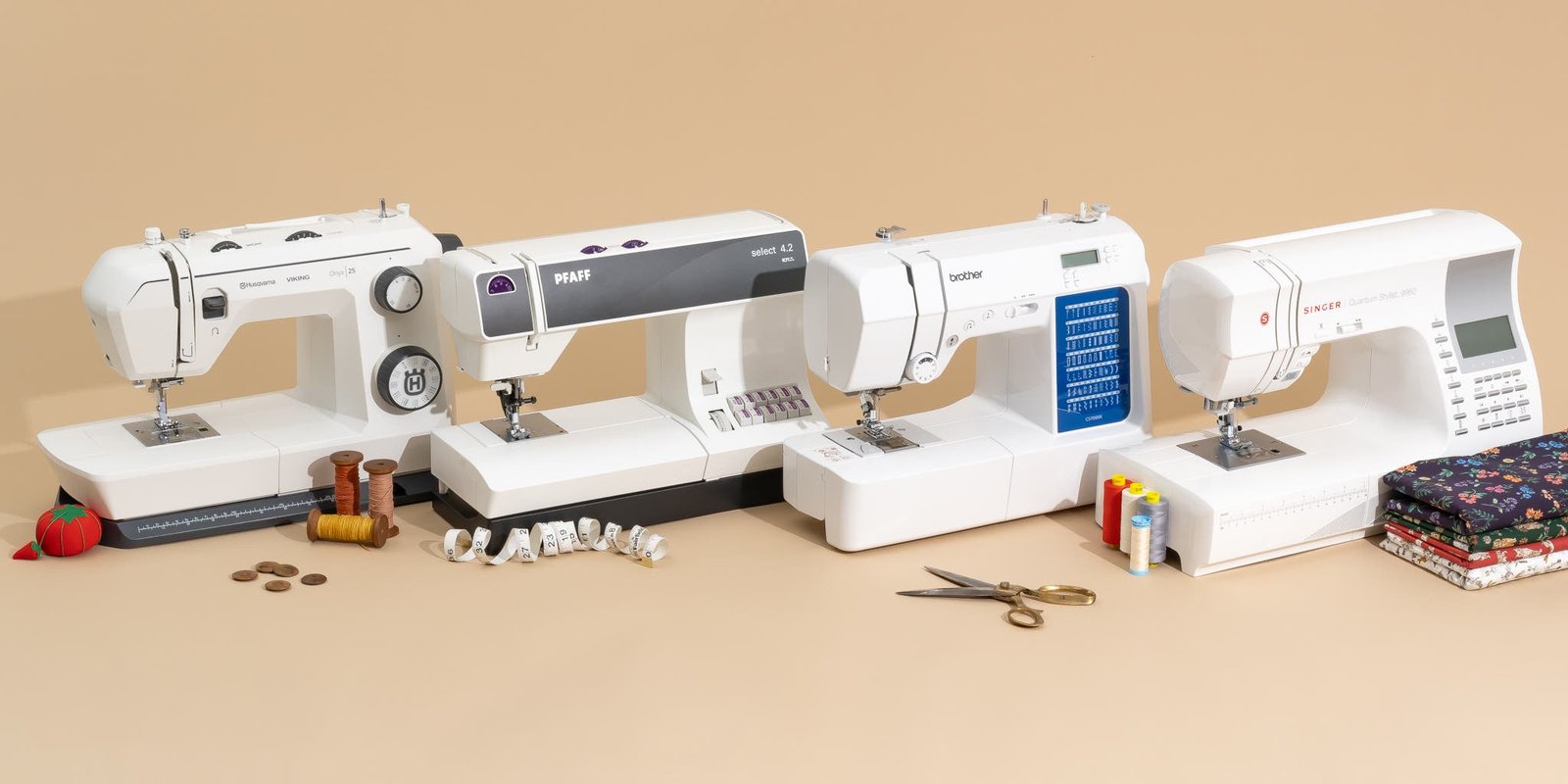
Choosing the right machine depends on how much you prioritize automation versus manual control during your quilt construction.
If you’re a beginner, the computerized option offers the best balance of ease and features. The mechanical machines are often more durable, but they lack the speed control and needle-stop position settings that simplify the quilting process. If you find a used industrial machine, ensure it has been serviced by a professional; if it hasn’t, you risk costly repairs that exceed the price of a new home machine.
Mechanical stitch simplicity
Mechanical machines rely on physical dials to select stitch length and width. To use one for quilting, follow these steps:
- Set your stitch length to 2.5 millimeters for standard piecing.
- Attach a walking foot, which helps feed multiple fabric layers evenly through the needle.
- Adjust the tension dial to the standard middle setting, testing on scrap fabric first.
- Use the handwheel to manually position the needle before starting your first stitch.
These machines are excellent for beginners because they’re easy to repair and have fewer electronic parts to fail. However, they aren’t ideal for complex decorative quilting as they lack the computerized memory to store patterns.
Computerized quilting automation
Computerized machines use a digital screen to manage settings. They allow for precise control over the quilting process:
- Select the “straight stitch” setting on the digital interface.
- Activate the “needle down” function, which keeps the needle in the fabric when you stop.
- Adjust your speed slider to the slowest setting to ensure better control on tight curves.
- Use the automatic backstitch button to lock your seams securely without manual intervention.
These machines are perfect for quilters who want consistent results. The main weakness is their sensitivity to electrical surges. Always use a surge protector to avoid damaging the internal motherboard.
Used industrial heavy-duty units
Industrial units are built for high-speed operation and longevity. If you choose this path, follow these steps:
- Clean the bobbin case thoroughly to remove lint buildup from previous users.
- Oil the machine at the designated points marked in red on the casing.
- Install a high-quality sewing machine needle suited for thick batting.
- Test the tension by running a double layer of cotton quilt fabric.
The strength of these machines is their ability to sew through extremely thick layers of batting and backing without skipping. The downside is the lack of a reverse stitch or zigzag capability on many dedicated straight-stitch industrial models. This makes them a poor choice for someone who needs to do general sewing or decorative work alongside their quilting.
Which one should you use?
If you’re in a hurry to finish your first project, choose the computerized machine. Its automated features, like the automatic needle threader and the needle-stop position, save significant time during repetitive piecing.
If you’re doing this for the first time, choose the mechanical machine. It forces you to learn the fundamentals of tension and fabric handling without the distraction of complex menus. You’ll understand the mechanics of the stitch better, which makes moving to a more advanced machine later much easier.
If you want the best possible result whatever it takes, choose a computerized model with an extended throat space. The added room allows you to manipulate the quilt sandwich with less bunching, which leads to fewer puckers and a flatter finish. The trade-off is that these machines are more expensive and require more careful handling of the electronic interface. If you find your stitches are skipping, it’s almost always a needle issue; replace your needle with a new one designed specifically for quilting before adjusting your machine’s settings.
The rules that apply whichever way you choose
Regardless of the machine, you must follow basic safety and maintenance standards. Always unplug the machine before changing the needle or cleaning the bobbin area. You should also check the machine’s manual for the recommended maintenance schedule, as failing to remove lint can cause the feed dogs to jam.
Before you begin a project, ensure you have a dedicated quilting foot. A walking foot is the most important tool you can own, as it prevents the top and bottom layers of your quilt from shifting. If you notice your stitches are uneven, check that your presser foot pressure is set correctly for the thickness of your batting.
If you’re working with large quilts, consider setting up your machine on a flat, stable table. The weight of the quilt can drag the fabric off the table, causing the needle to bend or the seam to pull. If you need to make structural adjustments or replace internal parts, this is technician-only work; never attempt to bypass safety interlocks or open the main housing. If you’re unsure about a repair, contact the manufacturer’s support line for a list of authorized service centers in your area.
Frequently asked questions
Can I use a regular sewing machine for quilting?
Yes, you can use any machine that offers a straight stitch, though you’ll need to add a walking foot to manage the quilt layers.
How long does a budget quilting machine last?
This varies by model — check the label for the expected duty cycle, but most entry-level machines last five to ten years with regular maintenance.
Is it safe to leave a sewing machine plugged in?
No, you should always unplug your machine when you aren’t actively using it to prevent electrical fire risks.
What happens if I don’t use a walking foot?
Your quilt layers will likely shift and cause puckers or tucks in the backing fabric while you sew.
How often should I clean my sewing machine?
You should remove the lint from the bobbin area regularly according to your machine’s manual.
Why is my needle breaking during quilting?
The most common cause is using a needle that’s too thin for the thickness of your quilt sandwich.
Can I quilt thick batting with a budget machine?
Yes, but you must move slowly and use a size 90/14 or 100/16 needle to handle the thickness properly.
Final Thoughts
Choosing the right tool is just the start of your creative journey. Once you’ve picked your machine, head to a local fabric shop to feel different cotton weights in person. You’ll find that getting comfortable with your new setup makes every project feel like a joy rather than a chore.
{“@context”:”https://schema.org”,”@type”:”FAQPage”,”mainEntity”:[{“@type”:”Question”,”name”:”Can I use a regular sewing machine for quilting?”,”acceptedAnswer”:{“@type”:”Answer”,”text”:”Yes, you can use any machine that offers a straight stitch, though you’ll need to add a walking foot to manage the quilt layers.”}},{“@type”:”Question”,”name”:”How long does a budget quilting machine last?”,”acceptedAnswer”:{“@type”:”Answer”,”text”:”This varies by model — check the label for the expected duty cycle, but most entry-level machines last five to ten years with regular maintenance.”}},{“@type”:”Question”,”name”:”Is it safe to leave a sewing machine plugged in?”,”acceptedAnswer”:{“@type”:”Answer”,”text”:”No, you should always unplug your machine when you aren’t actively using it to prevent electrical fire risks.”}},{“@type”:”Question”,”name”:”What happens if I don’t use a walking foot?”,”acceptedAnswer”:{“@type”:”Answer”,”text”:”Your quilt layers will likely shift and cause puckers or tucks in the backing fabric while you sew.”}},{“@type”:”Question”,”name”:”How often should I clean my sewing machine?”,”acceptedAnswer”:{“@type”:”Answer”,”text”:”You should remove the lint from the bobbin area regularly according to your machine’s manual.”}},{“@type”:”Question”,”name”:”Why is my needle breaking during quilting?”,”acceptedAnswer”:{“@type”:”Answer”,”text”:”The most common cause is using a needle that’s too thin for the thickness of your quilt sandwich.”}},{“@type”:”Question”,”name”:”Can I quilt thick batting with a budget machine?”,”acceptedAnswer”:{“@type”:”Answer”,”text”:”Yes, but you must move slowly and use a size 90/14 or 100/16 needle to handle the thickness properly.”}}]}