How Much Should I Pay for a Decent Sewing Machine?
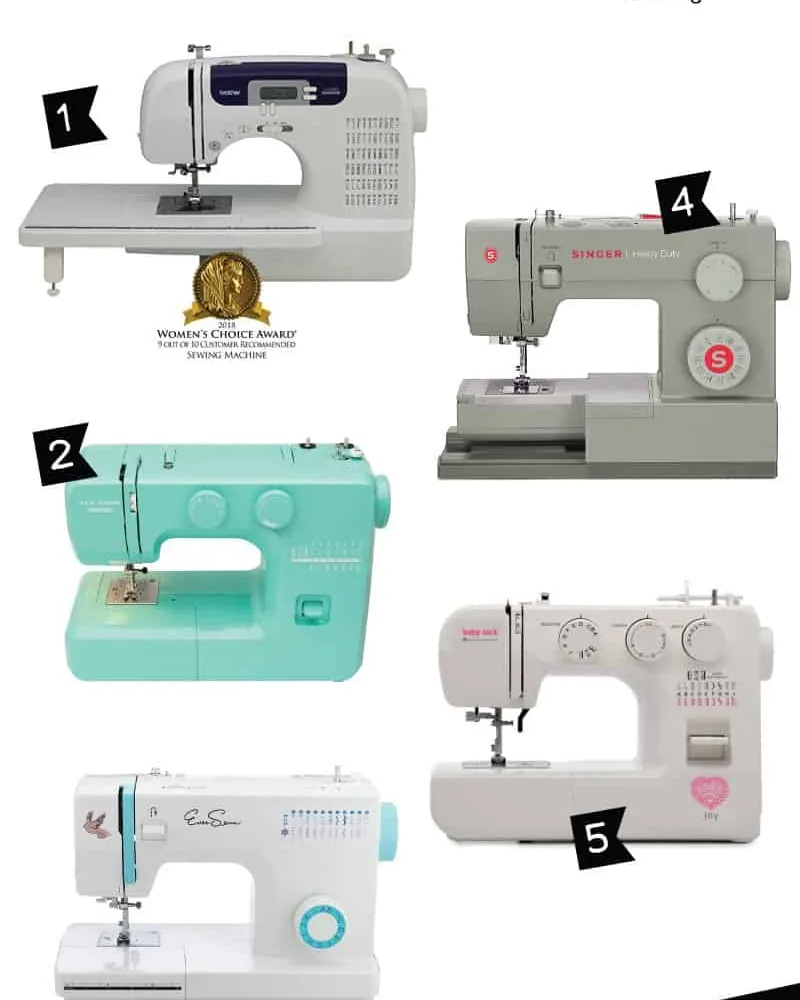
You should pay between $150 and $400 for a decent new sewing machine that handles everyday sewing well. Below about $100, machines are usually flimsy and frustrating; above $600, you’re paying for features like embroidery or quilting that a beginner doesn’t need yet. The final amount depends on what you plan to sew and how often.
What a decent sewing machine should cost
- Basic mechanical machine: $100–$250. Fine for mending, hemming, and simple projects a few times a month.
- Solid computerized machine: $250–$600. The sweet spot for most home sewers — more stitches, automatic buttonholes, easier tension.
- Quilting or embroidery machines: $600–$2,000+. Only worth it if you already know you’ll do that work.
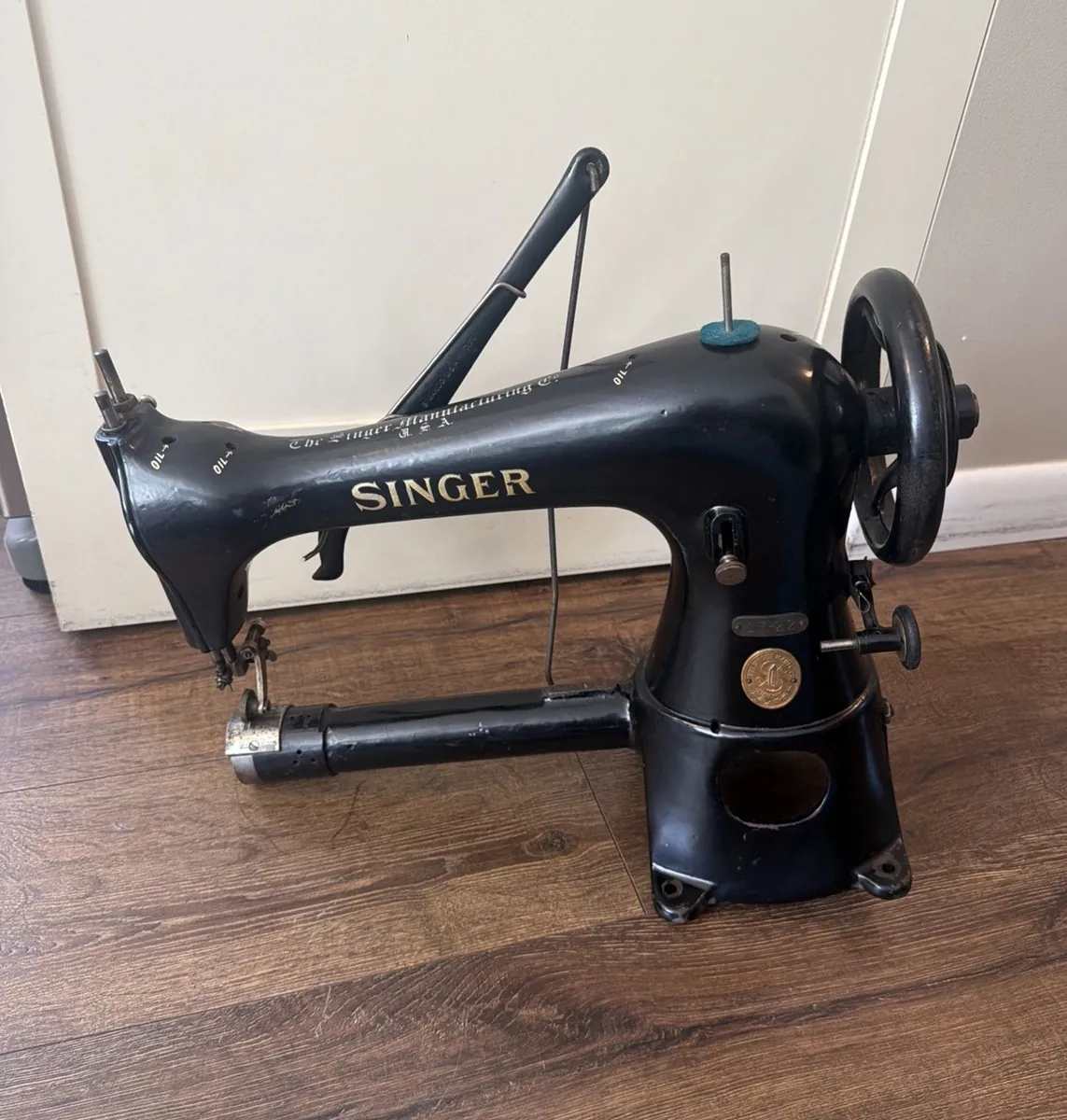
- Used or refurbished: $50–$200. Older metal-bodied machines from Singer, Janome, or Bernina often outlast new budget models.
- Skip anything under $80 new. Plastic gears and weak motors cost more in frustration than they save.
- Budget an extra $30–$60 for needles, thread, bobbins, and a basic tool kit in year one.
Why the price gap is so big
The price mostly buys the motor, the frame, and the feed system — the three parts you can’t cheaply upgrade later. A $150 machine and a $500 machine can offer the same stitch count on the box, but the cheaper one often has a plastic frame that vibrates, a motor that slows down through thick fabric, and feed dogs that struggle with slippery material.
You’re also paying for repairability. Brands like Janome, Juki, and Bernina sell machines that local repair shops can service for years, because they keep parts and publish manuals. Many sub-$100 machines are effectively disposable: when the timing slips or the motor dies, the repair costs more than a new machine. That’s the trade-off in one line — a cheap machine is cheap to replace, a mid-price machine is cheap to keep.
Check any machine’s own documentation before you buy: the manual and the manufacturer’s site tell you which parts are metal, what the warranty actually covers (most run 25 years on the casting but only 1–2 years on electrical parts), and whether an authorized repair shop exists near you. Singer, for example, lists its full sewing machine range and manuals on its official site, so you can compare specs without a store’s sales pitch.
When the simple answer is wrong
The $150–$400 range assumes a general-purpose home sewer. Several situations change the number completely.
| Situation | What changes | What to do instead |
|---|---|---|
| You only mend clothes a few times a year | You don’t need $400 of machine | Buy used for $50–$150, or a basic new model |
| You want to quilt large blankets | Throat space and power matter most | Budget $600+ for a quilting model |
| You want embroidery designs | Embroidery units add real cost | Budget $700–$1,500, or use a local embroidery service |
| A child under 12 is learning | Speed control and safety matter more than stitches | A simple $100–$150 machine with a speed limiter |
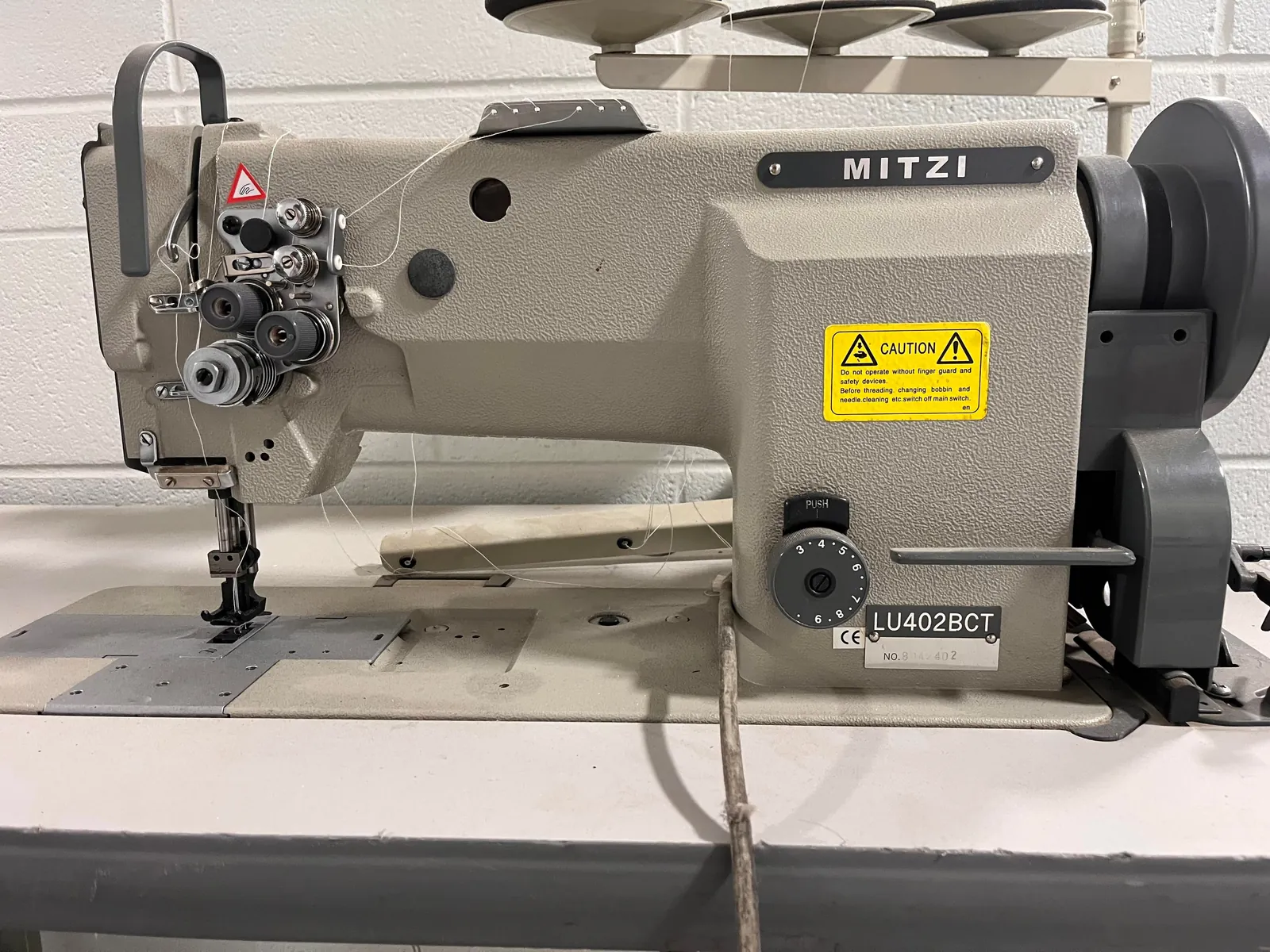
| You sew heavy denim or canvas daily | Plastic gears won’t survive | Look at Juki or industrial-style machines, $400–$800 |
| You’ll use it twice a year | Even $150 is wasted money | Borrow one, or use a maker space or sewing café |
How to choose and buy one
Take this list with you, whether you’re shopping online or in a store. It turns “which one?” Into a series of checks.
- Write down what you’ll sew in the next year — garments, mending, quilting, or crafts. This single sentence decides your price band before you look at a single model.
- Set your budget at the band’s midpoint. If you’ve settled on the $150–$400 range, aim for $250–$300; stretch only for a feature you can name.
- Shortlist three models from Singer, Brother, Janome, or Juki in that band, and read the manufacturer’s spec sheet — not store listings — for the stitch count, presser-foot options, and warranty terms.
- Check the buttonhole style. A one-step automatic buttonhole is the feature beginners actually feel the difference from; a four-step manual one needs practice and patience.
- Test the machine if you can. Sew a straight line on two layers of cotton, then a zigzag, then a buttonhole. A good machine does all three without you fighting the fabric.
- Buy from a dealer that services what it sells when the price is within about 15% of the online price. Free lessons and a local repair shop are worth that difference.
- Register the warranty the week you buy it. Most brands give 25 years on the frame but far less on motors and electronics, and registration usually starts the clock.
- Keep the receipt and the manual together. You’ll need both for any warranty claim, and the manual is the first thing you’ll reach for when a stitch goes wrong.
Mistakes that cost you money
- Buying the 100-stitch machine over the 25-stitch one. You’ll use five stitches, ever. The extra stitches often come out of the motor and frame budget.
- Chasing the lowest price online from a non-authorized seller. Some manufacturers void the warranty when the machine wasn’t bought from an authorized dealer — check the brand’s site before checkout.
- Buying a machine for a hobby you haven’t started. The $900 embroidery machine that sews twice a year is the most expensive sewing you’ll ever do.
- Skipping the test sew. A machine that sounds fine in the box can still skip stitches on anything thicker than cotton, and you won’t know until your first denim project.
- Forgetting accessories in the budget. Needles, thread, bobbins, and feet add $30–$60 in the first month; a machine bought with your last $300 sits unused without them.
Frequently asked questions
Is a $100 sewing machine good enough?
It’s good enough for light mending and occasional simple projects, but not much more. Under about $100, most new machines have plastic gearing and small motors that struggle with denim or multiple layers. If you’ll sew more than a few times a year, put that $100 toward a used mid-range machine instead — you’ll get a better motor and a metal frame for the same money.
How long should a sewing machine last?
A well-made machine lasts 10–25 years with basic care; a budget plastic-bodied one often fails within 3–5 years of regular use. The lifespan depends mostly on how often you sew and whether you can get it serviced. Clean the bobbin area and oil where the manual says to, and even a mid-price machine can outlast the hobby that bought it.
Is it better to buy a used sewing machine?
Often, yes. A used mid-range machine from a known brand gives you a stronger motor and metal parts for $50–$200. The risk is hidden damage — worn feed dogs, slipped timing, a dead motor — and no warranty. Buy used from a dealer that has serviced the machine, or test it yourself first; buying sight-unseen from an online marketplace is where used machines go wrong.
What happens if I buy a cheap machine?
Usually nothing dramatic — you just fight it. Expect tension problems, skipped stitches on thick fabric, and a machine that walks across the table at speed. The real cost is that beginners often blame themselves and quit, when the machine was the problem. If your projects are heavy fabric or frequent use, a cheap machine will cost you a second purchase.
Does stitch count matter when choosing a machine?
Very little. You’ll realistically use a straight stitch, a zigzag, a buttonhole, maybe a stretch stitch, and one decorative stitch. What matters more is stitch quality, the buttonhole style, adjustable presser-foot pressure, and speed control. A 25-stitch machine that sews cleanly beats a 200-stitch machine that skips, every time.
Can I learn on an old machine from a relative?
Yes, and it’s often the best free start you’ll get. Machines from the 1970s–1990s by Singer, Janome, or Bernina are usually metal-bodied and nearly unkillable. Have it serviced once (typically $60–$120 at a local shop) to clean and re-time it, buy a fresh needle, and it will teach you more than a new budget machine ever would.
Is it safe to buy a sewing machine online?
Yes, if you buy from the manufacturer’s own site or an authorized dealer, which also protects the warranty. Check the return window before ordering — you want at least 30 days to test it on real fabric. Avoid unknown marketplace sellers with no returns, because a machine that arrives with a fault may be yours to keep.
Conclusion
Prices move with sales and regions: the same machine can sit at $350 one month and $250 the next. Check the manufacturer’s official site for the current price, then compare two or three dealers — the model matters far more than the day you buy it.
{“@context”:”https://schema.org”,”@type”:”FAQPage”,”mainEntity”:[{“@type”:”Question”,”name”:”Is a $100 sewing machine good enough?”,”acceptedAnswer”:{“@type”:”Answer”,”text”:”It’s good enough for light mending and occasional simple projects, but not much more. Under about $100, most new machines have plastic gearing and small motors that struggle with denim or multiple layers. If you’ll sew more than a few times a year, put that $100 toward a used mid-range machine instead — you’ll get a better motor and a metal frame for the same money.”}},{“@type”:”Question”,”name”:”How long should a sewing machine last?”,”acceptedAnswer”:{“@type”:”Answer”,”text”:”A well-made machine lasts 10–25 years with basic care; a budget plastic-bodied one often fails within 3–5 years of regular use. The lifespan depends mostly on how often you sew and whether you can get it serviced. Clean the bobbin area and oil where the manual says to, and even a mid-price machine can outlast the hobby that bought it.”}},{“@type”:”Question”,”name”:”Is it better to buy a used sewing machine?”,”acceptedAnswer”:{“@type”:”Answer”,”text”:”Often, yes. A used mid-range machine from a known brand gives you a stronger motor and metal parts for $50–$200. The risk is hidden damage — worn feed dogs, slipped timing, a dead motor — and no warranty. Buy used from a dealer that has serviced the machine, or test it yourself first; buying sight-unseen from an online marketplace is where used machines go wrong.”}},{“@type”:”Question”,”name”:”What happens if I buy a cheap machine?”,”acceptedAnswer”:{“@type”:”Answer”,”text”:”Usually nothing dramatic — you just fight it. Expect tension problems, skipped stitches on thick fabric, and a machine that walks across the table at speed. The real cost is that beginners often blame themselves and quit, when the machine was the problem. If your projects are heavy fabric or frequent use, a cheap machine will cost you a second purchase.”}},{“@type”:”Question”,”name”:”Does stitch count matter when choosing a machine?”,”acceptedAnswer”:{“@type”:”Answer”,”text”:”Very little. You’ll realistically use a straight stitch, a zigzag, a buttonhole, maybe a stretch stitch, and one decorative stitch. What matters more is stitch quality, the buttonhole style, adjustable presser-foot pressure, and speed control. A 25-stitch machine that sews cleanly beats a 200-stitch machine that skips, every time.”}},{“@type”:”Question”,”name”:”Can I learn on an old machine from a relative?”,”acceptedAnswer”:{“@type”:”Answer”,”text”:”Yes, and it’s often the best free start you’ll get. Machines from the 1970s–1990s by Singer, Janome, or Bernina are usually metal-bodied and nearly unkillable. Have it serviced once (typically $60–$120 at a local shop) to clean and re-time it, buy a fresh needle, and it will teach you more than a new budget machine ever would.”}},{“@type”:”Question”,”name”:”Is it safe to buy a sewing machine online?”,”acceptedAnswer”:{“@type”:”Answer”,”text”:”Yes, if you buy from the manufacturer’s own site or an authorized dealer, which also protects the warranty. Check the return window before ordering — you want at least 30 days to test it on real fabric. Avoid unknown marketplace sellers with no returns, because a machine that arrives with a fault may be yours to keep.”}}]}