What Are the 5 Best Sewing Machines? Top Picks Compared
The five best sewing machines right now are the Brother CS7000X, the Singer 4423 Heavy Duty, the Janome Magnolia 7318, the Brother SE600, and the Juki TL-2010Q. They’re all reliable machines that hold their stitches, but each one suits a different sewist: a beginner, a mender, a quilter, an embroiderer, and someone who sews fast and heavy fabric all day.
The 5 best sewing machines at a glance

Here’s the whole field in one table, so you can see which machine matches what you sew.
| Machine | Best for | Example of use |
|---|---|---|
| Brother CS7000X | Beginners who want room to grow | Hemming pants, then trying a zigzag appliqué |
| Singer 4423 Heavy Duty | Mending and tough fabric | Fixing denim jeans and canvas bags |
| Janome Magnolia 7318 | Straightforward everyday sewing | Making cotton skirts and kids’ clothes |
| Brother SE600 | Sewing plus embroidery | Monogramming a towel after sewing the curtain |
| Juki TL-2010Q | Fast, straight stitching | Quilting a full-size quilt top |
Brother CS7000X
The Brother CS7000X is a computerized machine with 70 built-in stitches, and it’s the one I’d hand a beginner. It suits anyone who wants the machine to handle settings instead of learning dials by trial and error. It’s light enough — around 14 pounds — to carry to a class.
- It comes with a wide table attachment, so quilting a small throw or sewing a curtain panel doesn’t drag off the edge.
- The needle threader works with one lever, which saves the fiddliest job for new sewists.
- It does buttonholes in one step, so a shirt gets seven matching holes instead of seven different ones.
- The LCD screen shows which stitch you’ve picked and the presser foot it needs, so you don’t guess.
A realistic first project: hem a pair of trousers with a straight stitch, then switch to the stretch stitch for a knit t-shirt the same afternoon.
Singer 4423 Heavy Duty
The Singer 4423 powers through thick fabric without slowing down. Its motor is stronger than a standard household machine’s, and it sews up to about 1,100 stitches per minute on light fabric. It suits menders and anyone who sews denim, canvas, or layers.
- It handles up to around six layers of denim in one pass, so a jeans hem doesn’t need hand-cranking.
- It’s mostly mechanical, so there’s less electronics to fail and fewer menus to learn.
- It’s priced like a starter machine but built for jobs that kill starter machines.
- The stainless steel bed lets fabric slide smoothly, which matters with heavy material.
Example: repairing a torn canvas work bag with a straight stitch over a patch, then topstitching the strap back on — a job that stalls most plastic machines.
Janome Magnolia 7318
The Janome Magnolia 7318 is the quiet, no-drama choice: 18 stitches, all mechanical. It suits people who just want a machine that starts when they press the pedal.
- The stitch quality on straight and zigzag is even at both slow and fast speeds, which is what garment sewing actually needs.
- The threading path is marked clearly on the machine body, so rethreading takes seconds, not a manual hunt.
- It’s lighter on maintenance than computerized models — no screen, no software, no updates.
- The free arm lets you sew a sleeve cuff or a child’s waistband in the round.
Example: sewing a simple cotton pillow cover — two straight seams, one opening left for turning, closed with a slipstitch by hand.
Brother SE600
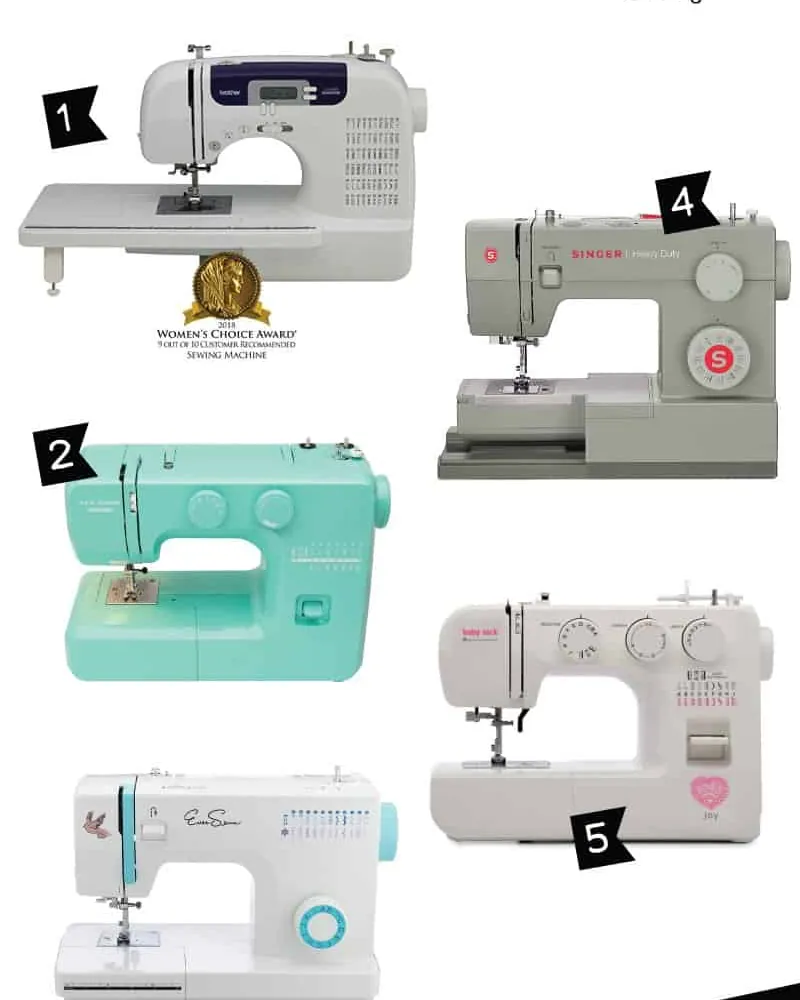
The Brother SE600 is a two-in-one: a sewing machine and a 4×4-inch embroidery machine. The trade-off is real — you pay more, and the embroidery hoop limits you to designs up to 4×4 inches.
- The color LCD lets you preview and edit a design before stitching, so a crooked monogram gets fixed on screen, not in thread.
- It includes 80 built-in designs and 103 stitches, enough to start without buying files.
- The bobbin and threading are automatic, which matters when you switch between sewing and embroidery often.
- It warns you when thread breaks mid-design, saving a half-finished towel.
Example: sewing a baby quilt, then hooping the corner and embroidering the baby’s name in a 3-inch script design.
Juki TL-2010Q
The Juki TL-2010Q is a straight-stitch-only machine built for speed.
- The straight stitch is rock solid at high speed, so a quilt top’s long seams don’t wobble.
- The large harp space — the gap right of the needle — gives a rolled quilt room to move.
- The knee lever lifts the presser foot, so your hands stay on the fabric.
- The metal body stays still at full speed instead of walking across the table.
Example: piecing a king-size quilt top — dozens of 100-inch seams, all at one consistent tension.
The other machines worth knowing
A few more machines earn a mention for serving a niche the five above don’t.
- Singer Start 1304 — the cheapest Singer that still sews decent straight stitches. For someone testing whether sewing sticks before spending more.
- Janome HD3000 — a mechanical heavy-duty machine for people who want Singer 4423 toughness with Janome’s calmer stitching. Good for classrooms.
- Brother XR9550 — the CS7000X’s sibling with more decorative stitches. For craft sewists who embellish more than they mend.
- Bernette b33 — a solid Swiss-designed mechanical machine. For sewists who want dealer support and lessons with the purchase.
- Juki HZL-DX series — computerized Jukis for people who love the TL’s stitching but need zigzag and buttonholes too.
How to pick the right machine
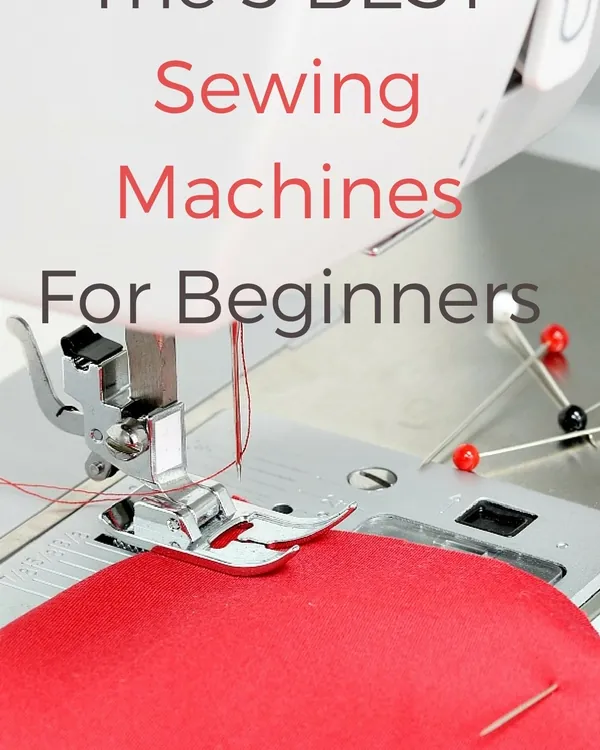
Three things settle this. First, what you sew: if it’s mostly mending and thick fabric, the Singer 4423 is yours; if it’s garments in cotton and knits, the Janome 7318; if it’s quilting, the Juki TL-2010Q. Second, how you like to control the machine: go computerized with the Brother CS7000X, or go mechanical if you’d rather turn a dial. Third, whether embroidery is on your list at all — if yes, the SE600 saves you buying a second machine later.
Frequently asked questions
How much should I spend on a sewing machine?
For a reliable beginner machine, plan on spending relatively little, which covers the Janome 7318 and Brother CS7000X class. Heavy-duty and combo machines cost more. Above that you’re paying for speed, metal builds, and dealer service — worth it only if you sew weekly.
How long does a sewing machine last?
A well-maintained mechanical machine often lasts decades. Computerized machines last as long as their electronics hold up. Annual servicing and keeping it dusted and oiled per the manual do more for lifespan than the brand name.
Is it safe for kids to use a sewing machine?
Yes, with supervision and a machine that has a speed limiter, from around age 8. Keep fingers away from the needle area, unplug when changing needles, and check the CPSC machine-related recall list before buying secondhand. Slow the speed control down and let them drive.
Can a cheap sewing machine sew denim?
Yes, if it has a strong motor and you use a jeans needle, size 90/14 or 100/16. The Singer 4423 handles several layers of denim; a basic plastic machine will manage two layers of denim but struggle on hems with four or more. Go slow and hand-crank the thickest spots.
What happens if I don’t oil my sewing machine?
Lint builds up in the bobbin area, stitching gets uneven, and the machine eventually jams. Check your manual — some computerized Brother models are marked “no oiling needed,” while mechanical machines need a drop in the hook area on the schedule the manual sets. Clean the bobbin case every few projects either way.
Does the brand matter when buying a sewing machine?
Yes, mostly for parts, service, and manual quality. Brother, Singer, Janome, and Juki all make good machines at every price, so pick the model first. Then check that a dealer or service shop near you handles that brand, because a machine you can’t get repaired is a disposable one.
How often should a sewing machine be serviced?
How often you service it depends on how much you use it, so check your owner’s manual for the authority on the schedule. Between services, clean lint from the bobbin area yourself every few projects. If stitches start skipping or the machine gets loud, take it in sooner rather than forcing it.
Can I learn to sew on a heavy-duty machine?
Yes, and for thick fabrics it’s easier, because the motor pushes the needle through. The downside for a beginner is fewer guided features. If you’ll sew mostly denim and canvas, learn on it; if you’ll sew delicate fabrics, start gentler.
Your first step
Pick the machine that matches the fabric you sew most, then order it and sew one straight-seam project the week it arrives — a pillow cover or a hem. You’ll know it’s the right fit if threading feels routine by project three. If the machine skips stitches or jams repeatedly on fabric it’s rated for, stop wrestling it and take it to an authorized dealer for service.
{“@context”:”https://schema.org”,”@type”:”FAQPage”,”mainEntity”:[{“@type”:”Question”,”name”:”How much should I spend on a sewing machine?”,”acceptedAnswer”:{“@type”:”Answer”,”text”:”For a reliable beginner machine, plan on spending relatively little, which covers the Janome 7318 and Brother CS7000X class. Heavy-duty and combo machines cost more. Above that you’re paying for speed, metal builds, and dealer service — worth it only if you sew weekly.”}},{“@type”:”Question”,”name”:”How long does a sewing machine last?”,”acceptedAnswer”:{“@type”:”Answer”,”text”:”A well-maintained mechanical machine often lasts decades. Computerized machines last as long as their electronics hold up. Annual servicing and keeping it dusted and oiled per the manual do more for lifespan than the brand name.”}},{“@type”:”Question”,”name”:”Is it safe for kids to use a sewing machine?”,”acceptedAnswer”:{“@type”:”Answer”,”text”:”Yes, with supervision and a machine that has a speed limiter, from around age 8. Keep fingers away from the needle area, unplug when changing needles, and check the CPSC machine-related recall list before buying secondhand. Slow the speed control down and let them drive.”}},{“@type”:”Question”,”name”:”Can a cheap sewing machine sew denim?”,”acceptedAnswer”:{“@type”:”Answer”,”text”:”Yes, if it has a strong motor and you use a jeans needle, size 90/14 or 100/16. The Singer 4423 handles several layers of denim; a basic plastic machine will manage two layers of denim but struggle on hems with four or more. Go slow and hand-crank the thickest spots.”}},{“@type”:”Question”,”name”:”What happens if I don’t oil my sewing machine?”,”acceptedAnswer”:{“@type”:”Answer”,”text”:”Lint builds up in the bobbin area, stitching gets uneven, and the machine eventually jams. Check your manual — some computerized Brother models are marked \”no oiling needed,\” while mechanical machines need a drop in the hook area on the schedule the manual sets. Clean the bobbin case every few projects either way.”}},{“@type”:”Question”,”name”:”Does the brand matter when buying a sewing machine?”,”acceptedAnswer”:{“@type”:”Answer”,”text”:”Yes, mostly for parts, service, and manual quality. Brother, Singer, Janome, and Juki all make good machines at every price, so pick the model first. Then check that a dealer or service shop near you handles that brand, because a machine you can’t get repaired is a disposable one.”}},{“@type”:”Question”,”name”:”How often should a sewing machine be serviced?”,”acceptedAnswer”:{“@type”:”Answer”,”text”:”How often you service it depends on how much you use it, so check your owner’s manual for the authority on the schedule. Between services, clean lint from the bobbin area yourself every few projects. If stitches start skipping or the machine gets loud, take it in sooner rather than forcing it.”}},{“@type”:”Question”,”name”:”Can I learn to sew on a heavy-duty machine?”,”acceptedAnswer”:{“@type”:”Answer”,”text”:”Yes, and for thick fabrics it’s easier, because the motor pushes the needle through. The downside for a beginner is fewer guided features. If you’ll sew mostly denim and canvas, learn on it; if you’ll sew delicate fabrics, start gentler.”}}]}