What Is the Most Reliable Brand of Sewing Machine?
Bernina, Janome, and Juki are the sewing machine brands repair technicians see least often for mechanical faults. Bernina tops most lists for long-term reliability because it still makes its own metal gears and hook assemblies. A mechanical Janome or Juki holds up better than any electronic model for a modest cost relative to the alternative.
Quick answer: which sewing machine brands hold up

- Bernina — metal internal parts, fewest repair visits for stitch timing and gear wear; costs more than most rivals new. The used market is where these get affordable, and a 20-year-old mechanical Bernina often outlasts a new budget machine. Have a tech check the hook and feed timing before you buy.
- Janome — strong mid-range pick; mechanical models outlast electronic ones in the same price band for a modest cost relative to the alternative. Electronic models add features, not durability, at this price. If you sew most days, buy the mechanical and put the savings into a service.
- Juki — industrial-grade build, best for heavy fabric and daily use; home models are inexpensive relative to the alternative. The straight-stitch models are the value here; skip the computerized versions unless you need the stitches.
- Pfaff — good stitch quality, but the IDT system needs servicing more often than a plain feed dog. Budget for that, or choose a different brand if you sew only occasionally.
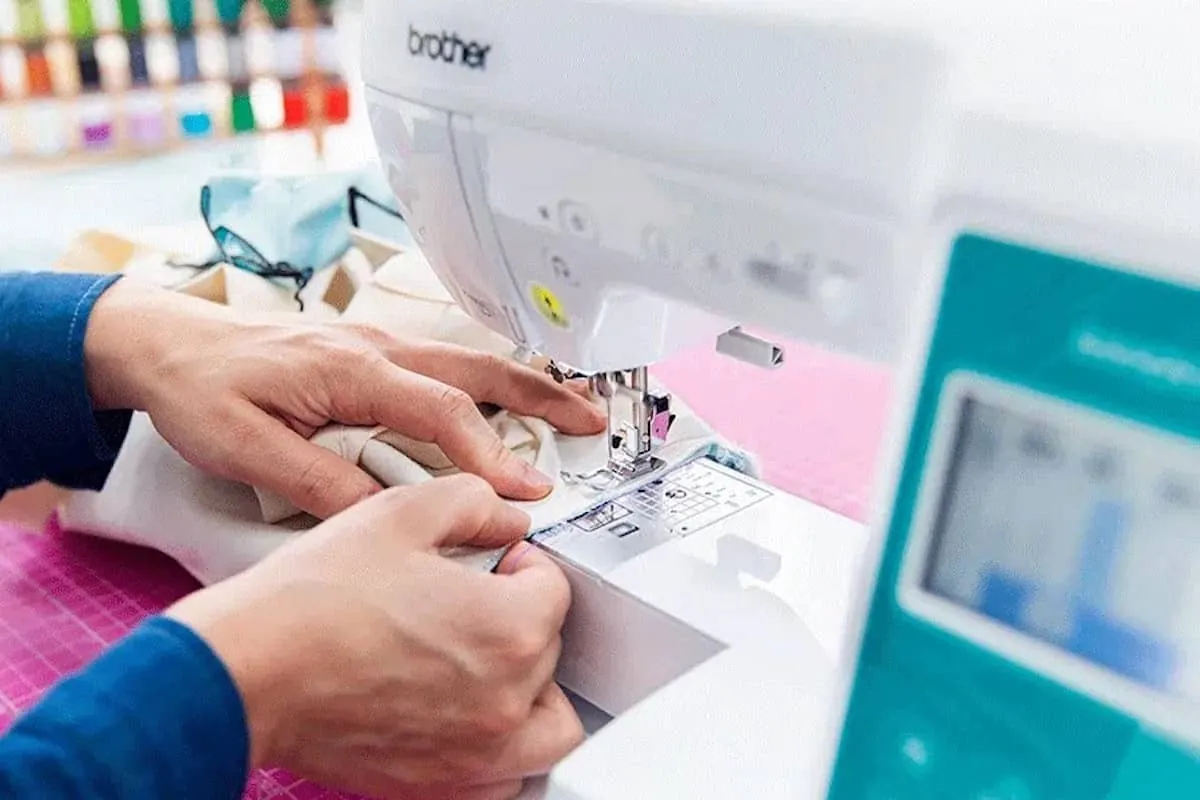
- Brother — reliable at the low end for light cotton and crafts; plastic gears wear faster under denim or canvas. Stay within quilting cotton and it will run for years.
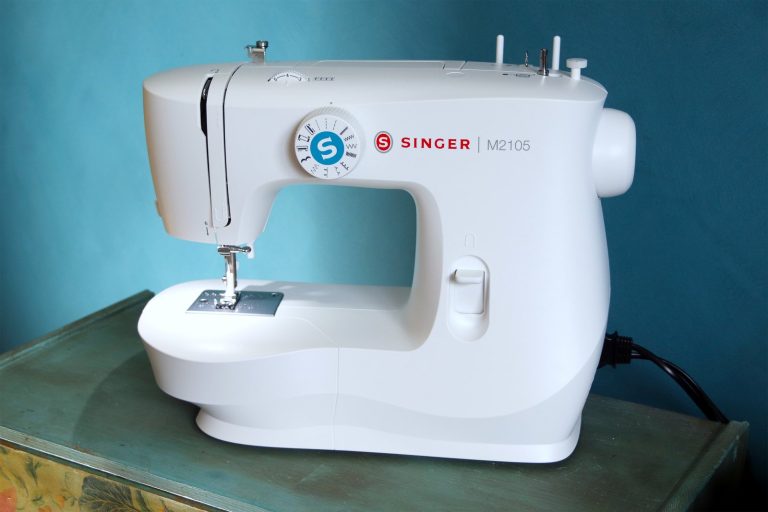
- Singer — mixed record since manufacturing moved overseas; check the model, not the name. Older machines built before the move are a different animal from what carries the badge now.
Why brand reputation tracks the parts inside
A sewing machine’s reliability comes down to what its gears, hook, and frame are made of, not the logo on the front. Bernina and Juki still use metal in the load-bearing parts on their higher models. That’s why they last decades under daily use.
Plastic gears are the weak point in most budget machines. They’re quieter and cheaper to make, but they wear under load. A plastic gear driving the hook assembly can strip when you push thick fabric through too fast.
Reliability depends on your fabric and how often you sew. A Bernina used twice a month on cotton will outlast a Brother used daily on denim — the machine doesn’t know its own brand name.
One more factor: the dealer network. Brands with local dealers get serviced properly. Brands sold only online often get replaced instead of repaired. The U.S. Consumer Product Safety Commission tracks recalls by brand, which is worth a check before you buy any model.
When a different brand is the better pick
The simple answer changes with budget, fabric, and how you’ll use the machine. A Janome at a given price beats a Bernina at the same price every time — because Bernina doesn’t make one that cheap.
| Situation | What changes | What to do instead |
|---|---|---|
| Budget under $300 | No Bernina in range | Buy mechanical Janome or Juki |
| Heavy fabric daily | Plastic gears strip | Choose Juki or industrial model |
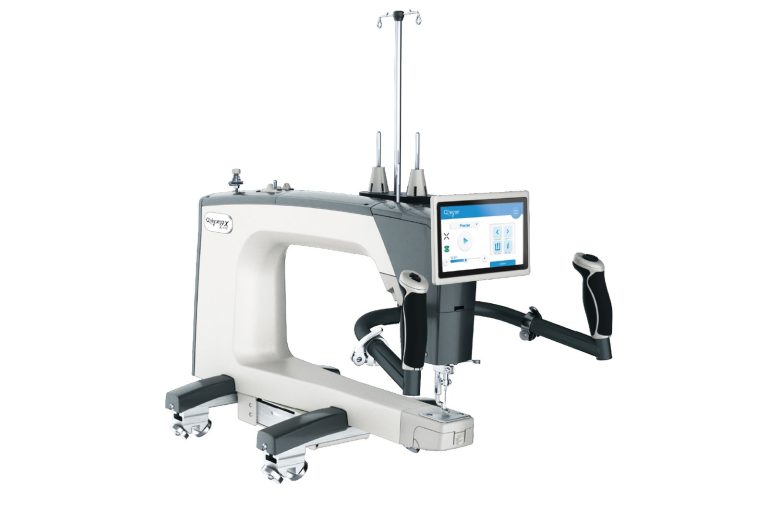
| Quilting large pieces | Needs wide throat space | Look at Janome or Bernina quilting line |
| Embroidery focus | Different motor demands | Brother or Bernina embroidery models |
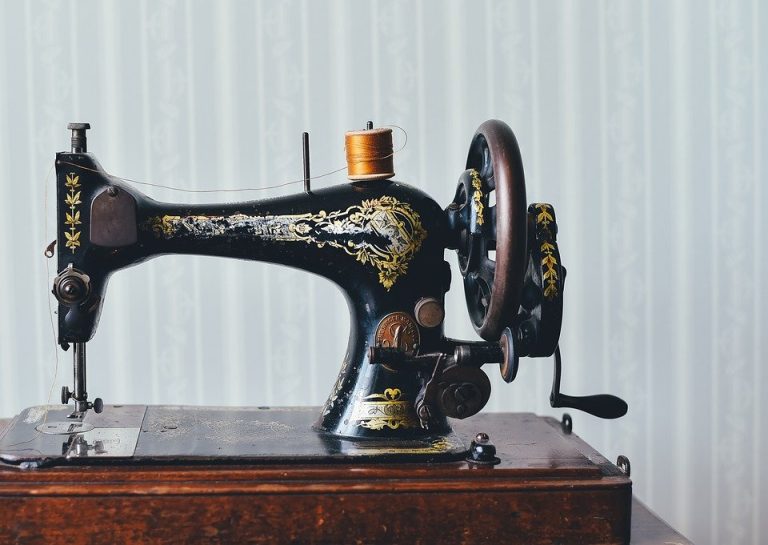
| Vintage machine lover | Metal parts, no electronics | Serviced Singer 201 or 15-91 |
| No local repair shop | Service is hard | Buy the brand with mail-in support |
How to check a machine before you buy
- Ask what the gears are made of. Metal gears last longer under load; plastic ones are fine for light cotton. If the seller can’t tell you, that’s your answer.
- Test the stitch on thick fabric. Bring a scrap of denim or canvas. If the machine skips stitches or sounds strained, the motor or feed is too weak for your work.
- Check the hook assembly. Open the bobbin area and look for metal, not plastic, in the rotating hook. This part takes the most wear.
- Run it at full speed for 2 minutes. A machine that heats up or slows down under sustained speed has a weak motor for daily use.
- Ask about the service interval. Most home machines need a tune-up every 12 to 18 months with regular use.
- Confirm the warranty length. Bernina and Juki typically offer longer mechanical warranties than budget brands. Read what’s actually covered, not just the number of years.
- Check for a local dealer. A dealer within driving distance means real repairs. No dealer means shipping the machine away for weeks.
Mistakes that cost you money
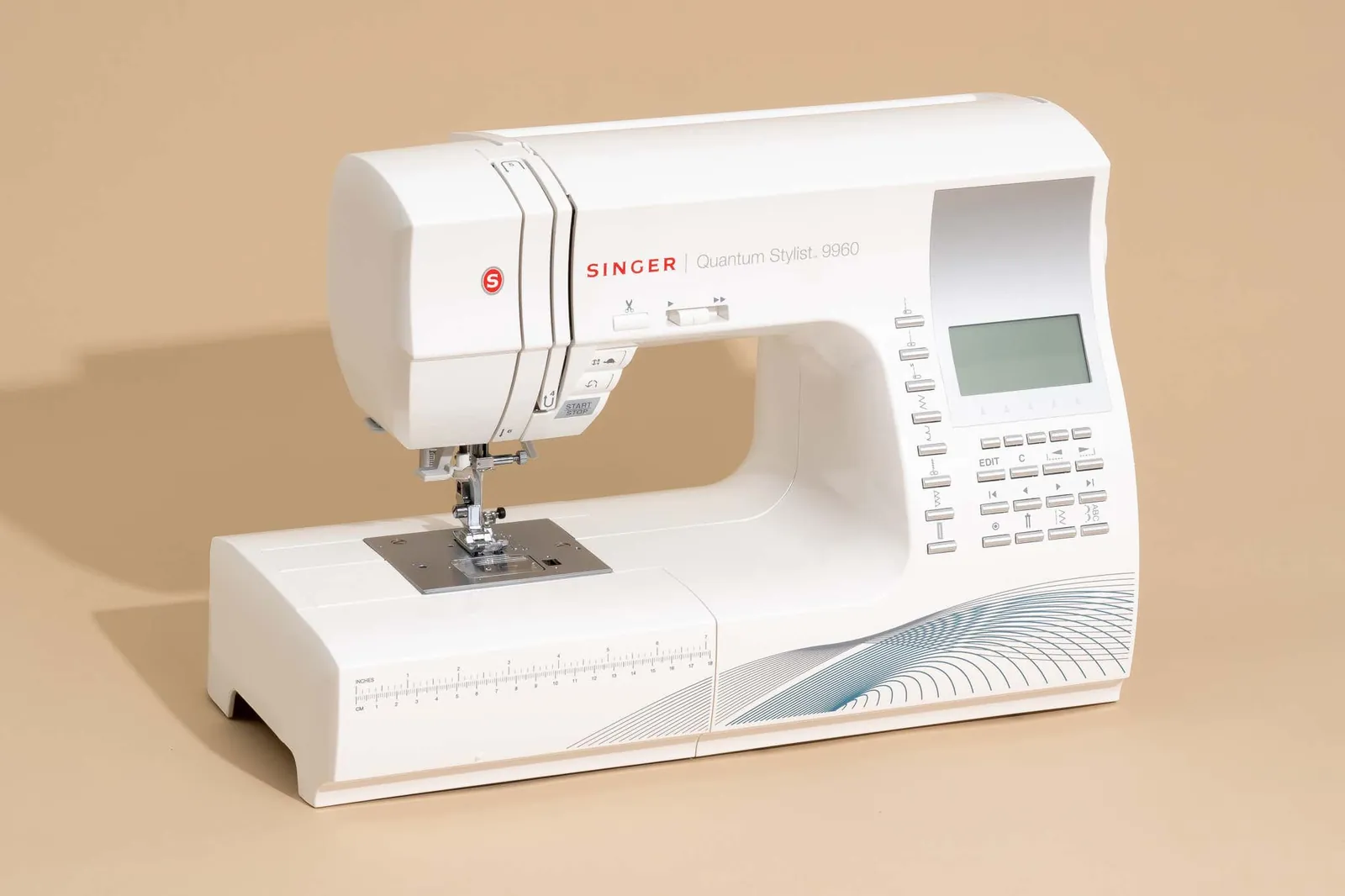
- Buying on brand name alone. Singer made great machines for decades, but current budget models use different parts. The name doesn’t guarantee the build.
- Ignoring the fabric you actually sew. A machine rated for cotton will struggle with leather or multiple denim layers. Match the machine to your real projects, not your ideal ones.
- Skipping the test stitch. Buying online without testing means you find out about skipped stitches after the return window closes.
- Never servicing the machine. Lint and dried oil cause more breakdowns than worn parts. A yearly service for a modest cost relative to the alternative prevents most of them.
- Choosing the cheapest model with the most stitches. Stitch count is marketing. Gear quality and motor strength decide how long the machine lasts.
Frequently asked questions
What is the most reliable brand of sewing machine?
Bernina is the most reliable brand for long-term mechanical durability, followed by Janome and Juki. Bernina uses metal gears and hook assemblies in its mid-range and upper models. If you sew daily on heavy fabric, Juki’s industrial-style build holds up better than any home machine.
Is Bernina worth the price?
Yes, if you sew often and plan to keep the machine for 10 or more years. A Bernina costs two to three times a budget brand, but the metal parts and dealer service mean fewer repairs. For occasional craft sewing, a Janome at half the price does the same job.
Which brand is best for beginners?
Janome is the best beginner brand. Its mechanical models are simple, reliable, and easy to service for a modest cost relative to the alternative. Brother is a close second for light sewing and crafts. Skip Bernina as a first machine unless you already know you’ll sew weekly.
How long should a sewing machine last?
A well-maintained mechanical machine lasts 20 to 30 years; electronic models typically run 10 to 15. The brand matters less than the service history. A Janome serviced yearly outlasts a neglected machine that cost far more every time.
Are Janome and Brother the same company?
No, they’re separate Japanese companies. Janome makes its own motors and focuses on mechanical reliability. Brother makes a wider range including printers and focuses on features per dollar. Both are reliable at their price points, but Janome holds up longer under heavy use.
Does an expensive machine sew better stitches?
No, price buys durability and features, not stitch quality. A mechanical machine makes a perfect straight stitch if it’s tuned right, for a modest cost relative to the alternative. What you pay more for is metal parts, a stronger motor, and more stitch options — not better basic stitches.
Is it safe to buy a used sewing machine?
Yes, if you test it first. Run a stitch on thick fabric, check for metal gears, and listen for grinding sounds. Avoid machines with cracked plastic housings or missing accessories. A serviced vintage all-metal machine often outlasts a new budget model.
What happens if I never service my machine?
Lint builds up in the feed dogs and bobbin case, and the oil dries out. The machine starts skipping stitches, then the timing goes off and it won’t sew at all. A repair at that point costs more than the yearly service would have.
Conclusion
The brand on the front tells you where to start looking, but the gears inside and the service you give it decide how long it lasts. Test before you buy, match the machine to your real fabric, and budget for a yearly tune-up. That routine keeps almost any mid-range machine running for decades.
{“@context”:”https://schema.org”,”@type”:”FAQPage”,”mainEntity”:[{“@type”:”Question”,”name”:”What is the most reliable brand of sewing machine?”,”acceptedAnswer”:{“@type”:”Answer”,”text”:”Bernina is the most reliable brand for long-term mechanical durability, followed by Janome and Juki. Bernina uses metal gears and hook assemblies in its mid-range and upper models. If you sew daily on heavy fabric, Juki’s industrial-style build holds up better than any home machine.”}},{“@type”:”Question”,”name”:”Is Bernina worth the price?”,”acceptedAnswer”:{“@type”:”Answer”,”text”:”Yes, if you sew often and plan to keep the machine for 10 or more years. A Bernina costs two to three times a budget brand, but the metal parts and dealer service mean fewer repairs. For occasional craft sewing, a Janome at half the price does the same job.”}},{“@type”:”Question”,”name”:”Which brand is best for beginners?”,”acceptedAnswer”:{“@type”:”Answer”,”text”:”Janome is the best beginner brand. Its mechanical models are simple, reliable, and easy to service for a modest cost relative to the alternative. Brother is a close second for light sewing and crafts. Skip Bernina as a first machine unless you already know you’ll sew weekly.”}},{“@type”:”Question”,”name”:”How long should a sewing machine last?”,”acceptedAnswer”:{“@type”:”Answer”,”text”:”A well-maintained mechanical machine lasts 20 to 30 years; electronic models typically run 10 to 15. The brand matters less than the service history. A Janome serviced yearly outlasts a neglected machine that cost far more every time.”}},{“@type”:”Question”,”name”:”Are Janome and Brother the same company?”,”acceptedAnswer”:{“@type”:”Answer”,”text”:”No, they’re separate Japanese companies. Janome makes its own motors and focuses on mechanical reliability. Brother makes a wider range including printers and focuses on features per dollar. Both are reliable at their price points, but Janome holds up longer under heavy use.”}},{“@type”:”Question”,”name”:”Does an expensive machine sew better stitches?”,”acceptedAnswer”:{“@type”:”Answer”,”text”:”No, price buys durability and features , not stitch quality. A mechanical machine makes a perfect straight stitch if it’s tuned right, for a modest cost relative to the alternative. What you pay more for is metal parts, a stronger motor, and more stitch options — not better basic stitches.”}},{“@type”:”Question”,”name”:”Is it safe to buy a used sewing machine?”,”acceptedAnswer”:{“@type”:”Answer”,”text”:”Yes, if you test it first. Run a stitch on thick fabric, check for metal gears, and listen for grinding sounds. Avoid machines with cracked plastic housings or missing accessories. A serviced vintage all-metal machine often outlasts a new budget model.”}},{“@type”:”Question”,”name”:”What happens if I never service my machine?”,”acceptedAnswer”:{“@type”:”Answer”,”text”:”Lint builds up in the feed dogs and bobbin case, and the oil dries out. The machine starts skipping stitches, then the timing goes off and it won’t sew at all. A repair at that point costs more than the yearly service would have.”}}]}