Versatile Sewing Machine Guide: Choosing the Right Model
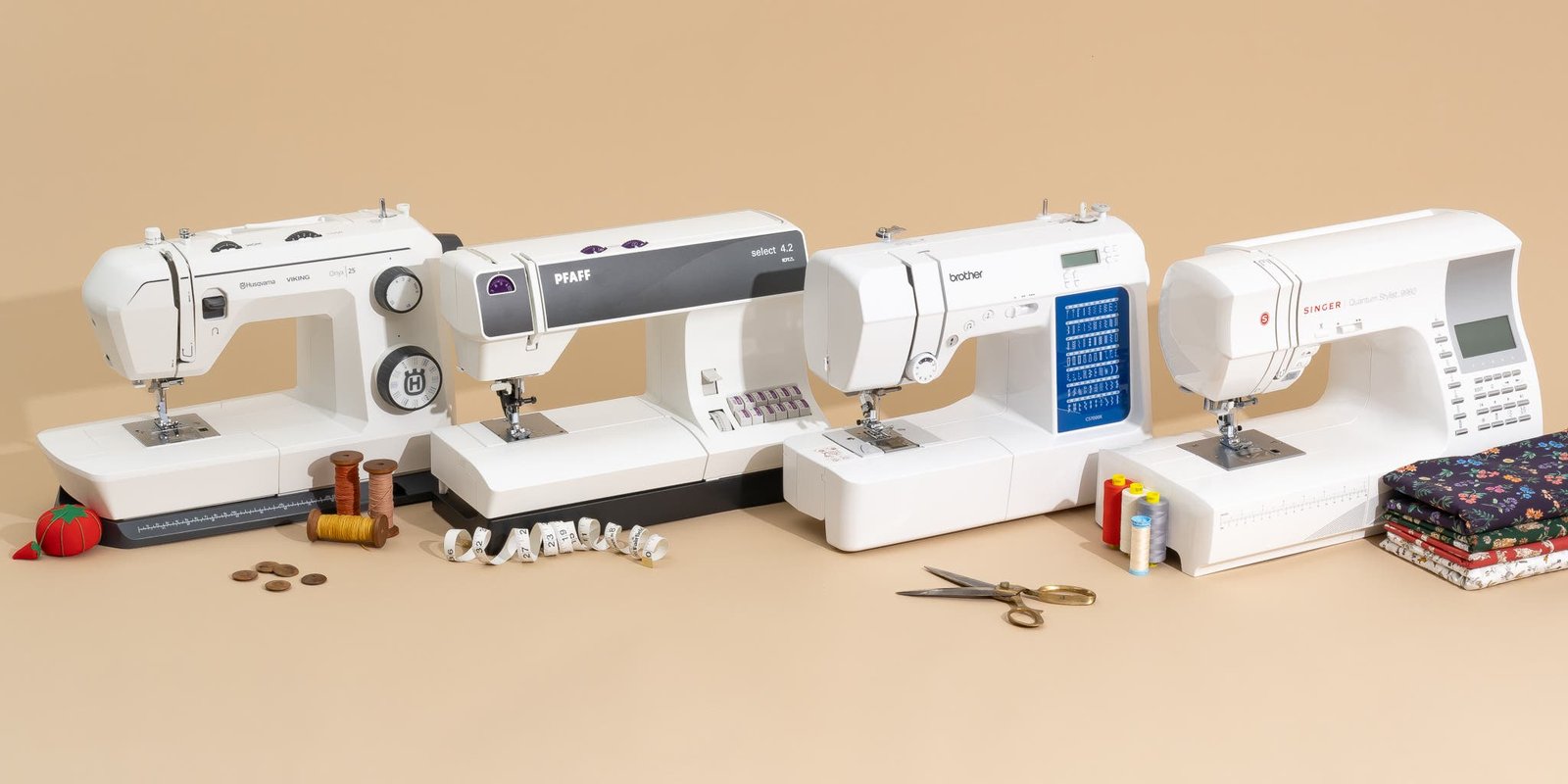
A computer-controlled model is the most versatile sewing machine for most users because it offers precise stitch control and automatic settings. If you only perform basic repairs or simple straight-line projects, a mechanical machine is the better choice. It’s simpler to maintain and often more durable over time. Choosing between these depends on your specific goals, as complex embroidery or decorative work requires features that mechanical models simply can’t provide.
The options compared

The right machine depends on whether you value ease of use, manual control, or advanced automation.
| Method | How long | Effort | Cost | Best for |
|---|---|---|---|---|
| Mechanical | Short | High | Low | Simple repairs |
| Computerized | Medium | Low | Medium | Diverse projects |
| Embroidery | Long | High | High | Custom designs |
If you prioritize speed for basic tasks, a mechanical machine setup takes moments. For complex digital patterns, computerized models require time to select settings but save labor during the actual sewing. Costs vary by brand and feature set; check the official product specifications on the manufacturer’s website to see which motor power and stitch count match your needs. This varies by model — check the label for the exact motor wattage and maximum speed.
Manual gear for basic tasks
Mechanical machines rely on physical dials and levers to adjust stitch length and width. They’re reliable workhorses for those who don’t need digital menus.
- Place the spool on the pin and pull the thread through the tension discs.
- Set the dial to your desired stitch type, usually between 0 and 4 millimeters for length.
- Turn the handwheel toward you to catch the bobbin thread.
- Press the foot pedal to control your speed, starting slowly to maintain straight lines.
These machines excel at heavy-duty fabrics like denim because they have fewer electronic parts to fail. They aren’t for users who need complex patterns, as you’re limited to the physical cams installed inside the casing. A common mistake is forcing the needle through thick layers of leather without using a specialized heavy-duty needle, which can damage the timing mechanism. If you break the timing, you’ll need a professional repair technician to recalibrate the hook, as this isn’t a user-serviceable task.
Digital control for precision
Computerized machines use internal processors to manage needle position and stitch density automatically. They allow for consistent results that are difficult to achieve by hand.
- Select your stitch from the LED display using the menu buttons.
- Adjust the tension settings if the machine prompts you based on fabric weight.
- Use the start-stop button for hands-free sewing if your model supports it.
- Let the machine automatically backstitch at the start and end of the seam.
These are excellent for quilters who need repetitive, identical stitches across large areas. The main weakness is their sensitivity to electrical surges; always use a surge protector to prevent board damage. This isn’t for someone who wants a machine that lasts thirty years without software or sensor maintenance, as electronic components eventually age.
Dedicated embroidery systems
Embroidery machines feature a large hoop and a separate arm that moves the fabric under the needle. They turn digital files into intricate physical designs.
- Load your design file via USB or the internal memory menu.
- Secure the fabric tightly in the embroidery hoop to prevent puckering.
- Align the hoop with the machine arm until it clicks into place.
- Monitor the screen as the machine changes thread colors automatically.
These machines are perfect for personalizing clothes or creating intricate art. The drawback is the steep learning curve required to digitize your own patterns. If you only sew garments, this is likely overkill, as the setup time for a single embroidery patch can exceed thirty minutes.
Choosing a versatile sewing machine
When you’re in a hurry, use a mechanical machine because it requires zero booting time and has fewer settings to adjust. If you’re doing this for the first time, a computerized machine is the better pick since it prevents common mistakes like incorrect tension or improper stitch length through automated presets. When you want the best possible result regardless of the effort required, use an embroidery machine. It provides the highest level of detail for professional-looking finishes.
The trade-off is simple: mechanical machines offer longevity and low maintenance, while computerized systems trade that simplicity for speed and precision. If you choose a machine with a high stitch-per-minute count, ensure your workspace is stable to reduce vibration, which can lead to uneven seams. Always verify the maximum fabric thickness supported by the presser foot; if you try to force fabric that’s too thick, you risk bending the needle or damaging the feed dogs.
The rules that apply whichever way you choose
Regardless of your machine type, safety and maintenance follow universal standards. Always unplug the machine before changing the needle or cleaning the bobbin area to prevent accidental activation. Keep your fingers clear of the needle path while the machine is running, as a high-speed needle can cause serious injury. If you need to perform internal maintenance, such as oiling the motor or replacing a belt, contact an authorized service center; never attempt to open the motor housing yourself, as capacitors can hold a lethal charge even when unplugged.
Before starting any project, check the tension settings on a scrap piece of the exact fabric you intend to use. This prevents wasted material and frustration. If your machine starts making a loud knocking sound, stop immediately and check the bobbin case for tangled thread. Cleaning the lint from the bobbin area every few hours of use is essential to keep the machine running smoothly. If you’re unsure about a specific error code, consult the manufacturer’s manual, as they provide the correct troubleshooting steps for your specific firmware version.
Frequently asked questions

Can I sew leather with a standard machine?
No, most standard machines lack the motor power and needle strength to sew thick leather without damaging the internal gears. You should use a machine specifically rated for industrial or heavy-duty leather use. If you attempt this on a lightweight machine, you risk snapping the needle or stripping the drive belt, which requires costly professional repairs to fix.
Why is my thread bunching underneath the fabric?
This usually happens because the top thread isn’t seated correctly in the tension discs or the bobbin is wound unevenly. Re-thread your machine completely and ensure the presser foot is up while threading to allow the discs to open. If the problem continues, check that your bobbin is inserted in the correct direction according to the manual.
How long do sewing machines last?
A well-maintained mechanical machine can last for decades, while computerized models typically have a lifespan determined by the longevity of their electronic circuit boards. If you clean and oil your machine regularly, you’ll significantly extend its life. Always store your machine in a dry, dust-free environment to protect the electronic components from corrosion and moisture damage.
Is it safe to sew over pins?
No, you should never sew over pins because they can deflect the needle or shatter, sending metal shards into your eyes. Always stop the machine and remove each pin as you reach it. If a pin breaks inside the machine, you must remove all pieces before resuming, as they can cause significant damage to the needle plate or the hook assembly.
What happens if I use the wrong needle size?
Using the wrong needle size causes skipped stitches, broken threads, or puckered fabric because the needle is either too thick or too thin for the thread weight. Always match the needle size to the fabric thickness and weight. If you’re unsure, check the manufacturer’s needle chart, which lists the correct needle type for common fabrics like silk, cotton, or denim.
Final Thoughts
Think about the projects you’re most excited to create before heading to the store. Whether you’re leaning toward a high-tech model or a classic mechanical one, don’t be afraid to test a few in person. You’ll quickly find the right fit that’s ready to help you bring your creative ideas to life.
Related guides
{“@context”:”https://schema.org”,”@type”:”FAQPage”,”mainEntity”:[{“@type”:”Question”,”name”:”Can I sew leather with a standard machine?”,”acceptedAnswer”:{“@type”:”Answer”,”text”:”No, most standard machines lack the motor power and needle strength to sew thick leather without damaging the internal gears. You should use a machine specifically rated for industrial or heavy-duty leather use. If you attempt this on a lightweight machine, you risk snapping the needle or stripping the drive belt, which requires costly professional repairs to fix.”}},{“@type”:”Question”,”name”:”Why is my thread bunching underneath the fabric?”,”acceptedAnswer”:{“@type”:”Answer”,”text”:”This usually happens because the top thread isn’t seated correctly in the tension discs or the bobbin is wound unevenly. Re-thread your machine completely and ensure the presser foot is up while threading to allow the discs to open. If the problem continues, check that your bobbin is inserted in the correct direction according to the manual.”}},{“@type”:”Question”,”name”:”How long do sewing machines last?”,”acceptedAnswer”:{“@type”:”Answer”,”text”:”A well-maintained mechanical machine can last for decades, while computerized models typically have a lifespan determined by the longevity of their electronic circuit boards. If you clean and oil your machine regularly, you’ll significantly extend its life. Always store your machine in a dry, dust-free environment to protect the electronic components from corrosion and moisture damage.”}},{“@type”:”Question”,”name”:”Is it safe to sew over pins?”,”acceptedAnswer”:{“@type”:”Answer”,”text”:”No, you should never sew over pins because they can deflect the needle or shatter, sending metal shards into your eyes. Always stop the machine and remove each pin as you reach it. If a pin breaks inside the machine, you must remove all pieces before resuming, as they can cause significant damage to the needle plate or the hook assembly.”}},{“@type”:”Question”,”name”:”What happens if I use the wrong needle size?”,”acceptedAnswer”:{“@type”:”Answer”,”text”:”Using the wrong needle size causes skipped stitches, broken threads, or puckered fabric because the needle is either too thick or too thin for the thread weight. Always match the needle size to the fabric thickness and weight. If you’re unsure, check the manufacturer’s needle chart, which lists the correct needle type for common fabrics like silk, cotton, or denim.”}}]}