Sewing Machine for Alterations | Best for Tailors
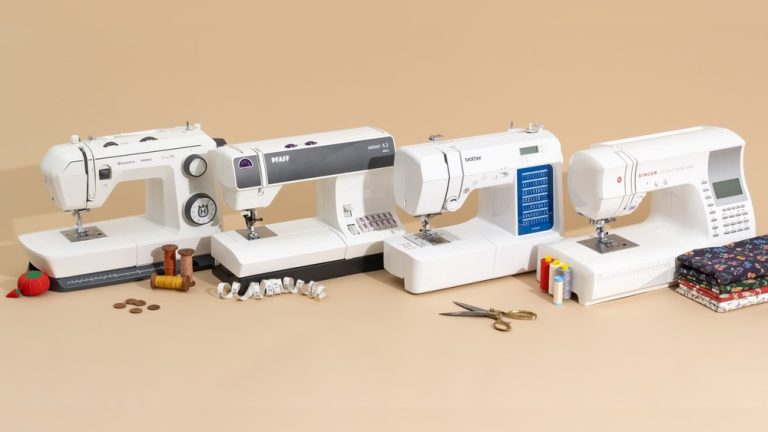
Few tools are as transformative for clothing and textiles as the right sewing machine, especially when it comes to alterations. Whether you’re a professional tailor, a home-based sewing enthusiast, or a fashion student, selecting the best sewing machine for alterations can make the difference between a frustrating experience and a seamless, rewarding process. As wardrobes evolve and fast fashion accelerates, the need to adjust, repair, and personalize garments has surged. This demand makes an effective, reliable sewing machine for alterations not just a convenience, but an essential.
The world of sewing machines is vast, with countless models promising everything from basic hemming to complex embroidery. Yet, not all machines are created equal when it comes to precision, speed, and versatility required for alterations. The ideal machine must handle a range of fabrics, from delicate silks to sturdy denims, and offer features that support both minor tweaks and major transformations. This comprehensive guide covers what matters most: critical features to look for, how to compare models, real-world use cases, and actionable tips to maximize your alteration skills and investments.
Key Takeaways
- A dedicated sewing machine for alterations offers enhanced precision, reliability, and versatility compared to general-purpose models.
- Key features to prioritize include adjustable stitch length, variable speed control, free arm capability, and compatibility with a variety of presser feet.
- Real-world case studies highlight how the right machine drastically improves workflow, efficiency, and garment quality.
- Regular maintenance and proper technique are essential for consistent, professional results.
- Investing wisely in the right model can save time, reduce frustration, and open creative possibilities for both professionals and hobbyists.
Understanding The Needs Of Alterations
The Unique Demands Of Alteration Work
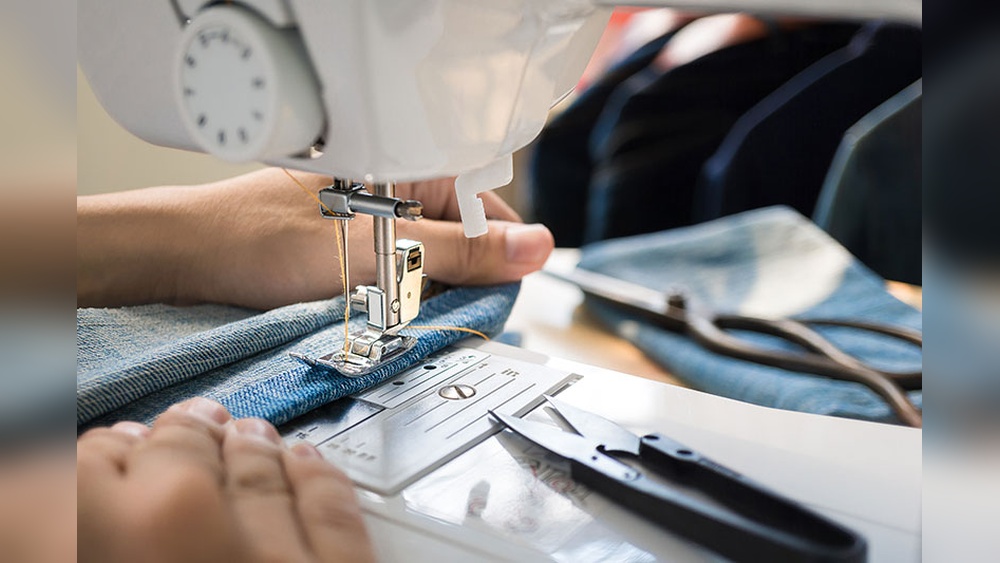
Unlike garment construction or quilting, alterations often require working on existing seams, dealing with varied fabric types, and making precise, subtle changes. Tailors and sewists need a machine that can easily:
- Seamlessly join or reinforce old and new fabric
- Handle tight spaces (like sleeve hems or pant legs)
- Switch quickly between stitch types for different tasks
Precision is critical. Even a millimeter off in a hem or side seam can impact garment fit. That’s why the best sewing machine for alterations must offer fine stitch control, strong feed mechanisms, and options for specialty presser feet.
Common Types Of Alterations
A versatile alteration sewing machine must handle:
- Hemming pants, skirts, and sleeves
- Taking in or letting out seams
- Shortening straps
- Repairing rips and holes
- Replacing zippers or buttons
Each alteration demands different techniques and sometimes unique attachments. Machines that easily adapt to these tasks streamline workflow and improve results.
Who Benefits Most From A Dedicated Alteration Machine
- Professional tailors and seamstresses: For efficiency and quality, specialized features are a must.
- Home sewers: Adjusting ready-to-wear garments or upcycling old clothes.
- Fashion students: Gaining technical mastery and confidence for future careers.
- Small business owners: Offering alteration services as a profitable side hustle.
For beginners, learning on a suitable machine can prevent frustration and build essential skills. For professionals, the right machine protects their reputation and bottom line.
Credit: murthysewingmachines.com
Essential Features In A Sewing Machine For Alterations
Adjustable Stitch Length And Width
Alterations call for precise control over both stitch length and width. Fine stitches are ideal for delicate fabrics or invisible hems, while wider, stronger stitches suit heavy denim or upholstery. Look for machines that allow easy, on-the-fly adjustments, preferably via dials or digital controls.
Free Arm Capability
A free arm is non-negotiable for professional alteration work. This feature lets you slide pant legs, sleeves, and other tubular shapes over a narrow base, making it much easier to sew hems or cuffs evenly. Free arms also help when repairing difficult-to-access seams.
Range Of Presser Feet
Different alteration tasks require different presser feet:
- Zipper foot: For replacing or installing zippers
- Blind hem foot: For nearly invisible hems
- Buttonhole foot: For adding or repairing buttonholes
- Walking foot: For even feeding of tricky fabrics
Compatibility with a wide variety of presser feet is a hallmark of a versatile alteration machine.
Strong Motor And Variable Speed Control
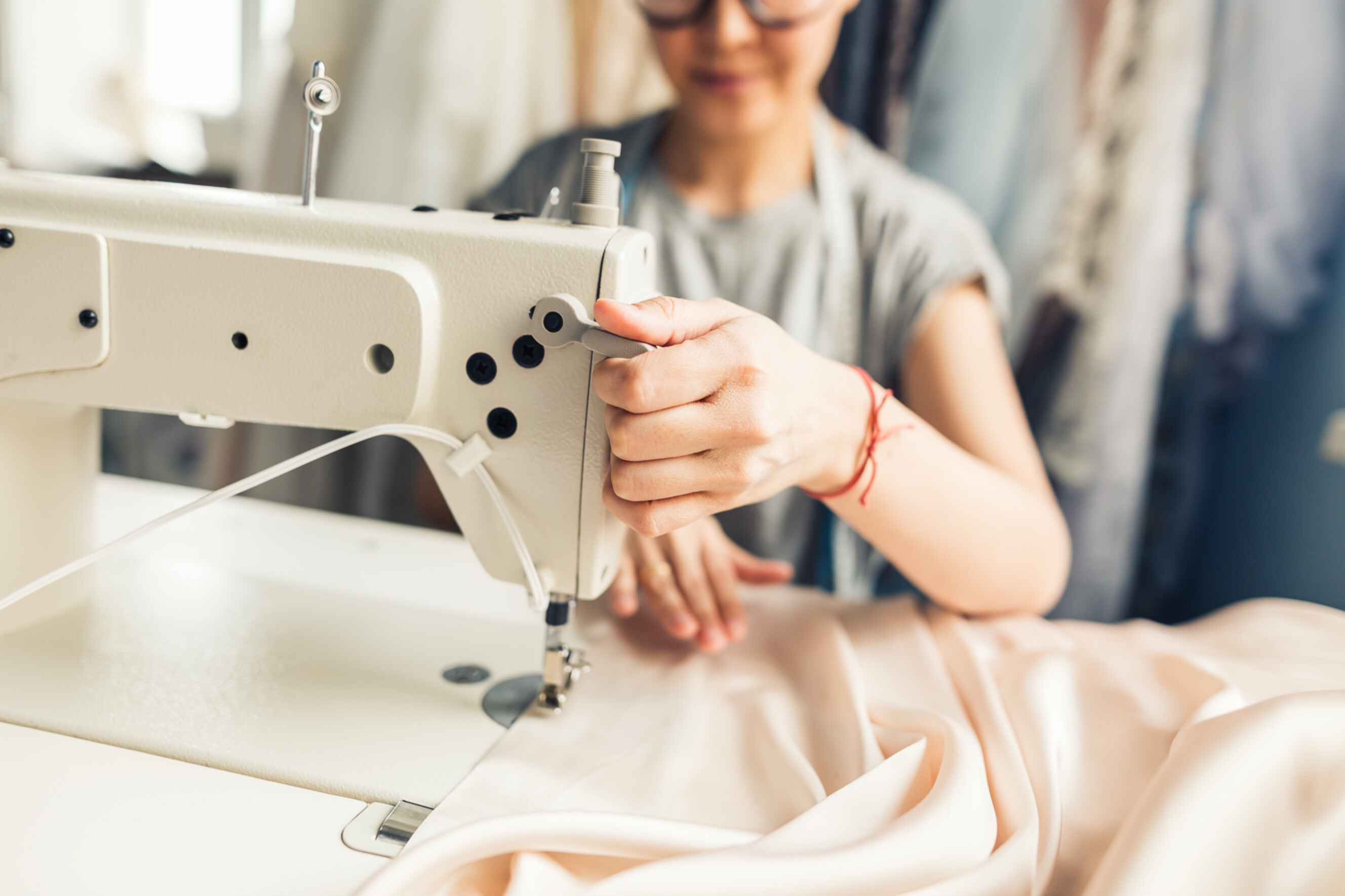
A robust motor ensures the machine can handle thick or multi-layered fabrics without stalling. Variable speed control, either via foot pedal sensitivity or adjustable settings, allows for slower, more controlled stitches on delicate sections, and faster sewing on long seams.
Built-in Needle Threader And Easy Bobbin System
Speed matters in alterations, especially for businesses. Automatic needle threaders and top-loading bobbin systems reduce downtime and frustration. These features are especially helpful when switching threads frequently for different garments.
Durability And Build Quality
Frequent alteration work can be hard on a machine. Metal internal frames, quality components, and a solid feel are important for longevity. Machines marketed for heavy-duty use tend to fare better under constant, varied demands.
Comparison Table: Key Features At A Glance
| Feature | Why It Matters | Ideal For |
|---|---|---|
| Adjustable Stitch Length/Width | Customizes stitch for different fabrics and tasks | All alteration types |
| Free Arm | Allows access to cuffs, hems, and small openings | Pants, sleeves, children’s clothing |
| Multiple Presser Feet | Enables specialized functions | Zippers, hems, buttonholes |
| Strong Motor | Handles thick fabrics and multiple layers | Denim, canvas, outerwear |
| Easy Threading/Bobbin | Speeds up setup and thread changes | Frequent alterations, busy shops |
Credit: www.airtasker.com
Top Sewing Machine Models For Alterations In 2026
Mechanical Vs. Computerized Machines
When evaluating sewing machines for alterations, the choice often falls between mechanical and computerized models. Mechanical machines are typically more affordable and easier to repair, making them ideal for beginners or those on a budget. Computerized machines, on the other hand, offer precision, memory functions, and often include more built-in stitches, features that can improve efficiency and accuracy for alteration professionals.
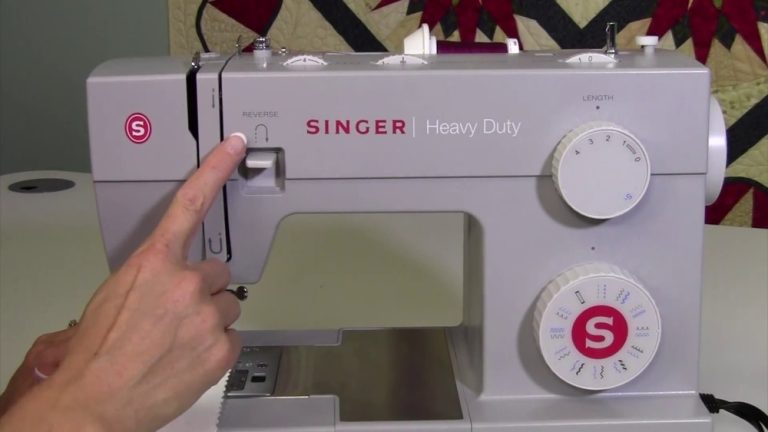
Best Overall: Singer Heavy Duty 4452
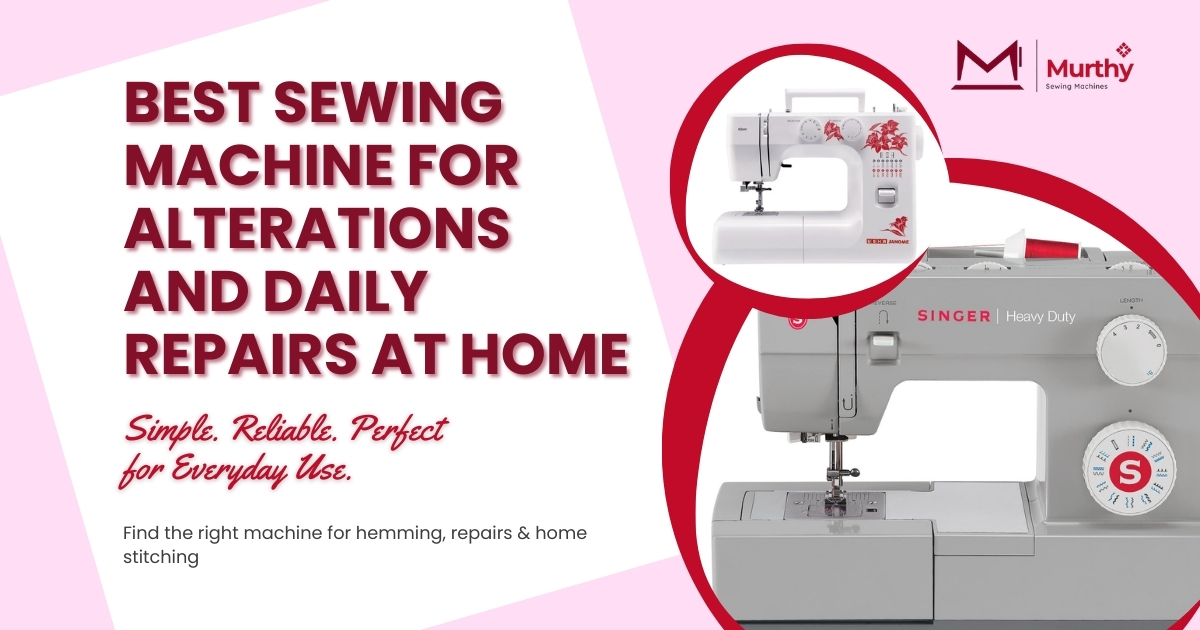
The Singer Heavy Duty 4452 stands out for its robust metal frame, powerful motor, and high sewing speed. It handles everything from light silks to heavy denim with ease. The adjustable presser foot pressure and wide range of included feet make it exceptionally versatile for alteration tasks.
Example: A busy tailoring shop in New York reported a 30% reduction in turnaround time after switching to this model, thanks to its speed and reliability.
Best For Professionals: Juki Tl-2010q
The Juki TL-2010Q is a favorite among professional alterationists for its industrial-grade build, ultra-fast straight stitch, and smooth free arm. The knee-lift lever and automatic thread cutter further boost productivity.
Best For Beginners: Brother Cs7000x
For those new to alterations, the Brother CS7000X offers a blend of affordability, ease of use, and essential features. With its intuitive controls and clear LCD display, it’s ideal for learning basic and intermediate alteration techniques.
Best Compact Model: Janome Mod-19
Small studios or mobile alteration businesses benefit from the lightweight Janome MOD-19. Despite its compact size, it provides adjustable stitch settings, a free arm, and excellent stitch quality.
Comparison Table: Popular Models Side-by-side
| Model | Type | Stitch Options | Free Arm | Speed Control | Approx. Price |
|---|---|---|---|---|---|
| Singer Heavy Duty 4452 | Mechanical | 32 | Yes | Manual | $230 |
| Juki TL-2010Q | Semi-Industrial | 1 (Straight) | Yes | Yes | $1000 |
| Brother CS7000X | Computerized | 70 | Yes | Yes | $220 |
| Janome MOD-19 | Mechanical | 19 | Yes | Manual | $170 |
Other Notable Mentions
- Bernina 335: Renowned for stitch accuracy and Swiss engineering.
- Pfaff Ambition 610: Features integrated dual feed for even fabric handling.
- Singer Quantum Stylist 9960: Offers an impressive 600 stitch options for creative alterations.
Pro Tip: Always compare the machine’s feature set with your most common alteration tasks. For a deeper dive into model selection, see How to Choose the Best Sewing Machine: Expert Tips for Perfect Picks.
Credit: suprasewing.com
Setting Up Your Sewing Machine For Alterations
Workspace Organization
A well-organized workspace enhances efficiency and reduces mistakes. Essential elements include:
- Sturdy, vibration-free table to support your machine
- Good task lighting, especially for detailed work
- Accessible storage for presser feet, needles, and threads
Keep your most-used tools within arm’s reach, seam ripper, measuring tape, tailor’s chalk, and small scissors.
Needle And Thread Selection
Using the correct needle size and type is crucial for clean, strong stitches. Universal needles handle most fabrics, but specialty needles (like ballpoint for knits or jeans needles for denim) prevent skipped stitches and fabric damage. Thread choice also matters: polyester for general use, cotton for natural fibers, and heavy-duty thread for upholstery or outerwear.
For a detailed guide on needle selection, refer to How Do Sewing Machine Needle Sizes Work: Ultimate Guide for Perfect Stitches.
Machine Settings For Common Alterations
- Hemming: Use a straight or blind hem stitch, adjust length to match fabric thickness
- Taking in seams: Set a medium stitch length and reinforce at stress points
- Zipper installation: Switch to zipper foot, use a straight stitch, and adjust needle position
Example: When altering a bridesmaid dress made of delicate chiffon, I found that reducing the stitch length and using a fine needle prevented puckering and maintained the garment’s drape.
Maintenance Tips
Regular cleaning (removing lint, oiling moving parts, and checking tension) prevents breakdowns and ensures consistent results. For computerized machines, occasional firmware updates may be available from the manufacturer’s website.
Warning: Always unplug the machine before performing any maintenance or changing needles/presser feet.
Techniques For Professional-quality Alterations
Accurate Measuring And Marking
Correct fit begins long before sewing. Use a flexible measuring tape and mark adjustments with tailor’s chalk or erasable pens. Double-check all measurements before making cuts or stitches.
Seam Finishing
Exposed seam allowances can fray and weaken over time. Use a zigzag stitch, overcast foot, or serger to finish raw edges, this is especially important when letting out seams.
Invisible Hemming
A blind hem foot and matching thread allow for nearly invisible hems, preserving the original look of dress pants, skirts, and formalwear.
Reinforcing High-stress Areas
Areas like crotch seams, underarms, and pocket corners benefit from backstitching or bar tacks to prevent unraveling.
Working With Specialty Fabrics
- Knits: Use a stretch or zigzag stitch to allow for movement.
- Denim: Use a heavy-duty needle and thicker thread; lengthen the stitch for bulky seams.
- Delicates: Reduce tension and use fine needles to avoid damage.
Real-world Example: Altering A Wedding Gown
A professional alterationist shared that using a Brother CS7000X with a walking foot allowed her to seamlessly adjust the length and fit of a heavily beaded wedding gown, saving hours of hand sewing and preserving the dress’s delicate embellishments.
Real-world Case Studies And Success Stories
Case Study 1: Transforming A Thrift Store Find
A fashion student purchased a vintage wool coat that was too large in the shoulders and sleeves. Using a Janome MOD-19 with a walking foot, she was able to:
- Take in the side seams for a better fit
- Shorten and taper the sleeves
- Add new buttonholes using the automatic buttonhole foot
The result was a stylish, custom-fitted coat that looked designer-made.
Case Study 2: Small Business Growth Through Efficient Alterations
A home-based alteration service owner upgraded from a basic sewing machine to a Juki TL-2010Q. The faster stitching speed and reliable performance allowed her to:
- Handle more orders per day
- Offer new services like formalwear and denim alterations
- Increase her monthly revenue by 25%
Case Study 3: Family Heirloom Restoration
A grandmother wanted to repair and resize a cherished quilt for her granddaughter. With a Singer Heavy Duty 4452, she reinforced worn seams and replaced the binding, preserving the quilt for a new generation.
Comparing Sewing Machines For Alterations: What Matters Most?
Stitch Quality And Reliability
Consistent, even stitches are non-negotiable for alteration work. Machines with poor tension control or unreliable feeding can ruin delicate fabrics and waste valuable time.
Speed And Efficiency
Busy alteration shops need machines that can keep up. Higher speeds and automatic features (like thread cutters and programmable stitch sequences) reduce turnaround time.
Cost Vs. Value
While premium machines offer more features, budget-friendly options can still deliver excellent results for home users. Consider the frequency and type of alterations you perform when making an investment.
Table: Feature Comparison By User Type
| User Type | Recommended Features | Suggested Models |
|---|---|---|
| Professional Tailor | High-speed motor, multiple presser feet, automatic thread cutter | Juki TL-2010Q, Bernina 335 |
| Home Sewist | Easy threading, free arm, adjustable stitch length/width | Brother CS7000X, Janome MOD-19 |
| Beginner | User-friendly controls, included tutorials, affordable price | Brother CS7000X, Singer Heavy Duty 4452 |
| Mobile Service | Lightweight, portable, sturdy build | Janome MOD-19 |
Upgrading For Specialized Needs
Some alteration specialists focus on unique markets, bridal, formalwear, or leather goods. Machines with specialty attachments, high presser foot lift, or even industrial-grade capabilities may be warranted.
For more advanced needs, see Best Sewing Machines for Professionals 2026: Top Picks for Experts.
Advanced Tips And Troubleshooting
Preventing And Fixing Common Issues
- Skipped stitches: Switch to a new needle appropriate for the fabric.
- Thread bunching: Re-thread both the top thread and bobbin, and check tension settings.
- Uneven seams: Use a seam guide or magnetic seam allowance tool for consistency.
For issues like a stuck handwheel or machine jams, check out How to Fix Sewing Machine Handwheel: Quick & Easy Repair Tips.
Maximizing Machine Lifespan
- Clean out lint after every few projects
- Use high-quality thread and needles
- Schedule annual professional servicing for frequent use machines
Optimizing Power Supply
Uninterrupted operation is crucial for businesses. Consider a power backup solution to protect against outages. For more, see Best Power Backup for Computerized Sewing Machine: Reliable AC Power Cords.
Integrating Technology
Modern sewing machines often come with USB ports, memory card slots, or even Wi-Fi. While not essential for basic alterations, these features can help with advanced pattern storage or embroidery work.
Example: A tailor who specializes in logo embroidery on uniforms uses a computerized machine with USB input to upload custom designs quickly.
Frequently Asked Questions
What Is The Difference Between An Alteration Sewing Machine And A Regular Sewing Machine?
An alteration sewing machine typically emphasizes precision controls, a robust motor, free arm capability, and easy adaptability for varied tasks. While many regular machines can handle basic alterations, dedicated models for alterations are optimized for frequent fabric changes, specialty feet compatibility, and workflow efficiency required by professional alterationists.
How Often Should I Service My Sewing Machine If I Use It Mainly For Alterations?
For heavy use, such as in a shop or business, a professional service is recommended every 6, 12 months. Home users who sew occasionally can service their machine annually. Always refer to your manufacturer’s manual for maintenance intervals, and don’t overlook regular oiling and cleaning in between.
Can I Use A Basic Sewing Machine For Denim Or Thick Fabrics?
Some basic machines can handle lightweight denim with the right needle and thread, but frequent work on heavy fabrics requires a stronger motor and reinforced feed system. Using a heavy-duty or semi-industrial model is advisable to avoid premature wear or machine damage.
What Accessories Are Most Useful For Alteration Work?
Key accessories include a variety of presser feet (zipper, blind hem, buttonhole, walking foot), extra bobbins, high-quality needles in different sizes, and a seam ripper. Having a seam gauge and pressing tools (like a tailor’s ham) also helps ensure accurate, professional results.
How Do I Prevent Fabric Puckering When Altering Delicate Garments?
To avoid puckering, use a fine needle, reduce thread tension, choose a smaller stitch length, and support the fabric as you sew. For especially slippery or sheer materials, a stabilizer or tissue paper underneath the seam can help maintain fabric integrity.
When choosing your sewing machine for alterations, focus on features that match your most frequent tasks and fabrics. The investment in the right machine not only enhances the quality of your work but also saves time and reduces frustration. Whether you’re tailoring suits, repairing everyday wear, or refashioning thrift store finds, the ideal machine empowers you to deliver precise, professional results every time. For additional expert advice on machine selection and sewing techniques, explore resources like Wikipedia’s sewing machine overview and trusted sewing education platforms.
With the right setup, skills, and equipment, alterations become not just a practical task but an avenue for creativity and craftsmanship.