What is the Best Industrial Sewing Machine for Upholstery: Top Picks Revealed
Choosing the best industrial sewing machine for upholstery can feel overwhelming. You want a machine that’s tough, reliable, and precise—one that can handle thick fabrics and heavy use without breaking down.
But with so many options on the market, how do you know which one fits your needs perfectly? This guide will help you cut through the noise and find the ideal machine that makes your upholstery projects easier, faster, and more professional.
Keep reading to discover what features really matter and how to pick the right industrial sewing machine for your work.
Key Features For Upholstery Sewing Machines
Choosing the right industrial sewing machine for upholstery depends on several key features. These features ensure the machine can handle thick fabrics and tough materials. They also affect the quality and efficiency of your work. Understanding these features helps you pick a machine that fits your needs perfectly.
Durability And Build Quality
Upholstery sewing machines must be strong and long-lasting. A solid metal frame prevents damage from heavy use. Durable parts reduce the need for repairs. This keeps your machine working smoothly for years. Look for machines with high-quality construction and sturdy components.
Motor Power And Speed
Powerful motors handle thick fabrics like leather and canvas easily. High motor power means less strain and better performance. Speed control helps you sew precisely and quickly. Machines with adjustable speed let you work on delicate or tough materials comfortably.
Needle And Thread Compatibility
Upholstery requires thick needles and strong threads. The machine must support heavy-duty needles without breaking. It should also work well with various thread types. This ensures strong, neat stitches on tough fabrics. Check the machine’s needle and thread options before buying.
Stitch Types And Adjustability
Different upholstery projects need different stitches. Basic straight stitches are common but having more options helps. Adjustable stitch length and width improve sewing accuracy. Machines with these features offer better control over your work. They make it easier to handle complex designs.
Top Industrial Sewing Machines For Upholstery
Finding the right industrial sewing machine is key for upholstery work. These machines handle thick fabrics and tough materials with ease. They provide strong, even stitches needed for furniture and car interiors. Different types serve different needs and projects.
Here are the top industrial sewing machines for upholstery. Each type offers unique features and strengths. Choose one based on the type of work and fabric you use most.
Heavy-duty Walking Foot Machines
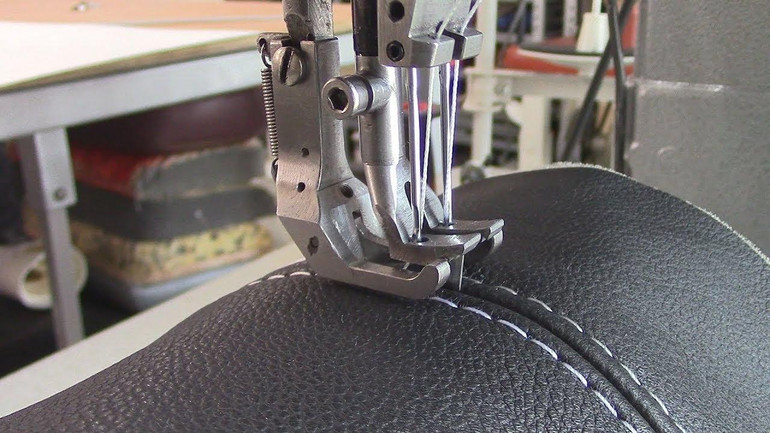
Heavy-duty walking foot machines excel at sewing thick and layered materials. The walking foot moves the fabric evenly, preventing slipping or bunching. These machines handle leather, vinyl, canvas, and heavy fabrics well. They create durable, tight stitches that hold upholstery materials together. Ideal for large projects and heavy materials.
Cylinder Arm Sewing Machines
Cylinder arm machines have a narrow arm that fits into tight spaces. This makes them perfect for sewing curved or tubular shapes. They work well on armrests, cushions, and small upholstery parts. The design allows easy access to difficult areas. These machines can handle thick fabrics while maintaining stitch quality.
Post Bed Sewing Machines
Post bed machines feature a vertical post, raising the sewing area. This design helps sew awkward or bulky items like furniture legs and car seats. The raised bed allows better control and visibility over the fabric. They are strong and reliable for heavy upholstery tasks. Post bed machines offer precision on hard-to-reach spots.
Brand Comparisons And Models
Choosing the best industrial sewing machine for upholstery depends on many factors. Brand reputation, machine features, and fabric compatibility matter a lot. This section compares top brands and models. It helps you find a machine that fits your upholstery needs.
Juki Upholstery Machines
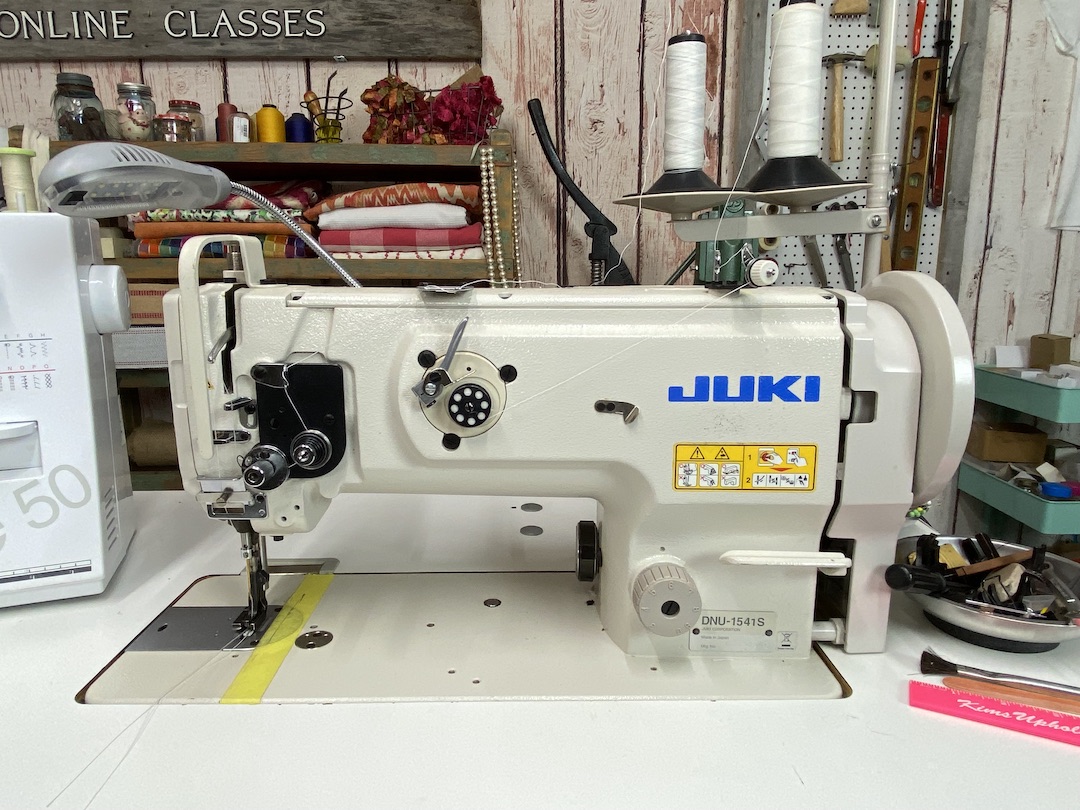
Juki is well-known for its strong and durable machines. Their upholstery models handle thick fabrics with ease. The Juki DNU-1541 is popular for straight stitching on heavy materials. It runs smoothly and requires low maintenance. Juki machines offer consistent stitching and long-lasting performance.
Consew Models For Heavy Fabrics
Consew produces machines made for tough jobs. Their industrial models work well with leather and vinyl. The Consew 206RB-5 is a favorite for upholstery work. It features a powerful motor and adjustable stitch length. Consew machines provide reliable results on heavy fabrics every time.
Singer Industrial Sewing Machines
Singer has a strong history in sewing technology. Their industrial machines support various upholstery projects. The Singer 191D-30 is known for handling thick layers with precision. It has a sturdy build and easy controls. Singer offers good value for upholstery professionals.
Other Reliable Brands
Brands like Janome, Brother, and Pfaff also offer quality machines. Janome models deliver smooth stitching and user-friendly features. Brother machines often come with advanced technology and strong motors. Pfaff sewing machines excel in precision and stitch variety. These brands provide more choices for upholstery work.

Credit: www.youtube.com
Buying Tips For Upholstery Machines
Choosing the right industrial sewing machine for upholstery takes careful thought. This machine will be a key tool for your work. A good choice saves time and money. It also gives you better results. Here are some important tips to help you buy the best machine for upholstery.
Budget Considerations
Set a clear budget before shopping. Upholstery machines vary in price from low to high. Expensive models often have more features and last longer. But basic machines can work well for small projects. Think about your needs and how much you can spend. Avoid spending too little on a machine that may break easily.
Machine Maintenance And Support
Check how easy it is to maintain the machine. Upholstery machines need regular cleaning and oiling. Some models have simple parts that are easy to replace. Also, ask about customer support. Good support helps you fix problems fast. This keeps your work running smoothly.
Warranty And Service Options
Look for machines with a solid warranty. A warranty protects you from defects or issues. Check what the warranty covers and how long it lasts. Some sellers offer extra service plans. These plans can save money on repairs and parts. Always read the warranty details carefully.
Where To Buy Industrial Machines
Buy from trusted dealers or manufacturers. They offer genuine machines with full support. Avoid unknown sellers or very cheap options. Online stores and local shops both have good choices. Read reviews and ask other upholsterers for advice. Buying from a reliable source reduces risks.
Common Challenges And Solutions
Working with upholstery fabric and thick materials can bring many challenges. These challenges affect the sewing process and final product quality. Knowing common problems and how to solve them helps make your work smoother. It improves efficiency and reduces frustration.
Handling Thick Materials
Upholstery fabric is often thick and tough. Sewing through it requires a strong machine and special needles. Use a heavy-duty industrial sewing machine designed for thick layers. Needles should be sharp and thicker than usual. Slow down the sewing speed to prevent needle damage. Guide the fabric carefully to avoid uneven stitches or jams.
Thread Breakage Issues
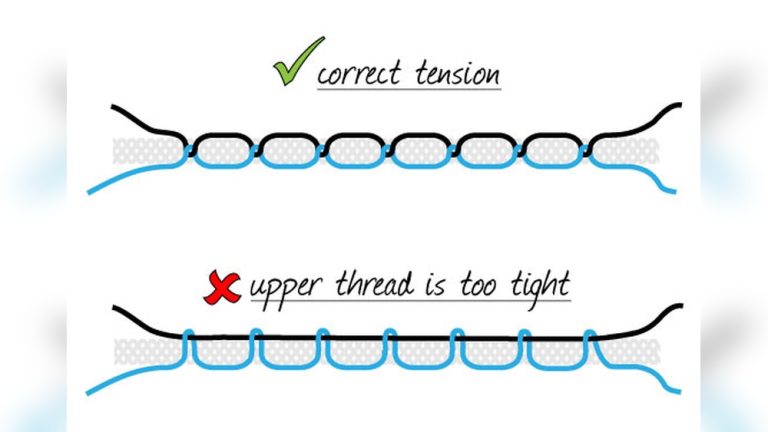
Thread breaking often happens with heavy fabrics. It interrupts work and wastes thread. Check thread quality and use strong upholstery thread. Adjust the needle size to match the thread and fabric. Tighten or loosen the upper thread tension to reduce breakage. Regularly clean the machine to remove lint and dirt that cause thread problems.
Adjusting Stitch Length And Tension
Stitch length and tension affect how upholstery seams hold up. Longer stitches work better on thick fabric to avoid bunching. Adjust the stitch length on your machine for a smooth finish. Set the tension so stitches are even, not too tight or loose. Test on fabric scraps to find the best settings before sewing the main piece.
Credit: kimsupholstery.com
Credit: www.jacksew.com
Frequently Asked Questions
What Features Make A Sewing Machine Best For Upholstery?
A good upholstery sewing machine must have a strong motor, heavy-duty needles, and a large throat space. It should handle thick fabrics and multiple layers easily. Durability and consistent stitch quality are also essential for professional results.
Which Brand Offers The Best Industrial Upholstery Machines?
Brands like Juki, Consew, and Janome are top-rated for industrial upholstery machines. They provide reliable, durable machines with powerful motors and specialized features designed to handle heavy fabrics and extensive sewing projects.
How Much Should I Spend On An Industrial Upholstery Machine?
Expect to spend between $1,000 and $3,500 for a quality industrial upholstery machine. Higher prices usually mean better durability, more features, and stronger motors suited for heavy-duty use. Choose based on your project needs and budget.
Can Home Sewing Machines Handle Upholstery Work?
Most home sewing machines struggle with thick upholstery fabrics. They lack power and durability for heavy layers. Industrial machines are recommended for upholstery to ensure strong stitches and prevent machine damage.
Conclusion
Choosing the best industrial sewing machine for upholstery matters. It saves time and improves work quality. Consider durability, speed, and stitch options carefully. Machines with strong motors handle thick fabrics well. Easy-to-use features help avoid mistakes and frustration. Remember, the right machine fits your specific needs.
Invest in one that lasts and performs consistently. Your upholstery projects will look neat and professional. Take your time to pick a reliable, sturdy machine. That choice makes all the difference in your work.