What Embroidery Items Sell Best: Top 3 Profitable Picks
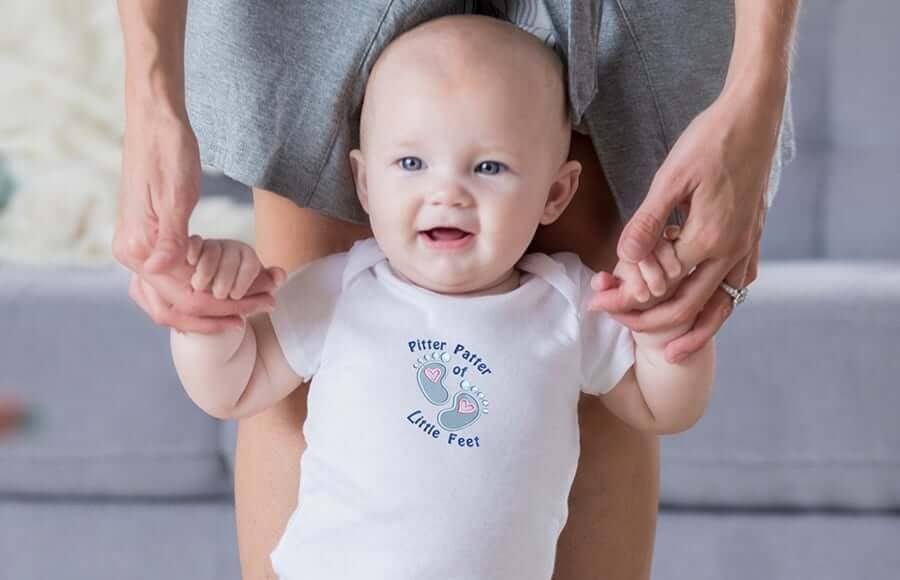
Personalized baby blankets, custom denim jackets, and embroidered tea towels are the items that sell best for small business owners. The demand for these goods depends on your ability to reach specific gift-giving markets, such as parents or wedding planners. If you target seasonal holidays, you’ll sell more, but if you focus on year-round baby showers, your income will be more consistent.
Quick guide to profitable embroidery items
-
Baby blankets: Use soft, organic cotton and focus on birth-date customization for higher price points. Parents pay a 30% premium for heirloom-quality stitching that marks a specific date, weight, and name. Avoid synthetic blends, as they often pill after a few washes, ruining your reputation.
-
Denim jackets: Offer back-panel designs for weddings or events. These allow for higher customization fees because they function as wearable art. Charge by the stitch count rather than a flat rate to protect your margins on complex, multi-colored floral or script patterns.
-
Tea towels: Keep designs simple and seasonal to ensure fast production times. Use these as “add-on” items at craft fairs to increase your average transaction size. If a design takes longer than fifteen minutes to stitch, you’re likely losing money on labor.
-
Baseball caps: Focus on high-quality thread density for logos. Local businesses prioritize durability for team gear. Use a heavy-duty stabilizer to prevent puckering on the front panel, which is the most common mistake beginners make.
-
Canvas tote bags: Use these as entry-level items, keeping the embroidery area small to save on thread and time. These serve as excellent loss leaders to build a mailing list. If you can’t produce a finished bag in under ten minutes, simplify your logo placement.
Why these specific items generate sales
Success in the embroidery market relies on balancing production time with the perceived value of the finished product. Customers are rarely looking for complex, time-consuming art; they want personalized items that serve a clear purpose or act as thoughtful gifts. When you choose items that have a high “giftability” factor, you reduce the effort needed to find a buyer because the item solves a problem for them.
The mechanism behind this is simple: consumers value personalization but lack the equipment to do it themselves. If you choose items that are easy to hoop, like a flat tea towel or a standard cotton blanket, you minimize the risk of machine errors. Mistakes on expensive garments, such as high-end silk shirts, can destroy your profit margin instantly. By sticking to stable fabrics, you ensure your machine runs smoothly and your output remains consistent.
You can verify the safety and material standards for children’s items like blankets through the Consumer Product Safety Commission guidelines to ensure you remain compliant with federal regulations. Always prioritize items that allow for quick setup changes. If you spend too much time re-hooping or adjusting your machine settings, your hourly wage drops.
Focus on items where the embroidery placement is predictable and the fabric doesn’t require complex stabilizers. This approach turns a hobby into a reliable income stream by maximizing the number of units you can finish in a single workday.
Comparing embroidery product profit potential
| Product | Production Time | Customization Level | Market Demand |
|---|---|---|---|
| Baby blankets | High | Medium | High |
| Denim jackets | High | High | Medium |
| Tea towels | Low | Low | High |
| Baseball caps | Medium | Medium | Medium |
| Canvas totes | Low | Low | High |
Focus on tea towels and canvas totes if your primary goal is rapid inventory turnover. These items require minimal setup time, allowing you to batch-produce dozens in a single afternoon. You capture the highest margins here by selling in sets rather than individual units.
Avoid denim jackets if you lack a reliable supply chain for diverse sizing. A single ruined garment can wipe out the profit from five successful sales. If you choose high-effort items, limit your designs to small, centered chest placements to reduce hoop time.
Use this rule: If your machine is older and prone to thread breaks, stick to flat goods like towels. If you own a multi-needle machine with automatic trimming, the complexity of jackets becomes a manageable asset rather than a liability.
How to sell your embroidered goods
- Select a niche: Pick one product type, such as baby gear or wedding apparel, to build brand recognition.
- Test your designs: Create five samples of your chosen item to check for puckering or thread breakage before listing them for sale.
- Calculate your costs: Add the cost of the blank item, the thread, the stabilizer, and 15 minutes of your time to set your base price.
- Take clear photos: Use natural lighting to show the texture of the embroidery thread against the fabric.
- Set your shipping: Weigh your items in their final packaging to avoid losing money on unexpected postage fees.
- List on marketplaces: Start with platforms that have built-in traffic for handmade goods to reach your first customers.
The mistakes that ruin your margins

Underpricing your labor is the most common path to burnout. Many makers forget to include the time spent hooping, trimming, and cleaning up stray threads. If you spend fifteen minutes on prep for a ten-dollar design, you’re effectively working for less than minimum wage. Always add a flat twenty percent buffer to your labor estimate to cover these hidden administrative minutes.
Choosing unstable fabrics without the correct cut-away or tear-away stabilizer causes the material to warp during the stitch process. This mistake leads to rejected orders that you can’t resell. If the fabric has more than five percent spandex, you must use a fusible stabilizer to prevent puckering.
Over-stitching a design makes the garment stiff and uncomfortable. If the stitch count exceeds the fabric’s tensile strength, the piece will fail after a single wash.
Finally, buying retail-priced blanks instead of wholesale accounts destroys your margins. If you pay more than four dollars for a basic cotton tee, your retail price must jump by twelve dollars just to maintain a healthy profit. You should always aim to source your blanks through a dedicated apparel distributor to cut your base costs by at least forty percent.
Related guides
- Top Embroidery Machines: How to Choose Your Perfect Model
- Best Sewing Machine With Embroidery: Our Top Expert Picks
- Brother Embroidery Machine for Beginners: A Simple Setup Guide
Frequently asked questions
What are the easiest embroidery items to start with?
Tea towels and canvas tote bags are the easiest to start with because they’re flat, stable, and forgiving to hoop. These items require minimal stabilizer and have a large, flat surface area that allows you to practice your alignment without the risk of damaging expensive clothing.
How much should I charge for custom embroidery?
You should charge your hourly rate plus the cost of materials, typically adding a 30% to 50% markup for profit. The exact figure depends on your local market, but you must ensure that your price covers the time spent on design, setup, and finishing work.
Is it safe to embroider items for babies?
Yes, it’s safe to embroider baby items if you ensure that all backings and threads are secure and can’t be pulled off by a child. You must follow the specific safety standards for children’s products to ensure your materials don’t pose a choking hazard.
How long does it take to embroider a simple design?
A simple design on a tea towel usually takes between 10 and 20 minutes to stitch, depending on your machine’s speed and thread density. This assumes you’re using a standard home embroidery machine; industrial machines will finish the same design in less time.
Does it matter which brand of embroidery thread I use?
Yes, using high-quality polyester or rayon thread is essential to prevent color bleeding and snapping during the embroidery process. Cheap threads often have inconsistent thickness, which can cause your machine to jam or result in uneven, unprofessional-looking stitches on your final product.
What happens if I don’t use a stabilizer?
If you don’t use a stabilizer, your fabric will pucker, stretch, or tear during the stitching process, resulting in a ruined item. The stabilizer provides the necessary support for the fabric to remain flat and taut while the needle penetrates the material thousands of times.
Conclusion
Success in this field comes from choosing items that sell quickly and keeping your production process simple. If you find yourself spending more than an hour on a single item, look for ways to simplify your design or improve your hooping technique to keep your business profitable.
{“@context”:”https://schema.org”,”@type”:”FAQPage”,”mainEntity”:[{“@type”:”Question”,”name”:”What are the easiest embroidery items to start with?”,”acceptedAnswer”:{“@type”:”Answer”,”text”:”Tea towels and canvas tote bags are the easiest to start with because they’re flat, stable, and forgiving to hoop. These items require minimal stabilizer and have a large, flat surface area that allows you to practice your alignment without the risk of damaging expensive clothing.”}},{“@type”:”Question”,”name”:”How much should I charge for custom embroidery?”,”acceptedAnswer”:{“@type”:”Answer”,”text”:”You should charge your hourly rate plus the cost of materials, typically adding a 30% to 50% markup for profit. The exact figure depends on your local market, but you must ensure that your price covers the time spent on design, setup, and finishing work.”}},{“@type”:”Question”,”name”:”Is it safe to embroider items for babies?”,”acceptedAnswer”:{“@type”:”Answer”,”text”:”Yes, it’s safe to embroider baby items if you ensure that all backings and threads are secure and can’t be pulled off by a child. You must follow the specific safety standards for children’s products to ensure your materials don’t pose a choking hazard.”}},{“@type”:”Question”,”name”:”How long does it take to embroider a simple design?”,”acceptedAnswer”:{“@type”:”Answer”,”text”:”A simple design on a tea towel usually takes between 10 and 20 minutes to stitch, depending on your machine’s speed and thread density. This assumes you’re using a standard home embroidery machine; industrial machines will finish the same design in less time.”}},{“@type”:”Question”,”name”:”Does it matter which brand of embroidery thread I use?”,”acceptedAnswer”:{“@type”:”Answer”,”text”:”Yes, using high-quality polyester or rayon thread is essential to prevent color bleeding and snapping during the embroidery process. Cheap threads often have inconsistent thickness, which can cause your machine to jam or result in uneven, unprofessional-looking stitches on your final product.”}},{“@type”:”Question”,”name”:”What happens if I don’t use a stabilizer?”,”acceptedAnswer”:{“@type”:”Answer”,”text”:”If you don’t use a stabilizer, your fabric will pucker, stretch, or tear during the stitching process, resulting in a ruined item. The stabilizer provides the necessary support for the fabric to remain flat and taut while the needle penetrates the material thousands of times.”}}]}