How to Sew Stretchy Fabric Without Puckering: 3 Fixes
Use a ballpoint needle, narrow zigzag stitch, and walking foot to sew stretchy fabric without puckering. This job takes about 30 minutes for a simple seam, costs under $15 if you already own the machine, and sits at a medium difficulty level. You must have a sewing machine that offers a zigzag stitch before starting.
Tools to sew stretchy fabric
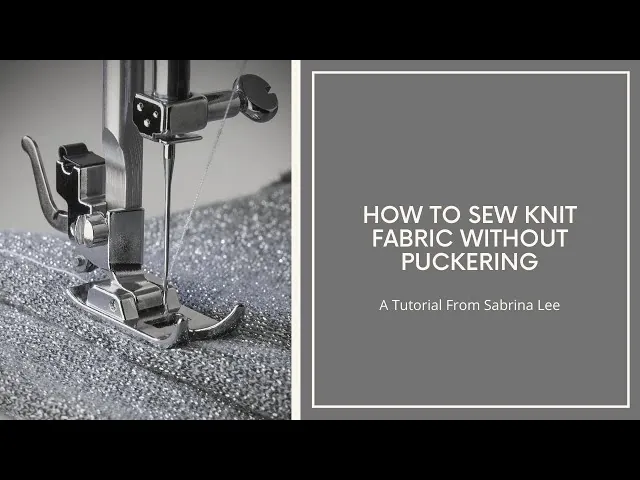
You need the right parts in front of you before threading the machine. A standard sharp needle will skip stitches and cut the elastic threads inside the knit, so don’t try to make do with what’s in the drawer.
| Item | How much | Why it’s needed | A substitute |
|---|---|---|---|
| Ballpoint needle | Size 75/11 for light knits | Slides between fibers instead of cutting them | Stretch needle of same size |
| Polyester thread | One 250-yard spool | Stretches with the fabric without snapping | none — don’t swap this |
| Walking foot | One presser foot attachment | Feeds top and bottom layers at the same speed | none — don’t swap this |
| Fabric clips | 8 to 10 small clips | Holds layers together without poking holes | Washi tape on seam allowance |
| Scrap knit fabric | One 6 by 6 inch piece | Tests stitch tension before the real seam | none — don’t swap this |
| Sharp scissors | One pair | Trims thread ends cleanly without dragging | Rotary cutter on a mat |
Preparing stretchy fabric before sewing
Prepare your material to avoid sewing issues. Skip washing the fabric first, and the finished seam will warp after its first trip through the laundry.
- Turn off and unplug the sewing machine before changing the presser foot or swapping the needle.
- Wash and dry the knit fabric exactly as you plan to wash the finished garment, then iron it flat on a low heat setting.
- Lay the fabric on a large table so no part hangs over the edge, since hanging weight pulls the knit out of shape while you work.
- Place fabric clips every 3 inches along the seam line instead of using pins, which leave permanent holes in fine jersey.
- Test your stitch settings on the 6-inch scrap piece first; if the scrap puckers, adjust the tension dial down one number and test again until it lies flat.
If your fabric is very thin or slippery, stabilizing it requires spray adhesive meant for textiles. Stop and take the project to a tailor if the material is lined with rubber or coated in waterproof plastic, because those layers need industrial machines and specific safety ventilation you can’t safely manage at home.
Steps to sew stretchy fabric
- Unplug the machine, remove the standard foot, and attach the walking foot until it clicks firmly onto the shank. Plug the machine back in and lower the foot to confirm it locks into place.
- Take out the old needle and push a size 75/11 ballpoint needle up into the clamp as far as it goes. Tighten the screw fully, then tug the needle gently to verify it doesn’t wiggle.
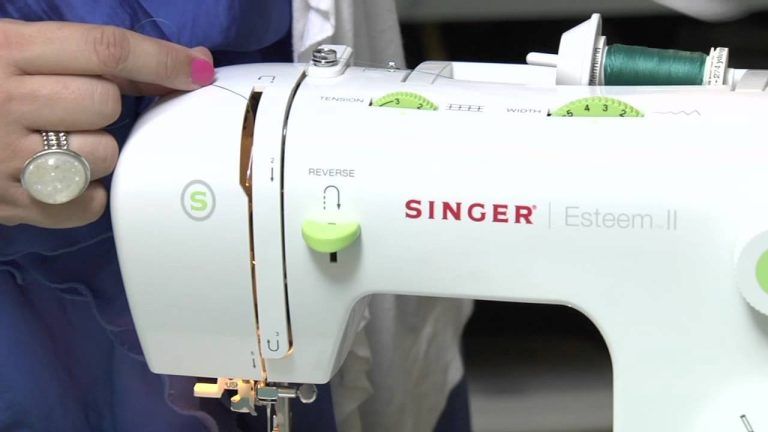
- Thread the machine with polyester thread, following the exact path shown in your machine’s manual. Pull 4 inches of thread toward the back so it doesn’t unthread when you start.
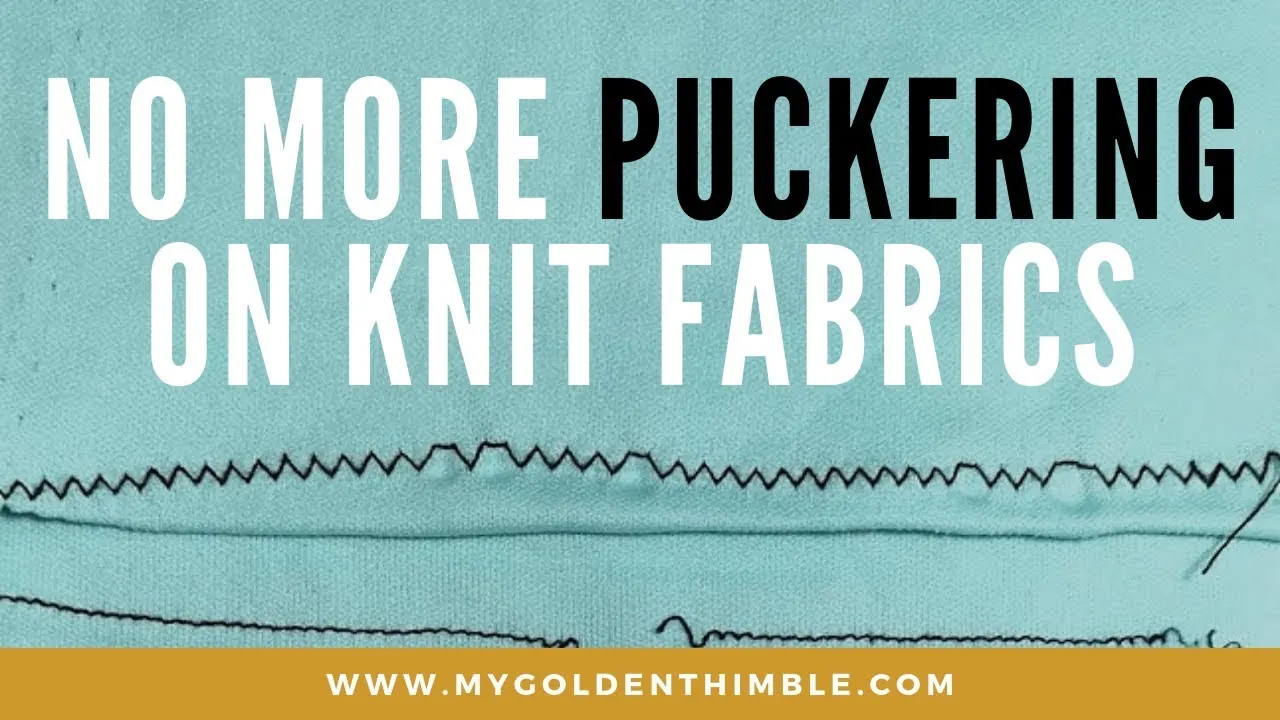
- Set the stitch selector to a narrow zigzag, choosing a width of 1.0 mm and a length of 2.5 mm. These numbers assume a lightweight cotton jersey; for thick sweatshirt fleece, increase the length to 3.0 mm.
- Lower the presser foot pressure dial by two steps if your machine has one. This lighter grip stops the foot from squashing the knit, though you should check your manual for the exact dial location.
- Place the scrap fabric under the foot, lower the presser foot, and sew a 4-inch line. Check that the stitches lie flat and the fabric hasn’t gathered up around the thread.
- Swap the scrap for your real pieces, matching the edges perfectly. Clip them together every 3 inches, keeping the clips outside the 5/8-inch seam allowance so they don’t hit the needle.
- Start sewing slowly, letting the walking foot pull the fabric at its own pace. Keep both hands resting lightly on either side of the foot to guide the fabric straight without pushing it forward.
- Stop when you are 2 inches from the end, reposition your hands, and finish the seam. Cut the threads, leaving 3-inch tails you can knot later if the pattern asks for it.
- Open the seam flat and press it gently with an iron set to the lowest steam setting. Hold the iron just above the fabric for 3 seconds rather than sliding it, which stretches the warm knit.
Signs your stretchy seam worked
A good seam on knit material looks smooth and behaves like the rest of the garment. Gently pull the seam sideways with both hands. It should stretch about 1 to 2 inches on a 6-inch span and bounce back immediately when you let go.
If the thread snaps when you pull, your upper tension is too tight. Turn the tension dial down by half a number and sew another test strip. If the seam ripples like a wave even when you aren’t pulling it, the feed dogs aren’t moving the bottom layer fast enough.
Fixing stretchy fabric sewing problems
Troubleshoot common sewing issues below.
| What happened | Why | What to do |
|---|---|---|
| Fabric gathers tightly | Tension dial set too high | Lower tension by one full number |
| Needle skips stitches | Wrong needle type installed | Switch to a ballpoint needle |
| Thread snaps when pulled | Cotton thread can’t stretch | Rethread with polyester thread |
| Seam ripples like waves | Hands pushed fabric too fast | Let the walking foot pull it |
| Fabric feeds unevenly | Standard foot drags top layer | Attach the walking foot securely |
| Holes appear along seam | Straight stitch cuts knit loops | Change to a 1.0 mm zigzag |
If you switch to a zigzag and the needle still punches visible holes, the fabric might be too delicate for home sewing.
How often to change needles for stretchy fabric

Change your ballpoint needle after every 8 hours of actual sewing time.
Two factors affect this. Thicker fabrics like ponte or double knit wear the needle down faster, so drop that limit to 5 hours. If you hear a faint popping sound as the needle enters the fabric, it’s already too dull. Check the needle tip against a bright light before starting each new project. If the point looks flattened or bent even slightly, replace it immediately.
Frequently asked questions
Can I use a regular needle on stretchy fabric?
No, a universal needle will pierce and break the elastic fibers in the knit. This leaves tiny holes along the seam that grow larger when washed. Always use a ballpoint or stretch needle sized for your fabric’s weight.
Why does my thread keep breaking?
The thread breaks because cotton lacks the give needed for knit materials. Switch to 100% polyester thread, which stretches alongside the fabric. Also check that your upper tension isn’t set higher than 4 on a standard dial.
How long should my zigzag stitch be?
Set the stitch length to 2.5 mm for lightweight jersey, assuming a standard seam. For heavier knits like sweatshirt fleece, increase the length to 3.0 mm so the needle doesn’t crowd too many holes into one spot.
Is it safe to sew stretchy fabric without a walking foot?
Yes, but the layers will likely shift and pucker because the feed dogs only grip the bottom piece. If you don’t own a walking foot, place tissue paper under the fabric and tear it away after sewing.
What happens if I pull the fabric while sewing?
Pulling stretches the knit past its natural shape, and the machine locks the thread into that stretched state. When you let go, the fabric shrinks back but the rigid thread stays long, creating wavy ripples along the entire seam.
Does the bobbin thread matter for knits?
Yes, the bobbin needs the same polyester thread used on top. Using cotton in the bobbin creates an imbalance where the top stretches but the bottom doesn’t, causing the seam to curl toward one side.
How do I press stretchy seams without ruining them?
Press with the iron hovering just above the fabric using steam for 3 seconds per spot. Never slide the iron back and forth across the knit, because the heat softens the fibers and the sliding motion permanently warps the seam flat.
Can I use a straight stitch if I stretch the fabric?
No, a straight stitch forms a rigid line that pops the moment the garment returns to its resting size. Even if you stretch the fabric while sewing, the thread itself won’t stretch later. Stick to a zigzag or lightning bolt stitch.
Conclusion
Sewing knits takes a bit more patience than working with stiff cotton, but using a ballpoint needle and a walking foot prevents puckering on stretchy fabric.
{“@context”:”https://schema.org”,”@type”:”FAQPage”,”mainEntity”:[{“@type”:”Question”,”name”:”Can I use a regular needle on stretchy fabric?”,”acceptedAnswer”:{“@type”:”Answer”,”text”:”No, a universal needle will pierce and break the elastic fibers in the knit. This leaves tiny holes along the seam that grow larger when washed. Always use a ballpoint or stretch needle sized for your fabric’s weight.”}},{“@type”:”Question”,”name”:”Why does my thread keep breaking?”,”acceptedAnswer”:{“@type”:”Answer”,”text”:”The thread breaks because cotton lacks the give needed for knit materials . Switch to 100% polyester thread, which stretches alongside the fabric. Also check that your upper tension isn’t set higher than 4 on a standard dial.”}},{“@type”:”Question”,”name”:”How long should my zigzag stitch be?”,”acceptedAnswer”:{“@type”:”Answer”,”text”:”Set the stitch length to 2.5 mm for lightweight jersey, assuming a standard seam. For heavier knits like sweatshirt fleece, increase the length to 3.0 mm so the needle doesn’t crowd too many holes into one spot.”}},{“@type”:”Question”,”name”:”Is it safe to sew stretchy fabric without a walking foot?”,”acceptedAnswer”:{“@type”:”Answer”,”text”:”Yes, but the layers will likely shift and pucker because the feed dogs only grip the bottom piece. If you don’t own a walking foot, place tissue paper under the fabric and tear it away after sewing.”}},{“@type”:”Question”,”name”:”What happens if I pull the fabric while sewing?”,”acceptedAnswer”:{“@type”:”Answer”,”text”:”Pulling stretches the knit past its natural shape, and the machine locks the thread into that stretched state. When you let go, the fabric shrinks back but the rigid thread stays long, creating wavy ripples along the entire seam.”}},{“@type”:”Question”,”name”:”Does the bobbin thread matter for knits?”,”acceptedAnswer”:{“@type”:”Answer”,”text”:”Yes, the bobbin needs the same polyester thread used on top. Using cotton in the bobbin creates an imbalance where the top stretches but the bottom doesn’t, causing the seam to curl toward one side.”}},{“@type”:”Question”,”name”:”How do I press stretchy seams without ruining them?”,”acceptedAnswer”:{“@type”:”Answer”,”text”:”Press with the iron hovering just above the fabric using steam for 3 seconds per spot. Never slide the iron back and forth across the knit, because the heat softens the fibers and the sliding motion permanently warps the seam flat.”}},{“@type”:”Question”,”name”:”Can I use a straight stitch if I stretch the fabric?”,”acceptedAnswer”:{“@type”:”Answer”,”text”:”No, a straight stitch forms a rigid line that pops the moment the garment returns to its resting size. Even if you stretch the fabric while sewing, the thread itself won’t stretch later. Stick to a zigzag or lightning bolt stitch.”}}]}