What to Look for in a First Sewing Machine: Key Features
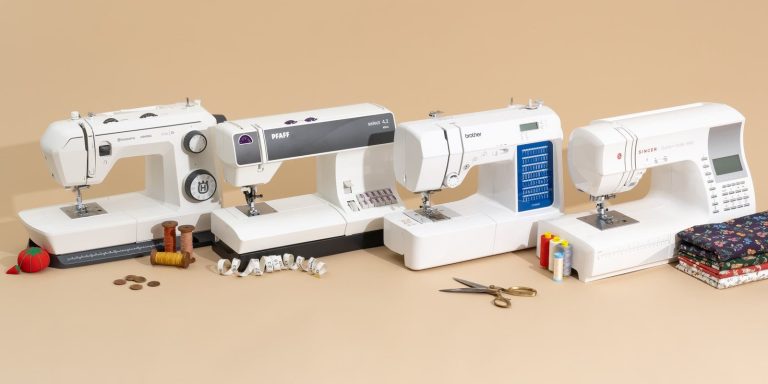
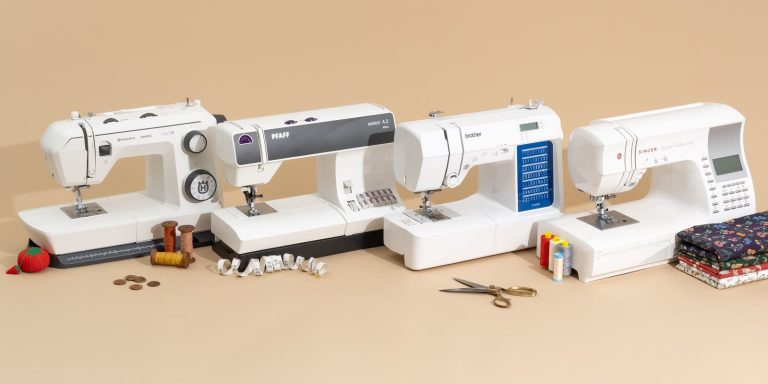
A good first sewing machine needs a metal frame, adjustable speed control, and basic stitches like straight, zigzag, and buttonhole. The exact features you need depend on your fabric; if you plan to sew heavy denim or canvas, buy a machine with a stronger motor and metal gears, but if you’ll only work with cotton or light fabrics, a standard entry-level model is enough.
Essential features to look for in a first sewing machine
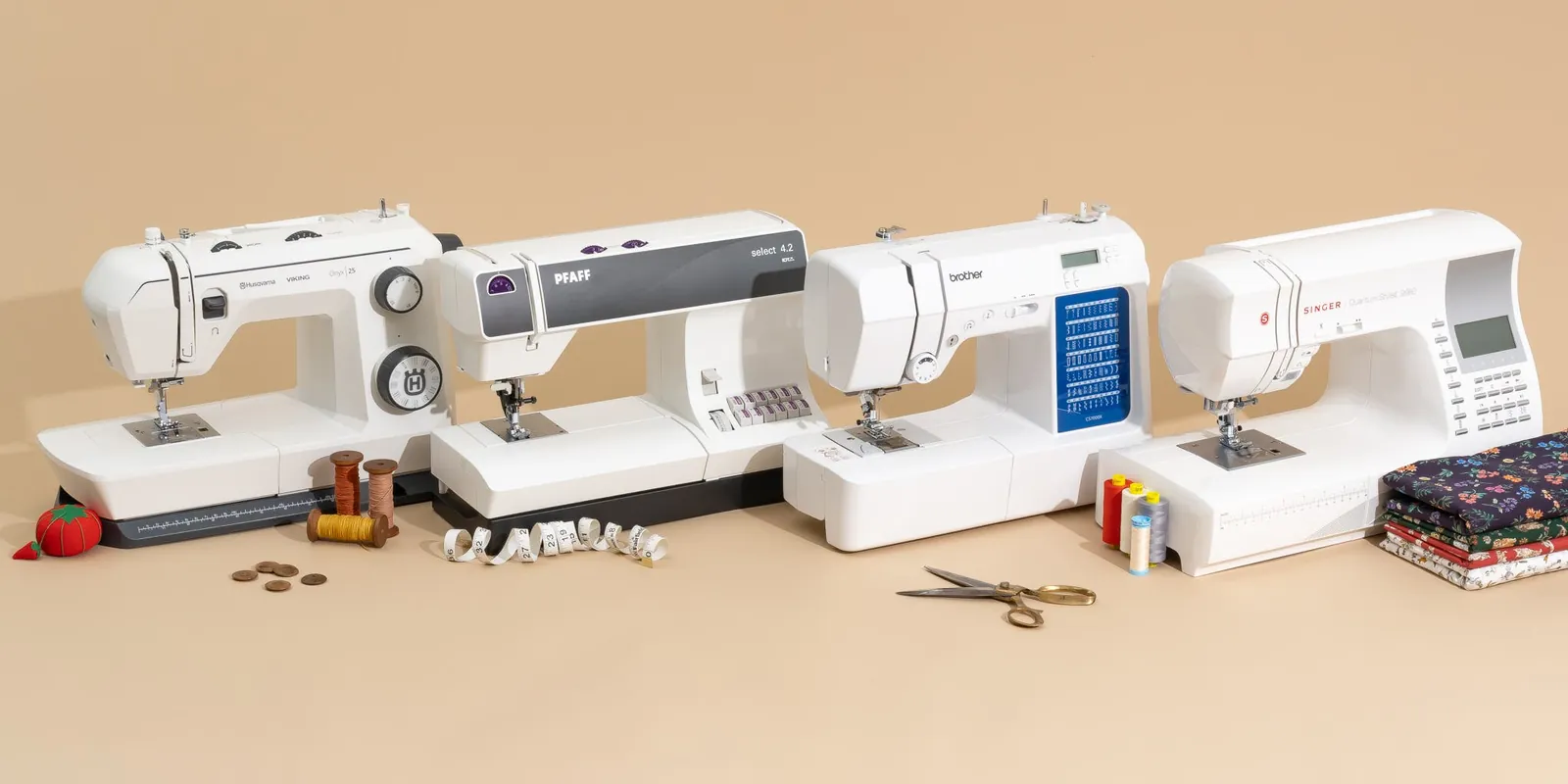
- A metal internal frame keeps the needle steady and stops the machine from shaking at high speeds.
- Adjustable speed control lets you sew slowly while learning, preventing crooked seams and broken needles.
- You only need 4 core stitches: straight, zigzag, blind hem, and a 1-step automatic buttonhole.
- A top-loading drop-in bobbin is faster to thread than a front-loading one and shows when thread runs low.
- Built-in needle threaders save time and reduce eye strain, especially under dim room lighting.
- Check the machine’s weight; models under 12 pounds often skip the metal parts that reduce vibration.
Why the frame material changes everything
The frame inside a sewing machine decides how long it lasts and how straight your stitches will be. Machines built with plastic frames flex slightly every time the needle punches through fabric. That tiny movement adds up over a seam, leaving your stitches uneven or puckered. A metal frame holds the moving parts rigid, so the needle hits the exact same spot every single time.
This matters more as your fabric gets thicker. Pushing a needle through two layers of denim takes real force. A plastic housing absorbs some of that energy by bending, which makes the motor work harder and wear out faster. Metal transfers all the power directly into the needle.
Weight is the trade-off here. A sturdy metal-frame machine usually weighs between 15 and 20 pounds. It isn’t easy to carry to a weekly class. If you need something portable, you’ll have to accept a lighter build and the vibration that comes with it.
Most decorative stitches sit unused after the first week. The straight stitch handles construction, the zigzag finishes raw edges, and the buttonhole stitch saves you from doing them by hand. Everything else is just extra cost added to the price tag.
Speed control works the same way. A foot pedal that jumps to full speed instantly causes mistakes. A slider that caps the maximum speed gives you time to guide the fabric without racing ahead of your hands.
If you’re buying an electronic model, check the manufacturer’s official specifications page for the exact motor amperage before you pay, because the number that determines how much thick fabric a specific machine can handle is printed on its technical sheet, not its box. For example, Brother lists detailed specifications for their entry-level models so you can compare motor strength directly.
When a basic machine won’t work
| Situation | What changes | What to do instead |
|---|---|---|
| Sewing thick denim or leather | Motor stalls, needles break | Buy a heavy-duty mechanical model |
| Quilting large blankets | Standard throat space is tight | Get an extension table and wider throat |
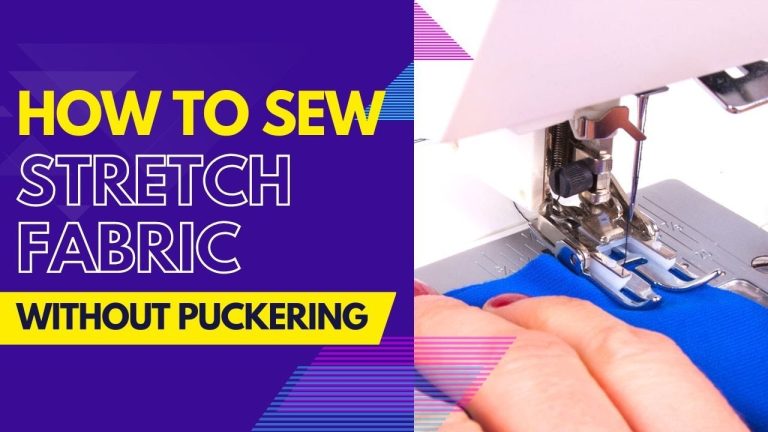
| Hemming stretchy knits | Straight stitches pop open | Use a machine with a stretch stitch |
| Tailoring clothes professionally | Basic motors overheat quickly | Invest in a semi-industrial machine |
| Mending very delicate silk | Feed dogs pull and snag fabric | Look for adjustable presser foot pressure |
Setting up your new sewing machine correctly
- Unpack the machine and remove all orange or blue tape holding the moving parts in place. Leaving even one piece of shipping tape on the handwheel will stop the machine from turning and can burn out the motor when you press the pedal.
- Plug the power cord into a grounded wall outlet, never a cheap extension cord. Turn the power switch on and test the handwheel by turning it toward you one full rotation to ensure nothing is locked.
- Wind the bobbin using the thread spool pin on top. Place the empty bobbin on the winder, push it right until it clicks, and hold the thread tail while pressing the pedal until it fills evenly and stops automatically.
- Drop the full bobbin into the case under the needle plate. Pull the thread through the small slit and under the tension spring until you hear a soft click, leaving a 4-inch tail hanging out.
- Thread the top of the machine following the numbered path printed on the body. Raise the presser foot lever first so the tension discs open, otherwise the thread won’t sit properly and your stitches will loop underneath.
- Hold both the top and bobbin thread tails toward the back. Turn the handwheel toward you slowly until the needle goes down and comes back up, catching the bottom thread and pulling it up through the needle plate hole.
- Place a scrap piece of cotton under the presser foot and lower the lever. Set the speed slider to the slowest setting, select a straight stitch with a length of 2.5 millimeters, and sew a 6-inch line.
- Check the test seam on both sides. The top and bottom threads should lock exactly in the middle of the fabric layers. If loops appear underneath, rethread the top with the presser foot raised and try again.
Mistakes that ruin your sewing results
- Skipping the manual to save time. Threading paths differ between brands, and guessing the route bends the needle bar, which is inexpensive to fix relative to buying a new machine.
- Using cheap thread from discount bins. Old or fuzzy thread leaves lint inside the tension discs and breaks constantly, forcing you to stop and rethread every few minutes.
- Sewing over pins left in the fabric. Hitting a metal pin snaps the needle tip, which can fly toward your eyes or scratch the metal needle plate permanently.
- Pulling the fabric from behind while sewing. The feed dogs are designed to move the cloth forward at the exact right pace, and dragging it bends the needle and skews your seam allowance.
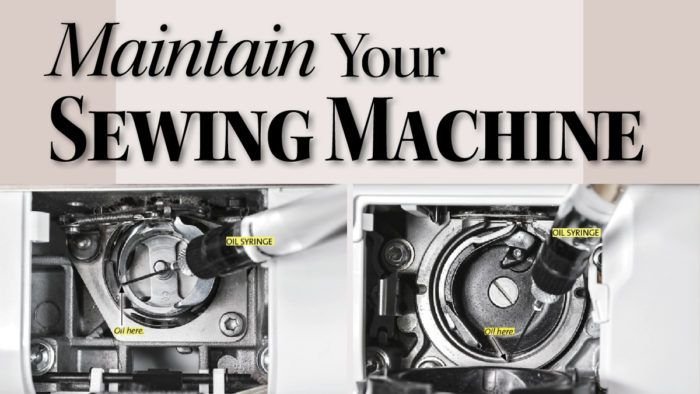
- Ignoring the maintenance schedule. Failing to brush lint from the bobbin area after every project causes the gears to grind, shortening the machine’s lifespan by years.
Frequently asked questions
Can I use a mini handheld sewing machine to learn?
Handheld machines lack the feed dogs and tension control needed to form proper stitches. A standard tabletop machine with a flat bed teaches you correct fabric handling from the start.
How much should I spend on my first sewing machine?
A reliable beginner model with a metal frame is inexpensive relative to replacing a machine with stripped plastic internal gears. Machines at the lowest end almost always use plastic internal gears that strip quickly. Spending slightly more gets you better speed control and a smoother motor.
Is it safe to leave a sewing machine plugged in?
Unplug the machine whenever you aren’t actively sewing. Power surges can damage the circuit boards in computerized models, and a pet or child stepping on the foot pedal could drive the needle into whatever is resting on the plate. Always switch off the main power button first.
Why does my thread keep bunching up underneath?
Thread bunching under the fabric means the top thread has no tension, usually because you threaded the machine with the presser foot lowered. Raise the foot lever, completely unthread the top path, and run the thread again so it seats firmly between the tension discs.
Does a heavier machine mean it’s better quality?
Generally, yes. Weight comes from metal internal components rather than plastic ones. A machine weighing 15 pounds or more typically has a metal chassis that absorbs vibration during fast sewing. However, a heavy industrial machine isn’t practical if you need to store yours in a closet.
How long does a beginner sewing machine last?
A well-maintained mechanical machine lasts significantly longer than computerized models, which fail earlier due to electronic board issues. The lifespan depends entirely on how often you clean the lint from the bobbin area and whether you oil the moving parts as the manual directs.
What happens if I use the wrong needle size?
Using a thin needle on thick fabric bends or snaps it, while a thick needle on silk leaves permanent holes and pulls threads. Match the needle to your fabric weight: size 70/10 for light cottons, 80/12 for medium blends, and 90/14 or larger for heavy denim.
Do I really need a machine with a one-step buttonhole?
Yes, if you plan to sew shirts, jackets, or anything requiring buttons. A one-step buttonhole measures your button and sews the entire shape automatically. Four-step versions require you to manually turn a dial for each side, making it very easy to end up with uneven, mismatched holes.
Conclusion
Picking the right equipment sets you up for success before you even touch the fabric. Focus on the metal frame, the basic stitches, and the speed slider, and ignore the flashy extras that drive up the price. Read the manual cover to cover on your first day, practice threading until your hands memorize the path, and keep the lint brushed out after every session. Your machine will run smoothly, and your seams will stay straight.
{“@context”:”https://schema.org”,”@type”:”FAQPage”,”mainEntity”:[{“@type”:”Question”,”name”:”Can I use a mini handheld sewing machine to learn?”,”acceptedAnswer”:{“@type”:”Answer”,”text”:”Handheld machines lack the feed dogs and tension control needed to form proper stitches. A standard tabletop machine with a flat bed teaches you correct fabric handling from the start.”}},{“@type”:”Question”,”name”:”How much should I spend on my first sewing machine?”,”acceptedAnswer”:{“@type”:”Answer”,”text”:”A reliable beginner model with a metal frame is inexpensive relative to replacing a machine with stripped plastic internal gears. Machines at the lowest end almost always use plastic internal gears that strip quickly. Spending slightly more gets you better speed control and a smoother motor.”}},{“@type”:”Question”,”name”:”Is it safe to leave a sewing machine plugged in?”,”acceptedAnswer”:{“@type”:”Answer”,”text”:”Unplug the machine whenever you aren’t actively sewing. Power surges can damage the circuit boards in computerized models, and a pet or child stepping on the foot pedal could drive the needle into whatever is resting on the plate. Always switch off the main power button first.”}},{“@type”:”Question”,”name”:”Why does my thread keep bunching up underneath?”,”acceptedAnswer”:{“@type”:”Answer”,”text”:”Thread bunching under the fabric means the top thread has no tension, usually because you threaded the machine with the presser foot lowered. Raise the foot lever, completely unthread the top path, and run the thread again so it seats firmly between the tension discs.”}},{“@type”:”Question”,”name”:”Does a heavier machine mean it’s better quality?”,”acceptedAnswer”:{“@type”:”Answer”,”text”:”Generally, yes. Weight comes from metal internal components rather than plastic ones. A machine weighing 15 pounds or more typically has a metal chassis that absorbs vibration during fast sewing. However, a heavy industrial machine isn’t practical if you need to store yours in a closet.”}},{“@type”:”Question”,”name”:”How long does a beginner sewing machine last?”,”acceptedAnswer”:{“@type”:”Answer”,”text”:”A well-maintained mechanical machine lasts significantly longer than computerized models, which fail earlier due to electronic board issues. The lifespan depends entirely on how often you clean the lint from the bobbin area and whether you oil the moving parts as the manual directs.”}},{“@type”:”Question”,”name”:”What happens if I use the wrong needle size?”,”acceptedAnswer”:{“@type”:”Answer”,”text”:”Using a thin needle on thick fabric bends or snaps it, while a thick needle on silk leaves permanent holes and pulls threads. Match the needle to your fabric weight: size 70/10 for light cottons, 80/12 for medium blends, and 90/14 or larger for heavy denim.”}},{“@type”:”Question”,”name”:”Do I really need a machine with a one-step buttonhole?”,”acceptedAnswer”:{“@type”:”Answer”,”text”:”Yes, if you plan to sew shirts, jackets, or anything requiring buttons. A one-step buttonhole measures your button and sews the entire shape automatically. Four-step versions require you to manually turn a dial for each side, making it very easy to end up with uneven, mismatched holes.”}}]}